Fraud Blocker
Categories Outdoor & Independence Solutions

Do Mobility Scooters Use a Lot of Electricity?

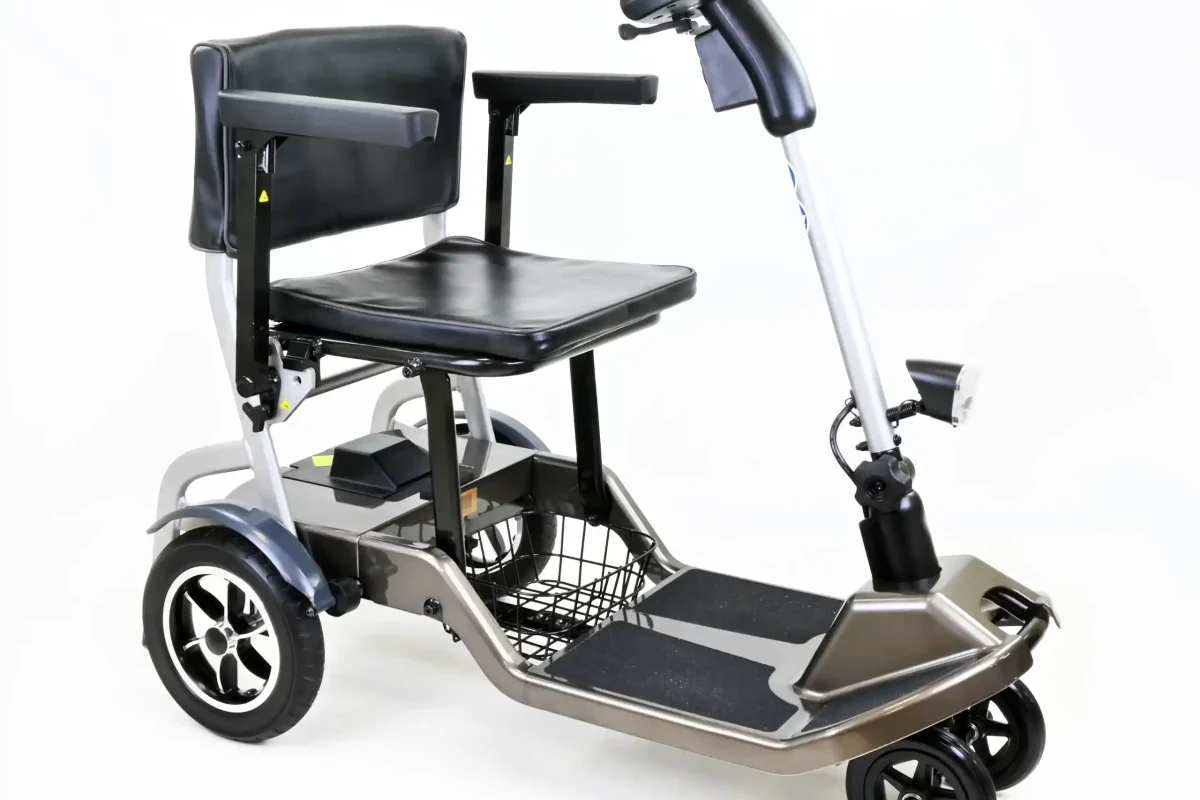
scooterpac canopy apex rapid 6 mobility scooter

Mobility scooters are surprisingly energy-efficient, with most models using only a few cents worth of electricity per charge. Far from leaving a dent in your ESB bill, they usually consume between 100 and 150 watts per hour, which is much less than everyday appliances like kettles, microwaves, or even your average television.

In this article, we’ll dive deep into how much electricity mobility scooters actually use, how charging habits impact efficiency, the long-term costs of maintaining them, and why they remain one of the most sustainable and cost-effective mobility solutions in Ireland.

We’ll also share practical tips on how to reduce electricity consumption further, compare scooters to similar devices, and explore their role in supporting both independence and environmental sustainability.

By the end, you’ll see why mobility scooters are not only a smart mobility aid but also an excellent financial and ecological choice for Irish households.


Key Takeaways

  • Mobility scooters typically consume 100–150 watts per hour, making them highly energy-efficient.

  • Each full charge costs only a few cents, depending on Irish electricity rates.

  • Choosing efficient battery types, especially lithium-ion, reduces overall usage costs.

  • Charging overnight can help cut electricity expenses even further.

  • Maintenance and charging habits have a greater financial impact than electricity consumption itself.


Understanding the Role of Mobility Scooters in Ireland

Mobility scooters have become an essential part of everyday life for many people in Ireland, particularly older adults and those with mobility challenges. From navigating town centres like Drogheda, Dundalk or Galway, to getting around shopping centres or enjoying a coastal walk in Bray, scooters provide independence and confidence.

Unlike large electric vehicles, scooters are compact and designed for convenience. Their intuitive controls—often simple handlebars or joysticks—make them accessible for users of all abilities. More importantly, they allow users to engage fully in their communities, whether that means visiting the local shop, going to mass, or calling in to see family and friends.

If you’re curious about the full range of mobility scooters available in Ireland, it’s worth checking out our scooters section at Irish Stairlifts & Bathrooms, where you’ll find everything from lightweight travel models to heavy-duty outdoor machines.


How Do Mobility Scooters Work?

At first glance, mobility scooters resemble small electric vehicles since they’re powered by rechargeable batteries and controlled with steering handles. The drivetrain consists of:

  • An electric motor that powers the wheels.

  • control system, often a throttle paddle or joystick, that regulates speed.

  • Rechargeable batteries, usually lead-acid or lithium-ion.

  • Comfort features, such as padded seats, baskets, suspension, and adjustable tillers.

Most scooters operate at speeds between 6km/h and 12km/h, perfect for Irish pavements and pedestrian areas. They can cover 15 to 40 km per charge, depending on the model.

When you step onto a scooter, you’re not just travelling—you’re reclaiming independence.


Types of Scooter Batteries and Their Impact on Electricity Use

The type of battery is key to how much electricity your scooter draws over time.

Sealed Lead-Acid Batteries (SLA):

  • Cheapest and most common.
  • Require 6–8 hours for a full charge.
  • Heavier and less energy-efficient.

Gel Batteries:

  • Maintenance-free and spill-proof.
  • Slightly more efficient than SLA.
  • Offer steadier performance but cost a little extra.

Lithium-Ion Batteries:

  • Lighter, longer-lasting, and energy-efficient.
  • Shorter charging times (3–5 hours).
  • Higher upfront cost but best overall value in the long term.

For Irish users, where electricity costs are rising, investing in lithium-ion models can yield significant savings over the years.


Average Power Consumption in Ireland

In Ireland, the average unit rate for electricity is approximately 30–35 cents per kWh (as of 2025). With mobility scooters consuming around 0.3–1.5 kWh per full charge, each recharge typically costs:

  • €0.09 to €0.50 per charge.

Even with daily use, monthly charging bills rarely exceed €5–€10, making them one of the cheapest forms of personal transport available.

When we compare this to filling a petrol car, the contrast is staggering—and a major reason scooters are seen as an economical choice in Irish households.


Factors That Influence Scooter Energy Consumption

Several factors affect how much electricity your mobility scooter uses:

  • Terrain: Scooters use more power climbing steep hills—important in hilly towns like Kilkenny or Carlingford.

  • Weight load: A heavier user or carrying shopping increases battery draw.

  • Driving habits: Stop-start use drains more energy than steady travel.

  • Weather: Cold Irish winters can reduce battery efficiency.

  • Age of scooter: Older batteries tend to take longer to charge, using more energy.

Adopting smarter habits—such as planning flat routes and smooth driving—helps optimise electricity usage.


Charging Time and Energy Costs

Most mobility scooters need 6–8 hours for a full charge (lithium-ion can be faster).

  • Overnight charging is highly recommended, as night rates with many Irish providers are lower.

  • Avoid constant topping-up of the battery, as this can shorten lifespan.

  • Use manufacturer-approved chargers.


Comparing Scooters to Other Household Devices

For context, here’s how a scooter stacks up against common Irish household appliances:

Device Average Power Use Equivalent to Scooter Use?
Kettle (1 use) 2000–3000 watts 1 kettle use ≈ full scooter trip
Microwave (15 mins) 1200 watts ≈ 1 scooter outing
Television (4 hrs) 250–400 watts Less than a scooter charge
Electric shower (10 mins) 7500 watts 1 shower ≈ 5–10 scooter charges
 

This shows that compared to ordinary daily appliances, scooters represent minimal ongoing costs.


Environmental Impact

Mobility scooters offer positive environmental benefits compared to petrol-based transport:

  • Zero local emissions (no fumes like cars).

  • Lower carbon footprint per km travelled.

  • Compact energy demands relative to electric vehicles.

The only environmental drawback is battery disposal, but Ireland has strong recycling services for batteries through WEEE schemes. Always recycle scooter batteries responsibly.


Tips for Reducing Electricity Usage

Here are some practical habits Irish users can adopt:

  • Charge overnight to benefit from night saver electricity tariffs.

  • Plan short, direct routes—avoid unnecessary trips.

  • Keep tyres inflated for better efficiency.

  • Don’t overcharge batteries—disconnect once full.

  • Store scooters indoors, away from cold garages (battery life drops in low temperatures).

  • Service scooters regularly—our servicing team in Kildare can help keep your scooter efficient.


Costs Beyond Electricity

While charging costs are small, you should budget for maintenance and battery replacement.

  • Charging costs: Only a few euro per month.

  • Battery replacement: €150–€400 every 2–4 years.

  • Servicing & tyres: Around €100–€200 annually.

Compared to other transport modes, the lifetime mobility scooter running cost is still extremely favourable.


Frequently Asked Questions

Do mobility scooters need special chargers in Ireland?

No, they use a standard 220V Irish plug socket.

Can mobility scooters be charged with solar power?

Yes—it’s possible to connect scooters to compatible solar panels for sustainable charging.

How long do scooter batteries last?

With regular charging, between 18 months and 4 years.

Are there portable chargers for scooters?

Yes—ideal for long trips around Ireland, keeping you from being stranded on outings.


Conclusion

To sum up, mobility scooters use remarkably little electricity, especially compared with household appliances or traditional vehicles. At only a few cents per charge, they remain an economical, eco-friendly, and practical solution for daily mobility in Ireland.

By adopting smart charging practices, choosing efficient batteries, and maintaining your scooter properly, you’ll enjoy not only independence and freedom of movement but also long-term financial and environmental benefits.

Mobility scooters aren’t just an investment in energy efficiency—they’re an investment in quality of life.


Ready to Take the Next Step?

At Irish Stairlifts & Bathrooms, we’ve been proudly supporting mobility independence across Ireland for over 20 years. Browse our wide selection of mobility scooters or get in touch with our expert team for personalised advice.

Your freedom of movement is just a ride away!

Categories Outdoor & Independence Solutions

What Features Should I Look for in a Mobility Scooter?

Apex Lite Travel Scooter

For many people across Ireland, a mobility scooter can be a life-changing investment. Whether you need extra support for getting around town, attending social events, or enjoying your favourite walks in the park, choosing the right scooter ensures comfort, safety, and independence. But with so many models on the market, how do you decide which one is best for you?

The right scooter depends on your needs—how far you travel, the environments you use it in, how much weight you need it to carry, and the kind of comfort features you expect. In this guide, we will walk you through everything you need to know before purchasing a mobility scooter in Ireland, from battery life and portability to warranty and terrain compatibility. We’ll also include links to useful mobility resources such as wheelchairs and stairlifts to help you make the best choices for your overall mobility needs.


Key Takeaways

  • Assess battery life and range, ensuring it covers your daily travel needs, ideally between 15–30 miles on a single charge.

  • Check weight capacity and stability features for safe, reliable performance.

  • Choose a scooter with easy maneuverability and a compact design for indoor and outdoor use in Ireland’s narrow streets and shops.

  • Evaluate comfort features such as adjustable seats, suspension, and ergonomic armrests.

  • Consider safety features like lights, indicators, and reflectors for travel around towns and villages.

  • Don’t forget storage and transport options—especially if you need to take your scooter in the boot of your car.


Understanding Your Mobility Needs

Before diving into technical features, think about your personal lifestyle and routines. Ask yourself:

  • Do you mostly use your scooter indoors (such as in shopping centres and homes) or outdoors (town streets, parks, country pathways)?

  • Do you often need to transport your scooter in a car?

  • Are you planning to use it for long journeys or mostly short trips?

  • Do you have medical needs requiring higher levels of comfort or support?

For example, city users in Dublin might prioritise compact size and quick maneuverability for navigating shops or buses. Meanwhile, those living in rural areas of Mayo or Kerry may prefer larger, heavy-duty scooters capable of tackling uneven ground or longer journeys.

If you’re also considering stair support at home, check out our guide to straight stairlifts and curved stairlifts, which can give you safe access to all levels of your house while your scooter helps outdoors.


Battery Life and Range

Battery life is one of the most important features of a mobility scooter. Nobody wants the stress of a scooter running out of charge halfway through their trip to the local shop or GP appointment.

Battery Capacity Explained

Battery Capacity (Ah) Estimated Range (Miles) Ideal Use
12 15 Short trips/indoor use
20 25 Local travel & small errands
30 30 Regular day-to-day outings
50 40 Long distances & rural journeys
 

For most Irish users, a range of 15–30 miles per charge is ideal. Dublin commuters may find a mid-sized battery sufficient, while those in more rural counties often prefer high-capacity models for longer trips.

Pro Tip: Remember that Ireland’s hilly landscapes can reduce battery efficiency, so always factor in terrain when calculating your daily needs.


Weight Capacity and Stability

Weight Capacity

Always check that your scooter can comfortably support your weight. Exceeding the max capacity can cause reduced battery performance, poor maneuverability, and even safety issues.

Weight Capacity Suitable For Notes
Up to 114 kg (18 stone) Most average users Fits standard scooters
115–159 kg (18–25 stone) Larger frames Mid-range heavy-duty
160 kg+ (25 stone +) Specialist needs Bariatric models required
 

For heavier users, consider pairing a scooter with a supportive rise and recline chair for home comfort.

Stability Features

Stability largely depends on:

  • Wheelbase width (wider means more stable)

  • Low centre of gravity (prevents tipping)

  • Suspension systems (important for uneven footpaths or cobbled Irish streets)


Size and Portability

If you plan to take your scooter in the car boot to travel across Ireland—for example on days out to Galway City or Kilkenny—you’ll want a foldable or easily dismantled scooter.

Look for:

  • Lightweight frames

  • Quick-release components

  • Compact dimensions for narrow hallways and doorways

Indoor users in smaller Irish homes and apartments will particularly benefit from these features.


Maneuverability and Turning Radius

With Ireland’s often narrow shop aisles, small villages, and busy towns, maneuverability is essential.

  • tight turning radius (under 40 inches) is perfect for navigating crowded places like Dunnes Stores or SuperValu.

  • Outdoor rural users may opt for larger scooters with a slightly wider turning circle but greater terrain control.


Comfort Features: Seating and Suspension

A scooter should feel as comfortable as your favourite armchair. Look for:

  • Padded seating with height adjustability

  • Lumbar support for longer journeys

  • Armrests and headrests, especially for medical conditions

  • Suspension systems that reduce bumps on uneven Irish pavements or rural boreens


Control and Steering

Consider a scooter with:

  • Tiller control systems for easy navigation

  • Speed adjustability (slow for indoor, faster outdoors)

  • Responsive braking for safety on Irish hills or sudden stops in traffic-heavy areas like Cork or Galway


Safety Features: Lights and Indicators

Given Ireland’s darker winter evenings and narrow roadways, safety is critical.

Look for:

  • Front and rear lights for evening journeys

  • Indicators and horn for road safety

  • Reflectors for extra visibility


Storage Options and Accessories

The right accessories make life easier. Irish users often value:

  1. Front baskets for groceries or shopping bags

  2. Weather canopies to handle Ireland’s unpredictable rain

  3. Cup holders for tea or coffee on the go

  4. Walking stick holders for those who use both aids

For bathroom support, consider pairing your scooter purchase with bathroom adaptations, ensuring safety both indoors and outdoors.


Terrain Compatibility

Living in Ireland means dealing with cobbled streets, hills, and uneven pavements. If you enjoy the outdoors, choose a scooter with:

  • Suspension and shock absorbers

  • Large pneumatic tyres

  • High ground clearance

Golfers often prefer off-road models for use on courses, while city dwellers may opt for slim indoor/outdoor scooters.


Maintenance and Durability

Regular care extends the life of your scooter:

  • Charge the battery regularly (don’t let it fully drain)

  • Keep tyres inflated and check for wear

  • Get an annual service from a mobility provider like Irish Stairlifts & Bathrooms


Price and Warranty Considerations

Prices in Ireland can range widely:

  • Entry-level scooters: €1,200–€2,500

  • Mid-range models: €2,500–€3,500

  • Heavy-duty/all-terrain scooters: €3,500+

Always check warranties—preferably 12 months minimum, with parts and labour cover.


Frequently Asked Questions

Can I customise my scooter?

Yes, many scooters offer colour and accessory options, making it personaliseable to suit your tastes and comfort.

Can it fit in my car?

Measure both your boot space and the scooter’s folded dimensions. Many lightweight scooters are designed for easy car transport.

Is there an age restriction?

No, scooters are based on need, not age. They are widely used by both older adults and younger individuals with mobility challenges.

How long will a scooter last?

Typically 3–5 years with care, but many last longer when serviced regularly.

Can I use it on Irish public transport?

Yes, but always check with your local bus or rail operator in advance. Dublin Bus, for example, accepts registered scooters within certain size limits.


Conclusion

mobility scooter can transform your independence, social life, and daily routine. By carefully considering features such as battery life, weight capacity, maneuverability, comfort, and safety, you can find the perfect model that meets your lifestyle needs in Ireland. Whether you’re navigating Dublin’s city streets, strolling along coastal towns, or enjoying quiet country roads, the right scooter ensures you travel with confidence and comfort.

Irish Stairlifts & Bathrooms has been helping individuals across Ireland for over 20 years, offering customised mobility scooters, stairlifts, wheelchairs, and bathroom adaptations tailored to suit your unique requirements.


Ready to Regain Your Independence?

Visit Irish Stairlifts & Bathrooms today to explore our full range of mobility solutions. Our expert team is ready to help you choose the perfect scooter, with free consultations and nationwide delivery available across Ireland.

Categories Outdoor & Independence Solutions

What Type of Mobility Scooter Do I Need?

QFold - Lightweight folding scooter

Deciding which mobility scooter is right for you can feel overwhelming, especially with so many options available. In Ireland, mobility scooters are becoming more common in cities, towns, and rural areas, enabling people of all ages to enjoy greater independence. Whether you’re navigating the busy streets of Dublin, attending a community event in Cork, or visiting family in Galway, the right scooter can make every journey smoother and more enjoyable.

Mobility scooters aren’t just about transport; they’re about freedom, independence, and confidence. Choosing one that meets your lifestyle, comfort, and accessibility needs means you’ll feel supported wherever life takes you.


Key Takeaways

  • Always check weight capacity requirements to ensure your safety and comfort.

  • Think about the types of terrain you’ll encounter—urban pavements, cobblestones, rural roads, or park pathways.

  • Consider your daily travel distance to ensure your scooter’s battery range fits your lifestyle.

  • Decide between compact travel scooters, full-size models, or heavy-duty scooters depending on your needs.

  • Don’t overlook comfort and accessibility features like adjustable seating, padded armrests, or easy controls.


Understanding Mobility Scooters

Mobility scooters give people independence, particularly in areas where walking long distances can be difficult. In Ireland, they are especially valuable given the mix of rural villages, coastal paths, and bustling towns. A scooter allows you to participate fully in daily life—whether that’s a trip to the supermarket, attending a GAA match, or socialising in the community.

Some of the main benefits include:

  • Independence: Go where you want when you want.

  • Improved Accessibility: Ideal for shopping centres, markets, and local public spaces.

  • Confidence & Wellbeing: Knowing you can move freely enhances peace of mind.

If you’re curious about other mobility aids, check out our guide on mobility aids for the home.


Key Features to Consider

Weight Capacity Requirements

Selecting a scooter with the right weight capacity ensures both safety and performance. Every scooter has a specific limit; exceeding it can cause breakdowns or safety risks. For example, compact travel scooters often support up to 19 stone (120 kg), while heavy-duty models may handle up to 32 stone (200 kg).

If you also carry shopping bags or other items, be sure to factor that in. Remember, choosing a scooter that’s too small may lead to discomfort or strain.

Terrain Compatibility Factors

Ireland’s terrain can be varied. In urban centres like Dublin or Limerick, smooth pavements and pedestrian zones may only require a compact scooter. But on country roads, uneven footpaths, or coastal walkways, you’ll need a stronger suspension and larger tyres.

  • For urban living: Consider a three-wheel or compact scooter.

  • For suburban and rural zones: Four-wheel or heavy-duty scooters are more suitable.

  • For outdoor recreation: Look into all-terrain scooters that tackle grass, gravel, or hilly roads.

If you live in a hilly town such as Kilkenny or Bray, opt for a scooter with a higher-powered motor.


Types of Mobility Scooters

There are three main categories of mobility scooters available:

  • Travel Scooters: Lightweight, foldable, suitable for bringing on public transport or storing in the car boot.

  • Full-Size Scooters: Stable and comfortable for longer daily use, ideal for errands.

  • Heavy-Duty Scooters: Designed for those requiring extra durability and weight capacity, plus superior outdoor performance.

Visit our selection of mobility scooters in Ireland to compare available models.


Compact Mobility Scooters

Benefits

Compact scooters are lightweight, portable, and easy to store, making them an excellent choice if you live in an apartment or terraced home with limited space. They are also perfect for travelling—whether you plan to visit the Cliffs of Moher or take a ferry to the Aran Islands, a collapsible scooter is practical.

Ideal Usage

  • Indoor spaces such as supermarkets or shopping centres like Dundrum Town Centre.

  • Flat pavements for short city commutes.

  • Public transport journeys where portability matters.


Heavy-Duty Mobility Scooters

If you need long journeys and rugged performance, heavy-duty mobility scooters are the way to go. They typically provide:

  1. Greater weight capacity, often up to 32 stone.

  2. Longer battery range, ideal for rural areas where distances between services are greater.

  3. Durable suspension systems for uneven footpaths common in smaller towns.

These models are excellent for countryside living—if you travel regularly on rural roads outside towns such as Ennis or Castlebar, you’ll appreciate the reliability.


All-Terrain Mobility Scooters

Key Features

  • Large tyres for grip on gravel or grass.

  • Strong suspension for comfort.

  • High capacity batteries for longer trips.

Best Usage

Enjoying Ireland’s scenic outdoors is easier with an all-terrain scooter. They make it possible to explore trails in the Wicklow Mountains or stroll along coastal routes in Waterford without worry.


Travel Mobility Scooters

For those on the move, travel scooters are lightweight and foldable, often fitting inside car boots or planes. They’re great for:

  • Weekend trips across Ireland.

  • Visits abroad.

  • Compact city living where stairlifts and small storage spaces are already in use.

Check our portable mobility scooter collection for options.


Three-Wheel vs Four-Wheel Scooters

Feature Three-Wheel Scooters Four-Wheel Scooters
Maneuverability Better for tight spaces & indoors Less agile but stable outdoors
Stability Less stable on rough terrain Excellent stability on uneven or outdoor ground
Ideal For Shopping centres, indoor use, flat paths Rural areas, outdoor parks, daily commuting
 

If most of your time is spent indoors or in compact areas, a three-wheel scooter is ideal. For longer, outdoor journeys, four-wheel scooters offer greater peace of mind.


Weight, Size & Comfort

Comfort is one of the biggest factors in choosing your scooter. Consider:

  • Weight support: Ensure your scooter comfortably supports your body weight.

  • Seat dimensions: Look for extra padding and adjustability.

  • Overall size: Does it fit in your hallway, lift, or car boot?


Battery Life and Range

Most scooters in Ireland provide ranges of 10–30 miles per charge. For occasional city use, shorter ranges are fine. However, if you plan to use your scooter daily in a larger town or countryside setting, a long-range scooter is vital.

Lithium-ion batteries offer longer cycle lives and quicker recharging—worth the investment if you depend on mobility aids regularly.


Accessibility & Features

Practical features can make a world of difference:

  • Adjustable seats for posture and comfort.

  • Padded armrests for stability.

  • Easy controls for safe handling.

  • Weather protection accessories—crucial in Ireland’s unpredictable climate.

Explore our range of mobility scooter accessories to enhance your experience.


Budgeting in Ireland

Cost is an important factor when investing in a mobility scooter. In Ireland, prices vary by model, battery type, and features. Remember to also budget for:

  • Annual servicing

  • Insurance protection

  • Spare parts or accessories

Funding options may be available through HSE schemes or disability support programmes—always check eligibility. Our stairlifts and mobility finance page offers further insights into payment options.


FAQs

Can I use a scooter indoors and outdoors?

Yes, provided you pick the right size. Compact models are perfect for indoor use in supermarkets or shopping centres, while larger scooters are suited for outdoor terrain.

How do I maintain my scooter?

Keep your scooter reliable with regular checks: charging the battery daily, cleaning frames, and servicing once a year through a trusted Irish supplier.

Are scooters covered by insurance?

In Ireland, scooter cover is optional but recommended. It can include theft, third-party liability, and accident cover.

What accessories improve scooter use?

Popular add-ons include weather-proof canopiesextra storage baskets, and footmats to cope with wet conditions.

How can I transport my scooter?

Many people use ramps or boot hoists for cars. For public transport, compact foldable scooters provide the greatest flexibility.


Conclusion

Choosing the right mobility scooter in Ireland is like choosing a lifestyle companion. It’s not just about movement—it’s about regaining independence, confidence, and freedom. Whether you’re planning trips into Dublin city centre, visiting a friend in Galway, or enjoying the peace of an Irish coastal walk, there is a scooter that will suit your needs perfectly.

When making your decision, take your time to weigh up factors such as terrain, battery life, comfort, and storage space. With the right choice, life becomes easier, more accessible, and far more enjoyable.

Ready to take the next step? Explore our full collection of mobility scooters in Ireland today. Our expert team at Irish Stairlifts & Bathrooms is here to guide you in finding the perfect match for your lifestyle. Contact us now for personalised advice or book a free consultation to regain your mobility and independence.

Categories Stairlifts & Home Lifts

How Long Does a Typical Stairlift Installation Take?

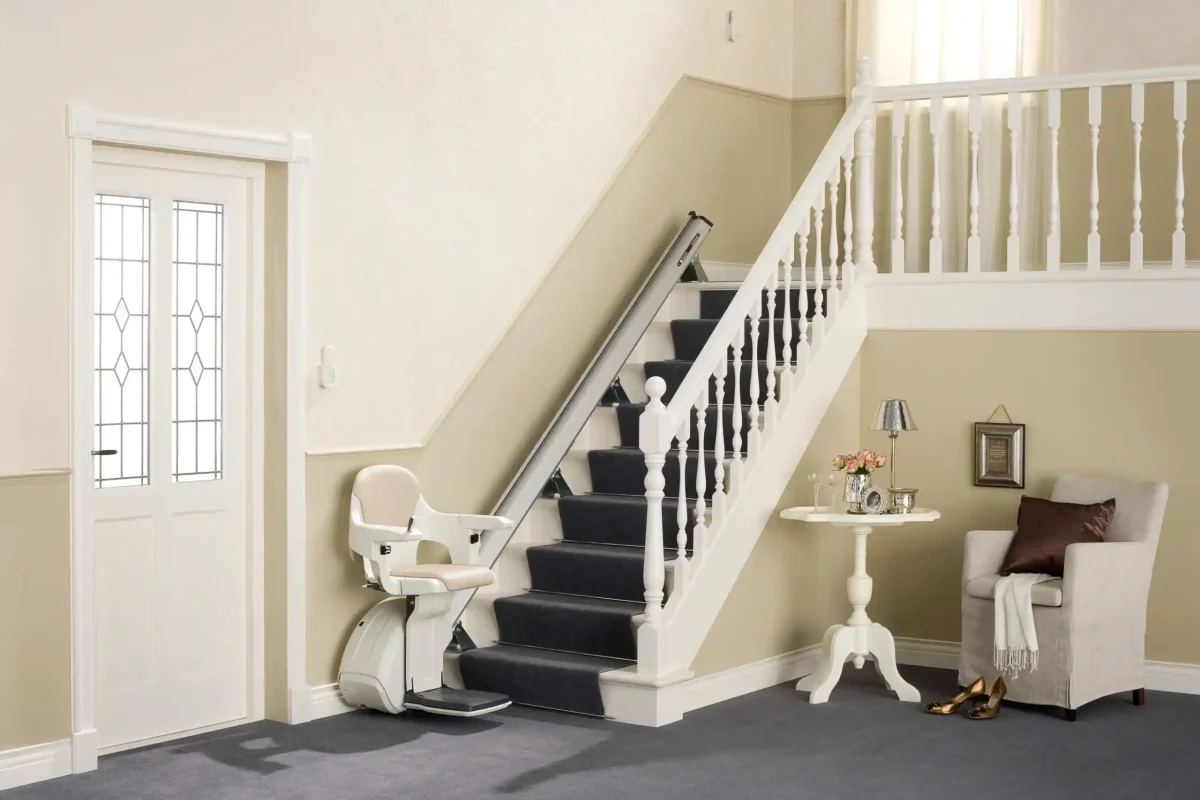
Straight Reconditioned Stairlifts

Installing a stairlift marks an important step towards improving mobility and independence within your home. However, much like climbing a winding staircase, the installation duration can vary based on a range of factors. In Ireland, understanding how long a stairlift installation takes helps you prepare better, manage expectations, and ensures a smoother process from consultation to final use.

Whether you’re opting for a straight stairlift or a more complex curved stairlift, the time required for installation can significantly differ. This guide explores the key influences on installation time, preparation advice, customization options, post-installation care, and tips to maintain your stairlift for long-term performance.


Key Takeaways

  • Straight stairlifts typically install within 2 to 6 hours, often in half a day.

  • Installation of curved stairlifts can range from one to two days due to custom rail manufacturing and complexity.

  • Heavy-duty and specialist models may require additional time for setup and adjustments.

  • The configuration of your staircase and home environment plays a crucial role in installation duration.

  • Clear communication of your mobility needs during the consultation helps streamline the entire process.

These insights will help you set realistic expectations and enable you to make informed decisions about your home accessibility solutions.


Understanding Different Stairlift Types

Straight Stairlifts

These are designed for standard, straight staircases without curves or landings. They usually have a pre-manufactured track system, making installation quicker and often completed in just a few hours. Straight stairlifts tend to be more affordable and widely available.

Curved Stairlifts

If your home has a staircase with bends, turns, or intermediate landings, a curved stairlift is necessary. Each curved stairlift is custom-made to precisely fit the unique shape of your staircase. This customization adds to the manufacturing and installation time. While the actual installation may take 1–2 days, the manufacturing lead time can extend to several weeks.

Outdoor Stairlifts

Built to withstand rain, wind, and other weather conditions, outdoor stairlifts provide safe and reliable access to garden steps or exterior entrances. This type requires weatherproof materials, which can have longer delivery and installation times depending on the model.

Power Sources and Models

Modern stairlifts can be electric or battery-operated. Battery-powered options are especially beneficial for ensuring the lift functions during power outages. Choosing between these depends on your home’s electrical setup and specific needs.

For more details on stairlift types, visit Types of Stairlifts.


Assessing Your Staircase: Key Considerations Before Installation

Before installation, a precise assessment of your staircase is vital to select the most suitable stairlift. Here are the main factors to evaluate:

  • Staircase Shape: Is it straight, curved, or spiral? Spiral stairs may require highly specialized solutions.

  • Stair Width and Depth: Ensure there is enough width to install the track without obstructing others who may still use the stairs.

  • Landing Space: Adequate space at both the top and bottom landings is necessary for safe boarding and dismounting from the stairlift.

  • Structural Integrity: The staircase and nearby walls should be structurally sound to support the stairlift safely.

Taking these into account helps avoid installation delays and ensures a smooth transition.

Learn more about assessing your stairs at Choosing the Right Stairlift.


The Initial Consultation Process: What to Expect

Site Assessment Duration

A professional installer typically visits your home to perform a site assessment, which takes a couple of hours. The goal is to record detailed measurements and understand your mobility needs while checking for any potential challenges.

Key aspects the technician reviews include:

  • Staircase configuration and dimensions.

  • Available space for safe installation and use.

  • Existing electrical points for power supply.

  • Safety considerations, including weight capacity and accessibility.

This thorough overview helps prevent future complications and ensures the stairlift solution is personalized and secure.

Design and Customization

Following the assessment, you will discuss design options that reflect your lifestyle and home décor. From seat styles to safety features, customization enhances usability and comfort.

You can select:

  • Seat colours and materials that complement your home’s interior.

  • Folding tracks to save space in narrow staircases.

  • Powered swivel seats to facilitate easy mounting/dismounting.

  • Safety options such as seat belts and obstruction sensors.

These choices transform the stairlift from a functional tool into a seamless part of your living space.

For more on customization, visit Stairlift Features and Accessories.

Quotation and Approval

You will then receive a detailed quotation outlining all costs, including the stairlift, installation, and any additional features or services. This transparency allows you to evaluate your options within budget.

Discuss all queries with the provider and confirm the installation schedule once happy with the terms.


Preparing Your Home for Stairlift Installation

Proper preparation eases the installation and avoids last-minute issues:

  1. Measure and Clear the Area: Double-check stair dimensions and clear the stairway of furniture, rugs, or other obstacles.

  2. Inform Household Members: Let everyone know the installation day to ensure safe access and avoid disruptions.

  3. Address Electrical Needs: If your stairlift requires a plug socket, ensure one is available near the staircase.

  4. Communicate Needs: Remind the installer of any special mobility requirements or preferences.

Planning ahead reduces installation time and ensures a hassle-free experience.


Installation Day: What Happens?

On the arranged day, an experienced installation team will:

  • Deliver the stairlift and components.

  • Securely fit the track along the staircase.

  • Assemble and attach the seat and controls.

  • Conduct safety and performance checks.

For straight stairlifts, this typically takes 2 to 6 hours, while curved models can require a full day or two depending on complexity.

During installation, feel free to ask questions and watch the process to familiarize yourself with the stairlift.

At completion, the installer will demonstrate the features and safe usage practices to build your confidence and ease the transition.


Post-Installation Checks and Testing

After fitting, a detailed safety and functionality assessment is performed:

  • Weight Capacity Verification: Ensures the lift supports the recommended load.

  • Emergency Stop Test: Confirms the emergency stop mechanism works correctly.

  • Track and Seat Alignment: Checks smooth, wobble-free movement along the rail.

  • Control Testing: Validates the responsiveness of the remote and onboard controls.

Any adjustments needed are made immediately to guarantee optimal performance and safety.


Maintenance and Support for Longevity

Regular maintenance is critical to keep your stairlift dependable and safe:

  • Schedule annual professional servicing to inspect motors, batteries, tracks, and safety features.

  • Clean the chair, controls, and track monthly to prevent dust buildup.

  • Always park the stairlift at its charging station when not in use to maintain battery health.

  • Keep the stairway clear of obstructions to avoid mechanical interference.

Opt for providers who offer reliable emergency support and prompt repairs to avoid inconvenient downtime.

For DIY maintenance tips and expert services, visit Stairlift Maintenance Services.


Timeframes for Different Stairlift Models in Ireland

Stairlift Type Typical Installation Time Manufacturing Lead Time Notes
Straight Stairlift 2 to 6 hours 1 to 3 weeks Standardized design, quicker install
Curved Stairlift 1 to 2 days 4 to 7 weeks Custom rail requires longer production
Outdoor Stairlift 1 to 3 days 2 to 4 weeks Weather-resistant features add time
Heavy-Duty Models Varies (1-3 days) Depends on specs Custom adjustments may extend setup
 

These timelines also depend on installer availability and any required home modifications.


Factors Influencing Installation Duration

  • Staircase Complexity: Curved, spiral, or multi-landing stairs take longer than straight.

  • Home Environment: Limited access, narrow staircases, or absence of close power sockets can extend time.

  • Additional Features: Powered swivel seats, folding rails, and other extras add installation complexity.

  • Scheduling and Manufacturer Delays: Custom models require precise manufacturing, which affects delivery times.

Understanding these helps you remain patient through the process and plan accordingly.


Frequently Asked Questions (FAQs)

Are Stairlifts Covered by Health Insurance in Ireland?

Typically, stairlifts are not fully covered by health insurance, but some policies may offer partial reimbursement or grants may be available. It’s best to check with your insurer or local health authorities for assistance programs.

Can Stairlifts Be Installed on Curved Staircases?

Yes, curved stairlifts are custom-designed to navigate bends, turns, and landings safely, providing bespoke mobility solutions for challenging staircases.

What Is the Average Cost of a Stairlift in Ireland?

Costs vary based on type and features. Straight stairlifts generally range from €2,000 to €5,000, while curved stairlifts may cost €5,000 to €10,000 or more.

Do Stairlifts Require Structural Changes?

Most stairlifts are designed to fit existing staircases without structural modifications, preserving your home’s integrity and minimizing disruption.

How Long Is the Warranty for a Stairlift?

Warranties typically last from one to five years, depending on the manufacturer and model. Always confirm warranty details before purchase.


Conclusion

In summary, a typical stairlift installation in Ireland can range from a few hours for a straight stairlift up to two days for a custom curved model. Factors such as staircase shape, home environment, and additional customization influence the timeline. Understanding these details helps you prepare thoroughly, ensuring a smooth, safe, and comfortable installation experience.

Taking this important step can significantly improve your mobility and independence, making your home more accessible and welcoming. If ready to enhance your living space with a stairlift, the next step is to get a professional consultation.


Take the Next Step: Contact Irish Stairlifts Today

Ready to improve your home accessibility with a high-quality stairlift? Contact Irish Stairlifts today for a free consultation and detailed quote tailored to your unique needs. Our expert team is here to guide you from assessment through installation and beyond, offering reliable support and maintenance services. Call us or visit our website now to start your journey towards safer, easier mobility at home.

Explore more about your options and book your consultation at Stairlift Installation Services.

Categories Stairlifts & Home Lifts

How Important Is Regular Stairlift Maintenance?

Ultimate Curved Stairlift

Did you know that regular stairlift maintenance can extend your device’s lifespan by up to 50%? This essential practice ensures your mobility aid remains safe, reliable, and efficient for years to come. In Ireland, where stairlifts are indispensable for individuals facing mobility challenges, maintaining your stairlift is key to preserving independence and enhancing quality of life. Without consistent upkeep, users may encounter unexpected issues that compromise safety and functionality, leading to costly repairs or even accidents. This comprehensive guide explores vital maintenance practices, common problems from neglect, safety considerations, and tips to maximize your stairlift’s performance and longevity.

Key Takeaways

  • Regular maintenance guarantees optimal functioning, significantly extending the lifespan of stairlifts while providing users peace of mind.

  • Proactive upkeep helps detect minor issues early, preventing costly breakdowns and inconvenient disruptions.

  • Safety inspections during maintenance elevate user security by minimizing risks associated with mechanical failures.

  • Consistent care ensures smooth operation, boosting user satisfaction and encouraging continuous use of the stairlift.

  • Investing in routine maintenance reduces repair expenses and supports reliable performance for individuals with mobility needs across Ireland.

Understanding the Mechanics of Stairlifts

Gaining insight into the mechanics of a stairlift can deepen appreciation for how it enhances mobility and independence inside the home. A stairlift consists primarily of a rail system securely mounted along the staircase’s edge or wall. The chair glides effortlessly along this rail, powered by a strong yet quiet electric motor responsive to user commands. Controls, often integrated conveniently on the armrests, enable users to start, stop, and adjust the lift’s movement safely.

Modern stairlifts incorporate safety features such as seat belts, swivel seats for easy boarding and disembarking, and obstruction sensors that halt motion to prevent accidents. Understanding these mechanics shows that stairlifts are not merely mechanical tools but lifelines fostering freedom and confidence within familiar surroundings. They enable users to stay connected with loved ones and continue enjoying multi-level homes without the fear or strain of climbing stairs.

The Benefits of Regular Maintenance

Routine maintenance of your stairlift is fundamental for safe and efficient operation. Beyond extending its lifespan, keeping your stairlift in top condition provides peace of mind—knowing your mobility aid will perform reliably whenever you need it.

Regular servicing identifies minor wear or mechanical glitches before they escalate into expensive repairs. This preventative approach saves both time and money in the long run. On a practical level, a well-maintained stairlift ensures smooth, comfortable rides without jerkiness or unusual noises, improving overall user experience.

Furthermore, regular maintenance helps preserve the aesthetic appeal of your stairlift, integrating seamlessly within your home environment. Embracing scheduled checks also aligns you with a community that values safety and well-being in home mobility solutions.

Common Issues Arising from Neglect

Ignoring regular stairlift maintenance can lead to numerous problems that affect both performance and safety. Some common issues include:

  • Strange noises such as grinding or squeaking, which indicate worn gears or debris in the rail.

  • Jerky or inconsistent movements caused by mechanical or electrical faults.

  • Complete breakdowns that leave users stranded mid-staircase, posing significant risks.

  • Dirt, hair, and dust accumulation in the tracks, which increase wear and reduce efficiency.

  • Battery deterioration leading to unexpected power failures.

Overlooking these warning signs may result in costly repairs or the need for replacement parts, disrupting daily routine and diminishing independence. Proper maintenance prevents these headaches, ensuring your stairlift remains a trusted companion in your home mobility journey.

Safety Considerations for Stairlift Users

Safety is paramount when using a stairlift. Always confirm that your stairlift’s seatbelt, footrest sensors, and emergency stop functions are operational before each use. Ensure pathways are free from obstacles or clutter to avoid sudden stops or jolts.

When getting on and off the stairlift, use handrails or armrests for additional support to prevent falls. Educate family members or caregivers on correct stairlift operation and safety protocols to create a secure environment for everyone involved.

Regular professional maintenance reinforces these safety measures by thoroughly checking all components, thus reducing the risk of malfunctions and accidents. With these precautions, users can enjoy the freedom and peace of mind afforded by their stairlift.

Cost Implications of Maintenance versus Repairs

From an economic perspective, investing in regular stairlift maintenance presents clear cost benefits compared to reactive repairs. Routine servicing usually involves a modest fee but significantly reduces the chance of unexpected, expensive breakdowns.

Minor faults caught early can be repaired quickly without the need for major part replacements. Conversely, neglecting maintenance can lead to significant mechanical damage, with repair costs escalating dramatically.

Moreover, a reliable stairlift minimizes downtime, allowing users to maintain their daily activities without interruption. Ultimately, preventative maintenance protects not only your safety but also your wallet.

Scheduling Routine Inspections

Establishing a routine inspection schedule is essential for maintaining your stairlift’s safety compliance and optimal functionality. Ideally, inspections should occur at least once or twice a year, depending on usage frequency and manufacturer recommendations.

Importance of Regular Inspections

Regular stairlift inspections offer several critical benefits:

  1. Safety First: Identify and resolve hazards before they compromise user well-being.

  2. Optimal Performance: Maintain smooth, consistent operation for a comfortable ride.

  3. Longevity: Extend the lifespan of your stairlift through early detection of wear.

  4. Comfort: Prevent inconvenient disruptions and ensure stress-free mobility around your home.

Prioritizing these inspections reflects a commitment to safety and independence in everyday living.

Identifying Potential Issues

Detecting emerging problems starts with scheduled professional assessments. Qualified technicians can identify subtle signs such as irregular sounds, misaligned rails, or battery inefficiencies that a casual user may miss.

In addition, users should routinely observe their stairlift for unusual behavior and keep the rail free of dirt and obstructions to aid in optimal function.

Furthermore, maintaining records of inspection dates and findings helps track your stairlift’s health over time, allowing informed decisions regarding maintenance or upgrades.

Ensuring Safety Compliance

Routine inspections also ensure your stairlift adheres to Ireland’s strict safety regulations, including the updated EN 81-40:2020 standards. Key inspection points include:

  • Checking seatbelts for wear and secure function.

  • Inspecting rails and tracks for damage or debris.

  • Testing emergency stop mechanisms for responsiveness.

  • Verifying battery condition and power backup systems.

Professional maintenance providers in Ireland are well-versed in these regulatory requirements, ensuring your stairlift remains compliant and safe.

Choosing a Reliable Maintenance Service

Selecting a dependable stairlift maintenance service is crucial to safeguard your investment and well-being. To find the right provider:

  • Research local companies with strong reputations and positive customer reviews.

  • Seek personal recommendations from friends, family, or healthcare professionals.

  • Confirm that technicians hold recognized certifications and have experience with your stairlift model.

  • Inquire about transparent pricing and available maintenance plans tailored to your needs.

  • Cultivate a good relationship with your service provider, ensuring open communication and trust.

A trusted maintenance partner offers peace of mind and reliable support throughout your stairlift’s lifecycle.

Enhancing Longevity and Performance of Your Stairlift

Maximize your stairlift’s durability and efficiency by following these key practices:

  • Schedule regular professional inspections to identify and repair potential issues promptly.

  • Lubricate moving parts as recommended to reduce friction and prevent premature wear.

  • Maintain battery health by ensuring full charges and timely replacements.

  • Keep tracks, chairs, and controls clean from dust and debris for smooth operation.

  • Avoid overloading beyond the manufacturer’s weight limits to protect mechanical integrity.

These efforts preserve comfort, safety, and extend the usable life of your stairlift.

Frequently Asked Questions

How Often Should I Schedule Stairlift Maintenance Appointments?

Ideally, arrange professional maintenance at least once annually, with biannual servicing preferred for optimal safety and performance.

Can I Perform Any Maintenance Tasks Myself?

Simple tasks such as dusting the seat and tracks or checking for loose screws are suitable for users. More complex inspections or repairs should be left to trained technicians.

What Warranties Cover Stairlift Maintenance Services?

Typically, new stairlifts come with warranties covering parts and labor for repairs within a set period, often including the first maintenance visit. Maintenance beyond the warranty may incur costs.

Are There Specific Certifications for Stairlift Maintenance Technicians?

Yes, technicians should be certified by recognized bodies ensuring they possess the skills to service stairlifts safely and effectively.

What Happens During a Stairlift Maintenance Inspection?

Technicians assess the mechanical and electrical components, lubricate moving parts, test safety features, and replace worn parts to ensure reliable daily operation.

Conclusion

In conclusion, regular stairlift maintenance in Ireland is not just advisable—it is essential for ensuring your safety, comfort, and peace of mind. Committing to scheduled inspections and upkeep prevents unexpected breakdowns, costly repairs, and operational disruptions. With proper care, your stairlift will provide a smooth, secure ride throughout its extended lifespan, supporting your independence within your home.

For those seeking professional stairlift maintenance services in Ireland, partnering with trusted providers can deliver expert support tailored to your specific model and needs. Discover more about our tailored stairlift maintenance packages and how they can benefit you by visiting our service overview page or contacting our specialist team today.

Take the first step toward hassle-free mobility—request a free maintenance quote or schedule an inspection now to keep your stairlift running safely and smoothly for years to come.