Fraud Blocker
Categories Mobility Aids

A Guide to Wheelchairs Available in Ireland

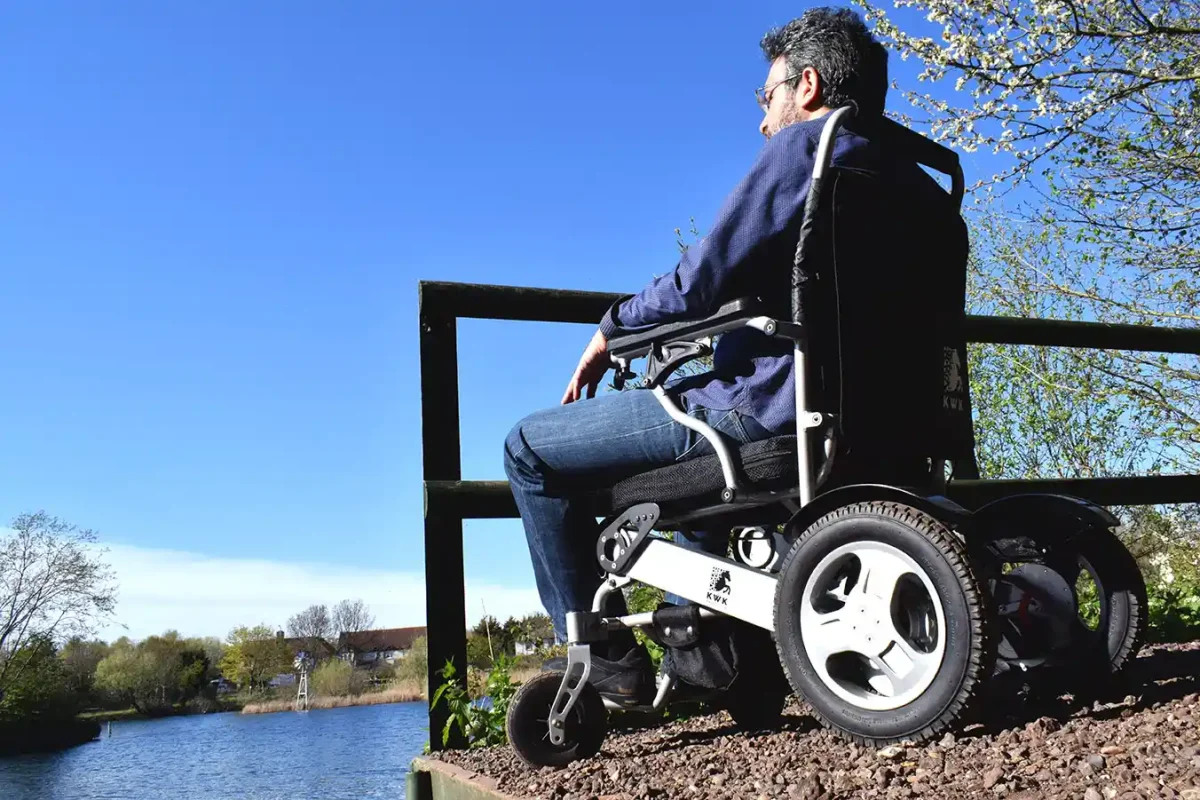
D09 Folding Powerchair

Choosing the right wheelchair in Ireland can make a world of difference to quality of life, independence, and day-to-day mobility. From manual and powered options to highly specialized models for children and athletes, Ireland’s wheelchair market is diverse and designed to meet a wide array of requirements—including those with unique medical needs or lifestyle goals. This guide covers everything you need to know to make an informed decision, with actionable advice and internal links to further resources for deeper learning.

Key Takeaways

  • Manual wheelchairs: Lightweight, versatile, and available in self-propelled or transit designs for different activity levels and environments.

  • Powered wheelchairs: Cater to complex mobility needs, with choices such as folding, tilt-in-space, all-terrain, and standing powerchairs for indoor/outdoor use.

  • Sports wheelchairs: Engineered for speed and agility in athletic competition, supporting a range of adaptive sports for adults and youth.

  • Pediatric wheelchairs: Adjustable, growth-friendly options with fun designs, focused on children’s ergonomics and independence.

  • Specialized & custom wheelchairs: Personalize comfort, positioning, controls, and style for medical and lifestyle needs, with available accessories and bespoke features.


Manual Wheelchairs

Manual wheelchairs are the classic choice for many, combining reliability and control with user-powered mobility. They are especially well-suited for those with sufficient upper body strength or active lifestyles, but also come in attendant-propelled models for carers and families.

Types and Features

  • Self-propelled models: Have large rear wheels with push rims for user-driven movement, ideal for independent living.

  • Transit (attendant) models: Feature smaller rear wheels and are pushed by another person—a practical solution for travel and hospital environments.

  • Folding wheelchairs: Designed for portability—perfect for transport in vehicles, holidays, or storing at home.

  • Lightweight options: Built from aluminum or titanium to facilitate easier handling, lifting, and transfers.

How to Choose

Selecting a manual wheelchair depends on age, physical condition, intended activity levels, and environments (indoor, outdoor, or travel). Always consider adjustable features such as seat width, back height, and presence of customizable accessories (cushions, headrests, ramps, storage bags). For instance, a folding wheelchair with quick-release wheels suits frequent travelers, while rigid-frame sports models are optimized for speed and agility.

Explore more about manual options on the dedicated manual wheelchairs page.


Powered Wheelchairs

Powered wheelchairs (or “powerchairs”) are designed for users who require more comprehensive mobility support due to medical conditions, fatigue, or reduced upper body capacity. They enable autonomous movement indoors and outdoors, often including advanced seating and control systems.

Popular Models and Innovations

Type Key Features
Standard Simple controls, reliable for daily routines
Folding Collapsible for easy transport and storage
Tilt-in-Space Allows users to adjust posture and relieve pressure
All-Terrain Larger wheels, stable platform for outdoor terrain
Standing Enables transfer from seated to upright position
Pediatric Sized for children with playful customizations
 

Benefits

Powerchairs offer:

  • Electric propulsion with rechargeable batteries (typically 8–20 miles per charge, depending on model).

  • Sophisticated controls (joystick, touchpad, or specialty settings for limited dexterity).

  • Enhanced comfort and postural management with tilt/recline functions.

  • Mobility independence for users with progressive or complex health needs.

The right powerchair creates opportunities for users to enjoy community engagement, travel, and autonomous living—discover more at the powerchairs page.


Sports Wheelchairs

Athletic participation is increasingly accessible thanks to the evolution of sports wheelchairs, each designed for maximum performance in specific activities ranging from basketball and tennis to wheelchair racing. These models combine aerospace-grade materials with unique geometry for speed, agility, and durability.

Features

  • Ultra-lightweight frames: Typically constructed from aluminum, titanium, or carbon fiber.

  • Optimized wheels and axles: Smaller, cambered wheels improve turning radius and stability.

  • Custom fit for sport: Adjustable components (seat angles, wheel configuration) designed for each athlete.

Getting Started and Resources

Athletes and enthusiasts can join wheelchair sports clubs or events throughout Ireland to test different models and access expert guidance. For families considering sport involvement for children, pediatric sports wheelchairs are available to support inclusive play.


Pediatric Wheelchairs

Children require mobility solutions that support growth, participation, and fun. Pediatric wheelchairs factor in ergonomic safety, adaptability, and vibrant aesthetics to motivate children to engage with peers and the world around them.

Choosing the Right Pediatric Wheelchair

  • Adjustable frame: Accommodates growth spurts and changing postural needs.

  • Lightweight construction: Enables self-propulsion or easy handling by caregivers.

  • Colorful, playful designs: Helps children embrace their wheelchair as an aid, not a burden.

  • Practically sized: Fits through narrow doors, school corridors, and family vehicles.


Specialized and Custom Wheelchairs

For those with complex needs, specialized and custom wheelchairs offer the best route to comfort and independence. Tailored to individual medical, postural, and lifestyle requirements, these chairs combine advanced support features with bespoke styling.

Feature Description
Adjustable Seating Personalized backrests, cushions, tilt/recline
Lightweight Materials Titanium and carbon construction for handling
Custom Add-ons Ramps, trays, storage, assistive controls
Unique Aesthetics Personalized colors, patterns, accessories
Specialized Controls Switch-activated, sip-and-puff, or voice system
 

Examples and Case Studies

  • Users with spinal injuries or muscular dystrophy may need specialty seating or pressure-relief features.

  • Adaptive controls support individuals with limited hand strength or coordination.


Decision Guide: How to Choose the Right Wheelchair

Selecting a suitable wheelchair is a significant decision impacting daily living, comfort, and freedom. Here’s a step-by-step approach, enhanced for the Irish market:

  1. Assess Mobility & Physical Needs: Consider medical diagnosis, daily activities, posture, and transportability requirements.

  2. Consult Professionals: Book an appointment with occupational therapists or experienced medical suppliers for a personalized assessment; visit showrooms to test different models for fit and comfort.

  3. Consider Environment: Will the chair be used mostly indoors, outdoors, or while traveling?

  4. Prioritize Adjustable Features: Look for adjustable seat widths, back heights, wheel sizes, and accessories.

  5. Budget & Funding: Investigate available grants, insurance, and funding sources to ensure affordability.


Financial Assistance & Funding Options

The cost of a wheelchair can be significant—however, Ireland offers various avenues for financial support:

  • Health Service Executive (HSE): HSE assessment may provide or subsidize wheelchairs, particularly for long-term medical needs.

  • Local charities/networks: Disability charities often offer grants or loan services.

  • Insurance: Speak with your health insurance provider about potential coverage.

  • Rental Services: For short-term needs (rehabilitation, travel), many suppliers offer weekly or monthly rental options.

For more information on support and funding, visit the mobility funding page.


Maintenance & Care Tips

Keeping your wheelchair in optimal condition ensures safety, comfort, and longevity:

  • Regularly inspect tires for wear and inflation.

  • Lubricate moving parts (wheel hubs, footrests).

  • Clean frames, upholstery, and controls to prevent damage.

  • Schedule preventative maintenance at least once a year through local mobility providers.


Frequently Asked Questions (FAQ)

How do I arrange a wheelchair assessment in Ireland?

Contact your GP or occupational therapist for an HSE assessment, or book a consultation with a private mobility provider. Showrooms throughout Ireland offer in-person demos and expert guidance.

Can wheelchairs be delivered or rented nationwide?

Yes. Suppliers offer nationwide delivery and flexible rental programs for both short- and long-term requirements.

What is the warranty and lifespan of wheelchairs?

Most wheelchairs in Ireland carry standard warranties (often 12 months on new chairs) and last 5–10 years, with longevity extended through regular maintenance.

Is professional fitting important?

Absolutely! A professional assessment ensures the wheelchair matches body size, postural needs, and lifestyle for comfort and safety.

What are the advantages of lightweight wheelchairs?

Lightweight models are easier to transport and propel—ideal for travel, frequent outings, and users with limited strength.


Conclusion

Ireland’s wheelchair market offers a diverse array of options, from lightweight manual chairs to state-of-the-art powered models, sports designs, pediatric solutions, and fully customized products for unique needs. Selecting the right wheelchair—supported by professional advice, funding assistance, and ongoing maintenance—will empower independence, comfort, and full participation in everyday life.

Ready to take the next step? Contact a mobility specialist, book your free assessment, or explore the latest innovations in wheelchairs and related mobility solutions on our website. Whether you’re seeking advice, browsing custom options, or securing funding, you’ll find trusted partners and resources ready to help. Discover your perfect wheelchair today and reclaim your freedom—get in touch now!

Categories Stairlifts & Home Lifts

How Do You Handle Common Stairlift Repairs in Ireland?

Straight Reconditioned Stairlifts

Did you know that nearly 30% of stairlift users experience some form of malfunction each year? Stairlifts play a crucial role in maintaining independence and safety within the home, especially for people with limited mobility. That’s why knowing how to identify and handle common stairlift repairs is vital to guarantee continued safety and functionality. Whether it’s unusual noisessluggish movement, or error codes showing on your stairlift display, understanding the signs can help you react swiftly and appropriately. This guide will provide you with detailed tips, examples, troubleshooting techniques, and professional advice to keep your stairlift running smoothly.


Key Takeaways

  • Regularly inspect and maintain your stairlift batteries to avoid sudden breakdowns in Ireland.

  • Promptly address any unusual noises or sluggish movement to prevent safety hazards.

  • Clean stairlift rails and inspect for debris regularly to ensure smooth operation.

  • Use your user manual for understanding error codes and troubleshooting; seek professional help for complex issues.

  • Schedule routine maintenance with professionals for early wear-and-tear detection and longer stairlift longevity.


Understanding Your Stairlift System

To care for your stairlift effectively and prolong its lifespan, it is essential to understand its basic components and system functionality. Most stairlifts consist of:

  • The Chair: Where the user sits, which often includes safety features like seatbelts and swivel seats.

  • The Rail: Mounted along the staircase, guiding the stairlift up and down.

  • The Motor: Powers the stairlift along the rail, typically battery-operated.

  • The Control System: Includes buttons, joysticks, or remote controls to operate the stairlift.

Knowing how each part works empowers you to spot potential problems early. For example, if the chair makes a grinding noise or hesitates while moving, it likely points to motor or track issues. Regularly checking the battery status also ensures your lift functions, even during power outages.

You can read more about different types of stairlifts available in Ireland to better understand which model you have and any specific maintenance needs it may entail.


Common Signs of Stairlift Malfunctions

Recognising early symptoms of stairlift problems can save you from costly repairs and reduce safety risks. Watch out for these signs:

  1. Unusual Noises: Grinding, squeaking, or clicking sounds often signal mechanical or motor issues.

  2. Sluggish Movement: If the stairlift moves slowly, hesitates, or jerks, it may indicate battery failure or track obstruction.

  3. Inconsistent Stops: Smooth stops at landings are essential for safety; jerky or inconsistent stopping can indicate sensor or brake problems.

  4. Error Codes: Modern stairlifts display fault codes or indicator lights that can guide troubleshooting.


Checking the Power Supply

Many common stairlift malfunctions stem from power supply issues, so this should be your first troubleshooting step.

  • Ensure the Unit is Plugged In Properly: Sometimes, the problem may be as simple as a loose power connection.

  • Check Circuit Breakers: A tripped breaker can interrupt power; reset it if needed.

  • Battery Backup Health: Stairlifts usually run on rechargeable batteries to operate during outages. Check that the battery is charging fully and replace it every 2-3 years to avoid performance issues.

  • Listen for Unusual Startup Noises: Strange sounds on power-up might indicate electrical or motor faults.


Inspecting the Rail for Obstructions

The rail is the pathway your stairlift follows, so any debris or misalignment can cause serious issues. Regular inspection helps prevent sudden stops or jerky rides.

How to inspect:

  • Visual Check: Remove any dust, toys, shoes, or dirt from the rail.

  • Tighten Loose Fittings: Loose bolts or screws along the rail should be tightened to prevent instability.

  • Clean the Rail: Use a soft cloth with mild detergent to clean the surface. Avoid heavy oils; use manufacturer-approved lubricants.

  • Manual Testing: Gently slide the chair along the rail to detect resistance or rough patches.


Troubleshooting Seat and Safety Belt Issues

A securely attached seat and a functioning safety belt are paramount for user safety. Here’s how to check:

  • Seat Attachment: Ensure the seat is tightly bolted and doesn’t wobble. If you notice cracks or excessive wear, replacement might be needed.

  • Safety Belt Condition: Look for frays, tears, or stiffness; the belt should retract smoothly and lock securely. Any malfunction requires immediate repair or replacement.

  • Professional Help: For seat or belt repairs, consulting a qualified technician ensures components meet safety standards.

Discover more about your stairlift’s safety features and how they protect you.


Addressing Speed and Stopping Problems

Stairlifts need to operate at a consistent and safe speed with reliable stopping mechanisms.

Key checkpoint list:

  1. Battery Condition: A weak or aged battery can cause slow or jerky movement.

  2. Track Inspection: Debris or damage can hinder movement and stopping accuracy.

  3. Adjust Speed Settings: Many stairlifts allow speed adjustments; check your user manual for instructions.

  4. Brake Testing: Confirm brakes engage properly and smoothly to avoid sudden halts or uncontrolled descents.

If these simple checks don’t resolve the issues, professional servicing is recommended for brake or motor repairs.


Handling Error Codes and Indicators

Modern stairlifts feature error codes and indicator lights to alert users of specific problems.

Common Error Codes in Ireland

Here are some frequently encountered codes and their meanings:

  • E01: Power supply issue — check plug and battery.

  • E02: Obstruction detected on track — clear all debris.

  • E03: Battery fault — consider battery replacement.

  • E04: Seatbelt problem — check that belt is fastened and operational.

Refer to your manual for codes specific to your model. Many stairlift providers offer online resources explaining these codes.

Indicator Light Meanings

  • Green Light (Steady): Normal operation.

  • Red Light: Immediate attention needed; stop use until resolved.

  • Flashing Yellow: Standby mode or low battery warning.

Troubleshooting Steps

  • Check power and battery charge.

  • Clear track obstructions.

  • Reset system by turning off/on.

  • Contact technician if problem persists.


Maintenance Tips for Longevity

Regular maintenance not only extends your stairlift’s life but also ensures optimum safety and reliability.

Regular Lubrication Schedule

Lubrication reduces friction and wear on mechanical parts.

  • Monthly Inspection: Look for rough movement or squeaking sounds.

  • Use Recommended Lubricant: Avoid heavy oils that attract dust; use manufacturer-approved products.

  • Apply Evenly: Lubricate rails and moving joints with care.

  • Wipe Excess: Prevent buildup that may trap dirt.

Inspect Safety Features

Routine checks on safety components include:

  • Seatbelts: Test locking mechanism and retraction.

  • Safety Sensors: Test by placing small objects on the track to ensure automatic stops.

  • Armrests and Footrests: Check for wear or loose parts.

  • Emergency Stop Button: Ensure it’s easily reachable and responsive.

Check Battery Health

Batteries are lifelines for your stairlift:

  • Inspect charging terminals for corrosion.

  • Always park the stairlift on its charging station after use.

  • Replace batteries every 2-3 years or if performance declines.

  • Perform regular test runs to ensure consistent speed and responsiveness.


When to Call a Professional Technician

Certain issues require expert intervention to avoid safety risks or further damage:

  • Unusual or loud noises from motors or gears.

  • Persistent error codes after basic troubleshooting.

  • Inconsistent speed or sudden stops.

  • Electrical faults or visible damage.

  • Any doubts about repair procedures.

Hiring a certified technician ensures repairs meet Irish safety standards and that your warranty remains valid. Many companies offer fast response and nationwide coverage; for example, BM Stairlifts offers service within 24 hours across Ireland.


DIY Repairs: What You Can Do

For small, non-technical repairs, many users can safely perform these tasks:

  1. Battery Check: Ensure batteries are charged and in good condition.

  2. Clean Tracks: Remove dust and debris with a soft cloth regularly.

  3. Inspect Seatbelt: Look for fraying and test locking mechanism.

  4. Tighten Screws: Periodically tighten loose bolts or screws to prevent wobbling.

Avoid complex repairs involving electrical or motor components, as these require professional tools and training.


The Importance of Regular Inspections

Scheduling periodic inspections, ideally yearly, helps detect early wear and prevent breakdowns. Think of it as essential care for your stairlift, just like vehicle servicing. Inspections monitor battery health, safety features, and mechanical integrity. Keeping your stairlift in top condition provides peace of mind for you and your family.


Preparing for Emergency Situations

Being prepared for unexpected stairlift failures can enhance safety and reduce stress.

Steps to prepare:

  • Familiarize Yourself with the Manual: Know basic troubleshooting and emergency procedures.

  • Establish Backup Plans: Arrange assistance from family, friends, or caregivers if the stairlift fails.

  • Keep Emergency Contact List: Include your stairlift provider and local technicians.

  • Regular Battery Checks: Ensure batteries are charged to avoid power loss during use.

Preparedness fosters confidence living independently in your home.


Frequently Asked Questions

How Much Do Common Stairlift Repairs Typically Cost in Ireland?

Common repairs range from €100 to €300 depending on the issue’s complexity. Always get a clear, fixed quote from reputable technicians to avoid surprise charges.

Are Stairlift Repairs Covered by Insurance?

Coverage varies by policy. Review your insurance details or contact your insurer directly. Many people find stairlift insurance details confusing; experts can guide you.

How Long Do Stairlift Repairs Usually Take?

Most repairs take 1 to 2 hours. Complex parts replacement or battery swaps may take longer but typically are completed the same day.

Can I Perform Repairs on My Stairlift Without Voiding the Warranty?

Most warranties require professional servicing to remain valid. DIY repairs can risk voiding warranty or causing unforeseen damage.

What Should I Do If My Stairlift Stops Working Unexpectedly?

First, check power supply and batteries. If unresolved, contact your stairlift provider promptly for support.


Conclusion

In Ireland, over 50% of stairlift users experience some form of malfunction each year. Staying proactive with regular inspections, maintenance, and knowing how to handle common repairs means your stairlift will remain safe, reliable, and efficient for years to come. Remember, always prioritize your safety by involving professional technicians for complex issues or if unsure. With proper care, your stairlift will give you peace of mind and the confidence to navigate your home independently and securely.

Take the next step today: contact Irish Stairlifts for a professional service consultation or to schedule your stairlift maintenance. Our expert team is here to keep you moving safely and comfortably. Visit our contact page or request a free repair quote online.

Categories Stairlifts & Home Lifts

Are Stair Lifts Worth It?

woman lowers the seat for straight stairlift rental

If mobility challenges are impacting daily life, investing in a stair lift can be a transformative decision. Stair lifts not only promote independence and safety but also enhance overall quality of life. While the upfront costs may seem significant, understanding the long-term advantages and available support options can help clarify whether a stair lift is worth it for your unique circumstances.

This comprehensive guide explores the benefits, costs, safety features, alternatives, financing options, and real user experiences to help you make an informed decision about installing a stair lift in your home.


Key Takeaways

  • Stair lifts provide a safe and reliable way to navigate stairs, significantly reducing the risk of falls.

  • They promote mobility and independence for seniors and people with disabilities.

  • Installing a stair lift can increase the value of your home by adding accessibility.

  • Important safety features like seat belts, obstruction sensors, and emergency stops ensure peace of mind.

  • Various financial assistance programs and grants can reduce the out-of-pocket cost.

  • Alternatives like ramps, home elevators, and grab rails may also suit specific needs.

  • A stair lift is a practical solution for addressing present and future mobility challenges within multi-level homes.


Understanding Stair Lifts: How They Work

A stair lift is a motorized chair attached to a rail mounted along the staircase, allowing users to sit and be transported up or down stairs smoothly and safely. The chair typically includes a comfortable seat, armrests, and footrest, designed for ergonomic support.

Operation is simple—most models feature easy-to-use buttons, remote controls, or joysticks to start and stop movement. The chair glides quietly along the track, ensuring minimal disruption in the home.

Modern stair lifts incorporate a range of advanced safety features, including:

  • Seat belts to keep users securely seated.

  • Obstacle detection sensors that stop the lift if anything blocks the path.

  • Emergency stop buttons to immediately halt the device.

  • Swivel seats that lock in place for safe boarding and exiting.

Some models are designed for indoor use on straight or curved staircases, while outdoor versions are weather-resistant for exterior steps. Understanding these functions helps users feel confident about maintaining independence and continuing to access all levels of their home comfortably.


Benefits of Installing a Stair Lift

Enhanced Mobility and Independence

Stair lifts empower users to move freely between floors without assistance or risk. This is especially vital for those with conditions like arthritis, joint pain, balance issues, or recovering injuries. Regaining mobility enables individuals to carry out daily activities more easily, participate in family events across the home, and avoid isolation.

Safety and Fall Prevention

Falls on stairs are a leading cause of injuries among older adults. Stair lifts remove the need to climb or descend stairs manually, drastically lowering the risk of slip-and-fall accidents. The safety mechanisms embedded in these lifts further enhance security for users and peace of mind for families and caregivers.

Cost-Effective Alternative to Moving or Renovating

Stair lifts often provide a more affordable solution compared to relocating to a single-story home or undertaking expensive structural modifications like installing home elevators or additional downstairs bedrooms. Installation typically requires minimal changes to the staircase, meaning less disruption and quicker setup.

Increases Home Value and Accessibility

Homes equipped with accessibility features such as stair lifts attract a broader range of buyers, including seniors and people with disabilities. This feature can be a selling point that differentiates a property in the market, potentially increasing its value and appeal.

Comfort and Convenience

Modern stair lifts are designed for user comfort, with padded seats, adjustable armrests, and smooth acceleration and braking systems. They allow effortless transport of items like groceries or laundry between floors, making everyday tasks more manageable.

Support for Aging in Place

One of the most significant advantages is the ability to age in place. Many seniors prefer to stay in their own homes as long as possible, and a stair lift supports this by overcoming mobility barriers within multi-level homes. This maintains users’ independence and connection to their community and belongings.


Safety Features to Look For

When selecting a stair lift, prioritizing safety features is crucial for both the user and their family. Some essential features to seek include:

Obstacle Sensors

These sensors detect when something is blocking the stairway—whether it’s furniture, pets, or objects—and automatically stop the lift to prevent accidents.

Seat Belts

A robust seat belt keeps the rider securely seated throughout the journey, eliminating risks of slipping or falling off during operation. In many models, the lift won’t operate unless the seat belt is fastened.

Emergency Stop Button

This manual control allows the user to quickly halt the stair lift in case of emergencies or discomfort.

Swivel Seat with Locking Mechanism

The seat swivels to assist safe entry and exit, but locks securely in place during transit to prevent accidental movement.

Footrest Sensors

Some stair lifts have sensors on the footrest that stop the lift if feet slip off or there’s any obstruction, preventing pinch points or falls.

Overspeed Governor

This internal safety device stops the lift if it starts moving faster than safe operating speeds.

Battery Backup

Many stair lifts include battery backup systems, so the lift remains operational during power outages, ensuring continuous mobility.

Understanding these features and verifying their inclusion with the manufacturer or installer ensures enhanced safety and user confidence.


Cost Considerations: Installation and Maintenance

Installation Expenses Overview

The cost of installing a stair lift varies depending on the type of staircase, model chosen, and any modifications needed.

  • Straight Stair Lifts: These are the more affordable option, typically costing between €1,900 and €5,000 in Ireland. Installation is generally straightforward and quick.

  • Curved Stair Lifts: Custom-built for staircases with bends, turns, or landings, these can cost from €5,000 up to €10,000 or more due to their bespoke design and complexity.

Additional costs might come from:

  • Professional installation labor fees—usually €300 to €1,500 depending on the complexity.

  • Structural modifications needed for narrow stairs or unusual configurations, such as adding support brackets or electrical wiring.

  • Value-Added Tax (VAT) may apply but is often reclaimable on medically necessary equipment in some regions.

Obtaining a free detailed quote from reputable Irish stair lift installers can clarify these expenses and help compare options.

Ongoing Maintenance Costs

Long-term upkeep is essential for safety and smooth function. Budget for:

  • Annual inspections and servicing, which typically cost €100 to €300.

  • Replacement parts like batteries, belts, or sensors as the stair lift ages.

  • Warranty and maintenance plans offered by some companies providing scheduled checks and repairs for a fixed fee.

Regular maintenance prevents sudden breakdowns and extends the lifespan of the stair lift, protecting your investment.

Financial Assistance Options in Ireland

Thankfully, several grants and funding sources can reduce financial barriers:

  • Mobility Aids Grant Scheme: A means-tested scheme providing up to €6,000 for mobility-related home modifications, including stair lifts, based on household income.

  • Medicare and Medicaid equivalents in Ireland: May support medically necessary equipment prescriptions depending on eligibility.

  • Local authority grants: Various community programs offer financial help for seniors or individuals with disabilities.

  • Nonprofit organizations: Some charities and nonprofits provide grants or loans specifically for home accessibility modifications to qualifying applicants.

Consulting with stair lift providers or local health services can offer guidance on applying for these funds and maximizing available support.


Assessing Your Home’s Layout

Proper planning is critical before installation. Evaluate your staircase by measuring:

  • Staircase width and length: Ensures enough space for the stair lift track and safe clearance for other stair users.

  • Number of steps and shape: Straight, curved, or spiral staircases require different models.

  • Obstacles and landings: Identify furniture, doorways, or architectural features that may affect track placement.

Consider how the stair lift design complements your home’s aesthetics. Many manufacturers offer a range of finishes and styles that integrate neatly without disrupting interior decor.

If unsure, professional home assessments are often provided by stair lift companies as part of their free consultation.


Alternatives to Stair Lifts

While stair lifts provide a practical solution for many, alternatives might better suit some lifestyles or home situations:

  • Ramps A more straightforward solution for single-level elevation changes or wheelchair accessibility; however, ramps require space and may not fit multi-story homes easily.

  • Home Elevators Compact residential elevators deliver smooth, wheelchair-friendly access but come with higher installation costs and more extensive renovation requirements.

  • Grab Bars and Handrails Strategically installed supports can improve stair safety without mechanical assistance, useful for individuals with mild mobility challenges.

  • Chair Lifts with Powered Platforms Some newer models include platforms capable of transporting wheelchairs directly, enhancing accessibility for non-ambulatory users.

Exploring these options alongside a stair lift consultation ensures the solution fits your needs, home layout, and budget. For those seeking a more affordable or short-term option, Irish Stairlifts offers reconditioned straight and curved stairlifts, as well as straight stairlift rental, providing flexibility without compromising on safety or comfort.


Evaluating Your Needs and Lifestyle

Choosing a mobility aid involves thoughtful reflection on your daily life:

  • How often do you need to use stairs, and how physically demanding is it?

  • Are there concerns about balance, pain, or fatigue during stair navigation?

  • How many floors must you access regularly?

  • Will your mobility change over time, requiring adaptable solutions?

  • What support or involvement do caregivers or family members offer?

Determining your priorities and discussing them with professionals and loved ones ensures the stair lift solution enhances your lifestyle effectively, promoting safety and independence.


User Experiences and Testimonials

Real-life feedback from stair lift users underscores their impact:

  • Users often express increased confidence and reduced anxiety around stairs, improving overall quality of life.

  • Many appreciate the convenience of safely transporting items like laundry and groceries between floors.

  • The quiet operation and smooth rides are frequently praised for comfort and minimal home disruption.

  • Families report relief knowing loved ones have safer access, reducing caregiver stress.

Examples include:

  • “The stair lift has given me back my independence to move between floors safely.”

  • “Installation was quick and professional, and now I can access my entire home again.”

  • “It’s made daily life easier and helped me avoid moving to a single-story home.”

These testimonials demonstrate how stair lifts can be life-changing investments.


Financial Assistance and Funding Options (Expanded)

It’s important for potential buyers in Ireland to understand the funding landscape in more detail:

Funding Source Description Eligibility Criteria
Mobility Aids Grant Scheme Covers access aids including stair lifts Means-tested, gross annual income below €30,000
Local Authority Grants Varies by locality, supports home modifications Owner-occupiers, tenants, or communal residence occupants
Nonprofit Organizations Grants or low-interest loans for home access Usually income-based or need-assessed
Medical Insurance Programs Partial coverage for prescribed medical needs Depends on medical necessity and policy
 

Applying for grants often requires documentation such as tax references, income proof, and estimates from suppliers. Assistance is available from local councils or stair lift providers to navigate this process smoothly.


Making the Final Decision: Is It Right for You?

To decide, weigh these factors:

  • Your current safety risks and how stairs affect your daily life.

  • The layout of your home — does the staircase suit a stair lift installation?

  • Your future mobility needs — will a stair lift accommodate changes over time?

Trust your instincts after gathering information and consulting with professionals. The right stair lift can profoundly enhance home comfort and independence.


Frequently Asked Questions

How Long Does Installation Take?

Most stair lifts can be installed within 2 to 4 hours, causing minimal disruption to daily routines.

Can Stair Lifts Be Used Outdoors?

Yes, with specialized outdoor models that resist weather elements, stair lifts can safely serve exterior stairs.

What Is the Weight Limit?

Stair lifts typically support between 300 to 600 pounds, but always verify model specifications to suit individual needs.

Are Stair Lifts Noisy?

Modern stair lifts operate quietly, often emitting only a soft hum during use to maintain a peaceful home environment.

How Often Should Stair Lifts Be Serviced?

Annual servicing ensures safe, smooth operation and extends the life of the equipment.


Conclusion

Investing in a stair lift is a commitment to safety, mobility, and independence—an investment that pays dividends in quality of life every day. By overcoming the barrier of stairs, stair lifts allow you to fully enjoy your living space, stay connected with loved ones, and create lasting memories without the fear of risky stair navigation.

Considering your home’s layout, lifestyle, and future needs, along with exploring financial aid options, can help make stair lifts not only practical but a cost-effective, valuable addition to your home.

Take the next step today—contact a trusted stair lift specialist to schedule a home assessment or request a free quote. Regain your freedom to move safely and comfortably throughout your home!


For further reading on related topics such as home accessibility solutionsmobility aids, or to explore specific stair lift models, visit Irish Stairlifts’ expert resource pages. Empower your home with the right accessibility solutions designed just for you.

Categories Stairlifts & Home Lifts

How Much Does a Stair Lift Cost in Ireland?

Homeglide Straight Stairlift Dublin

If mobility challenges make navigating stairs difficult, installing a stair lift can be a transformative solution. For those in Ireland considering this option, understanding the costs involved, types available, installation expenses, and additional features is essential to make an informed decision. Prices can range widely depending on the model, staircase complexity, and desired upgrades. This comprehensive guide breaks down the key factors affecting stair lift costs while providing insights on financial aid and maintenance to help you plan your purchase with confidence.


Key Takeaways

  • Straight stair lifts in Ireland typically cost between €2,500 and €5,000, while curved lifts range from €5,000 to €10,000.

  • Installation fees vary based on staircase complexity, generally ranging from €500 to €2,000.

  • Additional features like powered swivel seatssafety sensors, and remote controls can increase the overall price.

  • Financial assistance options such as local council grants and HSE funding may offset costs for eligible individuals.

  • Comparing providers is essential, as different companies offer various weight capacities, safety features, and warranty plans that affect overall value and user comfort.

For more detailed information on types of stair lifts, consider visiting Irish Stairlifts’ types of stair lifts page to explore the options tailored to your home.


Factors Influencing Stair Lift Prices

When considering a stair lift, several factors influence the final cost:

Staircase Type and Complexity

One of the primary cost determinants is whether your staircase is straight or curved. Straight stair lifts operate on a single, linear rail attached to the stairs, making them more affordable due to easier installation and simpler mechanics. Curved stair lifts require custom-made rails to accommodate bends, landings, or turns, significantly increasing both product and installation costs due to the bespoke engineering involved.

Staircase Length and Layout

Longer staircases require more material for rails and may need stronger motors to cover the distance smoothly, increasing prices. Similarly, stairs with unusual layouts, narrow widths, or steep gradients may need specialized designs or modifications, further impacting costs.

Additional Features and Safety Enhancements

Modern stair lifts come with a variety of upgrades and safety options, including but not limited to:

  • Powered swivel seats that rotate automatically for safe mounting and dismounting.

  • Safety sensors that detect obstructions and automatically stop the lift.

  • Remote controls for convenient operation from different floors.

  • Foldable rails and seats to save space when not in use.

Purchasing these features will improve usability and security but also add to the overall price.

Installation Fees

Installation costs vary based on the staircase and home setup, ranging from €500 to €2,000. Complex curved stair lifts generally incur higher installation fees than straight ones due to longer fitting times and custom rail fabrication.

Warranty and Maintenance Plans

Investing in an extended warranty or maintenance plan provides peace of mind and helps avoid costly repairs later. These plans vary in price but are often worthwhile for long-term reliability.

More on installation and maintenance can be found on Irish Stairlifts’ installation services and maintenance pages.


Types of Stair Lifts and Their Costs

Understanding the distinct types of stair lifts available will help tailor the right solution for your home.

Straight Stair Lifts

These are the simplest and most affordable types, designed for staircases without bends or obstacles. Their straight rails make installation quicker and cost-effective. Prices typically range from €2,500 to €5,000.

Straight stair lifts are a popular choice due to their reliability and ease of use. Models like the Access BDD HomeGlide or Bruno Elite are highly recommended for their quality and proven performance.

Curved Stair Lifts

For staircases with bends, turns, or intermediate landings, curved stair lifts are custom-fabricated to precisely match the staircase shape. This complexity adds to the cost and installation time, with prices generally between €5,000 and €10,000.

Popular curved stair lift options, such as the Ergo Curved Stairlift, provide enhanced comfort features and adjustable components to suit diverse needs.

Outdoor Stair Lifts

Designed to withstand the elements, outdoor stair lifts are weatherproof and durable. These models, suited for steps leading to entrances or gardens, usually cost between €3,500 and €7,500.

Outdoor lifts feature UV-resistant coatings and waterproof covers to ensure longevity and safety.

For a complete product overview, including new and reconditioned straight and curved stairlifts, as well as rental options, visit Irish Stairlifts.


Installation Costs Associated With Stair Lifts

Knowing what to expect for installation can help plan your budget effectively.

Type of Installation Estimated Cost
Straight Stair Lift €500 – €1,000
Curved Stair Lift €1,500 – €2,000
Additional Wiring €100 – €300
Modifications Required €200 – €800
Removal of Old Lift €300 – €600
 

Installation involves securely fixing rails, testing operation, and ensuring safety compliance. Complex installations or homes needing adjustments to stairs, power supply, or removal of older lifts generally increase costs.

For a tailored quote and expert installation, check Irish Stairlifts’ installation service details here.


Additional Features and Upgrades

Beyond basic functionality, stair lifts offer a range of features to enhance ease of use, safety, and comfort.

Common Upgrade Options

  • Powered Swivel Seat: Automatically rotates at the top or bottom of stairs to help get on/off safely.

  • Foldable Rail: Saves space on stairs where movement or doorways might be restricted.

  • Remote Control: Allows users or family members to call or send the lift remotely.

  • Upgraded Upholstery: Offers more comfort and aesthetic appeal.

  • Safety Sensors and Seat Belts: Ensure safe operation and prevent accidents.

Adding these features improves the user experience but will increase upfront costs.

Customization for Needs

Tailoring a stair lift to personal requirements maximizes safety and comfort:

Feature Description Benefit
Swivel Seat Rotates for easier dismounting Enhances safety and convenience
Adjustable Footrest Can be raised or lowered Provides a secure ergonomic fit
Remote Control Operates lift remotely Increases ease of use
 

Customization ensures the stair lift meets individual mobility needs precisely.

Warranty and Maintenance Plans

Purchasing a warranty and maintenance plan is a wise investment:

  • Most manufacturers offer 1-5 years warranty covering parts and labor.

  • Maintenance plans include regular servicing, lubrication, safety checks, and emergency call-out support.

  • Regular maintenance prevents breakdowns, extends lifespan, and lowers lifetime costs.

Irish Stairlifts explains the benefits of servicing and lubricating stair lifts here.


Maintenance and Operating Costs

Understanding ongoing costs helps prepare a full budget.

  • Annual maintenance typically costs between €100 and €200 to ensure safe and smooth operation.

  • Operating costs are low; stair lifts consume minimal electricity, usually adding only €5 to €10 per month to energy bills.

  • Repair costs can vary significantly depending on brand, age, and service plans; comprehensive maintenance reduces surprise expenses.


Financial Assistance and Grants Available

Many in Ireland find financial assistance programs that can significantly reduce stair lift expenses.

  • Local Council Grants: Most local councils offer grants such as the Housing Adaptation Grant and Mobility Aids Grant to support home modifications. These grants often cover part of the stair lift cost and installation.

  • HSE Funding: The Health Service Executive may provide funding for those with qualifying medical conditions.

  • Charities and Nonprofits: Some organisations offer additional aid for mobility equipment purchases.

For detailed guidance, Irish Stairlifts suggests contacting your local council or visiting their financing options page.


Comparing Different Stair Lift Providers

Choosing the right provider ensures value, safety, and quality.

Key Provider Overview

Provider Warranty Customer Support
Acorn 12 months 24/7 availability
Stannah 2 years Personalized assistance
Handicare 5 years Dedicated hotline
 

Pricing Comparison

Basic straight lifts often start around €2,000, while advanced curved models can exceed €6,000. Look out for additional costs such as extended warranties, maintenance plans, and installation fees.

Features and Options Comparison

Feature Provider A Provider B
Weight Capacity Up to 300 lbs Up to 350 lbs
Seat Options Standard, Padded Standard, Heated
Safety Features Seatbelt, Sensors Seatbelt, Sensors, Remote
 

Evaluate providers based on which safety and comfort features matter most to you. Contact us for expert advise.


Frequently Asked Questions

How Long Does a Stair Lift Installation Typically Take?

A straight stair lift installation usually takes about 4 to 6 hours. Curved lift installations may take longer due to customization and fitting requirements.

Can I Rent a Stair Lift Instead of Buying One?

Yes, stair lift rental is available in Ireland, ideal for temporary or short-term mobility needs such as injury recovery. Rental plans include installation, maintenance, and removal, often with initial free periods. Visit Irish Stairlifts’ rental options to learn more.

What Is the Average Lifespan of a Stair Lift?

With proper maintenance, stair lifts typically last 7 to 10 years. Regular servicing extends their operational lifespan and reliability.

Are Stair Lifts Covered by Health Insurance in Ireland?

Standard health insurance plans usually do not cover stair lifts. However, grants and charitable assistance are available to help with funding.

Do Stair Lifts Work on Curved Staircases?

Yes, specially designed curved stair lifts precisely match staircases with bends or landings, providing safe, accessible mobility throughout homes with complex stair layouts.


Conclusion

Investing in a stair lift in Ireland is a valuable decision that can dramatically improve home mobility and safety. While prices vary—from approximately €2,500 for straight lifts up to €10,000 for custom curved lifts—considering installation costs, features, and financing options ensures the best outcome.

Imagine John and Mary, who found a straight stair lift for €3,500 that perfectly met their needs. This lift enabled Mary to access their upstairs bedroom independently and safely every day, greatly enhancing their quality of life. By exploring the available financial aid and warranties, they secured an excellent solution without undue financial strain.

If stairs present a daily obstacle, take the next step today—contact Irish Stairlifts for a free consultation and personalized quote. Their expert team will help you navigate the options, financing, and installation process, ensuring you regain independence and peace of mind in your home.


For a comprehensive selection and expert advice, visit Irish Stairlifts at irishstairlifts.ie and discover how a stair lift can change your life for the better. Request a free quote or schedule a home assessment now to start your journey toward safer, more comfortable living.

Categories Grants & Funding

What Local Council Grants Are Available for Stairlifts?

Platinum Horizon Straight Stairlift

If you are considering the installation of a stairlift in Ireland, knowing about the available local council grants can significantly reduce the financial burden involved. Stairlifts are a vital mobility aid that helps individuals, especially older adults and people with disabilities, maintain independence and safety in their own homes.

In Ireland, there are a variety of grants offered by local authorities, health services, and community initiatives, each tailored to different circumstances such as income level, disability status, or age. Navigating these funding options and understanding the application process can feel overwhelming without the right guidance. This comprehensive guide will walk you through the key grants available, eligibility criteria, the step-by-step application process, challenges you might face, and useful resources to help you secure financial support for your stairlift installation.

Key Takeaways

  • Local Authority Grants primarily assist low-income households with stairlift installation costs to improve home mobility.

  • HSE Disability Grants provide financial aid for individuals with disabilities needing mobility support.

  • Housing Adaptation Grants fund essential home modifications including stairlifts.

  • Community Support Grants sometimes supplement other funding with local initiatives.

  • Age-Friendly Grants aim to help older people remain independent by funding mobility aids like stairlifts.

  • The application process requires gathering specific documentation, meeting eligibility criteria, and working closely with local authorities.

  • Being aware of potential challenges and knowing where to find additional support can make the application journey smoother.

Understanding Stairlifts and Their Benefits

When it comes to improving mobility at home, a stairlift is a practical, convenient, and safe solution that can dramatically enhance your quality of life. Stairlifts provide a means to move between floors without the risks associated with climbing stairs, reducing falls and helping prevent injuries.

Practical Advantages of Stairlifts

Imagine being able to glide smoothly up and down your staircase without strain or fear. Stairlifts are designed to fit most types of staircases — from straight flights to curved or spiral stairs — meaning almost any home can be adapted to meet your needs.

Operated with simple controls, stairlifts allow users to ascend or descend stairs effortlessly by simply sitting on the motorized chair. This ease of use not only promotes independence but also offers peace of mind to both users and their families.

Besides safety and comfort, stairlifts also help individuals stay in their own homes longer rather than having to move into assisted living facilities. This can have significant emotional, social, and financial benefits. They preserve a sense of dignity, familiarity, and connection with one’s environment.

If you’re exploring options, Irish Stairlifts offers reconditioned straight and curved stairlifts, as well as straight stairlift rentals — providing affordable, high-quality solutions for every home layout and budget.

Psychological and Emotional Benefits

Independence is a fundamental human desire, and mobility challenges often reduce confidence and cause feelings of isolation. Installing a stairlift can improve mental well-being by empowering individuals to move freely within their home, maintain daily routines, and participate fully in family life.

By enabling continuous access to all levels of the home, stairlifts foster a sense of belonging and promote social interaction—critical factors for healthy aging and quality of life.

Overview of Local Council Grants in Ireland

Local councils in Ireland recognize the importance of mobility and accessibility aids and therefore offer several forms of financial support aimed at helping people access stairlifts and other home modifications.

Types of Grants

These grants typically fall into two broad categories:

  • Means-Tested Grants: These grants assess your financial situation to determine the level of assistance you qualify for. They are targeted at people with lower income bands to ensure fair support.

  • Non Means-Tested Grants: Available to individuals regardless of income, these grants focus more on need related to disability or age.

Popular Grant Schemes

  • Mobility Aids Grant: Provides up to €6,000 to cover simple mobility aids like stairlifts for straight staircases, grab rails, or access ramps. It is means-tested.

  • Housing Adaptation Grant for People with a Disability: Offers funding up to €30,000 for more complex modifications including stairlifts on curved or multi-landing stairs. This grant is means-tested but covers a broader range of adaptations.

  • Age-Friendly Grants: Directed at older adults to help with mobility challenges and maintaining independence in their home.

  • Community-Based Grants: Some local community groups and charities also offer supplementary financial help or discounted stairlifts.

Who Administers These Grants?

Typically, local authorities administer these grants through housing or environmental health departments. The HSE (Health Service Executive) also plays a role by providing disability-related grants.

Eligibility Criteria for Grant Applications

Knowing if you qualify for a grant is one of the first important steps. The eligibility criteria often include assessments of income, age, disability status, and the suitability of your home for modifications.

Income Assessment Guidelines

Most stairlift grant schemes incorporate means testing, which involves evaluating the gross annual income of all adults living in the household. Here’s how income assessments usually work:

  • Applicants must declare their total household income, including pensions, social welfare payments, employment earnings, and other sources.

  • Income thresholds vary by grant type but generally aim to prioritize assistance for low to moderate-income applicants.

  • Documentation such as tax returns, payslips, or social welfare statements will be required to verify income.

  • If you receive certain benefits, such as Jobseeker’s Allowance or Disability Allowance, you may qualify for full funding.

Age and Disability Criteria

Age and disability are also significant factors in qualifying for stairlift grants.

Age Requirement Disability Status Application Notes
65 years or older Permanent disability Medical proof required
Under 65 Mobility impairments Professional evaluations needed
All ages Chronic illness Documentation/Medical evidence
 

Typically, people aged 65+ or those with a recognized permanent disability that affects mobility have easier access to grants. However, younger applicants with mobility issues or chronic illnesses may also qualify with proper assessments.

Types of Grants Available for Stairlifts

Here is a detailed look at the main grants available in Ireland to cover stairlift costs:

Local Authority Grants

Provided by your county or city council, these grants offer financial help based on income means-testing and medical need. They often cover both straight and curved stairlifts, but the extent of funding depends on local budgets.

HSE Disability Grants

The Health Service Executive offers grants to disabled individuals to modify their homes for accessibility, including stairlift installation. Eligibility requires proof of disability and a demonstrated need for the modification.

Housing Adaptation Grants

These grants cover essential works to make your home accessible, extending beyond stairlifts to ramps, widened doorways, and accessible bathrooms. The grant amounts can reach up to €30,000 depending on the scope of work.

Community Support Grants

In some areas, local charities or community organizations provide additional funding or subsidized stairlift installations. These are often aimed at vulnerable or low-income individuals who may not qualify for other schemes.

Age-Friendly Grants

Focused on older adults, these grants aim to fund aids that support aging in place, including stairlifts, handrails, and walk-in showers.

How to Apply for Local Council Grants

Applying for stairlift grants can be straightforward once equipped with the right information and documentation.

Step-by-Step Application Guide

  1. Contact Your Local Council: Reach out to your housing or environmental health office to find out which grants are available and request application forms.

  2. Check Eligibility: Verify your income level, disability status, and home suitability.

  3. Arrange a Home Assessment: The council or occupational therapist may visit your home to assess requirements and feasibility.

  4. Gather Documents: Prepare proof of income, medical certificates, quotes from stairlift suppliers, identification, and any additional required paperwork.

  5. Complete the Application: Fill out forms carefully, providing accurate and detailed information.

  6. Submit and Follow Up: Return the application and keep a copy. Follow up with the council regularly for updates.

  7. Approval and Installation: Once approved, proceed with purchasing and fitting the stairlift according to the grant conditions.

Tips for a Successful Application

  • Apply before ordering or installing the stairlift to avoid ineligible expenses.

  • Involve an occupational therapist for professional assessments to strengthen your application.

  • Ensure all financial documentation is up-to-date and accurate.

  • Keep copies of all correspondence and paperwork for your records.

Documentation Required for Grant Applications

Successful grant applications require thorough documentation, typically including:

  • Recent proof of income (payslips, social welfare statements, tax documents)

  • Medical reports or certificates confirming mobility issues

  • Quotes or estimates from accredited stairlift suppliers

  • Identification documents like a passport or driver’s license

  • Completed application forms from the local council

Additional Helpful Documents

  • Occupational therapy reports detailing specific needs

  • Photographs of the staircase or area to be modified

  • Proof of residency or homeownership documents

Common Challenges in the Application Process

The stairlift grant application process sometimes presents the following challenges:

  • Complex eligibility criteria that may confuse applicants.

  • Difficulty gathering all necessary documents, especially medical reports.

  • Long waiting times due to local council processing queues.

  • Possible requirement for home inspections and multiple visits.

  • Stress related to understanding bureaucratic jargon and form completion.

  • Meeting deadlines for submission within funding periods.

How to Overcome These Challenges

  • Seek assistance from local advocacy groups or disability organizations.

  • Contact stairlift suppliers who often provide grant application support.

  • Stay organized and maintain a checklist of documents.

  • Reach out to your local council’s help desk for clarifications.

  • Start the application process early to allow for delays.

Additional Resources and Support Services

Several resources can guide and support stairlift grant applications in Ireland:

  • Local Council Offices: Dedicated grant officers can offer personalized advice.

  • Citizens Information Centres: Provide detailed information on grants and rights.

  • Disability Advocacy Groups: Help navigate eligibility and applications.

  • Occupational Therapists: Medical professionals who can assess and recommend adaptations.

  • Online Forums and Communities: For sharing experiences and tips with others.

  • Professional Consultants: Specialized grant advisors who can manage your application process.

Frequently Asked Questions

Can I Receive Multiple Grants for One Stairlift Installation?

Typically, you cannot receive multiple grants for the same stairlift installation. However, you may combine different sources of funding, such as a local authority grant with a community support grant, if allowed by the programs. Always check with your local council.

Are There Specific Stairlift Brands Approved for Grants?

Some local authorities prefer or require approval of specific stairlift brands or suppliers to ensure quality and compliance. It’s best to confirm with your council to select compliant options.

How Long Does the Grant Approval Process Take?

Grant approval can take anywhere from a few weeks up to a couple of months depending on council resources, application completeness, and assessment needs.

Is There an Age Limit for Stairlift Grant Applicants?

There is generally no strict age limit. Grants target anyone with a genuine mobility need, regardless of age, although some are specifically designed with older adults in mind.

Can Family Members Apply on Behalf of the Elderly?

Yes, family members or carers can apply on behalf of elderly or disabled individuals, provided they have the necessary authority and supporting documentation.

Conclusion

Finding the right local council grant for a stairlift in Ireland can open the door to greater independence and safety in your home. With multiple tailored grant options available, understanding your eligibility and following the correct application steps can make this important mobility aid more affordable.

Picture the transformation as you glide effortlessly between floors, reclaiming your confidence and freedom. Whether you’re a senior seeking age-friendly solutions or someone with a disability wanting to maintain your lifestyle, the right grants and support are within reach.

Take the next step today—reach out to your local council or trusted stairlift provider to learn more about available funding and start your application. Don’t let financial concerns hold you back from the comfort and accessibility you deserve.