Fraud Blocker
Categories Stairlifts & Home Lifts

Can I Install a Stair Lift Myself? Guide to DIY Install

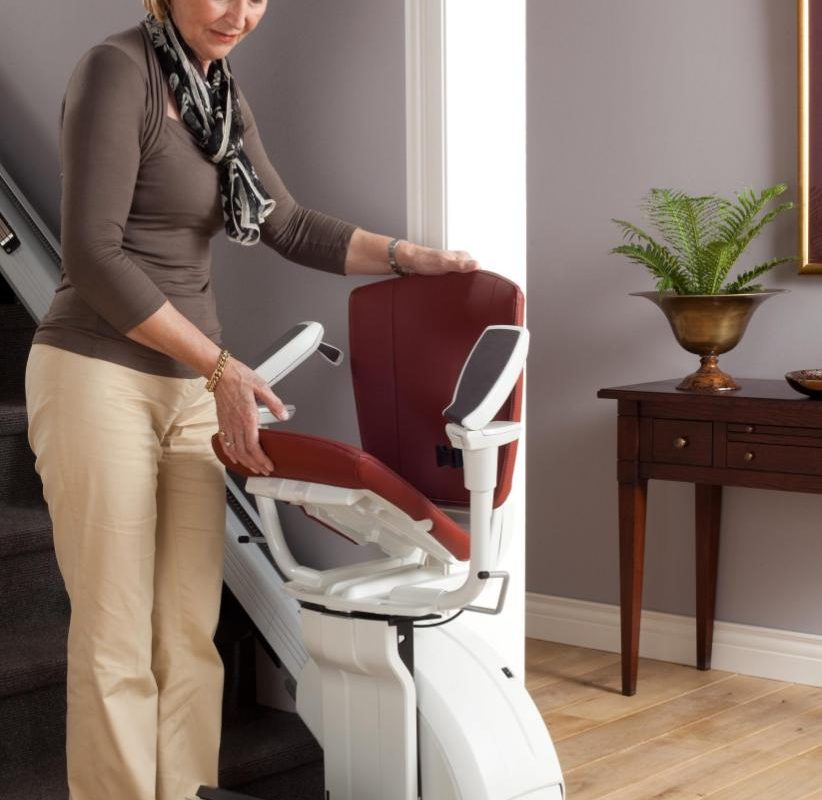
Bruno Elite stailift

Many homeowners wonder if they can install a stair lift themselves, and while it might seem like a manageable DIY project, there are significant factors to consider before picking up the tools. Your level of technical skill, the complexity of your staircase, and safety concerns all play crucial roles in determining whether a DIY installation is suitable.

This expanded guide covers everything from understanding stair lifts and assessing your staircase to installation tips, common challenges, safety considerations, and maintenance. It also offers advice on when it’s best to call in a professional. Plus, relevant internal links to explore related topics on our site.


Key Takeaways

  • Installing a stair lift yourself is possible if you have basic electrical skills, the right tools, and a straightforward staircase design.

  • Precise measurements and careful assessment of your staircase are crucial to avoid costly mistakes and ensure a safe fit.

  • Following manufacturer guidelines and safety checks is essential for successful installation.

  • Complex staircases, safety concerns, or lack of confidence in handling tools and technical manuals suggest hiring a professional is safer.

  • Regular maintenance after installation is required, including safety inspections and battery checks, to ensure long-term reliability.


Understanding Stair Lifts: How Do They Work?

stair lift is a motorized chair or platform that travels along a rail installed on the stair treads or wall, helping people who struggle with stairs maintain their independence at home. It provides a safe, comfortable, and reliable way to move between different floors.

Components and Features

  • Chair or platform: The seat, often with arms and a seatbelt for safety.

  • Rail: The track that runs along the stairs guiding the lift.

  • Motor and controls: Power the lift and allow it to be operated via buttons or a joystick.

  • Safety sensors: Detect obstacles on the stairs and stop the lift to prevent accidents.

Stair lifts come in various configurations to suit different needs, including straight, curved, outdoor models, and heavy-duty chairs catering to different weight capacities and physical requirements. Knowing these variations helps when assessing which model fits your home and mobility needs best.

Understanding how stair lifts function empowers you to make informed choices about installation options and usage and can ease the decision-making process.

Related: Types of Stair Lifts


Benefits of Installing a Stair Lift Yourself

Opting for a DIY installation can appeal to those wanting to save on costs and take on a home improvement challenge. Installing a stair lift offers several benefits:

  • Enhanced independence: Move freely without assistance, improving daily living and reducing reliance on others.

  • Increased safety: Reducing the risk of falls on stairs, which are a common cause of home injuries.

  • Inclusive home environment: Makes multi-level homes accessible for family members or visitors with mobility challenges.

  • Cost savings: Avoid or reduce professional installation fees (though this requires skill).

However, the challenge lies in ensuring the lift is installed correctly and safely. A poorly installed stair lift can pose serious hazards. Thus, understanding the full process before beginning is vital.


Types of Stair Lifts: Which Suits Your Home?

The design and layout of your staircase strongly influence the type of stair lift suitable for your installation:

  • Straight Stair Lifts: Designed for staircases without bends or curves, typically the easiest and least expensive to install.

  • Curved Stair Lifts: Custom-built rails that follow staircases with turns, landings, or spiral shapes. These require precise measurements and often professional installation.

  • Outdoor Stair Lifts: Weatherproof models suitable for external stairs, built from durable materials to withstand the elements.

  • Heavy-Duty Stair Lifts: Designed for larger users, supporting higher weight capacities.

Choosing the right type impacts installation complexity and cost. Curved and outdoor lifts generally require more expertise and time.


Assessing Your Staircase for DIY Installation

Before acquiring a stair lift or considering installation, carefully evaluate your staircase:

Staircase Type and Layout

  • Straight stairs are the most straightforward for DIY installation.

  • Curved or spiral staircases often require custom fits.

  • Landings, turns, or odd shapes can complicate installation.

Precise Measurements

Accurate staircase measurements ensure the stair lift fits perfectly:

  • Measure the width of the stairs (minimum width depends on model, typically 28-30 inches for straight lifts).

  • Measure vertical height and track length—bottom to top floor.

  • Note any landings, turns, or obstacles such as doors, railings, or décor.

Incorrect measurements can lead to an ill-fitting lift and wasted expenses.

Structural Integrity

Check your stairs for strength and stability:

Inspection Point Action if Problem Found
Loose handrails Tighten or replace
Cracked steps Repair or reinforce
Weak supports Add additional support or replace
Stairs wobble Secure or reinforce
 

A sturdy staircase is essential to safely anchor the stair lift.


Required Tools for Installation

For a DIY stair lift installation, the following tools are generally needed:

  • Power drill with appropriate bits for mounting brackets

  • Tape measure for precise measurements

  • Level to ensure rails and chairs are installed straight

  • Socket set and wrenches for tightening bolts

  • Stud finder to locate solid mounting points

  • Screwdrivers for assembling components

Having quality tools at hand reduces installation time and mistakes.


Skills You Need for DIY Installation

Successfully installing a stair lift yourself requires:

  • Basic electrical skills: To connect the motor and power safely.

  • Mechanical aptitude: Following instructions to assemble and mount parts.

  • Attention to detail: Precise measurements and alignment.

  • Physical ability: To handle heavy parts safely.

  • Troubleshooting: To resolve unexpected issues.

If you’re uncomfortable with any of these, professional installation is recommended to avoid risks.


Common Installation Challenges

Even with adequate tools and skills, common hurdles that DIY installers face include:

  • Measuring inaccuracies causing improper fit.

  • Complicated stair layouts with tight corners or irregular shapes.

  • Electrical wiring issues if unfamiliar with power connections.

  • Securing rails firmly to prevent wobbling or instability.

  • Navigating manufacturer-specific instructions that may be technical.

Being aware of these challenges ahead of time can help reduce delays and mistakes.


Safety Considerations Before Installing

Safety must be your top priority during installation:

  • Clear the stairway of obstacles.

  • Wear protective gear such as gloves and safety glasses.

  • Have someone assist or supervise.

  • Ensure the stair lift is unplugged during wiring.

  • Avoid rushing through steps.

  • Double-check tool conditions and safety adherence throughout.

Following safety protocols will reduce risk of injury or faulty installation.


Following Manufacturer Guidelines

Adhering closely to your stair lift manufacturer’s installation manual is critical:

  • Manuals contain specific instructions for your model.

  • They highlight safety checks and important precautions.

  • Following them maintains your product warranty.

  • For unclear points, contact manufacturer support.

Remember, these guidelines are designed to keep users safe and equipment functional.


DIY Installation Cost Comparison

Material Costs

Stair lift units vary by type and quality:

Item Typical Cost (USD)
Stair lift unit $2,000 – $5,000
Mounting hardware $100 – $300
Tools & supplies $50 – $150
 

DIY installation can save on labor but beware of hidden costs from errors or extra tool needs.

Labor Expenses (Professional Installation)

Professional installers charge based on:

  • Staircase complexity (curved vs. straight)

  • Time required (typically a few hours)

  • Regional labor rates

Installation labor usually adds 15-20% to stair lift costs but guarantees safety and warranty.


When to Hire a Professional

Consider professional installation if:

  • Your staircase has complex curves or unique architecture.

  • You lack the skills or confidence to follow technical manuals.

  • You want to ensure warranty coverage and safety compliance.

  • You prefer a hassle-free, prompt installation with support.

A professional can assess your home accurately, customize solutions, and test the lift thoroughly.

Related: Professional Stair Lift Installation Services


Maintenance and Care for Your Stair Lift

Keeping your stair lift in top condition ensures safety and longevity.

Regular Cleaning

  • Wipe down the seat, armrests, and footrest with a damp cloth.

  • Keep tracks free from dust and debris using a dry cloth or vacuum.

  • Clean control panels and joystick.

  • Periodically check for loose parts and tighten them.

Battery Maintenance

  • Regularly monitor battery charge level.

  • Fully charge the battery at least once a month even if unused.

  • Keep battery terminals clean and clean off any corrosion.

  • Replace batteries as per manufacturer’s recommendations.

Safety Inspections

Schedule annual safety inspections to:

  • Test emergency stops and sensors.

  • Check track alignment and chair stability.

  • Inspect seat belts and mechanical parts.

  • Listen for unusual noises or irregularities.

Related: Stair Lift Maintenance Tips


Frequently Asked Questions (FAQs)

What Is the Average Installation Time for a Stair Lift?

Installation typically takes 3 to 4 hours for a straight stair lift but may require more time for curved or complex staircases.

Can I Install a Stair Lift on Curved Stairs?

Curved stair lifts are more complex and usually require custom rails and professional installation for safety and fit.

Are Permits Required for Stair Lift Installation?

Permit requirements vary by location. Checking with local building authorities ensures compliance.

What Are Weight Limits for Stair Lifts?

Weight capacities range from 300 to 600 pounds, depending on the model and manufacturer.

How Do I Choose the Right Stair Lift?

Consider stair type, weight capacity, features, and your budget. Testing models and expert advice can help select the best fit.


Conclusion

Installing a stair lift yourself can be a fulfilling project that enhances your home’s accessibility and independence. With the right tools, skills, and knowledge of your staircase, a DIY installation is feasible for many straight staircases.

However, safety should never be compromised. Stair lifts are complex devices, and improper installation can lead to hazards. If you have doubts about your abilities or your staircase’s complexity, it’s wise to seek professional installation to ensure full safety, warranty protection, and peace of mind.

Stay proactive with regular maintenance to keep your stair lift functioning safely for years to come.

For expert advice tailored to your home and mobility needs, and to explore professional installation options, contact our team of trusted stair lift specialists today. Take the next step towards safer and easier mobility in your home—request a free consultation or quote now!

Categories Stairlifts & Home Lifts

What Stairlift Options Are Best for Disabled Individuals?

Thyssen HomeGlide-Extra Straight Stairlift Folding Seat

It is often underestimated how profoundly stairlifts can impact daily life for disabled individuals and those with reduced mobility. If considering mobility solutions for a disabled person in Ireland, understanding the various stairlift options available is crucial in improving independence, safety, and quality of life. From straightforward straight stairlifts designed for simple, linear staircases to bespoke curved stairlifts that navigate landings and turns, each option offers unique features tailored to different needs and home layouts.

This article explores the diverse stairlift types suitable for disabled individuals in Ireland, highlights essential safety and comfort features, explains installation and maintenance processes, and outlines financial assistance options available to help make purchasing a stairlift more accessible. By integrating this comprehensive information, one can make an informed decision that best aligns with personal mobility needs and home environment.

Key Takeaways

  • Straight Stairlifts: Best suited for homes with simple, straight staircases. They offer quick installation, smooth rides, and essential safety features, supporting independence in multi-story homes.

  • Curved Stairlifts: Custom-designed for staircases with bends, landings, or turns, providing safe, comfortable access tailored precisely to unique staircase geometries.

  • Outdoor Stairlifts: Built to be weatherproof, with durable components and specialized motors, ensuring reliable mobility over outdoor staircases regardless of Ireland’s variable climate.

  • Essential features such as adjustable, comfortable seating, user-friendly controls, battery backups, safety belts, and sensors are critical to enhance safety and convenience.

  • Multiple funding routes, including local authority grants, health service supports, charities, and financing plans, are available to alleviate the financial burden associated with stairlift purchases.

For detailed advice on stairlift types, installation, and funding, visit Irish Stairlifts – Types of Stairlifts.

Understanding the Importance of Stairlifts for Disabled Individuals

Stairlifts are more than just mechanical aids; they are lifelines that significantly affect independence and emotional well-being for disabled individuals living in multi-story homes. Navigating stairs unaided can be a daunting challenge that limits freedom and everyday engagement with the home environment.

Installing a stairlift restores access to every floor, allowing disabled users to move between spaces without relying on assistance from others. This accessibility empowers users to regain control of their daily routines, enhancing dignity and personal autonomy. Furthermore, the ability to join family and friends comfortably in different parts of the home nurtures emotional connection and combats isolation.

Imagine being able to move effortlessly from your living room to your bedroom or kitchen without the physical strain or risk of injury stairs typically present. This seamless movement can transform your quality of life by fostering greater safety, comfort, and belonging within the home.

Investing in a stairlift is an investment in a lifestyle that values independence — a crucial factor in overall health and happiness for disabled individuals. For more insights on maintaining independence and using mobility aids, see Irish Stairlifts – Mobility Aids.

Types of Stairlifts: An Overview

Selecting the right type of stairlift depends heavily on the design of your home’s staircase and individual mobility requirements. The main categories available in Ireland are straight, curved, and outdoor stairlifts. Each has specific features optimized for different environments and needs.

Straight Stairlifts Overview

Straight stairlifts are typically the most common and cost-effective solution for homes with a staircase that is linear without any bends or landings. Due to their simpler design, these stairlifts can be quickly and less expensively installed compared to curved models.

Their straight rail runs flush against the staircase, minimizing disruption and ensuring the stairlift occupies as little space as possible. Despite their straightforward design, straight stairlifts come equipped with multiple user-friendly and safety features such as padded, foldable seats, adjustable footrests, and safety belts.

Because of their ease of installation and operation, straight stairlifts are ideal not only for disabled individuals but also for elderly users or those recovering from surgery. They help avoid strain and hazards associated with attempting to climb or descend stairs manually.

Many providers in Ireland offer a range of straight stairlifts with different seat styles, colors, and control options to suit user preferences. For detailed product options, visit Irish Stairlifts – Straight Stairlifts.

Curved Stairlifts Explained

Curved stairlifts are custom engineered to fit staircases with any bends, curves, or intermediate landings. They are ideal for homes where a straight stairlift would not be feasible due to staircase layout.

Each curved stairlift is individually measured and fabricated to precisely match the contours of your staircase. This bespoke process ensures a seamless, smooth, and safe ride around corners without stopping or jolting.

Some advanced curved stairlifts also feature powered swivel seats that rotate automatically to allow easy access when mounting or dismounting at the top or bottom of the stairs, improving user safety.

Though curved stairlifts take longer to manufacture and install compared to straight models, their tailored fit maximizes comfort and usability for staircases with complex designs. For personalized consultations and examples, check Irish Stairlifts – Curved Stairlifts.

Outdoor Stairlift Options

Accessibility extends beyond indoor areas; outdoor stairlifts provide freedom of movement to gardens, patios, porches, and any external staircases. Given Ireland’s variable weather, outdoor stairlifts are constructed from durable, weather-resistant materials that can withstand rain, frost, UV rays, and temperature fluctuations between -10°C and +40°C.

Key features of outdoor stairlifts include weatherproof covers, heavy-duty motors suitable for steep or long staircases, compact designs that adapt to narrow outdoor steps, and battery backups to ensure operation during power outages.

Outdoor stairlifts allow users to fully enjoy outdoor living spaces and remain socially connected by eliminating barriers caused by external steps. Companies in Ireland offer free assessments to determine the best outdoor stairlift solution for your property.

Straight Stairlifts: Ideal for Simple Staircases

If your home features a straightforward staircase, straight stairlifts provide an efficient and reliable solution to improve mobility.

Installation Process Overview

Installing a straight stairlift is generally quick, often completed within a few hours. The process includes an initial assessment where a technician measures the staircase and evaluates suitability. The rail is then custom-cut or pre-cut to fit precisely, and safely mounted typically using steel posts attached to the stairs, not the wall, minimizing structural impact.

After installation, the stairlift is thoroughly tested and safety features demonstrated, with user training provided to ensure confident operation.

Preparing your home by clearing pathways and ensuring an accessible electric socket helps facilitate a smooth installation day. This streamlined process significantly reduces inconvenience. For in-depth preparation tips, see Irish Stairlifts – Installation.

Key Features Highlighted

Modern straight stairlifts offer an array of features designed for safety and ease of use. Advanced rail systems ensure a smooth, stable ride without jerking. The compact foldable seat, armrests, and footrest reduce obstruction on stairs for other household members.

Controls are simple, usually including a joystick or toggle switch. Safety sensors detect obstacles on the track, automatically stopping the lift to avoid accidents. Seat belts provide added security, and battery backups ensure usability during power failures.

The option to customize seat colors, materials, and heights lets you personalize the stairlift to blend harmoniously with your home decor.

Cost Considerations Explained

Straight stairlifts tend to be the most budget-friendly option with typical prices ranging from €2,500 to €5,000, inclusive of installation. Maintenance costs are relatively low but include regular safety inspections and battery checks.

Warranty periods often cover multiple years, providing peace of mind. Payment plans and financial support through grants or loans are commonly available to ease affordability.

Comparing quotes from reputable Irish stairlift suppliers ensures you receive competitive pricing and after-sales support. For financial assistance details, refer to Irish Stairlifts – Grants.

Curved Stairlifts: Custom Solutions for Unique Staircases

Curved stairlifts offer tailored mobility solutions for staircases with multiple turns or architectural nuances.

The bespoke manufacturing process for curved models ensures rails are precisely shaped to fit your staircase’s turns and landings, allowing safe, hitch-free ascents and descents. These stairlifts often feature powered swivel seats for added ease and safety at the ride’s start and end points.

While costs are higher, ranging from €7,000 to €15,000 depending on complexity, the enhanced usability and comfort justify the investment for many users.

Incorporating advanced safety features like pressure-sensitive sensors, lockable swivel seats, and smooth start/stop motion contributes to user confidence during operation.

Outdoor Stairlifts: Accessibility Beyond the Home

Outdoor mobility is key to enjoying fresh air, gardens, and outdoor social spaces safely.

Advantages of Outdoor Stairlifts

  • Expand Living Space: Gain effortless access to outdoor areas regardless of weather or stair design.

  • Enhance Social Engagement: Attend family gatherings, garden parties, or community events without mobility restrictions.

  • Prioritize Safety: Designed specifically to reduce fall risks on slippery or uneven outdoor steps.

  • Durability: Robust construction enables operation under harsh Irish weather conditions year-round.

Selecting an outdoor stairlift involves professional evaluation of the site to determine suitability and design preferences. Many models offer weatherproof covers and heating elements to prevent ice buildup in colder months.

Key Features to Look for in a Stairlift

When selecting a stairlift, prioritize these features to maximize safety, convenience, and comfort:

  • Comfortable Adjustable Seat: Ensure padding, height, and swivel mechanism accommodate user needs.

  • User-friendly Controls: Simple joystick or remote control operation to facilitate easy use by individuals with limited dexterity.

  • Safety Sensors: Obstacle detection that automatically slows or stops the stairlift to prevent accidents.

  • Battery Backup: Maintains function during power outages, avoiding entrapment in transit.

  • Weight Capacity: Check stairlift supports the user’s weight adequately.

  • Foldable Components: Seats and footrests that fold to save stairway space for other users.

  • Lockable Swivel Seat: Prevents accidental movement of the seat while stationary.

  • Aesthetic Options: Colors and materials that match home interiors, creating a seamless look.

For a comprehensive checklist of stairlift features, visit Irish Stairlifts – Choosing the Right Stairlift.

Safety Considerations for Stairlift Users

Safety must remain the highest priority for stairlift users and their families.

Regular maintenance checks are essential to ensure sensors, brakes, and mechanisms operate flawlessly. Seat belts or inertia-reel belts help prevent accidental slips during transit.

Emergency stop buttons provide immediate intervention capability, and padded seats and armrests augment user security and comfort.

Additionally, lockable on/off switches prevent unauthorized use by children or pets. Clear user instructions and training help avoid misuse and promote confidence.

All reputable stairlift products in Ireland meet or exceed European safety standards and directives, providing reassurance of product quality.

Consult Irish Stairlifts – Safety Features for detailed insights.

Installation Process and Maintenance of Stairlifts

Installation Steps

Professional installation begins with a detailed assessment of your staircase, taking precise measurements and understanding user needs. The installer will discuss the best options and prepare for a custom-fitted stairlift.

Installation generally lasts a few hours. The rail is secured to stairs or landings with minimal intrusion, followed by mounting and connecting the chair.

Once installed, the stairlift undergoes rigorous testing, and users receive training on operation and safety protocols.

Maintenance Importance

Stairlifts require routine maintenance to operate safely and smoothly. This includes cleaning the track, checking battery health, and inspecting mechanical parts.

Annual servicing by certified technicians is recommended. Proper upkeep extends stairlift lifespan, which typically ranges from 10 to 15 years.

User manuals and after-sales support lines ensure help is always available, contributing to sustained independence in your home.

Learn more about installation and care at Irish Stairlifts – Installation & Maintenance.

Financial Assistance and Funding Options for Stairlift Purchase

The cost of stairlifts can be significant, but thankfully a variety of financial assistance options exist across Ireland to help those in need.

Available Grants and Supports

  • Local Authority Grants: Means-tested funding supporting home adaptations including stairlifts. Applicants may receive up to €6,000 depending on income and circumstances.

  • Mobility Aids Grant Scheme: Supports purchase of mobility aids like stairlifts for people with disabilities or reduced mobility.

  • Disability Allowance: Regular payments available for eligible individuals needing assistance.

  • Health Service Executive (HSE): May provide funding or guidance for stairlift acquisition through healthcare programs.

  • Charitable Organizations: Some nonprofits offer grants, loans, or fundraising help for stairlift purchases.

  • Loan and Financing Options: Low-interest loans tailored for disability equipment are also common.

Eligibility criteria and application processes vary, often including income verification and medical assessments.

For comprehensive guidance and application assistance, visit Irish Stairlifts – Financial Assistance.

Frequently Asked Questions

How Do I Choose the Right Stairlift for My Needs?

Evaluate your staircase shape, user mobility limitations, budget, and desired safety features. Consulting with professional stairlift providers can help identify the best fit.

Can Stairlifts Be Used for Disabilities Beyond Mobility Issues?

Yes, stairlifts assist individuals with various disabilities including balance disorders, chronic pain, or temporary impairments.

What Is the Average Lifespan of a Stairlift?

Typically, stairlifts last 10 to 15 years with proper maintenance.

Are Stairlifts Covered by Health Insurance in Ireland?

Most standard health insurance policies do not cover stairlifts, but some private plans may offer partial reimbursement. Always verify with your provider.

How Often Should Stairlifts Be Serviced?

Annual servicing is recommended to maintain optimal safety and function.

Conclusion

Choosing the right stairlift can dramatically enhance independence, safety, and quality of life for disabled individuals in Ireland. Whether opting for a straight, curved, or outdoor stairlift, selecting a model with appropriate safety features, comfort, and tailored fit is essential. Equally important is leveraging available financial assistance to make the investment accessible.

A stairlift is not merely a mobility aid; it is a key to unlocking full home access and personal freedom. Take the time to explore options, consult with experts, and prioritize your unique needs for the best outcome.

Ready to reclaim your independence and transform your home? Contact Irish Stairlifts today for a free consultation, personalized advice, and a no-obligation quote to find the perfect stairlift solution for your home. Don’t wait—embrace the freedom and safety you deserve!

Explore more about stairlift options and request a quote here: Contact Irish Stairlifts.

Categories Mobility Aids

Is a Manual Wheelchair the Right Option for You?

wheelchair

Manual wheelchairs in Ireland are more than just mobility aids – they are a gateway to independence, confidence, and freedom of movement. For many people with mobility challenges, choosing the right wheelchair means regaining control over their daily lives, whether that’s grocery shopping, enjoying a walk in the park, visiting friends, or travelling across the country.

Unlike electric or powered wheelchairs, manual wheelchairs provide a hands-on approach to mobility, using your own strength (or assistance from a caregiver) to propel you forward. This makes them particularly well-suited for individuals who value flexibility, exercise, and affordability while still needing a reliable mode of transportation.

In Ireland, where urban centres like Dublin, Cork, and Galway combine with rural landscapes and scenic trails, manual wheelchairs offer a balance of convenience and accessibility. With options ranging from lightweight folding models for active users, to heavy-duty designs for those requiring extra durability, choosing the right manual wheelchair can truly enhance your lifestyle.

This comprehensive guide explores everything you need to know about manual wheelchairs in Ireland — including their uses, benefits, types, travel considerations, maintenance, and customization options — so that you can make an informed decision that suits your unique needs.


Key Takeaways

  • Manual wheelchairs in Ireland are ideal for navigating crowded urban environments, thanks to compact and maneuverable designs.

  • They actively promote physical strength and fitness, especially upper body development through self-propulsion.

  • Lightweight manual wheelchairs are excellent for dynamic, on-the-go lifestyles, making travel and storage easy.

  • Heavy-duty models provide enhanced durability, comfort, and support for users who require extra stability.

  • With customization and accessories, manual wheelchairs can be tailored for comfort, safety, and personal expression.


Understanding Manual Wheelchairs

When people think about mobility aids in Ireland, manual wheelchairs often come to mind due to their versatility and adaptability. Unlike powered wheelchairs that rely on batteries and motors, manual wheelchairs are human-powered — either propelled by the individual or pushed by a caregiver.

This gives users a greater sense of engagement and control over their surroundings. Instead of relying solely on automated assistance, manual wheelchairs encourage movement, adaptability, and physical exercise. For many, especially those who want to remain physically active, this hands-on approach creates a feeling of empowerment.

Ireland’s varied landscape — from the narrow cobbled streets of Kilkenny to the more modern, accessible walkways in Dublin — also makes manual wheelchairs a flexible choice. Compact dimensions and easy steering allow users to handle crowded areas, uneven pavements, and public transport systems more efficiently than many larger powered wheelchairs.


Benefits of Manual Wheelchairs

Manual wheelchairs are popular in Ireland not just because of their affordability, but also because they promote independence in a way that enhances daily living.

1. Cost-Effective Mobility

Manual wheelchairs are generally more affordable than electric wheelchairs, making them a practical choice for many families. Not only is the initial purchase price lower, but maintenance and repair costs are also reduced. This makes them especially attractive for those who may not qualify for full grant coverage from the Health Service Executive (HSE) or who want an interim solution while waiting for long-term funding.

2. Enhanced Control and Maneuverability

Unlike powered models, manual wheelchairs can move through tight spaces much more easily. This is particularly useful in Ireland’s medieval towns, old buildings, and compact shops, where narrow passages are common.

3. Encourages Physical Activity

Self-propulsion is not only functional but also a form of exercise, helping strengthen upper body muscles and improving cardiovascular health. For individuals seeking to maintain physical fitness despite mobility restrictions, a manual wheelchair is both a support system and an exercise tool.


Lightweight Models for Active Lifestyles

For individuals who maintain an active social schedule or travel frequently, lightweight manual wheelchairs are an excellent choice. These wheelchairs, often made of aluminium or titanium, weigh considerably less than traditional steel models — sometimes under 10kg.

Why Lightweight Wheelchairs Work So Well in Ireland

  • Travel-Friendly: Lightweight manual wheelchairs often feature folding frames and quick-release wheels, making them simple to store in cars, buses, or taxis.

  • Perfect for Younger & Active Users: Whether you’re a student in Galway, working professional in Dublin, or a traveller exploring the Wild Atlantic Way, a compact chair helps you stay mobile without needing assistance.

  • Easy Storage at Home: For those living in smaller apartments or housing units, being able to fold and safely tuck away a wheelchair is an unmatched convenience.

Lightweight wheelchairs also allow users to feel more socially included, since they reduce dependency on others during outings, sporting activities, or travel.


Heavy-Duty Manual Wheelchairs: For Support and Reliability

Not all users need a lightweight, sporty option. Some individuals require additional stability and reassurance. This is where heavy-duty manual wheelchairs come in.

Key benefits include:

  1. Higher Weight Capacity: Heavy-duty models can handle 160kg+ safely, making them ideal for bariatric users.

  2. Durable Construction: Built with reinforced frames and stronger wheel systems, they last longer despite frequent outdoor use or pressure.

  3. Comfort Enhancements: Wider seating, enhanced backrests, and cushioning provide greater comfort for long-term sitting.

In Ireland, where uneven terrain or rural travel can put strain on mobility equipment, these wheelchairs provide long-lasting reliability.


Manual Wheelchairs for Everyday Use

Whether you’re popping into local Irish markets, attending a festival, or simply visiting family, having a trustworthy everyday wheelchair ensures daily errands remain stress-free.

  • They navigate grocery aisles, busy streets, and compact doorways with ease.

  • Because they are more compact, they fit comfortably inside accessible Irish homes with narrow door frames.

  • Self-propelled independence fosters dignity and self-sufficiency, reducing reliance on caregivers.


Leisure & Recreation with Manual Wheelchairs

Mobility shouldn’t stop you from enjoying life. Ireland offers a wide range of recreational activities, and manual wheelchairs make many of them accessible.

Outdoor Adventures in Ireland

Increasingly, Irish tourist spots and national parks provide accessible facilities:

  • Nature Trails: The Phoenix Park in Dublin and Killarney National Park now feature wheelchair-accessible pathways.

  • Beaches: Locations such as Portmarnock and Salthill provide beach mats and wheelchairs designed for sand.

  • Camping Trips: Accessible campsites offer adapted washrooms and raised firepits, so everyone can enjoy outdoor life.

Wheelchair Sports

Many local clubs in Ireland support wheelchair sports, such as:

  • Wheelchair basketball (growing in schools and universities).

  • Racing events across cities.

  • Adaptive rowing programs in counties like Cork and Limerick.

Social Activities

Manual wheelchair users can immerse themselves fully in the community by:

  • Joining hobby clubs (art, reading, theatre).

  • Volunteering in charitable organisations to stay active and engaged.

  • Attending Irish festivals that are steadily working toward full inclusivity.


Travelling with a Manual Wheelchair

Travel is one area where manual wheelchairs outshine powered versions due to their portability. In Ireland:

  • Bus Éireann and Dublin Bus have low-floor buses with ramps.

  • Irish Rail trains offer designated wheelchair spaces (though advanced booking is sometimes required).

  • Accessible taxi services are also widely available, especially in major cities.

When travelling abroad, folding wheelchairs can be checked as baggage on airlines like Aer Lingus and Ryanair, usually free of charge. Always carry wheelchair repair kits and seat cushions for longer journeys.


Customization & Accessories

One reason manual wheelchairs in Ireland are so beloved is the wide range of customization options:

  • Cushions for pressure relief (ideal for long sitting times).

  • Armrests (fixed, removable, or swing-away).

  • Anti-tip devices for safety on slopes.

  • Storage attachments for shopping bags or backpacks.

  • Style upgrades: seat colour fabrics, frame finishes, and wheel spoke designs.

Customisation ensures you don’t just move comfortably — you move with personality and confidence.


Maintenance & Care

Keeping your wheelchair in excellent working condition extends its lifespan and improves safety.

  • Check your tyres weekly for air pressure and wear.

  • Clean the frame to prevent dirt buildup.

  • Lubricate moving parts (bearings, axles) every few months.

  • Tighten loose bolts before they become problematic.

Regular care also reduces costs on unexpected repairs or replacements.


Accessibility in Irish Cities

While many urban areas in Ireland are improving accessibility, manual wheelchair users must navigate certain challenges.

  • Cobblestone pathways in Dublin or Limerick may be tricky for lightweight wheelchairs.

  • Slopes and curbs require thoughtful route planning.

  • Public transport is becoming increasingly inclusive with ramps, lifts, and priority spaces across buses, trams, and trains.

Cities like Dublin are leading the way with LUAS trams (100% step-free access), while regional towns continue to improve public transport options.


Real-Life Experiences

Many manual wheelchair users in Ireland emphasize how their chairs are not limiting devices but empowering tools. Some highlight:

  • Building resilience while navigating challenging paths.

  • Forming bonds with others through adaptive sports.

  • Feeling more independent in education and employment.

These personal journeys reinforce the fact that wheelchair choice impacts lifestyle, not just mobility.


Frequently Asked Questions

1. How do I measure for the right wheelchair fit?

Take measurement of your hips for seat width, thigh length for seat depth, and foot placement for leg rests. Correct sizing prevents discomfort and injuries.

2. Are there grants for manual wheelchairs in Ireland?

Yes, through the HSE, local disability services, and charities. You may also explore Irish Wheelchair Association resources.

3. Can a manual wheelchair handle rural Irish paths?

Yes, but a robust model with durable tyres is recommended for uneven or gravel terrain.

4. Can I bring a manual wheelchair on Irish trains and buses?

Yes — both Irish Rail and Dublin Bus provide wheelchair spaces and ramps, though some require pre-booking.


Conclusion

manual wheelchair in Ireland is not just about moving from one place to another — it’s about gaining confidence, independence, and freedom to live life fully. Whether you need a lightweight wheelchair for travel or a heavy-duty option for daily support, the right choice can transform how you experience the world around you. From navigating urban streets to exploring scenic landscapes, manual wheelchairs open doors to adventure and community engagement.

At Irish Stairlifts & Bathrooms, we understand that mobility is deeply personal. That’s why we offer a wide selection of manual wheelchairs, stairlifts, and bathroom adaptations tailored for comfort, safety, and lifestyle needs.

👉 Ready to discover the perfect wheelchair for your needs? Contact us today to speak with our mobility experts, request a free consultation, or explore our range of mobility products and find the solution that best suits your journey.

Categories Mobility Aids

What Is a Type 3 Wheelchair?

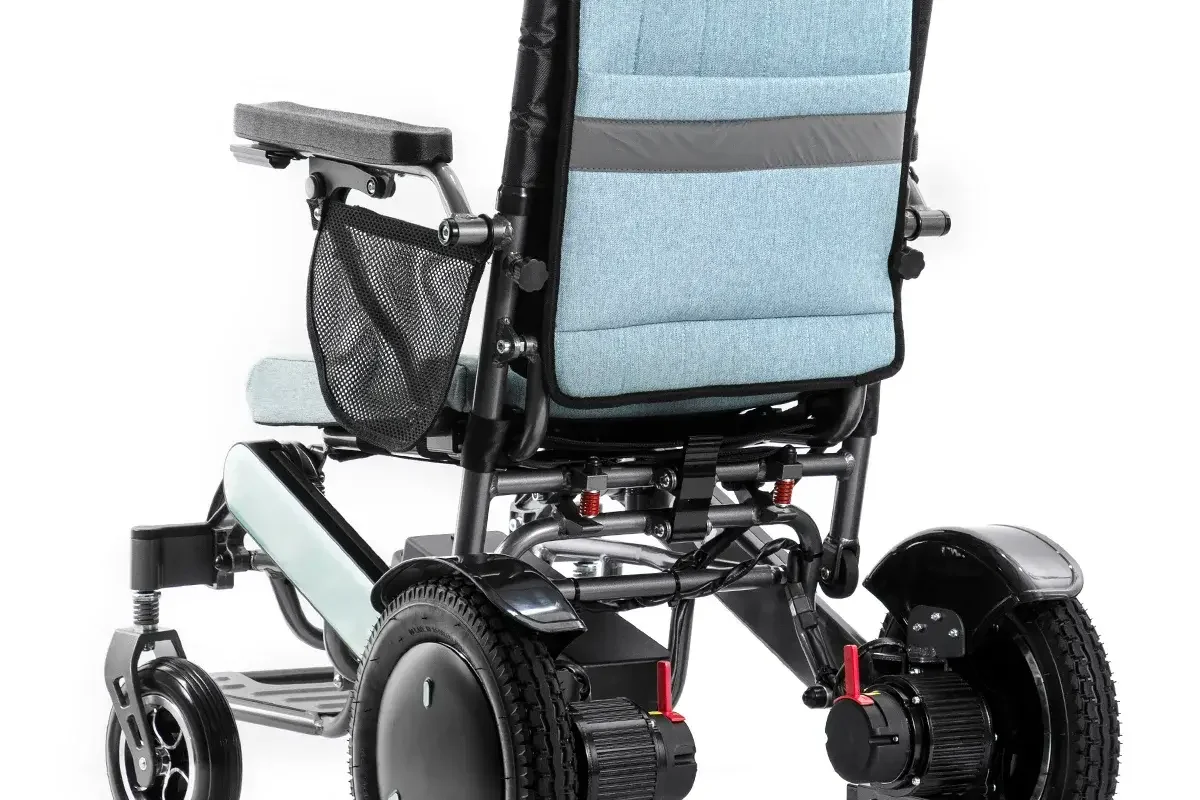
The T46 Lightweight Powerchair or electric wheelchair

Type 3 wheelchair bridges the gap between basic mobility aids and performance-driven wheelchairs tailored for active individuals. Engineered for durability, lightweight handling, and adaptability, it stands out as a robust choice for those seeking to participate fully in life’s indoor and outdoor adventures. With features such as adjustable seating, enhanced suspension systems, and all-terrain capability, users can personalize their chair to meet specific comfort and lifestyle needs.

Type 3 wheelchairs are frequently prescribed for users who require more than the occasional mobility assist and enjoy exploring a range of environments. The combination of customizable elements and performance-driven engineering means that each chair becomes an extension of the user, enabling optimal engagement with both home and community.

Key Takeaways

  • Type 3 wheelchairs offer exceptional functionality and comfort for an active lifestyle, empowering users to navigate diverse environments.

  • They include stability features such as a wider wheelbase and lower center of gravity, reducing the risk of tipping.

  • Advanced suspension and robust frames enhance durability and ensure a smooth ride.

  • Designed with all-terrain capability, these wheelchairs support outdoor activities and rugged trails.

  • Custom elements—including seating, armrests, and footrests—help maintain posture and lessen fatigue.

Understanding the Type 3 Wheelchair

Making an informed choice about mobility options can significantly enhance independence and quality of life. The Type 3 wheelchair is constructed to meet the needs of people who seek both comfort and performance. Its lightweight yet strong frame enables users to confidently traverse indoor corridors, community spaces, and outdoor settings. Customization plays a major role: users can adjust seating, control the center of gravity, or swap wheels for varying terrains, making the chair adaptable to changing environments or specific medical conditions.

By embracing a Type 3 wheelchair, individuals open doors to greater participation in daily activities and community events. The wheelchair isn’t just a mode of transportation—it’s a tool for empowerment, helping foster a sense of belonging and increasing interaction with the world.

Key Features of Type 3 Wheelchairs

The hallmarks of Type 3 wheelchairs are their stability, ability to conquer different surfaces, and customizability for every user’s requirements.

Enhanced Stability

Enhanced stability is central to the Type 3 design. The chair’s wider wheelbase and lower center of gravity optimize balance, minimizing the risk of tipping on uneven ground. Anti-tippers and advanced suspension further absorb shocks and provide a safer, more comfortable ride—whether facing ramps, curbs, or busy spaces. These features not only allow users greater independence but also help caregivers assist with safer transfers.

All-Terrain Capability

Type 3 wheelchairs are recognized for their all-terrain performance. Large, rugged tires and reinforced frames together deliver exceptional grip and durability on trails, gravel, and grassy surfaces. Adjustable suspensions and quick-release axles allow users to reconfigure their chair for different outings—from city sidewalks to nature walks.

Feature Description Benefit
Enhanced Tires Large, rugged, and grippy Superior traction
Robust Frame Strong yet lightweight Durability
Adjustable Suspension Modifiable for terrain types Comfort, shock absorption
 

These features empower users to participate fully in outdoor activities and social engagements.

Advanced Customization

Type 3 wheelchairs are highly customizable compared to standard or lightweight models. Users may choose custom seating, varied wheel sizes, specialty footrests, or even personal colours and attachments. Adjustable centers of gravity and ergonomic seating enable precise configuration, ensuring each wheelchair fits the user’s body and habits. For example, those who spend long hours in their chair may opt for pressure-relief cushions and posture-enhancing backrests.

Benefits of Using a Type 3 Wheelchair

Type 3 wheelchairs stand out for empowering active, adventurous lifestyles. They enable greater mobility and confidence, with robust frames designed to handle both indoor spaces and outdoor terrain. For users who value independence, these wheelchairs offer the freedom to join friends on hikes, attend community events, or simply move about without worry.

Enhanced comfort features, such as adjustable seating and ergonomic design, help prevent fatigue and promote extended participation in daily life. This not only improves physical health but strengthens social connections and inclusivity, allowing users to engage fully in their communities.

Comparing Type 3 Wheelchairs to Other Types

Understanding the distinctions among wheelchair types is crucial when making decisions that optimize mobility and comfort.

Design and Customization

Type 3 models are engineered to blend maneuverability, durability, and aesthetic personalization far more than basic or standard wheelchairs. In comparison, Type 1 chairs are generally heavier, lack advanced stability mechanisms, and are best suited for limited or occasional use. Type 2 wheelchairs offer lightweight convenience but don’t feature the performance-driven custom options of Type 3 models. Type 4 and 5 chairs provide further specialization, such as dynamic tilting frames, ultra-lightweight design, and advanced pressure management for those with complex medical needs.

Type Weight Range Features Custom Options
Type 1 38+ lbs Basic, steel frame Minimal
Type 2 25–38 lbs Lightweight, basic adj. Moderate
Type 3 25–38 lbs All-terrain, stable Extensive
Type 4 <25 lbs Ultra-light, rigid Extensive
Type 5 N/A Tilt-in-space, advanced Extensive
 

Maneuverability and Stability

Type 3 wheelchairs master the balance between maneuverability and stability, excelling in both areas compared to models that prioritize one over the other. Features like quick-release axles and adjustable center of gravity promote easy navigation in tight spaces and secure handling on rugged terrain. This means users can confidently traverse a range of settings, benefiting from both agility and steadfastness.

Weight and Portability

Type 3 wheelchairs typically weigh less than heavier standard chairs, making them easier to lift and transport—but remain sturdy due to advanced materials and frame construction. Many models fold or offer tool-free wheel removal, aiding users who frequently travel or need flexible storage options. For those focused on travel-friendly solutions, visit Travel Mobility Solutions.

Importance of Stability and Maneuverability

Safety is paramount when choosing any wheelchair, and Type 3 models deliver peace of mind through reliable anti-tippers, optimized center of gravity adjustment, and superior traction systems. Additionally, their tight turning radius enables effortless navigation through crowded indoor spaces and strenuous outdoor paths without forfeiting stability.

Comfort Enhancements in Type 3 Wheelchairs

Comfort in a wheelchair is more than just a luxury—it is essential for long-term health. Type 3 wheelchairs create optimal seating environments through:

  • Ergonomic seats and contoured cushions, which minimize pressure points and aid in posture.

  • Adjustable armrests, allowing users to tailor chair dimensions and reduce muscle strain.

  • Shock-absorbing footrests, ensuring enjoyable and pain-free journeys across varying surfaces.

Indoor vs. Outdoor Performance

A top concern for wheelchair users is how well a chair transitions between settings. Type 3 wheelchairs are designed for superior terrain adaptability, from smooth hardwood floors to rough outdoor trails. Larger, more durable tires, sturdy frames, and adjustable suspension optimize ride quality over both obstacles and long distances.

Indoors, the narrower turning radius makes daily living easier, while outdoors, rugged features withstand the rigors of nature and urban landscapes. The ability to customize wheel size and suspension also means easier adaptation to different surfaces.

Customization Options for Type 3 Wheelchairs

Personalization is one of the biggest strengths of Type 3 wheelchairs. Users can select from features such as:

  • Adjustable seating and backrests for unique body shapes.

  • Specialty cushions for advanced pressure relief and comfort.

  • Unique colours, trims, and accessories to reflect personality.

  • Storage solutions, cup holders, and adaptive attachments to simplify daily routines.

Customization isn’t limited to physical comfort; it extends into the user’s self-expression and confidence, making each chair a true reflection of personal style.

Choosing the Right Type 3 Wheelchair

The selection process should involve:

  • Comfort: Make sure that seat depth, width, and support meet specific needs. Consult seating experts or occupational therapists for recommendations.

  • Environment: Evaluate if you’ll predominantly navigate tight indoor spaces, or need all-terrain capabilities for outdoor use.

  • Feature Set: Review available adjustments, accessories, and add-ons that can improve access, storage, and safety.

When uncertain, reach out for a no-obligation consultation via our Contact Us page.

Maintenance and Care for Type 3 Wheelchairs

Proper maintenance ensures years of reliable performance. Key tasks include:

  • Regular tire inspection for wear or damage.

  • Frequent brake checks and adjustments for safety.

  • Cleaning the frame and upholstery using mild soap and water.

  • Lubricating moving parts and tightening bolts periodically.

Real-Life Experiences

Type 3 wheelchair users often share stories of adaptation and accomplishment, whether mastering wheelchair skills for navigating crowded spaces or building supportive communities. Many recommend practicing advanced maneuvers (like wheelies or curbs), enrolling in wheelchair skills courses, and connecting with others for shared tips and emotional support. The right chair can transform daunting obstacles into manageable—and sometimes celebratory—challenges.

The field is rapidly advancing, with innovations on the horizon such as integrated smart sensors, enhanced AI-driven navigation, lighter materials, and improved battery life. New models promise smoother rides, personalized controls, and full connectivity with smart home devices. These upgrades will further empower and include wheelchair users, making independence and comfort more accessible than ever.

Frequently Asked Questions (FAQs)

Are Type 3 Wheelchairs Covered by Insurance?

Insurance coverage varies; Type 3 wheelchairs are often covered if deemed medically necessary. Consult your provider and medical team for details.

How Much Do Type 3 Wheelchairs Cost?

Costs generally range from £1,100 to £4,000, based on customization, materials, and available features.

Can Type 3 Wheelchairs Be Used for Sports?

Type 3 wheelchairs are suitable for recreational sports such as basketball, tennis, and racing, thanks to their stability and agility.

What Is the Weight Limit?

Most Type 3 models support users up to approximately 136–150 kg (300–330 lbs), depending on manufacturer specifications.

How Can I Find a Dealer?

Search online for local mobility aid shops, check manufacturer websites, or ask your healthcare team for recommendations. You can also turn to us, Irish Stairlifts and Bathrooms, a trusted supplier of mobility solutions in Ireland.

Conclusion

Embracing a Type 3 wheelchair means choosing freedom, versatility, and empowerment in every aspect of daily life. With unmatched stability, terrain-ready design, and customizable features, users can traverse home, community, and nature with confidence. Exciting technological advances promise an even brighter future, making mobility effortless and inclusion routine.

Ready to elevate your mobility? Contact our expert team today to discuss your needs, explore product options, or request a personalised quote. Start your journey towards independence and adventure now!

Categories Mobility Aids

Which Type of Wheelchair Is Easiest to Push?

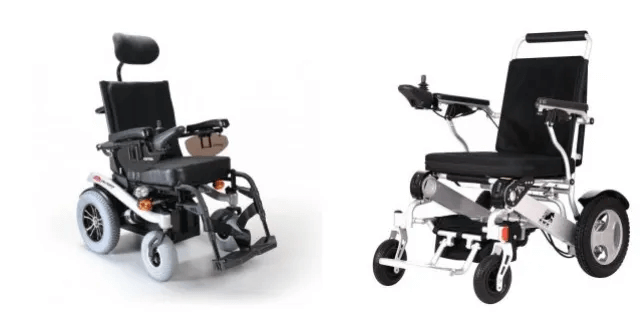
Electric wheelchair

When choosing a wheelchair, ease of pushing is one of the most important factors for both users and caregivers. Whether you’re navigating through busy shopping centres, rolling across uneven outdoor terrain, or simply enjoying time at home with family, the type and design of wheelchair you select will directly impact mobility and comfort.

Generally, lightweight wheelchairs take the lead in this category. Their reduced weight makes them far easier for caregivers to push and smoother for users to self-propel. But weight isn’t the only factor—wheel type, seating adjustments, frame design, and accessories all influence pushability.

This comprehensive guide explores different types of wheelchairs, their pros and cons, and the unique features that improve ease of movement. By the end, you’ll understand which wheelchair best suits your lifestyle, comfort needs, and caregiving situation.


Key Takeaways

  • Lightweight wheelchairs are the easiest to push, thanks to their reduced weight and agile design.

  • Manual wheelchairs require user or caregiver effort, while electric wheelchairs reduce strain through powered mobility.

  • Wheel types and tires (solid, air-filled, mag wheels) play a critical role in how easy a wheelchair is to push over different terrains.

  • Ergonomic features like hand grips and compact frames improve caregiver comfort and control.

  • Fit and seating adjustments such as seat height, width, and support cushions ensure both comfort and efficiency during use.


Understanding Wheelchair Types

Choosing the right wheelchair starts with understanding the categories of wheelchairs available today. Each type serves a specific group of users and is designed with different levels of independence and support in mind.

  • Manual Wheelchairs – Rely on user propulsion or caregiver pushing.

  • Lightweight Wheelchairs – A subset of manual chairs designed for portability and maneuverability.

  • Heavy-Duty Wheelchairs – Built with reinforced frames for larger users or rougher terrains.

  • Electric Wheelchairs – Motor-powered for independence with minimal physical effort.

  • All-Terrain Wheelchairs – Designed for outdoor exploration with larger wheels and specialized tires.

When deciding which wheelchair is easiest to push, we need to compare these categories in terms of weight, frame design, wheel structure, and terrain adaptability.

💡 Tip: Always consider your daily environment before deciding. Do you mostly move indoors across flat floors, or do you need agility outdoors and on slopes?

If you’re looking to explore different mobility aids beyond wheelchairs, you may also be interested in mobility scooters, which provide similar independence outdoors.


Manual Wheelchairs: Pros and Cons

For many people, manual wheelchairs remain the most reliable and straightforward mobility solution. They’re affordable, easy to maintain, and widely available. But they require consistent physical effort either from the user or caregiver.

Pros of Manual Wheelchairs

  • Lightweight & Portable: Many models fold easily for storage and transport.

  • Affordable: Typically more budget-friendly than powered alternatives.

  • Customisable: You can adjust armrests, leg rests, and cushions.

  • Low Maintenance: No batteries to charge or motors to service.

Cons of Manual Wheelchairs

  • User Effort Needed: Constant pushing can lead to fatigue.

  • Limited Range: Harder for long-distance outdoor use.

  • Terrain Limitations: Rough, sloped, or uneven surfaces are more difficult.

Above all, manual wheelchairs work best for short-term use or in environments where caregivers can assist with pushing.

If independence is a key concern, transitioning to a powered wheelchair may be a better long-term choice.


Electric Wheelchairs: Versatility and Ease

Electric wheelchairs (also called power chairs) are designed for users who need maximum independence. The motorised function makes them far easier than manual chairs to operate, but the caregiver pushability factor is less relevant here—they’re not designed for being pushed extensively.

Top Benefits of Electric Chairs:

  1. Effortless Driving: No pushing required—just use a joystick.

  2. Adjustable Speed: Smoothly control your pace indoors or outdoors.

  3. Advanced Comfort: Reclining seats, headrests, and suspension systems.

  4. Accessibility: Ideal for users with limited upper body strength.

While electric wheelchairs may not be the “easiest to push,” they are the easiest to operate independently. They’re especially useful for individuals who want mobility without relying heavily on caregivers.


Lightweight Wheelchairs: Mobility Made Simple

Among all types, lightweight wheelchairs consistently rank as the easiest to push. They strike the perfect balance between comfort and ease-of-use, making life easier for both the user and caregiver.

Why Lightweight Makes a Difference:

  • Reduced Strain: Less weight equals less effort with every push.

  • Agility in Tight Spaces: Compact frames turn easily.

  • Travel-Friendly: Fold for storage in a car boot.

  • Ideal for Caregivers: Easier to lift during transfers.

If a wheelchair user frequently travels, they may also benefit from vehicle adaptations to safely transport their chair.

Example Scenario:

Imagine a caregiver accompanying a family member through a shopping centre. A lightweight chair allows smoother maneuvering around racks, tighter turns in elevators, and reduces the physical burden during a long outing. Without this, fatigue sets in quickly.


Heavy-Duty Wheelchairs: Stability and Support

Heavy-duty models aren’t known for being the easiest to push, but they are essential for specific needs. They are designed with reinforced frames, wider wheels, and higher weight capacity, often supporting up to 250kg.

Key Features:

  • Stability: Ideal for users requiring firm support.

  • Durability: Withstand outdoor and daily intensive use.

  • Comfort Options: Adjustable armrests, padded seats, and reclining backs.

While not the lightest, these wheelchairs bring peace of mind for safety. Caregivers should note, however, that maneuvering can be more challenging than with lightweight chairs.


Wheelchair Features That Affect Pushability

Several design factors influence how easy a wheelchair is to push:

  1. Wheel Size & Alignment – Larger wheels roll over obstacles more easily.

  2. Tire Type – Air-filled tires absorb shocks better on uneven ground.

  3. Frame Material – Lightweight aluminium frames reduce strain compared to heavy steel ones.

  4. Seating Adjustments – Proper seat height ensures optimal user posture, reducing energy needed for pushing.

  5. Push Handles & Ergonomics – Soft-grip handles give caregivers better control.

Each of these elements can make pushing feel effortless instead of exhausting.


Wheelchair Wheel Types: Maneuverability & Performance

Not all wheels are created equal. Here’s a breakdown:

  • Solid Wheels: Best for indoor use, flat surfaces, offices, and shopping centres.

  • Pneumatic (Air-Filled) Tires: Smooth ride outdoors—they act like car tires for better shock absorption.

  • Mag Wheels: Lightweight alloy construction balances durability with easy maneuvering.

Example: If you mainly use your wheelchair within the home, solid wheels are perfect. For rural or outdoor travel, air-filled tires provide far more ease over gravel, grass, or cobblestones.


The Role of Tires and Tread

The tire tread is just as important as the wheel material:

  • Wide Tread Tires: Offer stability on uneven ground.

  • Narrow Tread Tires: Glide better indoors.

  • Deep Treads: Give grip on wet or slippery surfaces.

Tip: If you live in Ireland’s countryside and deal with rough pathways, a wheelchair with deep tread air-filled tires will be easier to push outdoors.


Finding the Right Fit: Seat Width & Height

Even the easiest wheelchair to push won’t feel comfortable if the sizing is wrong. Always consider:

  • Seat Width: Add 1–2 inches beyond hip measurement for freedom of movement.

  • Seat Height: Feet should rest comfortably on the ground or supported footrests.

  • Back Support: Proper lumbar support prevents fatigue over time.

Incorrect sizing may result in discomfort and even increased pushing resistance due to awkward posture.


Accessories That Enhance Pushability

Want to further improve ease of pushing? Consider these accessories:

  • Pushrims with Grip Covers – Provide more control for both user and caregiver.

  • Ergonomic Handles – Reduce hand strain.

  • Wheel Covers – Prevent wheels from snagging on clothing indoors.

  • Anti-Tip Wheels – Improve stability on inclined surfaces.

If safety is a priority, pairing your wheelchair use with a stairlift can transform mobility at home.


Real User Experiences: What Caregivers Say

Caregivers often provide the most practical insights into what makes a wheelchair easier to push.

Common Feedback:

  • Lightweight chairs reduce fatigue dramatically.

  • Adjustable features like reclining options matter during long outings.

  • Maneuverability in small spaces (cafés, shops, lifts) makes a huge difference.

  • Emotional connection grows stronger when pushing becomes a pleasure instead of a struggle.

Hearing these experiences shows that ease of pushing is more than convenience—it affects quality time with loved ones.


Frequently Asked Questions

Q: How do I choose the best wheelchair for my needs?

A: Consider your lifestyle, daily routes, indoor vs outdoor use, and whether you want manual or powered assistance.

Q: Can I improve the pushability of my current wheelchair?

A: Yes. Adjusting tire type, seat height, and upgrading push handles makes a big difference.

Q: Are lightweight wheelchairs durable?

A: Absolutely. Modern aluminium frames offer a strong balance of portability and strength.

Q: Will Medicare/insurance cover wheelchairs?

A: In Ireland, support schemes may apply depending on mobility needs. Always check with your provider.


Conclusion

To sum up, the easiest wheelchair to push is almost always a lightweight manual wheelchair. Its reduced weight, agile design, and compact frame make it highly efficient for caregivers while ensuring user comfort. However, depending on your lifestyle, a powered wheelchair or heavy-duty model may still be the right fit.

By considering wheelchair type, wheels, tires, seat sizing, and accessories, you can make pushing feel effortless and more enjoyable. Remember: the best wheelchair is not only about functionality, but also about enabling greater independence and freedom in daily life.

👉 Ready to find the perfect wheelchair? At Irish Stairlifts & Bathrooms, we offer a wide selection of manual wheelchairspowered wheelchairs, and mobility solutions. Contact us today for expert advice or to request a personalised quote.