Fraud Blocker
Categories Stairlifts & Home Lifts

How to Get Accurate Stairlift Quotes in Ireland

Mid_Travel_Model stair lift

Getting accurate stairlift quotes in Ireland involves thoughtful research, understanding your unique needs, and considering several important factors beyond just pricing. This comprehensive guide will help you navigate the stairlift buying process, from understanding stairlift types and assessing your staircase to comparing quotes, warranty options, and financing. By following these expert tips and insights, you can confidently invest in a stairlift that improves safety and accessibility at home.

Key Takeaways

  • Measure your staircase precisely to ensure the right type of stairlift and to receive tailored, accurate quotes.

  • Arrange in-home assessments from multiple reputable stairlift providers for customised evaluations.

  • Compare at least three detailed quotes, focusing on installation, features, warranties, and aftercare.

  • Research providers’ customer reviews and testimonials to assess reputation and service quality.

  • Explore government grants, financing, and payment plans to manage stairlift costs effectively.

Understanding Stairlift Types and Features

When shopping for a stairlift in Ireland, knowing the different types and their features is fundamental to getting an accurate quote and choosing the best fit.

Types of Stairlifts

There are mainly two categories of stairlifts:

  • Straight Stairlifts: Designed for staircases without bends or curves, these are the most common and generally more affordable. They operate on a single straight rail attached to the staircase, making installation quicker and less complex.

  • Curved Stairlifts: These are custom-built to fit stairways with corners, bends, landings, or other irregularities. They require precise measurements and professional installation, which typically increases the overall cost.

Additionally, there are standing stairlifts designed for users who find it difficult to bend their knees or require a space-saving option. These lifts allow the user to stand while ascending or descending the stairs safely.

Key Features to Consider

Beyond type, many stairlift models come with various features that impact functionality, safety, and comfort, including:

  • Weight Capacity: Ensure the stairlift can support the user’s weight comfortably and safely.

  • Seat Design: Padded, adjustable, swiveling seats help ease getting on and off the lift.

  • Safety Options: Features like seat belts, obstruction sensors, and powered swivel seats provide enhanced protection.

  • Battery Operation: Battery-powered stairlifts operate smoothly even during power outages, ensuring reliability.

  • Customization: Options including color, upholstery, and materials to match your home’s décor enhance aesthetic appeal.

Understanding these nuances enables you to discuss your exact requirements with providers and receive more precise and relevant quotes.

Assessing Your Staircase Configuration

The configuration of your staircase directly affects stairlift options and costs. Accurate assessment is crucial for tailoring a solution that fits perfectly and functions safely.

Importance of Accurate Measurements

Taking detailed measurements ensures the stairlift rail and seat will fit your staircase without obstructing pathways. Key measurements include:

Measurement Type Importance
Width of Stairs Ensures the stairlift fits without narrowing the staircase dangerously.
Height of Stairs Determines how far the lift needs to travel.
Landing Space Allows for safe entry and exit at the top and bottom.
Angle of Stairs Influences installation complexity and rail design.
 

Measurements should be precise and may need to be verified by the provider during an in-home assessment.

Straight vs. Curved Staircases

Staircases vary and can be broadly categorised as:

  • Straight Staircases: No bends or intermediate landings; these are simpler and typically less expensive to equip with a stairlift. Installation is straightforward and usually faster.

  • Curved Staircases: Characterized by bends, turns, or intermediate landings, requiring custom-designed curved stairlifts. These stairlifts follow the staircase contours exactly but involve extended installation times and higher costs.

Knowing which category your staircase falls into will help providers prepare accurate quotes and ensure you receive an appropriate stairlift recommendation.

Researching Leading Stairlift Providers in Ireland

Choosing a reputable stairlift provider is key to securing a quality product and trustworthy service.

How to Evaluate Providers

  • Reputation and Reviews: Check online reviews, testimonials, and ratings on platforms and forums to understand customers’ experiences. Positive feedback on product quality, installation, and aftercare are good indicators.

  • Range of Products: Look for companies offering a diverse range of stairlifts, including straight, curved, indoor, and outdoor models, to ensure they can meet your specific needs.

  • Certifications and Awards: Recognitions in the industry indicate that the company maintains high standards.

  • After-Sales Support: Companies that provide ongoing maintenance and 24/7 customer service ensure your stairlift remains safe and functional long-term.

Among Ireland’s known providers, Irish Stairlifts, Beechfield Stairlifts, and Mobility Assist are notable for their customer-focused service and extensive product options.

Explore Irish Stairlifts’ homepage for a broad provider overview.

Requesting In-Home Assessments

An in-home assessment is invaluable for getting an accurate quote tailored to your exact staircase and personal requirements.

Importance of Professional Evaluation

A qualified technician visits your home to assess the staircase’s dimensions, layout, and any obstacles. They will also discuss your mobility needs and lifestyle factors such as frequency of use and any specific physical considerations.

This evaluation helps in:

  • Customising the stairlift design and rail structure.

  • Determining installation logistics and potential modifications.

  • Advising on optimal safety features and extras for comfort.

  • Navigating local building codes and providing regulatory guidance.

A professional’s insight prevents costly mistakes and ensures the stairlift fits perfectly, operates smoothly, and enhances safety.

Preparing for the Assessment

To facilitate a smooth evaluation:

  • Clear the stairway and surrounding area of clutter.

  • Ensure staircases are well-lit.

  • Have information about current mobility aids ready for reference.

  • Be prepared to discuss usage habits and any concerns.

This preparation aids the assessor in delivering precise recommendations and realistic quotes.

Consider linking to Irish Stairlifts’ assessment booking page for scheduling.

Comparing Quotes From Different Suppliers

Gathering and comparing quotes from at least three suppliers allows you to evaluate cost against features, installation, and service quality.

What Should a Quote Include?

  • Detailed pricing for the stairlift unit itself.

  • Inclusive installation costs.

  • Warranty coverage.

  • Optional features and safety upgrades.

  • After-sales service packages like maintenance and repairs.

Tips for Comparing Quotes

  • Don’t base decisions solely on price; consider long-term value and trustworthiness.

  • Ask for clarification on any hidden or extra charges.

  • Inquire about financing and payment options to budgeting ease.

  • Check whether quotes are fixed or subject to change post-inspection.

Documenting and reviewing all quotes side-by-side helps make an informed, confidence-building decision.

Evaluating Warranty and Maintenance Options

A strong warranty and reliable maintenance plan are crucial for peace of mind and the longevity of your stairlift.

Key Aspects of Warranties

  • Duration: Most new stairlifts come with a warranty lasting 1-2 years; some providers offer extended warranty plans.

  • Coverage: Understand whether labor, parts, and servicing are included.

  • Service Plans: Scheduled maintenance can identify wear early and avoid breakdowns.

  • Customer Support: A responsive support team for emergency repairs and troubleshooting enhances safety and convenience.

Providers like Access Stairlifts and others offer comprehensive warranty and maintenance packages which are worth considering.

Considering Installation Costs

Installation costs vary based on stairlift type, staircase complexity, and home modifications needed.

Influencing Factors

  • Staircase Shape: Curved or complex staircases often require more labour and custom rail manufacturing.

  • Home Layout: Structural supports or electrical upgrades can add to costs.

  • Lift Style and Features: Premium models and advanced safety features also increase installation complexity.

Installation usually takes from a few hours to several days depending on these factors.

Always confirm with providers whether installation is included in the quote or charged separately.

Checking for Financing and Payment Plans

Several companies in Ireland offer financing solutions to make stairlifts more affordable.

Options to Explore

  • Rent-to-Buy Programs: Pay over time with ownership transferring after completion.

  • Zero-Interest or Low-Interest Financing: Allows manageable monthly payments.

  • Government Grants: Housing Adaptation Grant (up to €40,000), Mobility Aids Grant (up to €8,000), and other local schemes offset costs significantly.

  • Trade-In Offers: Some providers accept old mobility equipment as part-payment.

Providers such as Stairlifts Plus and Irish Stairlifts provide information and assistance on grants and finance.

See a thorough guide to grants at Irish Stairlifts Grants page.

Reviewing Customer Testimonials and Reviews

Customer feedback provides real-world insights regarding satisfaction, service reliability, and product performance.

Rating Customer Feedback
★★★★★ “Life-changing, highly recommend!”
★★★★☆ “Reliable and easy to use!”
★★★☆☆ “Good service, but slow delivery.”
★★☆☆☆ “Had issues with installation.”
 

Check multiple platforms like Google Reviews, Trustpilot, and local forums for comprehensive perspectives.

Understanding Delivery and Installation Timelines

Knowing the timelines helps you plan for minimal disruption and faster stairlift use.

  • Lead Time: Usually 2-4 weeks for manufacturing and delivery, longer for custom curved models.

  • Site Assessment: Typically done prior to confirming the order.

  • Installation Duration: Ranges from 2-6 hours usually, depending on complexity.

  • Testing and Adjustments: Final phase to ensure smooth operation and staff/user training.

Early communication with your provider about scheduling is advisable.

Exploring Additional Features and Customizations

Enhance your stairlift experience with features tailored to your comfort and home decor:

  • Powered swivel seats for easy egress.

  • Folding arms and footrests to conserve space on the staircase.

  • Wider seats for extra comfort.

  • Colour and material choices to blend with your interiors.

  • Safety sensors and obstacle detection.

Discuss available customizations during your in-home assessment and quote requests.

Asking About After-Sales Support

Comprehensive after-sales care is essential for ongoing safety and satisfaction.

Ask providers about:

  • Regular maintenance visits and associated costs.

  • Extended warranty options.

  • Availability of emergency repair services.

  • User manuals and personal training on stairlift use.

A provider with robust aftercare services can extend your stairlift’s lifespan and reduce downtime.

Making an Informed Decision

Choosing a stairlift is about balancing your mobility needs, safety, and budget with high-quality service.

  • Assess your specific mobility challenges and staircase details.

  • Gather quotes from multiple trusted providers.

  • Review warranties, installation, and finance options carefully.

  • Read customer testimonials and directly ask providers questions.

  • Prioritise comfort and safety, not just cost.

With thorough knowledge and clear comparisons, you can make a confident choice that brings freedom and peace of mind.

Frequently Asked Questions

Are Stairlifts Covered by Health Insurance in Ireland?

Generally, stairlifts are not covered by health insurance in Ireland. However, it’s helpful to check with your provider as some may offer partial coverage for mobility aids.

What Is the Average Lifespan of a Stairlift?

With proper maintenance, stairlifts typically last between 10 to 15 years. Regular servicing ensures safety and prolongs operational life.

Can Stairlifts Be Used Outdoors?

Yes, specially designed outdoor stairlifts are available that withstand Ireland’s weather conditions, including rain, frost, and temperature changes.

How Often Should Stairlifts Be Serviced?

Annual servicing is recommended to keep your stairlift operating safely and efficiently. Maintenance includes safety checks and any necessary repairs.

Are There Any Grants Available for Stairlift Installation?

Ireland offers several grants, such as the Housing Adaptation Grant (up to €40,000) and Mobility Aids Grant (up to €8,000), helping reduce the cost for those eligible.

Conclusion

Finding the right stairlift in Ireland requires careful consideration of your staircase, personal requirements, and market options. By thoroughly researching stairlift types, arranging professional in-home assessments, comparing detailed quotes, and exploring support options including warranties and financing, you’re making an empowered investment in your independence and safety.

For personalised advice and a free, no-obligation quote tailored to your home and needs, contact Irish Stairlifts today. Let expert consultants guide you through the process, ensuring you secure the perfect stairlift solution to enhance your quality of life and keep your home accessible for years to come.


Take the next step towards safer, easier mobility—reach out for your free stairlift assessment and customised quote now!

Categories Mobility Aids

How Much Do Wheelchairs Cost in Ireland? An In-Depth Guide

Crutch / Walking Stick Bag

Wheelchairs are a vital mobility aid for thousands of Irish residents, helping users maintain independence, comfort, and community engagement. Whether purchasing a wheelchair for short-term recovery or long-term use, understanding the costs, funding options, and features is essential. This comprehensive guide will walk through everything needed to make an informed and empowered wheelchair purchase in Ireland.

Key Takeaways

  • Manual wheelchairs typically cost between €195 and €3,000, depending on features, brand, and materials.

  • Electric wheelchairs start at €1,500, with luxury or tailored models reaching €6,000 or more.

  • Specialist wheelchairs may cost more due to custom features.

  • Funding options include HSE grants, community fundraising, and charitable support.

  • Insurance coverage and government programs may reduce personal expenses.

  • Considering both cost and quality is crucial — features, durability, and after-sales support all matter.

Explore our dedicated sections on wheelchair types, funding sources, and purchase advice to find the best fit for your needs. For specific product information or to browse available models, visit our Wheelchair Shop.


Understanding Wheelchair Types

Choosing the right wheelchair means weighing your mobility needs, lifestyle, and budget. There are three primary categories:

Manual Wheelchairs

The most common type, manual wheelchairs require user propulsion or assistance from a carer. Ideal for users with upper body strength or short-term needs, they are lightweight, easy to transport, and more affordable.

Key features:

  • Frame materials: aluminum for lighter weight, steel for durability.

  • Adjustable armrests and footrests for comfort.

  • Varying seat dimensions.

  • Larger rear wheels for outdoor use; small front wheels for maneuverability.

Prices start at €195 for basic models and reach €3,000 for high-end units with advanced ergonomic design.

Electric Wheelchairs

Also called “power wheelchairs,” these offer motorized movement controlled by joystick, touchpad, or specialty controls. They eliminate the need for manual propulsion and suit users desiring maximum independence.

Key features:

  • Rechargeable batteries.

  • Customizable seating.

  • Indoor/outdoor capability.

  • Reclining, tilting, or height-adjustable seats.

  • Suitable for users with limited strength or severe mobility impairment.

Prices begin at about €1,500 and ascend to €6,000+ for models with luxury features or tailored adaptations.

Specialist Wheelchairs

Some users require specialist wheelchairs for sporting activities, paediatric sizes, or unique clinical needs. These may feature tailored controls, advanced suspension, or ultra-lightweight frames, with prices reflecting the complexity and customisation.


Wheelchair Price Breakdown

Wheelchair costs depend on type, brand reputation, materials, and customisation. The Irish market offers a wide spectrum:

Type Price Range Typical Features / Comments
Basic Manual €195 – €400 Standard frame, basic comfort
Mid-tier Manual €400 – €1,500 Lightweight, adjustability, better fit
High-end Manual €1,500 – €3,000 Ergonomic, customizable, lightweight
Basic Electric €1,500 – €2,500 Joystick control, standard battery
Advanced Electric €2,500 – €6,000+ Reclining, luxury comfort, advanced controls
Specialist/Custom €3,000 – €7,000+ Sports, paediatric, terrain, medical use
 

Visit the Mobility Wheelchairs page for up-to-date model listings and prices.


Factors Affecting Wheelchair Prices

Here’s what impacts costs in Ireland:

  • Type: Electric wheelchairs cost more due to motors and batteries.

  • Customisation: Individual seating, controls, and accessories add expense.

  • Weight Capacity: Heavy-duty and bariatric models command higher prices.

  • Brand Reputation: Established brands often provide better reliability and aftercare but can be more expensive.

  • Warranty: Inclusive support and warranties may increase upfront costs but reduce long-term risk.


Comparing Manual and Electric Wheelchairs

Manual wheelchairs require physical propulsion, making them best for short-term use or those with sufficient strength. They’re easier to transport and maintain but lack custom comfort options.

Electric wheelchairs provide advanced autonomy, suited to long-term or full-time users. They feature complex controls, require regular maintenance, and demand higher investment—but are highly customizable.


New vs. Used Wheelchairs

Feature New Models Used Models
Price Higher (€195 – €6,000+) Lower, often €100 – €1,500
Condition Unworn, warranty-inclusive May have wear, limited warranty
Customisation Full range available Often fixed, fewer choices
Longevity Maximum lifespan May require earlier replacement
 

Used wheelchairs help save money and can connect buyers to the local community.


Wheelchair Rental Options in Ireland

Renting a wheelchair is a practical solution for short-term needs. Providers offer weekly or monthly plans, with delivery and pickup service available nationwide.

  • Types available: Transit, self-propelled, bariatric, paediatric.

  • Booking: Online or phone; credit/debit card payment accepted.

  • Delivery: Free nationwide, collection in Dublin possible.

  • Travel abroad: Allowed, with liability for damage specified.


Funding Your Wheelchair

Wheelchairs represent a major investment. There are several avenues to secure financial support:

HSE Grants

Qualified users—medical card holders, those with long-term illness or disability, or after surgery—may be eligible for HSE provision via their GP or occupational therapist.

Charity Support

Irish and UK charities like the Steve Morgan Foundation, Access To Work, and local disability organisations may offer grants for wheelchair purchase. Explore our Funding and Grants resource.

Community Fundraising

Community action—local events, online appeals—can help offset costs.

Payment Plans

Many retailers provide staged payment options to ease the financial burden.


Insurance Coverage & Government Assistance

Private health insurance in Ireland may reimburse a portion of wheelchair costs; always check your policy for specifics, including eligible brands and models. The HSE Long-Term Illness Scheme and Disability Allowance include equipment purchase among covered expenses. Medical cards or qualifying hospital treatments may entitle residents to a free wheelchair.


How to Apply for a Wheelchair in Ireland

  • Assessment: Begin with GP or Occupational Therapist for evaluation.

  • Referral: If eligible, healthcare professional initiates application to local HSE office.

  • Documentation: Medical and personal details, proof of need, and income may be required.

  • Approval: If successful, receive wheelchair at no cost; otherwise, seek alternate funding.


Tips for Making an Informed Purchase

  • Assess requirements: Consider size, weight, portability, comfort, and mobility needs.

  • Research models: Compare features and reviews.

  • Consult professionals: HPs, OTs, and suppliers help ensure correct fit.

  • Consider long-term needs: Think ahead for durability, repairs, and future adjustment.

  • Check funding options: Don’t miss grants, insurance, or payment-plans.


Frequently Asked Questions

Q: Are wheelchairs available for rent?

Yes — rental options are available for both short and long-term use, with nationwide delivery.

Q: How long does a wheelchair typically last?

Quality wheelchairs last 5–7 years; regular maintenance prolongs life.

Q: Is customisation possible post-purchase?

Many models allow modifications, including seating adjustments and controls.

Q: What maintenance is required?

Manual wheelchairs require simple checks; electrics need battery and motor servicing.

Q: Are warranties available?

Retailers usually offer warranties on new wheelchairs.


Conclusion

Selecting the right wheelchair in Ireland involves careful research, consideration of personal needs, and understanding the market—ranging from manual to electric, new to used. Fortunately, Irish residents benefit from a wide array of funding options, insurance supports, and government programs. Take time to consult professionals and use all available resources and support networks.


Take the Next Step

Ready to find the perfect wheelchair for your needs? Visit our comprehensive Wheelchair Catalogue to browse models and prices, or learn more about Funding and Grants. Need help with your application or purchase? Contact our friendly team today — empower your mobility journey!

Categories Mobility Aids

How to Replace Wheelchair Batteries in Ireland

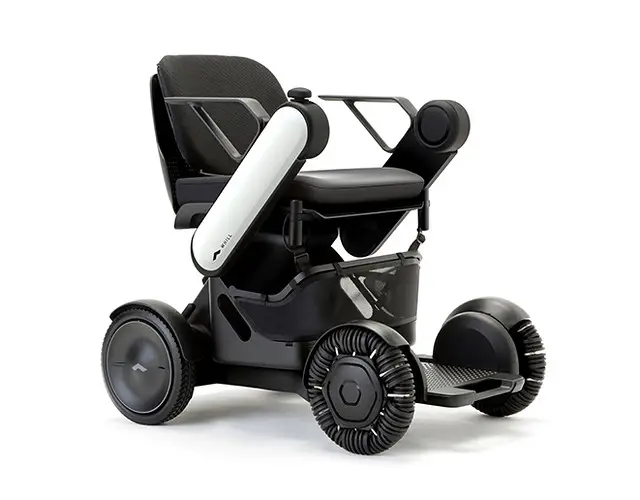
Whill C Model Powerchair Powerchairs Dublin

Replacing wheelchair batteries can feel overwhelming, especially if it’s your first time handling them. But with the right guidance, tools, and preparation, the process is straightforward and empowering. For wheelchair users in Ireland, maintaining mobility is essential for independence and community engagement.

This guide will walk you through everything you need to know: from identifying the right battery type, recognizing when replacement is necessary, choosing reliable options, installing new batteries, and disposing of the old ones responsibly. Along the way, we’ll help you connect with Irish resources and highlight maintenance tips to extend the life of your wheelchair batteries.

For those needing more than a DIY fix, we’ll also recommend expert help available through Irish Stairlifts & Bathrooms, a trusted provider of mobility aids across Ireland.


Key Takeaways

  • Identify whether your wheelchair uses sealed lead-acid (SLA) or lithium-ion batteries before replacing.

  • Gather the required tools: socket wrench, screwdriver, multimeter, gloves, and a container for disposal.

  • Always take proper safety precautions, including working in a ventilated space and disconnecting power sources.

  • Follow step-by-step installation instructions to prevent damage and ensure correct setup.

  • Test performance after replacement by checking voltage and taking a short test drive.

  • Extend battery life with routine maintenance and proper storage.

  • Recycle batteries responsibly at certified centers in Ireland.


Understanding Your Wheelchair Battery Type

The first step in replacing wheelchair batteries in Ireland is determining which battery type your wheelchair uses. Most models rely on either sealed lead-acid (SLA) or lithium-ion batteries:

  • Sealed Lead-Acid (SLA):

    • Affordable and widely used.

    • Heavier, with shorter lifespans (1–2 years).

    • Require regular charging but minimal day-to-day maintenance.

  • Lithium-Ion:

    • Lightweight and portable.

    • Longer lifespan (often up to 5 years).

    • Faster charging and longer runtime, but higher upfront cost.

Some models may also use gel batteries, which are sealed and maintenance-free. To know for certain, check your user manual, or consult the supplier where you purchased your wheelchair.


Signs That Your Battery Needs Replacing

A failing wheelchair battery reduces independence and reliability. Watch for key signs:

Sign What It Means Action Needed
Reduced Range Charge depletes faster than usual Plan to replace soon
Jerky or Slow Movement Inconsistent power delivery Install new batteries
Frequent Charging Needed Battery won’t hold long charges Replacement is imminent
 

Don’t ignore these problems — a new battery can restore smooth performance and give peace of mind.


Tools Required for Replacement

Gather these essentials before starting:

  • Socket wrench or screwdriver (to open the compartment).

  • Safety gloves to protect your hands.

  • Multimeter to confirm electrical output.

  • Clean cloth for cleaning terminal corrosion.

  • container for disposal, as batteries must never go in household bins.

Being prepared saves time, keeps you safe, and minimizes frustration.


Preparing for Battery Replacement

Before removing or installing batteries:

  • Clear a spacious, well-lit work area.

  • Confirm your wheelchair is powered off and disconnected.

  • Position tools and replacement batteries nearby.

  • Have someone available for assistance, especially since batteries can be heavy.


Safety Precautions

Replacing wheelchair batteries involves handling electrical components. Always:

  • Work in a ventilated area to avoid inhaling fumes.

  • Wear safety gloves and goggles in case of acid leaks.

  • Disconnect any chargers or power inputs first.

  • Never mix different types or brands of batteries.

Your safety and mobility are worth taking extra care.


Removing the Old Batteries

To safely remove batteries:

  1. Locate the battery compartment (usually under the seat or rear frame).

  2. Switch off the power.

  3. Disconnect cables carefully, noting the positive and negative arrangement.

  4. Gently lift batteries out — consider asking for help due to weight.


Choosing the Right Replacement Batteries

Your wheelchair manual is your best guide for compatible batteries. In Ireland, you can source high-quality replacements from mobility suppliers like Irish Stairlifts’ battery range.

Battery Types

  • Lead-Acid: Cost-efficient and proven.

  • Lithium-Ion: Lightweight, longer range.

  • Gel: Maintenance-free and environmentally safer.

Voltage and Capacity

Most wheelchairs require either 12V or 24V batteries. Capacity, measured in amp-hours (Ah), determines how long you can go between charges. Frequent travelers should consider higher-capacity batteries for uninterrupted mobility.


Installing the New Batteries

When installing new batteries:

  1. Position them securely in the compartment.

  2. Reconnect terminals, ensuring proper polarity.

  3. Tighten connections firmly.

  4. Organize cables to prevent tangling or wear.

Never force connections. Each terminal must sit snugly and correctly aligned.


Testing Performance After Replacement

Testing ensures everything is functioning before full use.

Checking Voltage

  • Use a multimeter to measure current output.

  • Confirm results align with the manufacturer specifications.

Taking a Test Drive

  • Drive short distances in a familiar area.

  • Check acceleration, braking, and handling.

  • Test inclines or uneven surfaces for reliability.

If any issue arises, double-check connections or consult a technician.


Maintaining Your New Batteries

Proper maintenance extends lifespan and performance:

  • Keep batteries fully charged and avoid deep discharges.

  • Store in a cool, dry place if not in use.

  • Clean dirt or corrosion from terminals regularly.

  • Charge overnight, but avoid leaving plugged in for weeks on end.

For more tips about mobility product care in Ireland, see Irish Stairlifts’ Mobility Aids section.


Recycling Old Batteries Responsibly

Wheelchair batteries contain chemicals harmful to the environment. In Ireland, it is illegal to dispose of them with household waste.

Safe recycling options:

  • Local authority recycling centers.

  • Community collection points for WEEE (Waste Electrical and Electronic Equipment).

  • Supplier take-back programs for customers replacing batteries.

Responsible recycling protects the planet and keeps hazardous materials out of landfills.


Resources for Wheelchair Users in Ireland

Several organizations provide support:

Exploring these networks keeps you informed and supported within your community.


Frequently Asked Questions

How long do wheelchair batteries last?

Typically 1–3 years for lead-acid, up to 5 years for lithium-ion, depending on usage and care.

Can I use any battery brand?

No. Always follow manufacturer guidelines to ensure compatibility and safety.

What if my wheelchair won’t charge?

Check your charger, outlets, and cable connections. If the issue persists, test the battery with a multimeter or consult a technician.

Do wheelchair batteries come with warranties?

Yes, most are covered for 6 months to 2 years. Always inquire when purchasing.

Should I hire a technician or DIY?

If you’re confident with tools and instructions, DIY is fine. Otherwise, have a certified professional do it for guaranteed safety.


Conclusion

Replacing wheelchair batteries in Ireland doesn’t need to be intimidating. With the right tools, proper safety practices, and informed decisions, you’ll keep your wheelchair running reliably, ensuring uninterrupted independence. By following this guide, you’ll not only maintain mobility but also contribute to a cleaner environment through responsible recycling.

Your mobility is your gateway to independence — don’t let a weak battery hold you back.


Ready to Replace Your Wheelchair Batteries?

At Irish Stairlifts & Bathrooms, we provide high-quality replacement wheelchair batteries, paired with expert advice and installation services. Whether you prefer a DIY approach or need professional assistance, our team is here to help you stay mobile and confident.

Categories Outdoor & Independence Solutions

How Long Do Mobility Scooter Batteries Last?

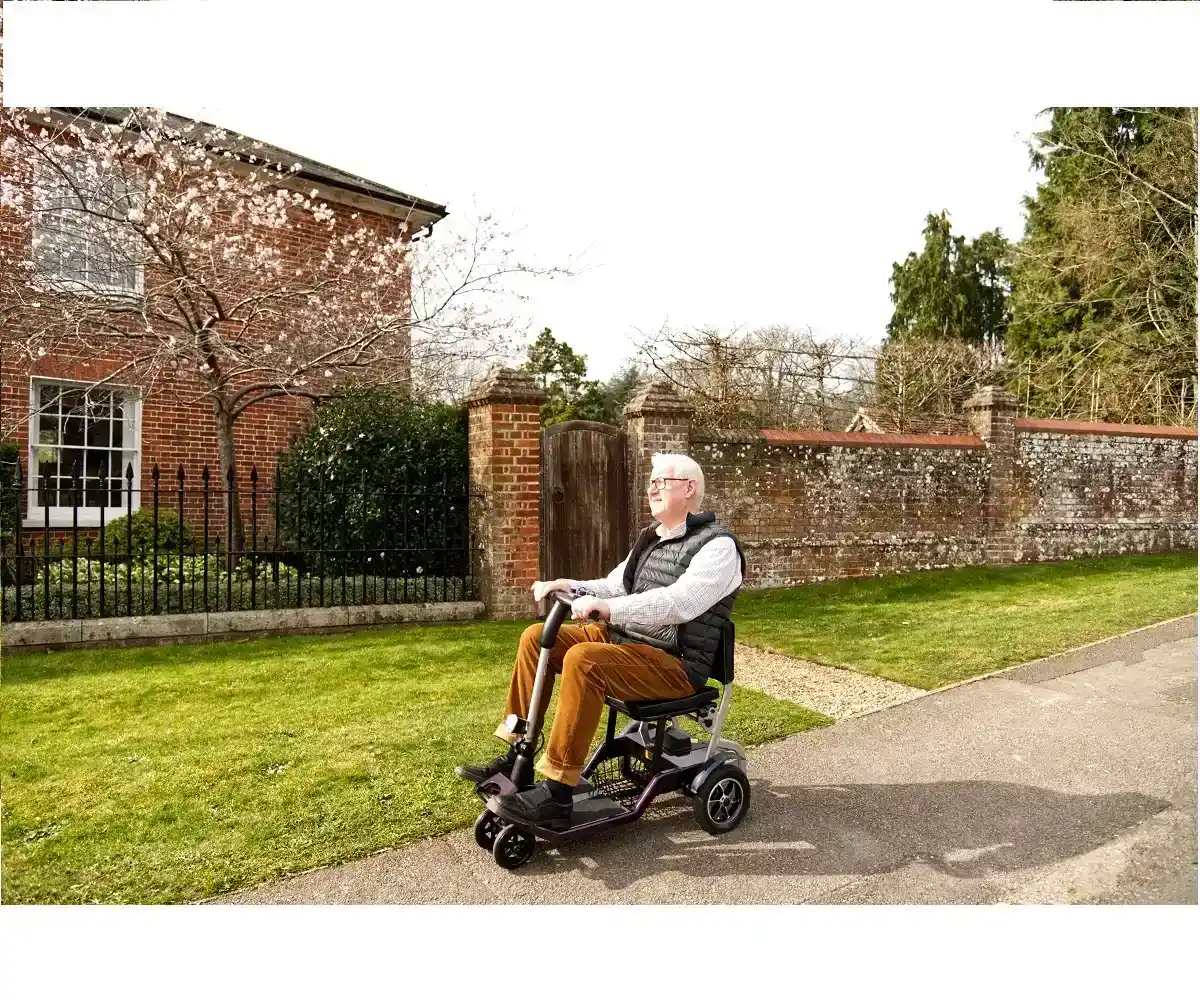
elderly man using qfold mobility scooter

Mobility scooters are life-enhancing devices, offering freedom and independence to thousands of people across Ireland and beyond. But one of the most common concerns among users is this: How long do mobility scooter batteries last? In most cases, your battery will last between 1 to 5 years, depending on its type, your usage, charging habits, and how well you maintain it. Sealed lead-acid batteries tend to last around 1–2 years, while lithium-ion batteries can last up to 5 years or even longer.

Since your mobility scooter is only as reliable as its battery, understanding the factors that influence battery lifespan is essential. In this guide, we’ll go through battery types, average lifespan, proper maintenance tips, and practical solutions to extend performance. You’ll also learn when it’s time to replace your scooter battery and how to dispose of it responsibly.


Key Takeaways

  • Lead-acid batteries typically last around 1–2 years, while lithium-ion batteries often last 3–5 years or longer.

  • Gel batteries average 2–4 years; AGM batteries 2–3 years; and NiMH batteries 2–5 years.

  • Usage frequency, charging habits, and environmental conditions significantly influence lifespan.

  • Light use (1–2 times per week) can extend battery life, while daily heavy use shortens it.

  • Regular maintenance ensures optimal performance and delay unnecessary replacements.

For those new to mobility scooters, check out our guide on choosing the right mobility scooter in Ireland.


Understanding Mobility Scooter Batteries

Mobility scooters play an essential role in helping users retain independence, whether attending appointments, shopping locally, or spending quality time outdoors. Since mobility scooters rely entirely on their battery for performance, understanding the battery system is critical.

A mobility scooter battery determines:

  • How far you can travel before needing a recharge.

  • How long the scooter lasts over its lifetime.

  • Reliability during daily tasks or longer journeys.

Poorly maintained batteries result in sudden breakdowns, shorter range, and unnecessary expenses. Being proactive with care helps your scooter become a dependable companion rather than a frustrating burden.


Types of Batteries Used in Mobility Scooters

Not all scooters use the same batteries. Different types offer varying capacities, charging requirements, lifespans, and prices. Here are the five most common:

  • Sealed Lead-Acid (SLA): Affordable and widely available but heavier, lasting around 1–2 years with regular use.

  • Lithium-Ion: Lightweight, charges quickly, and lasts up to 3–5 years or more, though more expensive.

  • Gel Batteries: Safer and leak-resistant with a lifespan of 2–4 years. Popular in mid-range scooters.

  • AGM (Absorbent Glass Mat): Designed for better durability and sealed to prevent leaks. Lifespan averages 2–3 years.

  • NiMH (Nickel-Metal Hydride): Less common but lightweight and efficient, lasting around 2–5 years.

If you’re exploring different models, take a look at our electric mobility scooter range where battery type is an important factor.


Average Lifespan of Mobility Scooter Batteries

Here is a quick breakdown of typical lifespans:

Battery Type Average Lifespan
Lead-Acid 1–2 years
Lithium-Ion 3–5 years (sometimes longer)
Gel Batteries 2–4 years
AGM Batteries 2–3 years
NiMH Batteries 2–5 years
 

The figures above assume regular maintenance and moderate use. Heavy daily use, poor charging practices, or operating in extreme conditions shorten lifespan considerably.


Factors Affecting Battery Life

Your battery’s longevity depends on three major categories:

Usage Frequency

  • Light use (1-2 times/week): Batteries may last beyond 2–3 years.

  • Moderate use (3-5 times/week): Lifespan drops to 1–2 years.

  • Heavy use (daily): Often less than a year, especially with lead-acid types.

Charging Practices

  • Use the original charger to avoid compatibility issues.

  • Avoid deep discharges — keep levels above 20%.

  • Unplug once full to prevent overcharging.

Environmental Conditions

  • Extreme heat leads to overheating and cell damage.

  • Low temperatures reduce efficiency.

  • High humidity may cause corrosion.

If your scooter is often exposed to Irish weather conditions, consider storing it indoors or in a dry shed. Read our advice on mobility scooter storage for additional protection.


Importance of Regular Maintenance

Routine maintenance should never be ignored. By inspecting and caring for your battery, you will:

  • Extend overall lifespan.

  • Prevent expensive breakdowns.

  • Ensure your scooter responds reliably every time.

Routine Battery Checks

  • Inspect for leaks or corrosion.

  • Keep terminals clean and free of dirt or rust.

  • Test for charge-holding capacity if noticing weaker performance.

Proper Charging Practices

  • Always recharge after every use.

  • Do not leave fully discharged overnight.

  • Charge in a ventilated area.

Environmental Storage

  • Keep away from excessive dampness.

  • Avoid leaving your scooter outdoors for long periods.


Terrain Impact on Battery Performance

The terrain you ride on makes a difference:

  • Flat tarmac or paved surfaces: Minimal strain, longest battery efficiency.

  • Hilly terrain: Extra motor effort shortens range and drains battery faster.

  • Rough or grassy surfaces: Creates uneven resistance, also consuming more power.

When planning routes, a flatter path may preserve power and extend range.


Weight Capacity and Battery Load

Each scooter comes with a specific weight capacity. Overloading will:

  • Cause faster charge depletion.

  • Strain the motor and shorten battery life.

  • Potentially create safety risks.

If you often carry items, look into scooters with higher weight limits, available in our heavy-duty mobility scooter category.


Signs of a Deteriorating Battery

You’ll know it’s time to check or replace your battery if you notice:

  • Shortened driving range: Needing frequent recharges for short trips.

  • Slow charging times: Batteries taking hours longer than usual.

  • Unusual noises or smells: Hissing, popping, or chemical odours indicate safety issues.

  • Visible damage: Swollen casing or leaking fluid.


Tips for Extending Battery Life

  • Fully recharge after each use.

  • Avoid running below 20%.

  • Keep tyres inflated (low tyres force batteries to use more power).

  • Avoid storing in hot garages or damp sheds.

  • Clean terminals frequently.

For advice on selecting replacement batteries and accessories, browse our mobility scooter batteries and parts.


When to Replace Your Mobility Scooter Battery

Replace your battery when:

  • It no longer holds power for a standard journey.

  • Your scooter struggles to reach even modest inclines.

  • Performance continues to decline despite maintenance.

Replacing before complete failure prevents unnecessary inconvenience, especially if you rely on your scooter for daily trips.


Eco-Friendly Disposal of Old Batteries

Never throw old batteries in standard waste bins. Instead:

  • Drop them at recycling centres.

  • Return them to suppliers for safe disposal.

  • Check local hazardous waste drop-off points.

Sustainable disposal keeps harmful chemicals out of landfills and protects the environment.


Frequently Asked Questions

Can I use my mobility scooter while charging?

No. For safety, scooters should not be used while plugged into a charger.

How do I know when my battery is fully charged?

Most chargers have indicator lights, usually turning green when complete.

Can I upgrade to a bigger battery?

Possibly, but always check compatibility with your scooter model.

How long should I expect daily use batteries to last?

For heavy use, expect to replace batteries every 12–18 months unless you upgrade to lithium-ion.

What should I do if my battery is leaking?

Stop use immediately, disconnect carefully, and arrange safe disposal.


Conclusion

Your mobility scooter’s battery determines how much independence, safety, and confidence you can enjoy each day. By understanding the different types of scooter batteries, adopting good charging habits, carrying out routine maintenance, and recognising the signs of deterioration, you can optimise performance and extend lifespan.

When it finally comes time for replacement, make sure you select a battery suited to your needs and scooter model, and always dispose of old batteries responsibly. Treat your battery well, and it will reward you with consistent freedom and independence.


Ready to Upgrade Your Battery?

At Irish Stairlifts & Bathrooms, we stock a full selection of mobility scooters, replacement batteries, and accessories to ensure your independence never stops. Whether you need advice, servicing, or an upgrade, our team is here to help.

👉 Browse our mobility scooters and accessories today and keep your freedom moving!

Categories Mobility Aids

What Are Wheelchair Safety Tips for Daily Use?

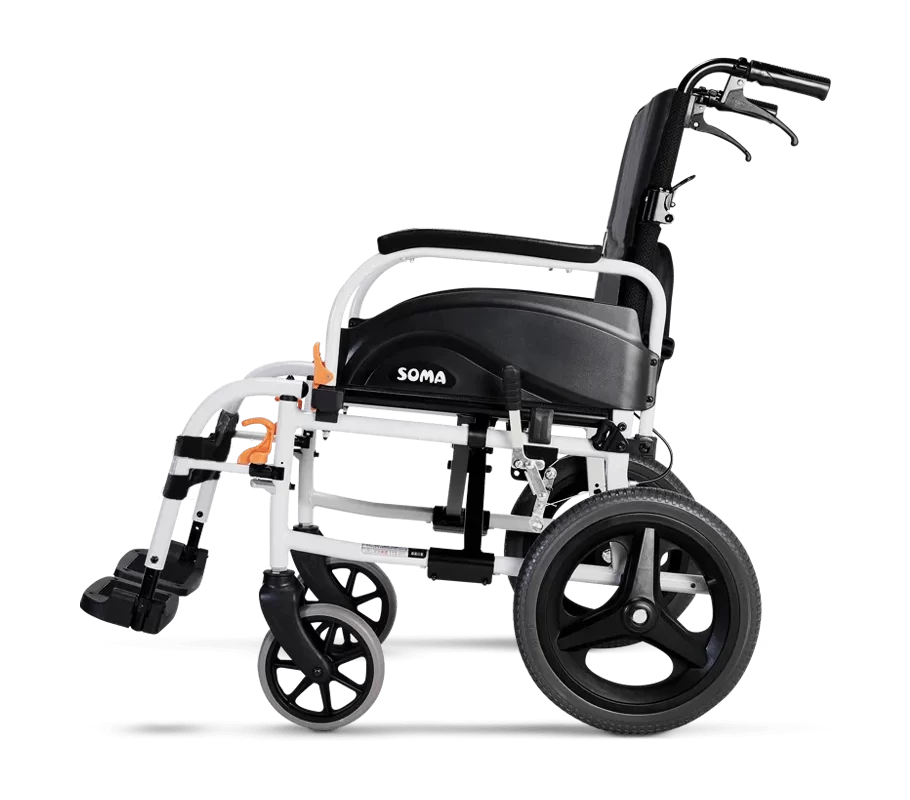
Agile Lightweight Wheelchair

Staying safe while using a wheelchair goes hand in hand with maintaining your independence, comfort, and mobility. Whether you’re new to wheelchair use or have been navigating with one for years, prioritizing wheelchair safety is essential. From learning the mechanics of your chair to mastering navigation techniques, building awareness of your environment, and planning your routes, the right precautions can transform your experience.

In this comprehensive guide, we’ll explore not just the practical elements of daily wheelchair safety but also strategies for integrating these habits into your lifestyle. By the end of this article, you’ll walk—or roll—away with actionable knowledge, peace of mind, and renewed confidence to take on any terrain.


Key Takeaways

  • Stay aware of your surroundings to avoid hazards, pedestrians, and cyclists.

  • Inspect your wheelchair daily, ensuring brakes, tires, and footrests are working properly.

  • Plan ahead by identifying accessible, obstacle-free routes.

  • Maintain good posture to reduce fatigue and prevent long-term health issues.

  • Don’t hesitate to ask for help—effective communication ensures your safety.

  • Use safety accessories, from seat belts to reflectors, to minimize risks.


Understanding Your Wheelchair

Your wheelchair isn’t just a device—it’s a part of your independence and identity. Understanding every component of your chair is the foundation of safety.

Familiarize yourself with these key elements:

  • Brakes: Always ensure they’re properly adjusted and hold your chair in place when locked.

  • Footrests and Armrests: Adjust them to suit your body, preventing strain and discomfort.

  • Cushioning: A proper seat cushion reduces the risk of pressure sores and improves posture.

  • Wheels and Tires: Inspect your tires for air pressure and traction; this makes a huge difference on different terrains.

By getting comfortable with your chair’s mechanics, you empower yourself to troubleshoot small issues, spot early signs of wear and tear, and adapt your chair to your changing needs.

If you’re considering upgrades for comfort or safety, you may find solutions in our wheelchair cushions and mobility aids product pages.


Mastering Navigation Techniques

A safe wheelchair journey requires more than simply moving forward. You’ll need techniques to plan routesavoid obstacles, and manage elevation changes confidently.

Route Planning Essentials

Effective planning saves time and helps you avoid stressful or unsafe environments.

  • Research routes that have ramps, lifts, and accessible crossings.

  • Use apps designed for wheelchair navigation, which show accessible areas in real time.

  • Always factor in rest stops, especially for longer trips.

  • Check listings for accessible entrances, particularly in shopping centres, offices, or restaurants.

For instance, when attending community events or traveling for appointments, pairing route planning with resources like mobility scooters can enhance flexibility.

Obstacle Avoidance Strategies

Crowded or uneven environments can be tricky, but awareness and technique keep you safe.

  • Keep your eyes scanning ahead, watching both near and far.

  • Slow down when approaching enclosed spaces or corners.

  • Communicate with people around you if you need extra space to pass.

  • Practice tight turns in a safe environment until you feel confident.

This allows you to handle unpredictable environments, like supermarkets or busy pavements, without anxiety.

Elevation Management Techniques

Managing ramps, slopes, and curbs requires technique and practice.

  • For ramps, lean slightly forward, propel steadily, and avoid pushing too fast.

  • For curbs, lift the front wheels first, then guide the back wheels with steady control.

  • Ask for support when facing steep inclines, as assistance can prevent accidents.

  • When possible, choose environments with curb cuts and smooth entryways.


Managing Different Terrains

One of the biggest challenges wheelchair users face is transitioning from one type of surface to another.

  • Grass and gravel: Use wider, treaded tires for better grip.

  • Sand: Stick to firm, damp sand whenever possible, or consider beach wheelchairs.

  • Snow and ice: Equip yourself with anti-slip tires, and avoid icy surfaces if possible.

  • Urban environments: Always look for dropped curbs, tactile paving stones, or uneven manhole covers.

If you often encounter multiple surfaces, choosing the right wheelchair or powered chair tailored for such terrains makes a tremendous difference.


Maintaining Awareness of Your Surroundings

Awareness allows you to stay proactive rather than reactive.

Observing Pedestrian Traffic

  • Stay alert in crowded urban areas, especially where cyclists or scooters share space.

  • At intersections, always pause to scan thoroughly.

  • Use mirrors or practice peripheral awareness to handle multi-directional traffic flows.

Checking Obstacles Ahead

Habitually scanning for low-level hazards is essential. Watch out for:

  • Uneven pavements, potholes, or cracks.

  • Small objects like toys, cables, or shopping bags in indoor environments.

  • Pets or children darting across your path unexpectedly.

By mastering situational awareness, you reduce the risk of collision and reinforce cooperation with those around you.


Ensuring Proper Posture and Support

Long hours of use without proper posture create risks like spine strain and pressure sores.

  • Keep shoulders relaxed but avoid slouching.

  • Push your hips back in the seat so your spine aligns correctly.

  • Use cushions that distribute weight evenly.

  • Adjust footrests so feet are flat, not dangling.

  • Take micro-breaks, shifting your weight or stretching every couple of hours.

A well-proportioned posture enhances both mobility and long-term health. Specialist backrests can also be added for tailored support.


Utilizing Safety Accessories

Accessories not only enhance comfort but also provide life-saving safety benefits.

  • Anti-tip bars: Prevent wheelchairs from tipping backwards on slopes.

  • Seat belts or harnesses: Offer stability during motion.

  • Reflectors and lights: Vital for evening use or indoor low-light conditions.

  • Bags and holders: Reduce the temptation to lean dangerously for belongings.

Exploring useful accessories at our wheelchair accessories collection can help transform your daily experience.


Planning Your Routes

Carefully planned journeys make you safer and more relaxed.

  • Map entrances or exits in advance.

  • Call ahead to ask whether a location is accessible.

  • Use apps that provide real-time accessibility data.

  • Explore community feedback forums for hidden tips about local terrain.

Pairing route planning with mobility solutions such as vehicle adaptations can also make longer journeys more practical.


Communicating With Others for Assistance

Even with preparation, there will be times when you’ll need help. Communicating effectively ensures it’s safe and dignified.

  • Speak clearly about exactly what you need—e.g., “Please hold my chair steady while I push up this ramp.”

  • Don’t hesitate to say no if offered unsafe assistance.

  • Make eye contact and use gestures in noisy or busy areas.

  • Express gratitude—a simple thank you fosters community.

Remember: asking for help is not a weakness. It’s part of building a more accessible society.


Frequently Asked Questions

How often should I inspect my wheelchair?

Carry out a quick daily check of brakes, tires, and cushions. Perform more detailed maintenance checks weekly. For professional servicing, aim for at least once annually. See our wheelchair maintenance services if you require expert support.

What if my wheelchair malfunctions unexpectedly?

Stop safely, examine the visible problem, and call a friend or professional. Always keep your mobile phone handy in case of emergencies.

Are there laws protecting wheelchair safety?

Yes, accessibility laws and disability rights legislation guarantee fair treatment and safe mobility. Such protections vary by region, but they typically cover buildings, public transit, and road-user safety.

How can I transport my wheelchair in a vehicle safely?

Use tie-downs, ramps, or lifts to secure it within the car. Always double-check straps and placement before driving.

What should I carry for emergencies?

Keep a small kit including adhesives, antiseptic wipes, medications, and gauze in a side bag. You can find durable wheelchair bags that make carrying essential supplies easier.


Conclusion

Your wheelchair is more than a mobility device—it is an extension of your lifestyle. By mastering fundamental safety tips such as understanding your wheelchair, planning routes, staying alert, maintaining posture, and using accessories, you set yourself up for smoother, safer, and more confident journeys every day.

Safety is not about creating restrictions—it’s about unlocking freedom by removing avoidable risks. The more care you give to practicing these habits, the greater independence and peace of mind you’ll enjoy.


Take Control of Your Independence Today

At Irish Stairlifts & Bathrooms, we’re passionate about helping you live freely and safely. From wheelchairs, powered chairs, and mobility scooters to vehicle adaptations and bathroom accessibility solutions, we have what you need to live with confidence.

Ready to improve your daily mobility and safety? Contact us today for expert advice, product recommendations, and installation services tailored to your needs.