
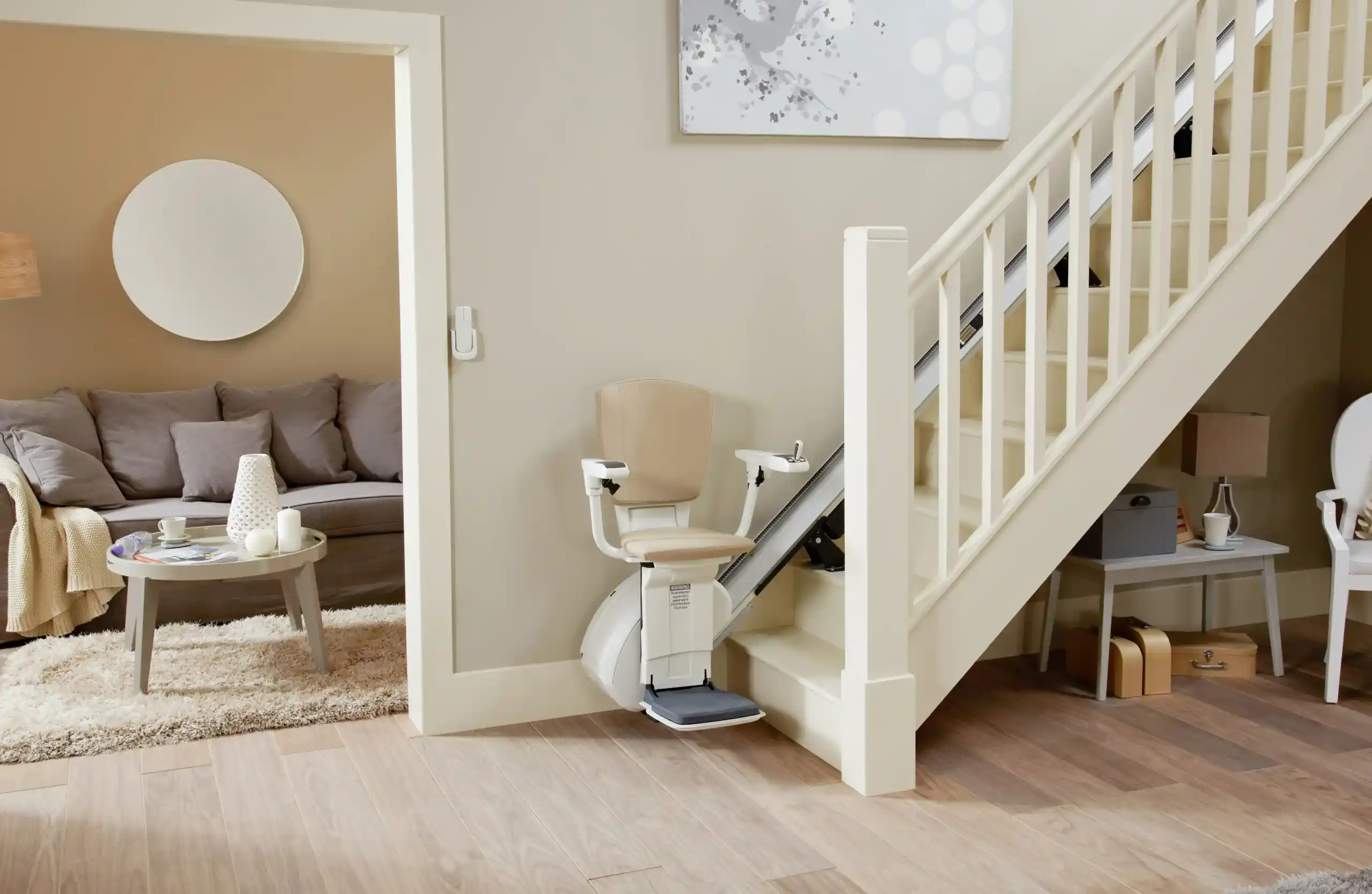

Did you know that nearly 30% of stairlift users experience some form of malfunction each year? Stairlifts play a crucial role in maintaining independence and safety within the home, especially for people with limited mobility. That’s why knowing how to identify and handle common stairlift repairs is vital to guarantee continued safety and functionality. Whether it’s unusual noises, sluggish movement, or error codes showing on your stairlift display, understanding the signs can help you react swiftly and appropriately. This guide will provide you with detailed tips, examples, troubleshooting techniques, and professional advice to keep your stairlift running smoothly.
Key Takeaways
-
Regularly inspect and maintain your stairlift batteries to avoid sudden breakdowns in Ireland.
-
Promptly address any unusual noises or sluggish movement to prevent safety hazards.
-
Clean stairlift rails and inspect for debris regularly to ensure smooth operation.
-
Use your user manual for understanding error codes and troubleshooting; seek professional help for complex issues.
-
Schedule routine maintenance with professionals for early wear-and-tear detection and longer stairlift longevity.
Understanding Your Stairlift System
To care for your stairlift effectively and prolong its lifespan, it is essential to understand its basic components and system functionality. Most stairlifts consist of:
-
The Chair: Where the user sits, which often includes safety features like seatbelts and swivel seats.
-
The Rail: Mounted along the staircase, guiding the stairlift up and down.
-
The Motor: Powers the stairlift along the rail, typically battery-operated.
-
The Control System: Includes buttons, joysticks, or remote controls to operate the stairlift.
Knowing how each part works empowers you to spot potential problems early. For example, if the chair makes a grinding noise or hesitates while moving, it likely points to motor or track issues. Regularly checking the battery status also ensures your lift functions, even during power outages.
You can read more about different types of stairlifts available in Ireland to better understand which model you have and any specific maintenance needs it may entail.
Common Signs of Stairlift Malfunctions
Recognising early symptoms of stairlift problems can save you from costly repairs and reduce safety risks. Watch out for these signs:
-
Unusual Noises: Grinding, squeaking, or clicking sounds often signal mechanical or motor issues.
-
Sluggish Movement: If the stairlift moves slowly, hesitates, or jerks, it may indicate battery failure or track obstruction.
-
Inconsistent Stops: Smooth stops at landings are essential for safety; jerky or inconsistent stopping can indicate sensor or brake problems.
-
Error Codes: Modern stairlifts display fault codes or indicator lights that can guide troubleshooting.
Checking the Power Supply
Many common stairlift malfunctions stem from power supply issues, so this should be your first troubleshooting step.
-
Ensure the Unit is Plugged In Properly: Sometimes, the problem may be as simple as a loose power connection.
-
Check Circuit Breakers: A tripped breaker can interrupt power; reset it if needed.
-
Battery Backup Health: Stairlifts usually run on rechargeable batteries to operate during outages. Check that the battery is charging fully and replace it every 2-3 years to avoid performance issues.
-
Listen for Unusual Startup Noises: Strange sounds on power-up might indicate electrical or motor faults.
Inspecting the Rail for Obstructions
The rail is the pathway your stairlift follows, so any debris or misalignment can cause serious issues. Regular inspection helps prevent sudden stops or jerky rides.
How to inspect:
-
Visual Check: Remove any dust, toys, shoes, or dirt from the rail.
-
Tighten Loose Fittings: Loose bolts or screws along the rail should be tightened to prevent instability.
-
Clean the Rail: Use a soft cloth with mild detergent to clean the surface. Avoid heavy oils; use manufacturer-approved lubricants.
-
Manual Testing: Gently slide the chair along the rail to detect resistance or rough patches.
Troubleshooting Seat and Safety Belt Issues
A securely attached seat and a functioning safety belt are paramount for user safety. Here’s how to check:
-
Seat Attachment: Ensure the seat is tightly bolted and doesn’t wobble. If you notice cracks or excessive wear, replacement might be needed.
-
Safety Belt Condition: Look for frays, tears, or stiffness; the belt should retract smoothly and lock securely. Any malfunction requires immediate repair or replacement.
-
Professional Help: For seat or belt repairs, consulting a qualified technician ensures components meet safety standards.
Discover more about your stairlift’s safety features and how they protect you.
Addressing Speed and Stopping Problems
Stairlifts need to operate at a consistent and safe speed with reliable stopping mechanisms.
Key checkpoint list:
-
Battery Condition: A weak or aged battery can cause slow or jerky movement.
-
Track Inspection: Debris or damage can hinder movement and stopping accuracy.
-
Adjust Speed Settings: Many stairlifts allow speed adjustments; check your user manual for instructions.
-
Brake Testing: Confirm brakes engage properly and smoothly to avoid sudden halts or uncontrolled descents.
If these simple checks don’t resolve the issues, professional servicing is recommended for brake or motor repairs.
Handling Error Codes and Indicators
Modern stairlifts feature error codes and indicator lights to alert users of specific problems.
Common Error Codes in Ireland
Here are some frequently encountered codes and their meanings:
-
E01: Power supply issue — check plug and battery.
-
E02: Obstruction detected on track — clear all debris.
-
E03: Battery fault — consider battery replacement.
-
E04: Seatbelt problem — check that belt is fastened and operational.
Refer to your manual for codes specific to your model. Many stairlift providers offer online resources explaining these codes.
Indicator Light Meanings
-
Green Light (Steady): Normal operation.
-
Red Light: Immediate attention needed; stop use until resolved.
-
Flashing Yellow: Standby mode or low battery warning.
Troubleshooting Steps
-
Check power and battery charge.
-
Clear track obstructions.
-
Reset system by turning off/on.
-
Contact technician if problem persists.
Maintenance Tips for Longevity
Regular maintenance not only extends your stairlift’s life but also ensures optimum safety and reliability.
Regular Lubrication Schedule
Lubrication reduces friction and wear on mechanical parts.
-
Monthly Inspection: Look for rough movement or squeaking sounds.
-
Use Recommended Lubricant: Avoid heavy oils that attract dust; use manufacturer-approved products.
-
Apply Evenly: Lubricate rails and moving joints with care.
-
Wipe Excess: Prevent buildup that may trap dirt.
Inspect Safety Features
Routine checks on safety components include:
-
Seatbelts: Test locking mechanism and retraction.
-
Safety Sensors: Test by placing small objects on the track to ensure automatic stops.
-
Armrests and Footrests: Check for wear or loose parts.
-
Emergency Stop Button: Ensure it’s easily reachable and responsive.
Check Battery Health
Batteries are lifelines for your stairlift:
-
Inspect charging terminals for corrosion.
-
Always park the stairlift on its charging station after use.
-
Replace batteries every 2-3 years or if performance declines.
-
Perform regular test runs to ensure consistent speed and responsiveness.
When to Call a Professional Technician
Certain issues require expert intervention to avoid safety risks or further damage:
-
Unusual or loud noises from motors or gears.
-
Persistent error codes after basic troubleshooting.
-
Inconsistent speed or sudden stops.
-
Electrical faults or visible damage.
-
Any doubts about repair procedures.
Hiring a certified technician ensures repairs meet Irish safety standards and that your warranty remains valid. Many companies offer fast response and nationwide coverage; for example, BM Stairlifts offers service within 24 hours across Ireland.
DIY Repairs: What You Can Do
For small, non-technical repairs, many users can safely perform these tasks:
-
Battery Check: Ensure batteries are charged and in good condition.
-
Clean Tracks: Remove dust and debris with a soft cloth regularly.
-
Inspect Seatbelt: Look for fraying and test locking mechanism.
-
Tighten Screws: Periodically tighten loose bolts or screws to prevent wobbling.
Avoid complex repairs involving electrical or motor components, as these require professional tools and training.
The Importance of Regular Inspections
Scheduling periodic inspections, ideally yearly, helps detect early wear and prevent breakdowns. Think of it as essential care for your stairlift, just like vehicle servicing. Inspections monitor battery health, safety features, and mechanical integrity. Keeping your stairlift in top condition provides peace of mind for you and your family.
Preparing for Emergency Situations
Being prepared for unexpected stairlift failures can enhance safety and reduce stress.
Steps to prepare:
-
Familiarize Yourself with the Manual: Know basic troubleshooting and emergency procedures.
-
Establish Backup Plans: Arrange assistance from family, friends, or caregivers if the stairlift fails.
-
Keep Emergency Contact List: Include your stairlift provider and local technicians.
-
Regular Battery Checks: Ensure batteries are charged to avoid power loss during use.
Preparedness fosters confidence living independently in your home.
Frequently Asked Questions
How Much Do Common Stairlift Repairs Typically Cost in Ireland?
Common repairs range from €100 to €300 depending on the issue’s complexity. Always get a clear, fixed quote from reputable technicians to avoid surprise charges.
Are Stairlift Repairs Covered by Insurance?
Coverage varies by policy. Review your insurance details or contact your insurer directly. Many people find stairlift insurance details confusing; experts can guide you.
How Long Do Stairlift Repairs Usually Take?
Most repairs take 1 to 2 hours. Complex parts replacement or battery swaps may take longer but typically are completed the same day.
Can I Perform Repairs on My Stairlift Without Voiding the Warranty?
Most warranties require professional servicing to remain valid. DIY repairs can risk voiding warranty or causing unforeseen damage.
What Should I Do If My Stairlift Stops Working Unexpectedly?
First, check power supply and batteries. If unresolved, contact your stairlift provider promptly for support.
Conclusion
In Ireland, over 50% of stairlift users experience some form of malfunction each year. Staying proactive with regular inspections, maintenance, and knowing how to handle common repairs means your stairlift will remain safe, reliable, and efficient for years to come. Remember, always prioritize your safety by involving professional technicians for complex issues or if unsure. With proper care, your stairlift will give you peace of mind and the confidence to navigate your home independently and securely.
Take the next step today: contact Irish Stairlifts for a professional service consultation or to schedule your stairlift maintenance. Our expert team is here to keep you moving safely and comfortably. Visit our contact page or request a free repair quote online.

Take the First Step to Independence
Trusted Mobility & Grant Experts Since 1999
Book Your Free Home AssessmentISB Mobility Showroom – Clane
Unit C5/C6 Clane Business Park
Kilcock Road, Clane, Co. Kildare
Eircode: W91 NF86
045 892 696 | 0818 818 500
showroom@irishstairlifts.ie
Mon–Thu: 9am–5pm | Fri: 9am–4pm