Fraud Blocker
Categories Outdoor & Independence Solutions

How to Maintain and Extend the Battery Life of a Mobility Scooter

mobility scooters

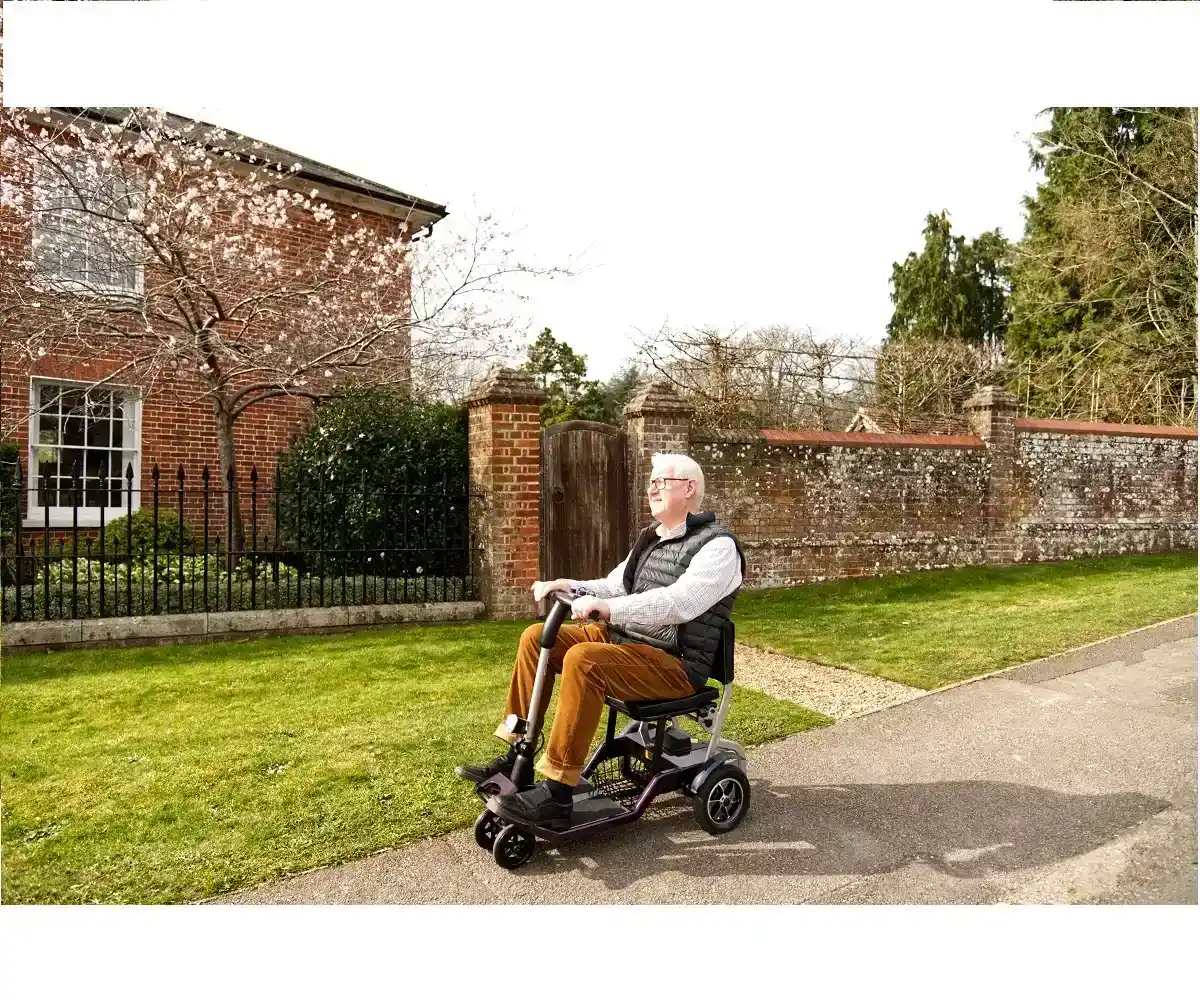
For many people across Ireland, a mobility scooter is more than just a mode of transport—it’s a lifeline to independence, social connection, and confidence. Whether it’s a trip into Dublin City Centre, visiting family in Galway, or simply enjoying a stroll along Bray Seafront, having a reliable scooter that you can trust is invaluable.

At the heart of every scooter lies its battery, and taking care of it properly can mean the difference between years of uninterrupted mobility and costly, stressful breakdowns. By following the right maintenance habits, proper charging techniques, and professional support, you can extend your scooter’s battery life while reducing unexpected repairs.

This guide will provide comprehensive tips tailored for Irish users, including advice on Ireland’s unique weather conditions, charging routines, and professional servicing options.


Key Takeaways

  • Charge your mobility scooter after each use and avoid letting the battery drop below 30%.

  • Store your scooter and battery away from extreme Irish weather conditions like frost and dampness.

  • Always use the manufacturer-approved charger to avoid reducing your battery’s lifespan.

  • Schedule professional maintenance checks in Ireland to prevent costly long-term issues.

  • Monitor your scooter’s range regularly to pick up on early signs of battery decline.

  • Share your experiences with other Irish scooter users through local groups for best practice insights.


Understanding Your Mobility Scooter Battery Types

Before you can take proper care of your battery, it’s important to understand the type you own. Most mobility scooters in Ireland use one of two main types:

  • Sealed Lead-Acid (SLA) Batteries These are cost-effective and reliable, often chosen for standard scooter models. However, they tend to be heavier and provide shorter lifespans compared to newer technologies. SLA batteries typically power smaller journeys and are best for those who don’t need long daily distances.

  • Lithium-Ion Batteries These lighter, more efficient batteries are increasingly found in modern scooters. They last significantly longer, can hold a charge better, and are ideal for users who want more portability and longer ranges (such as Belfast to Lisburn shopping trips).

When selecting or replacing your scooter’s battery in Ireland, consider how often and how far you’ll use it. For longer journeys or rural areas with less charging availability, lithium-ion may be the most suitable option.


Importance of Regular Charging

One of the most common battery mistakes Irish users make is waiting until the scooter is nearly drained before charging. This can weaken the cells and shorten the overall lifespan.

Instead:

  • Plug in your scooter after each journey—even short ones, like popping down to the local supermarket.

  • Don’t wait until the battery is empty; recharge at around 30–40%.

  • For heavier usage (such as long days out), consider topping up mid-day if possible.

With Ireland’s unpredictable weather and rural terrain, keeping your scooter reliably charged is the best way to avoid frustration.


Best Practices for Charging Your Battery

To ensure your scooter continues to run reliably for years, follow these critical charging practices:

  • Always use your official scooter charger (avoid cheaper, universal chargers that don’t match your battery specs).

  • Charge in a cool, dry place indoors—common Irish dampness from sheds or garages could damage connections.

  • Avoid leaving the scooter plugged in indefinitely, particularly overnight. Overcharging gradually weakens your battery.

  • Regularly check your sockets and power points. Many older Irish homes still use traditional wiring. Make sure it’s safe before charging.


Why Avoiding Deep Discharges is Essential

When a scooter battery runs completely empty, it undergoes a deep discharge. Repeatedly doing this significantly shortens the battery’s life expectancy.

Practical Irish example:

  • A user in rural Mayo who relies on their scooter for daily trips shouldn’t run it into single-digit percentages before every recharge. Instead, topping-up when possible extends reliability.

Ideally, maintain a 30–40% minimum charge threshold to keep your battery healthy.


Maintaining Optimal Battery Temperature in Ireland’s Climate

Temperature plays a huge role in a battery’s health. Ireland’s climate—frequent rain, damp air, and chilly winters—requires specific precautions:

  • Winter storage: Cold weather reduces capacity. Store scooters indoors during frost and avoid leaving them in garden sheds or garages that experience freezing overnight.

  • Summer care: While Ireland rarely exceeds 25°C, high summer days can still cause overheating if scooters are left in direct sunlight too long.

  • Damp conditions: Moist air contributes to electrical corrosion. Keep the scooter in well-ventilated, dry areas when not in use.

Using a scooter cover is highly recommended.


Cleaning and Maintaining Battery Terminals

Battery terminals must stay clean for secure electrical contact. Over time, moisture and dirt build-up (particularly in coastal towns like Cork or Galway) cause corrosion.

How to clean them safely:

  1. Turn off and unplug your scooter.

  2. Wear gloves for protection.

  3. Mix a small amount of baking soda with water. Use it with a soft brush to scrub corrosion from the terminals.

  4. Rinse with clean water and dry fully before reconnecting.

This simple habit can add years to your battery’s working life.


Fluid Levels and General Checks

If your scooter uses lead-acid batteries, checking fluid levels is key. Ireland’s climate causes faster evaporation rates in summer and risks of freezing in winter.

  • Only ever refill with distilled water, not tap water.

  • Ensure the level never drops below the recommended mark.

Also remember to routinely check:

  • Tyre pressure: Irish rural roads or cobbled footpaths may cause higher wear.

  • Brake fluid levels: Low levels can dramatically reduce safety when travelling through steep areas, such as Wicklow or Donegal towns.

Our mobility scooter servicing and repairs section details professional checks available nationwide.


Safe Storage Practices

Proper storage greatly extends battery life when scooters aren’t in use:

  • Avoid leaving your scooter in damp sheds or exposed to Irish coastal air.

  • Use breathable scooter covers instead of plastic tarps (which trap moisture).

  • If storing for long periods (e.g., during winter holidays), disconnect the battery or use a smart “trickle charger” to maintain health.


Monitoring Battery Performance

A scooter’s battery deteriorates slowly over time, so monitoring performance is the best defence against sudden breakdowns.

Tips for Irish users:

  • Note the range difference on repeat journeys. If your scooter used to last from Cork city centre to Blackpool Shopping Centre but now struggles halfway, it’s a warning sign.

  • Log weekly mileage and charging frequency to spot unusual patterns.

  • Watch for sudden discharge drops in colder weather, a common issue in Ireland.


Signs Your Battery Needs Replacement

Replacing a mobility scooter battery can feel daunting, but knowing the signs helps you prepare:

  • The battery doesn’t hold charge overnight.

  • Scooter struggles on inclines, showing less power.

  • Range becomes significantly shorter.

  • Swelling, leaks, or unusual odours occur.


Using the Right Charger

Not all chargers are created equal. Using an unsuitable one often reduces battery efficiency by half.

Always:

  • Match your charger to your battery type (SLA or lithium).

  • Double-check voltage requirements before purchase.

  • Replace broken chargers with approved models only


Professional Maintenance and Support Options

Even with the best care, professional servicing in Ireland is vital for safety and reliability. Regular maintenance helps you:

  • Diagnose battery or electrical issues early.

  • Guarantee brake, tyre, and steering performance.

  • Get expert advice on mileage, storage, and battery replacement.

At Irish Stairlifts & Bathrooms, we offer nationwide servicing for scooters, ensuring peace of mind no matter where in the country you live.


Frequently Asked Questions

How long will my scooter battery last?

With correct care, expect around 18–24 months of lifespan. Lithium-ion may last much longer, depending on usage frequency.

Can mobility scooters cope with Irish weather?

Yes, but caution is needed. Light rain is usually fine, but constant exposure to heavy rain or frost will damage the battery quickly.

Can I leave my scooter charging overnight?

Modern chargers often regulate capacity safely, but it’s still better practice to unplug it once fully charged.

Where can I recycle old mobility scooter batteries in Ireland?

Bring them to your local recycling centre or ask during your next service appointment. Do not dispose of batteries with regular household waste.


Conclusion

Maintaining your mobility scooter’s battery is about more than just long-lasting journeys—it’s about safeguarding your independence. By charging regularly, monitoring usage patterns, avoiding deep discharges, and preparing for Ireland’s unique damp and cool climate, you’ll keep your scooter reliable for everyday mobility.

Pairing these habits with professional support means fewer breakdowns, lower long-term costs, and greater peace of mind. With the right care, your scooter will remain a trusted companion for years to come—no matter where in Ireland life takes you.


If you want a longer-lasting and more reliable scooter experience, book a professional mobility scooter service in Ireland today with Irish Stairlifts & Bathrooms.

Whether you need new scooter batteriesrepairs, or day-to-day maintenance advice, our expert team is here to support you. Call us directly or book a free consultation online and keep your independence moving forward!

Categories Stairlifts & Home Lifts

How Does Ergonomic Stairlift Improve Comfort in Ireland?

Straight Reconditioned Stairlifts

When it comes to stairlifts in Ireland, comfort and safety are two of the most important factors for homeowners and their families. A stairlift should not only serve as a mobility solution but also as a reliable and pleasant daily companion. This is where ergonomic design takes centre stage.

Ergonomics is the science of arranging products and environments around human needs, ensuring maximum comfort, safety, and efficiency. When applied to stairlifts, it ensures that users—regardless of age or physical ability—can enjoy independence, confidence, and ease of use.

From adjustable seating to intuitive controls, ergonomic stairlifts reduce physical strain while offering smooth, seamless travel on the stairs. But what specific elements of ergonomic design truly make a difference in daily life, especially within Irish homes where staircases vary widely in style and size?

This article explores the many ways ergonomic design enhances stairlift comfort, independence, and well-being, while also providing tips on choosing the right model for your unique needs.


Key Takeaways

  • Ergonomic design in stairlifts adapts to individual needs, ensuring optimal comfort and safety.

  • Adjustable seating and armrests promote natural body positioning, reducing pressure on joints and muscles.

  • User-friendly controls and intuitive layouts allow effortless operation, especially for those with reduced dexterity.

  • Safety features woven into the design—like seatbelts, sensors, and swivel seats—enhance peace of mind.

  • Ergonomics contributes to independence, boosting mobility, confidence, and emotional well-being.


Understanding Ergonomic Design in Stairlifts

Ergonomic design addresses how humans interact with a product, focusing on ease of use, accessibility, and comfort. In stairlifts, this means every element—from the cushioning of the seat to the tilt of the footrest—is designed to support the user’s natural movements.

For instance, consider two people with different needs:

  • An older adult with arthritis may require soft padding and wider armrests.

  • A person recovering from surgery might prefer a higher seat to reduce the strain of sitting and standing.

By prioritising personal comfort and safety, ergonomic stairlifts reduce fatigue and stress while fostering confidence and independence. Ultimately, they turn what might otherwise be seen as a medical necessity into a welcoming feature of your home.


A Brief History of Ergonomics in Stairlift Design

The first stairlifts, invented in the early 20th century, were simplistic: functional but not especially comfortable. Over time, as the understanding of human ergonomics evolved, so did stairlift design.

  • Mid-20th century: Basic padded seats and standardised controls became common.

  • 1980s–90s: Adjustable armrests, swivel seats, and better cushioning were introduced.

  • Today: Stairlifts in Ireland now incorporate digital controls, memory functions, and fully customisable ergonomics, blending seamlessly into modern homes.

This evolution highlights an important truth: stairlifts are not just about getting upstairs; they are about maintaining dignity, independence, and comfort.


Key Ergonomic Features of Modern Stairlifts

Ergonomically designed stairlifts include a variety of features that directly enhance user comfort and confidence.

Feature Benefit Why It Matters
Adjustable Seat Custom fit for body type Prevents discomfort from poor posture
Soft, Supportive Padding Cushioned ride Reduces pressure on hips, spine, and joints
Safety Sensors Detect obstacles Stops accidents before they happen
Foldable Footrests Space-saving design Keeps staircases unobstructed
Swivel Seats Easy boarding/alighting Prevents twisting injuries

These features not only boost safety but also make stairlifts feel more like tailored furniture than medical equipment.

For more details on types of stairlifts available in Ireland, check out the guide on straight stairlifts and curved stairlifts.


The Importance of Seat Design and Positioning

One of the most significant aspects of stairlift ergonomics is seat design. The wrong seat height or positioning can make entering and exiting the stairlift challenging, resulting in discomfort or even accidents.

Optimal Seat Height

The height of the seat should allow users to sit and stand naturally—without excessive bending or stretching. Adjustable seating ensures that whether you are shorter, taller, or have limited leg strength, the stairlift works with your body rather than against it.

Adjustable Armrests

Armrests are not just for comfort—they provide essential stability. With adjustable height and width, these can be modified to meet the user’s body shape, reducing upper-body strain and making mounting and dismounting safer.


User-Friendly Controls and Accessibility

Controls are often overlooked but are crucial to ergonomic stairlift design. Complicated or poorly placed controls can discourage use, while intuitive ones encourage confidence.

Simplified Control Panel

Good design eliminates confusion. Modern stairlifts often feature:

  • Large, easy-to-press buttons for those with reduced dexterity.

  • Clear symbols or labels for intuitive operation.

  • Ergonomic joystick controls that mimic natural movement.

  • Remote call/send buttons, enabling easy use for carers and family.

Intuitive User Interface

An intuitive interface fosters independence and reassurance. Instead of worrying about “technical” operation, users simply focus on the comfort and safety of the ride. This aids not only older adults but also individuals with cognitive difficulties.

For example, Irish homes with multiple staircases may benefit from models with programmable stop points—a feature that’s especially valuable for people living in multi-level properties.

If accessibility is a concern, you may also want to explore bathroom adaptations, such as bath lifts or wet room solutions, which also prioritise ergonomics.


The Role of Safety Features in Comfort

Safety and comfort often go hand in hand. When users feel secure, their comfort naturally increases. Essential safety features include:

  1. Seatbelts – Discreetly integrated to secure the rider without discomfort.

  2. Obstacle Sensors – Automatically detect pets, toys, or objects left on the stairs.

  3. Emergency Stop Buttons – Easy-to-reach buttons for quick intervention.

  4. Swivel Seats – Allow users to mount/dismount safely without twisting.

These features create peace of mind, making every trip on the stairlift stress-free.


Customisation Options for Individual Comfort

Not every home in Ireland is the same, and neither are the people who use stairlifts. Customisation ensures the stairlift adapts to the person—not the other way around.

Options include:

  • Seat upholstery in various colours and materials, blending with home décor.

  • Left- or right-hand controls for user preference.

  • Choice between powered or manual swivel seats.

  • Foldable design for narrow Irish hallways.

By personalising your stairlift, you create a comfortable mobility solution that feels like a part of your home rather than an intrusion.


The Psychological Impact of Ergonomics

Beyond physical comfort, ergonomic design has a strong psychological impact. Older adults, in particular, may worry that using a stairlift signals a loss of independence. However, when a stairlift is designed to be comfortable, attractive, and intuitive, it:

  • Encourages regular use, reducing the risk of falls.

  • Provides reassurance to family members concerned about safety.

  • Maintains dignity by blending seamlessly into the home environment.

  • Boosts confidence, giving users control over their mobility.

In this way, ergonomics becomes not just a practical consideration but also an emotional support factor.


Real-Life Benefits of Ergonomic Stairlifts

The real-world impact of improved ergonomics is profound. Here are some key benefits:

  • Increased Independence: Users can access all levels of their home without assistance.

  • Reduced Fatigue: Minimising physical strain ensures energy is saved for daily activities.

  • Enhanced Social Life: By enabling mobility, stairlifts allow users to engage more with family and friends.

  • Improved Safety: Ergonomics reduces fall risks dramatically.

  • Better Quality of Life: Comfort and reassurance translate into a happier, more fulfilling home life.


Considering Irish Homes: Narrow Stairs, Steep Angles & Heritage Properties

Irish homes pose unique design challenges for stairlifts:

  • Narrow staircases in older terraced houses demand compact, fold-away models.

  • Steep staircases common in rural cottages require powerful motors and precise seating ergonomics.

  • Heritage properties often need discreet designs that preserve the character of the home.

Thankfully, ergonomic stairlifts are highly adaptable, making them an ideal fit for Ireland’s diverse housing styles.


Expert Tips for Choosing the Right Ergonomic Stairlift

If you’re considering a stairlift in Ireland, keep these tips in mind:

  1. Measure carefully – Stair width, length, and turns matter for ergonomic fitting.

  2. Consider long-term comfort – Look at padding, seat width, and adjustability.

  3. Think about users’ abilities – Arthritis, reduced vision, or low strength may require specialised features.

  4. Future-proof your choice – Ergonomics benefits extend into ageing; choose a model that will adapt with you.

  5. Ask for demonstrations – Test operation, comfort, and seat design before purchase.


Frequently Asked Questions

How long do ergonomic stairlifts last?

With regular servicing, ergonomic stairlifts typically last 10–15 years, making them a solid long-term investment.

Can ergonomic stairlifts be installed outdoors?

Yes. Many models are specifically weatherproofed, perfect for Irish homes needing access to gardens or outdoor steps.

What maintenance is required?

Regular cleaning of tracks, battery checks, and an annual professional service are recommended. Explore stairlift servicing options for ongoing care.

Are stairlifts suitable for narrow staircases in Irish homes?

Yes. Compact ergonomic stairlifts fit even the tightest corners and can fold away neatly.

How do I choose the right ergonomic stairlift for my home?

Consult a professional to assess your staircase and personal needs. The team at Irish Stairlifts & Bathrooms offers tailored recommendations and free home surveys.


Conclusion: Experience Comfort and Freedom at Home

Incorporating ergonomic design into stairlifts is like tailoring a piece of furniture specifically to your body and lifestyle. Every detail—from seat height and padding to intuitive controls and built-in safety features—is meant to ensure that your stairlift doesn’t just move you up and down the stairs. It enhances your comfort, safety, and independence, allowing you to truly enjoy every part of your home.

For Irish homeowners, ergonomic stairlifts represent more than a mobility aid—they are a gateway to freedom and peace of mind. They adapt to your needs, blend seamlessly into your space, and evolve with you as life changes.

👉 Ready to explore your options? Contact Irish Stairlifts & Bathrooms today for a free consultation. Our experts can help you choose the most ergonomic stairlift for your home, giving you the comfort, safety, and independence you deserve.

Categories Grants & Funding

Louth Home Grants: Apply Now for Repair & Adaptation Upgrade

Louth County Council grant

If you live in County Louth and need help making your home safer and more accessible, now is the time to act. Louth County Council has officially opened applications for several home repair and adaptation grants — designed to support older homeowners, people with disabilities, or those with reduced mobility.

These grants can make a life-changing difference, helping you stay independent and comfortable in your own home.


Available Home Adaptation Grants

Louth County Council confirms three grant schemes are open: Housing Adaptation Grant, Mobility Aids Grant, and Housing Aid for Older People, each aimed at improving safety, accessibility, and essential home conditions. Application forms are available via Louth County Council’s website and customer service desks in Dundalk, Drogheda, and Ardee:

1. Housing Adaptation Grant

Ideal for homeowners who need major home modifications, this grant can fund essential works such as:

💡 Perfect for those facing mobility challenges due to age, injury, or disability.

National guidance indicates increased grant ceilings and improved coverage have been adopted for 2025 by many councils, with policy noting maximums up to €40,000 for Housing Adaptation Grants in updated schemes. Exact local limits are set and administered by the local authority.


2. Mobility Aids Grant

This grant supports smaller but important accessibility improvements, including:

💡 A great option for homeowners seeking quick, cost-effective improvements for safety and comfort.


3. Housing Aid for Older People Grant

If your home needs essential repairs or upgrades to remain safe, this grant can help cover:

  • Roof repairs

  • Rewiring or plumbing work

  • Window and door replacements

💡 Designed to help older homeowners maintain a warm, secure, and habitable home.


How the Grants Work

After a temporary pause in May 2025 due to demand, Louth has reopened and continues to process Priority 1 cases first (e.g., hospital discharge, terminal illness, or full-time carer dependency). Processing times may be lengthy and are subject to available funding.

Grants are assessed based on:

  • Eligibility and household income

  • Level of medical or mobility need

  • Available funding within Louth County Council

Applications are open now — but funding is limited, so early submission is recommended.


How Irish Stairlifts & Bathrooms Can Help

Since 1999, Irish Stairlifts & Bathrooms have been Ireland’s trusted experts in mobility and home adaptation solutions. With decades of experience serving Dublin, Leinster, and nationwide, our team provides:

  • Professional installation of stairlifts (straight and curved)

  • Walk-in and level-access showers

  • Home lifts, ramps, and rails

  • Mobility scooters and wheelchairs

  • End-to-end support: assessing your needs, recommending compliant solutions, coordinating with grant requirements, and providing aftercare for long-term peace of mind. These services align with the types of works typically funded under the national grant schemes and local implementation.​

We pride ourselves on tailored solutions, excellent after-care, and dependable service — ensuring your grant-funded work is completed safely, efficiently, and to the highest standard.

Who Can Benefit?

✅ Older Homeowners

Stay independent in your own home with safe access to all areas — from stairs to bathrooms.

✅ Family Carers & Adult Children

Ensure your loved ones are comfortable and safe at home, with trusted experts managing the process.

✅ People with Disabilities

Get customised mobility adaptations designed for your needs and lifestyle.

Tips to Apply Successfully

  • Apply early: Funding is limited, and applications are queued by priority and date received.​

  • Prepare documents: Income proof from the previous tax year, medical/OT reports supporting the need, contractor quotations, and proof of home ownership/permission where needed.​

  • Match the works to the right grant: Smaller safety items may fit Mobility Aids; larger structural adaptations typically go under the Housing Adaptation Grant.​


Need Help Applying for a Grant?

If you’re unsure which grant you qualify for, or how to apply, Irish Stairlifts can help guide you through the process.

📱 Contact Irish Stairlifts today:
Phone:045 892696 or 01 6167079
Website: Irish Stairlifts & Bathrooms

Our friendly team will walk you through your options, assist with grant details, and ensure your home adaptation runs smoothly from start to finish. Alternatively, as noted in an article published by the Dundalk Chamber titled Private Homeowner Grants Now Open for Applications,” homeowners can contact the Housing Grants Team for assistance by emailing housinggrants@louthcoco.ie or calling 042 933 5457.

FAQs

Who is eligible for these grants?

Homeowners in County Louth who are older, have a disability, or have mobility challenges may be eligible, subject to means testing and need.

Can Irish Stairlifts install equipment under the grant scheme?

Yes. Irish Stairlifts specialise in mobility adaptations and have extensive experience completing grant-approved projects across Ireland.

How long does the application process take?

Processing times can vary depending on council workload and documentation, so it’s best to apply as soon as possible.

Take the Next Step Toward Independence

With applications open again in Louth, this is the ideal time to make your home safer and more accessible. Partner with Irish Stairlifts & Bathrooms for professional, grant-supported solutions that enhance comfort, confidence, and independence at home.

Categories Stairlifts & Home Lifts

What Support Services Are Offered With Stairlifts in Ireland?

Homeglide Straight Stairlift Dublin

Imagine navigating a winding staircase with effortless grace, only to find that mobility challenges interrupt your daily rhythm. In Ireland, stairlift support services are tailored to harmonize your needs with effective solutions — beyond just installing a device, they offer a comprehensive array of services to enhance your comfort, independence, and safety. From professional installation to continual maintenanceemergency repairs, and funding assistance, this guide delves deeply into what these services offer and how they support your journey toward greater mobility.


Key Takeaways

  • Professional Installation by trained technicians ensures safe fitting and compliance with Irish safety standards.

  • User Training provides detailed guidance on operating stairlifts safely and comfortably.

  • Emergency Repair Services are available 24/7 for prompt diagnosis and repair, minimizing disruption.

  • Customer Support offers multiple channels including phone, online resources, and in-person consultations.

  • Accessibility Grants provide financial assistance to make stairlifts affordable for eligible individuals.

  • Customization and Maintenance options enhance comfort, safety, and longevity.


Types of Stairlifts Available in Ireland

When exploring options for stairlifts in Ireland, it’s crucial to understand the types of models available to match your unique home and mobility needs.

Straight Stairlifts

Straight stairlifts are designed for staircases without turns or landings—commonly found in many Irish homes. They are typically quicker to install and more affordable, providing a smooth, dependable ride from one floor to the next.

Curved Stairlifts

For homes with staircases that curve, feature landings, or spiral, curved stairlifts are custom-made to fit the exact shape of your stairs. These models are tailored precisely after a home assessment, ensuring safe navigation through complex layouts.

Portable Stairlifts

If flexibility is important, portable stairlifts offer the ability to move the lift between locations. Ideal for temporary needs or multiple residences, they combine convenience with safe usability.

Outdoor Stairlifts

To extend accessibility beyond doorways, outdoor stairlifts are built to withstand weather conditions like rain and wind, allowing safe access to gardens, patios, or external balconies without compromising durability.

Additional Features

Modern stairlifts come equipped with safety features including swivel seats, seat belts, obstruction sensors, and remote controls, ensuring a secure and comfortable experience tailored to your needs.

Knowing these options helps you make an informed choice, ensuring your stairlift perfectly complements your lifestyle and living environment.


Installation Services

Choosing a professional installation team is fundamental to ensuring your stairlift operates safely and seamlessly within your home.

Professional Installation Team

A trained installation team conducts a detailed survey of your staircase and home environment to provide a customized solution fitting your mobility requirements. Their expertise ensures every component—from rails to seats—is installed accurately, complying with Irish building regulations and safety standards.

Service Description Benefit
Consultation Home assessment and mobility discussion Customized stairlift solution
Installation Expert fitting of the stairlift Safe, secure, and efficient use
User Training Hands-on instruction to operate the stairlift Confidence and safety in use
Maintenance Tips Guidance on upkeep and troubleshooting Longevity and trouble-free operation

Having professionals manage the installation also minimizes home disruption, allowing you to quickly regain independence and mobility.

Safety Compliance Checks

Once installed, safety compliance checks are mandatory to confirm that the stairlift meets all safety requirements set by Irish standards. A qualified technician inspects key elements such as brakes, sensors, power supply, and emergency stop features to ensure reliable operation.

Regular compliance inspections not only improve safety but also extend the lifespan of your stairlift by identifying potential issues before they escalate. Providers will address any detected problems promptly, reinforcing your peace of mind that your stairlift remains a trustworthy mobility aid.


Professional Assessment and Consultation

Before purchasing a stairlift, engaging in a professional assessment and consultation guarantees your solution fits your home’s layout and your specific needs.

During this process, experts measure stair dimensions, check floor space, evaluate handrail positions, and discuss your physical requirements like mobility limits or balance concerns. They also explore aesthetic preferences and integration with your home decor.

This personalized interaction ensures you’re not just purchasing a device but receiving a mobility solution crafted around your lifestyle, fostering a supportive experience tailored just for you.


Warranty Options for Stairlifts in Ireland

Investing in a stairlift is a significant decision, and understanding the available warranty options is crucial to protect your investment.

  • Limited Warranty: Covers parts and labour for an initial period, commonly between one and five years. This serves as a basic assurance for any manufacturing defects or early issues.

  • Extended Warranty: Extends coverage beyond the standard timeframe, ensuring the stairlift remains protected as it ages.

  • Lifetime Warranty: Offers comprehensive protection for the lifespan of the product, providing the ultimate peace of mind.

Knowing your warranty details helps you plan for maintenance and potential repairs, ensuring you’re supported throughout your stairlift’s service life.


Customer Support Channels

Stairlift providers in Ireland offer several customer support avenues to assist with any questions or problems that arise.

Phone Assistance

Phone support is invaluable for immediate help. You can expect:

  1. Immediate Response: Fast answers to concerns or operational questions.

  2. Personal Connection: A direct line to knowledgeable staff who understand your stairlift model and requirements.

  3. Tailored Advice: Customized solutions based on your personal situation.

This accessibility fosters confidence in managing your stairlift independently.

Online Support Resources

Many companies supplement their phone support with rich online resources such as FAQs, troubleshooting guides, and video tutorials. These allow you to resolve minor issues or learn more about your equipment on your schedule.

Live chat and email support offer convenient alternatives for communication, and user forums create a community where experiences and tips are shared, helping you feel connected with others on a similar journey.

In-Person Consultations

For those who prefer direct interaction, in-person consultations with specialists help build trust and ensure detailed personalized advice. Professionals assess your home firsthand and discuss specific safety features, enabling a collaborative decision-making process that respects your preferences and concerns.


Maintenance and Servicing Plans

Consistent upkeep is key to the safety and longevity of your stairlift.

Service Type Frequency Benefits
Routine Checkups Every 6 months Identify and fix issues early
Lubrication Annually Smooth and quiet operation
Safety Inspections Annually Compliance with safety standards
Battery Checks Every 6 months Ensure reliable power backup

Regular maintenance prevents breakdowns, preserves functionality, and helps avoid expensive repairs. Many providers offer maintenance contracts for annual servicing, simplifying care and giving you peace of mind that your stairlift is professionally monitored year-round.

Between visits, simple daily care like keeping rails clean and clear of debris prolongs your stairlift’s life and reliability.


Emergency Repair Services

Unexpected stairlift malfunctions can be distressing, but having emergency repair services accessible 24/7 ensures you’re never stranded.

Benefits include:

  • 24/7 Availability: Support whenever you need it, even outside regular business hours.

  • Quick Response: Technicians often reach your location within 24 hours to minimize downtime.

  • Expert Diagnosis: Skilled professionals identify and fix issues efficiently, restoring your mobility swiftly.

Reliable emergency support is vital to maintaining your safety and independence, giving you confidence that help is always within reach.


Financing and Payment Plans

The cost of a stairlift can be significant, but various financing and payment options in Ireland help make this mobility aid accessible.

Financing Option Description
Monthly Installments Spread payments over several months
Rental Plans Short-term rentals for temporary needs
Government Grants Financial aid for eligible individuals

Many providers assist clients with grant applications and offer flexible payments to suit diverse budgets. This financial support makes it easier to purchase the ideal stairlift without undue stress, enabling you to focus on comfort and mobility.


Customization Options

Tailoring your stairlift to your personal style and comfort preferences can significantly enhance your user experience.

Popular Customization Features:

  1. Color and Material Choices: From classic neutrals to vibrant hues, harmonize your stairlift with your home decor.

  2. Adjustable Seats and Rails: Ensure ergonomic comfort and ease of access.

  3. Convenience Features: Folding arms, footrests, and removable swivel seats add functionality and ease in tight spaces.

Customization combines usability with aesthetics, making your stairlift a seamless and inviting part of your living space.


User Training and Safety Instruction

Proper training on stairlift use and safety protocols is essential to maximize benefits and prevent accidents.

Proper Usage Techniques:

  • Sit Securely: Position yourself centrally on the seat with feet flat on the footrest.

  • Always Use the Safety Belt: Fasten it before operating the stairlift for your security.

  • Operate Smoothly: Use controls gently to avoid jerky movements and ensure a steady ride.

Safety Protocols:

User instruction sessions cover emergency procedures, including how to stop the stairlift quickly, operate backup power systems, and safely dismount. Being well-informed fosters confidence and independence.


Accessibility Grants and Funding

Several accessibility grants and funding schemes are available in Ireland to help cover stairlift costs.

Popular Grants:

  • Disability Grant Scheme: Financial support specifically for those with disabilities to improve home accessibility.

  • Local Authority Grants: Many councils offer grants targeting home adaptations such as stairlift installation.

  • HSE Funding: The Health Service Executive may provide assistance for mobility aids based on medical need.

Applying for grants often involves a home assessment and documentation such as medical reports and income verification. Stairlift providers can assist you through these processes, increasing your chances of approval.


Customer Testimonials and Case Studies

Hearing real-life stories can reveal how stairlifts transform lives.

  • Mary’s Story: After installing a stairlift, Mary regained her independence, resumed hosting family gatherings, and experienced greater freedom moving around her home.

  • John’s Experience: John’s new stairlift made playing and bonding with his grandchildren easier and more frequent, improving his quality of life significantly.

Testimonials highlight the emotional as well as physical benefits, showing how stairlifts reconnect people with everyday joys.


Frequently Asked Questions

How Long Does Installation Take?

Typically, installation takes just a few hours, allowing you to enjoy safer, easier mobility very quickly.

Are Stairlifts Suitable for Outdoor Use?

Yes. Outdoor stairlifts are specially designed with weather-resistant materials for reliable operation outside your home.

Can Stairlifts Fit Different Stair Shapes?

Absolutely. Options exist for straight, curved, and spiral staircases, customized to fit your unique home.

What Happens If Power Goes Out?

Many stairlifts include battery backup systems that maintain functionality during power cuts, ensuring continuous access.

Are There Age Restrictions?

No strict age limits exist. The suitability depends on individual mobility and health conditions.


Conclusion

In Ireland, stairlift support services offer a comprehensive safety net for those seeking independence at home. From professional installation and detailed user training to 24/7 emergency repairs and accessible funding, these services ensure you feel confident and secure daily. Personalized consultations and customization options mean your stairlift will perfectly fit your lifestyle and home.

Don’t let mobility challenges limit the joy of your home. Embrace the freedom and safety a stairlift provides—making every step a seamless, comfortable journey.

Ready to transform your home and regain your independence? Contact a trusted Irish stairlift provider today for a free consultation or quote and take the first step toward greater mobility!

Categories Stairlifts & Home Lifts

What to Expect During a Stairlift Consultation in Ireland

Ergo Curved Stairlift Dublin

When considering improving accessibility and mobility within your home, a stairlift consultation in Ireland is the vital first step. Whether mobility challenges are recent or longstanding, understanding what will happen during this assessment can make the entire journey more comfortable and less daunting. This consultation allows for a tailored, professional review of your individual needs, your home’s unique staircase configuration, and the stairlift options best suited for you.

In this comprehensive guide, explore each phase of the consultation, from evaluating your mobility challenges to understanding the installation process and costs, with expert tips and insights to help you make informed decisions that enhance your independence and quality of life.


Key Takeaways from a Stairlift Consultation in Ireland

  • Mobility Needs Assessment: A trained consultant will begin by understanding the challenges you face with stairs and daily movement at home.

  • Precise Stairway Measurements: The specialist will measure your stairs, including any landings, turns, or obstacles, to ensure the stairlift fits perfectly.

  • Tailored Stairlift Options: Explore a variety of models designed for your staircase—straight, curved, outdoor, or platform stairlifts.

  • Clear Cost Breakdown & Financing: Receive detailed pricing including installation, warranty, and inquire about grants or rental options available in Ireland.

  • Installation Timeline & Process: Learn about the typical installation time (usually 3-6 hours), post-installation inspection, and learn how to operate your stairlift safely.

Taking the time to prepare and understand this process beforehand empowers you to navigate all decisions smoothly and confidently.


Understanding Your Mobility Needs in Depth

Before the stairlift consultation, it’s worthwhile to reflect deeply on your mobility challenges and goals. The stairlift is not just a product but a solution designed to restore freedom and safety in your own home.

Reflect on Your Daily Movement

Consider how you currently navigate your home:

  • Do stairs cause pain, dizziness, or fear?

  • Have you experienced slips or near-falls on staircases?

  • Do you rely heavily on handrails or assistance from others?

Physical Condition and Limitations

Think about your strength, balance, endurance, and any medical conditions affecting mobility. Even fatigue that sets in halfway up stairs is an important insight to share.

Impact on Independence and Quality of Life

How does difficulty with stairs affect your daily routine and mental well-being? Mobility limitations can feel isolating, and finding solutions like a stairlift can significantly improve your confidence and reduce reliance on caregivers.

During your consultation, openly discuss your concerns with the expert. They are trained not just in stairlift technology but in understanding the human side of mobility. This conversational foundation ensures your needs shape every recommendation.


Exploring Different Stairlift Options Available in Ireland

Choosing the right stairlift involves more than just fitting a chair on your stairs. It’s about selecting a model that blends with your lifestyle, home aesthetics, and mobility profile.

Types of Stairlifts Explained

Type Features & Benefits Ideal For
Straight Stairlift Simple, cost-effective, quick installation. Straight staircases without bends.
Curved Stairlift Custom-made rails that fit bends, landings, and spirals. Curved staircases with turns.
Outdoor Stairlift Built to withstand rain, frost, and sun; includes weatherproof covers. External stairs like garden steps.
Platform Lift Large enough for wheelchairs; smooth, safe operation. Users with severe limited mobility or wheelchair users.

Straight Stairlifts

These are the most affordable and fastest to install. Many Irish homes and bungalows with simple staircases can benefit greatly from this model. Installation usually takes a few hours.

Curved Stairlifts

For stairs that twist or have landings, curved stairlifts are tailored individually. Though more costly, their bespoke design ensures safe, seamless travel up complex stairways. These typically take several weeks to build.

Outdoor Stairlifts

Irish weather does not deter outdoor stairlifts, which feature robust weatherproofing to operate safely in winter frosts and damp conditions. This model can restore independence to patios, balconies, or garden steps.

Platform Stairlifts

Ideal for wheelchair users, platform lifts usually require more space but provide a safe way to ascend stairs without transferring from the wheelchair.

For more detailed information on each type, visit the Irish Stairlifts Stairlift Types page.


Assessing Your Home’s Layout for a Perfect Fit

Your stairlift must fit seamlessly into your home environment, both functionally and aesthetically. During the consultation, precise measurements of your staircase are essential.

What Specialists Measure

  • Length and width of the staircase to ensure the rail fits without obstructing movement.

  • Height of steps and rise between them.

  • Number and degree of bends or landings that require custom fittings.

  • Space availability at top and bottom for safe boarding and disembarking.

  • Nearby obstacles like doorways, radiators, or furniture.

Environmental and Aesthetic Considerations

Specialists will assess how best the stairlift can complement your home’s interior. Modern stairlifts come in various colors and styles to blend into your décor, minimizing the visual impact.

Structural Impact

Unlike some adaptations, stairlifts usually install on the stair treads themselves, keeping walls undamaged. Your consultant will discuss any minor home modifications that might be recommended, such as additional electrical outlets or modifications to handrails.

Open communication about your preferences and concerns will guide the consultant to tailor the installation that respects both your space and lifestyle.


Understanding the Stairlift Installation Process and Timeline

The installation phase marks an exciting step toward restored mobility. Knowing what to expect in detail helps ease any anxiety related to disruption or delays.

Installation Steps

  1. Final Measurement Visit: The installer confirms final measurements and discusses where the rail will be fixed.

  2. Custom Fabrication: For curved or complex stairlifts, the rail will be custom-built, which may take 3 to 5 weeks.

  3. Installation Day: Engineers fit the rail to the stairs and mount the stairlift. This usually takes between 3 to 6 hours, less for straight lifts.

  4. Testing & Safety Checks: The installer tests all safety features including sensors, brakes, and swivel seats.

  5. User Tutorial: You will receive a full demonstration on operating your stairlift, including how to use safety features and controls.

  6. Clean-up: The team removes any packaging or debris, leaving your home tidy.

Minimizing Disruption

Most installations are completed in a single day with minimal noise or mess. Engineers work efficiently to respect your daily routine.

For more on installation services and timing, visit Irish Stairlifts Installation.


Reviewing Costs and Financing Options in Ireland

Understanding the cost factors and available financial support helps you budget confidently without surprises.

Typical Cost Ranges

  • Straight Stairlifts: €2,000 to €5,000 depending on brand and features.

  • Curved Stairlifts: Typically €5,000 to €10,000 due to customization.

  • Outdoor Stairlifts: Pricing varies but generally aligns with curved lift costs due to weatherproofing.

  • Second-hand or Reconditioned Models: Lower cost options, sometimes available from €1,300 upwards.

What Costs Are Included?

Your quote usually includes:

  • The stairlift unit

  • Installation by trained engineers

  • Any minor home adaptations needed

  • Warranty and initial servicing

Financing and Grants

Many Irish suppliers offer flexible finance plans or monthly payment options to spread the cost. Additionally, inquire about government grants or subsidies that can reduce the financial burden for those qualifying under age or disability programs.

Some companies provide rental options for temporary needs or as a trial before purchasing.

To explore your financial options, consult your stairlift provider during the consultation phase. For a free personalized quote, contact Irish Stairlifts.


Maintenance, Safety, and Aftercare

A stairlift is a long-term investment in your mobility, and proper care ensures it operates safely and reliably for years.

Routine Maintenance

Typically involves:

  • Regular battery checks and replacements (battery power allows operation during power outages)

  • Cleaning the rail and chair to prevent dust or debris buildup

  • Annual professional servicing to check mechanical and electrical components

Safety Features

Modern stairlifts come equipped with:

  • Safety sensors that detect obstacles and stop the lift instantly

  • Seat belts for added security

  • Swivel seats to facilitate safe getting on/off the chair

  • Remote controls allowing easy call/send functions

Warranty and Support

Your stairlift will come with a warranty covering parts and labor for a specified time. Reliable providers offer ongoing technical support and emergency servicing to ensure peace of mind.


Common Questions Answered

How Long Does a Stairlift Typically Last?

With proper maintenance, a stairlift can last from 10 to 15 years or more, providing reliable assistance throughout.

Can I Take My Stairlift with Me if I Move?

Yes. Most stairlifts can be uninstalled and reinstalled in a new home, but confirm with your supplier about compatibility with your next staircase.

Are Stairlifts Suitable for Outdoor Use in Ireland?

Yes. Outdoor stairlifts are designed to withstand the Irish climate, including rain, frost, and temperature fluctuations between -10°C and +40°C.

What Maintenance Is Required for a Stairlift?

Annual servicing by a professional technician is recommended, in addition to periodic cleaning and battery replacement.

Are Stairlifts Covered by Insurance or Health Plans?

Coverage is rare but possible. Always check with your health insurer or local authority for any assistance programs.


Conclusion: Your Path to Accessible Living

stairlift consultation in Ireland is more than just a measurement appointment—it’s a personalized, supportive step toward reclaiming freedom at home. By understanding and addressing your individual mobility needs with expert guidance, you gain a tailored solution that enhances safety, comfort, and confidence.

Remember, a stairlift is not a luxury—it is a transformative tool that enables many to live full, vibrant lives in their own homes for longer.


Ready to Take the Next Step?

Contact Irish Stairlifts & Bathrooms today to schedule your free, no-obligation stairlift consultation. Discover how easy and affordable it is to enhance your independence with expertly fitted stairlifts tailored just for you.

Click here to request a free stairlift consultation or call us to speak with our friendly, knowledgeable team. Your safer, more comfortable home awaits!