Fraud Blocker
Categories Stairlifts & Home Lifts

The Benefits of Servicing & Lubricating Your Stairlift

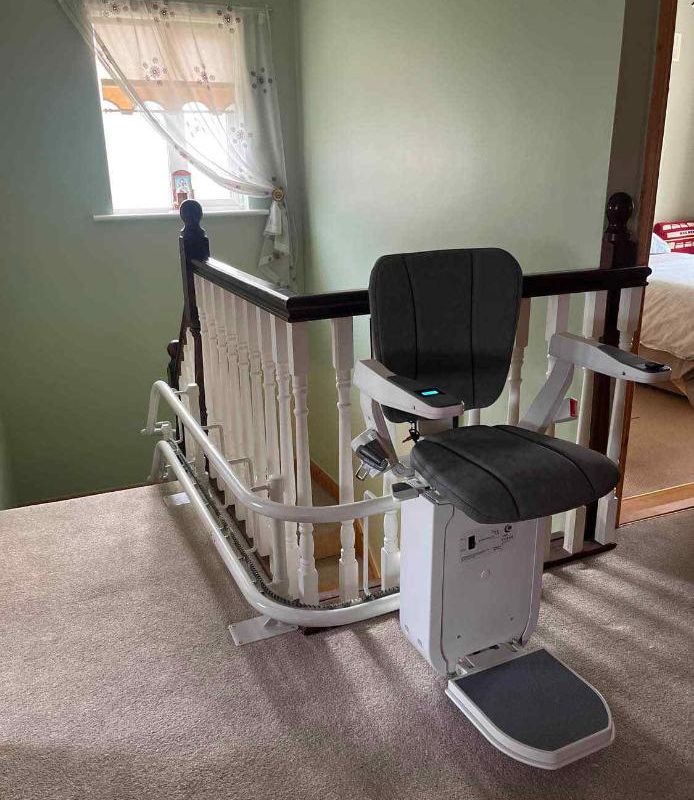
Ergo Curved Stairlift Dublin

Just like any household equipment, your stairlift needs regular cleaning and maintenance to ensure it runs smoothly and lasts longer. Knowing how to care for your stairlift properly will help reduce breakdowns and keep it safe to use every day. Some tasks can be carried out by yourself or with the help of a friend or family member, while others are best left to a qualified stairlift engineer.


Cleaning Your Stairlift

A stairlift should be cleaned regularly to prevent dust and dirt from affecting its performance.

  • Seat and Carriage: Wipe down weekly with a dry cloth or feather duster. For stubborn dust, use a slightly damp cloth but always dry thoroughly afterwards.

  • Track: Lightly dust the track, but for more thorough cleaning, it’s best to ask a family member or professional technician.

  • Safety Tip: Always clean the stairlift when it is parked at the bottom of the stairs to avoid tripping hazards.


Lubricating the Track

The stairlift track should be lubricated every few months to keep the movement smooth and quiet.

  • Always turn off the stairlift before lubricating.

  • Start with a clean track—dust and residue should be wiped away using a damp cloth.

  • Apply a very small amount of stairlift-specific lubricant. Too much lubricant can cause rollers to slide instead of roll, creating safety issues.

  • Avoid lubricating the chain, as this can damage the mechanism.

Tip: If you experience finger or joint pain, ask a family member or a professional engineer to assist, as this process requires precision.

Listen to the sound of a stairlift before it is serviced and lubricated in the video below. https://youtu.be/gFUmFTaRLhI

After Servicing & Lubricating Your Stairlift

Listen to the sound of the stairlift after it is serviced and lubricated in the video below. It sounds a lot cleaner and smoother. https://youtu.be/3lG-ncZzhE4

Lubricating the Track

The stairlift track should be lubricated every few months to keep the movement smooth and quiet.

  • Always turn off the stairlift before lubricating.

  • Start with a clean track—dust and residue should be wiped away using a damp cloth.

  • Apply a very small amount of stairlift-specific lubricant. Too much lubricant can cause rollers to slide instead of roll, creating safety issues.

  • Avoid lubricating the chain, as this can damage the mechanism.

Tip: If you experience finger or joint pain, ask a family member or a professional engineer to assist, as this process requires precision.

Why Servicing is Essential

Even with regular cleaning, stairlifts benefit from an annual professional service. A trained engineer can:

  • Carry out deep cleaning and correct lubrication

  • Spot worn or damaged parts early

  • Ensure safety features are working correctly

  • Prevent costly emergency repairs

Just like a car service, routine stairlift maintenance greatly reduces the risk of unexpected problems.


What Not to Do

One of the most common mistakes is using the wrong cleaning products.

  • Never use solvents, bleaches, or abrasive cleaners; they can damage delicate parts, reduce roller friction, and even cause the stairlift to shut down.

  • Only use soft, non-abrasive cloths and stairlift-safe cleaning solutions if needed.

  • Always refer to the manufacturer’s manual before attempting any maintenance.


Professional Stairlift Servicing in Ireland

A well-maintained stairlift ensures years of safe, reliable service. Regular cleaning, proper lubrication, and annual professional servicing will keep it running smoothly while giving you peace of mind.

👉 At Irish Stairlifts, we don’t just provide stairlift services — we offer complete mobility solutions to help you live comfortably and independently at home. From stairlifts, wet rooms, and through-floor lifts to ramps, rails, wheelchairs, mobility scooters, and electric wheelchairs, our team is here to support every need.

👉 Call us today on 016167079 for a free quotation or 045 892696, or book online today.

Categories Outdoor & Independence Solutions

Tips For Cleaning & Maintaining Mobility Scooters

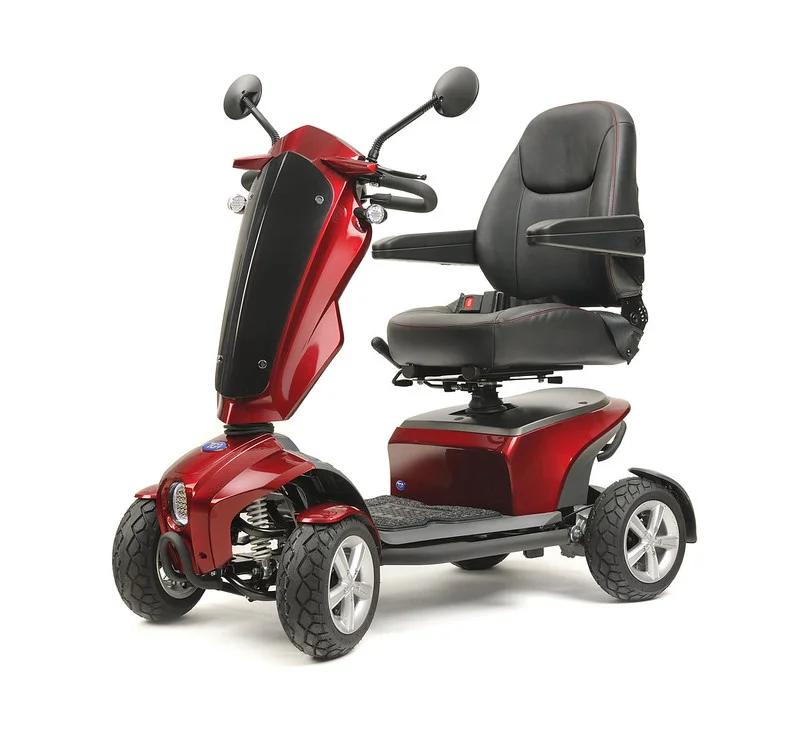
Mirage Mobility Scooter

Mobility scooters are a reliable way to stay independent, but like any vehicle, they need regular upkeep to stay safe, clean, and fully functional. With a little care and routine attention, you can extend the life of your scooter and avoid costly repairs.

Before performing any maintenance: always switch the power off and unplug the charger. While these tips apply broadly, you should also follow the specific guidelines in your scooter’s manufacturer manual.

Cleaning Your Mobility Scooter

Keeping your scooter clean not only makes it look better but also prevents dirt from interfering with moving parts.

  • Use a soft, dry cloth to dust all exposed parts.
  • For general cleaning, use a damp cloth with mild detergent or glass cleaner.
  • Wipe down the seat with gentle disinfectant wipes.
  • Avoid spraying water directly on the scooter—especially near electrical components.
  • Do not use wax, oil, or abrasive cleaners.
  • Once cleaned, dry thoroughly with a soft cloth.
  • Use a protective scooter cover to reduce dust build-up when not in use.

Routine Maintenance & Safety Checks

Performing small daily and weekly checks will keep your scooter in excellent condition between professional services.

  • Tyres: Inspect treads for wear and replace thinning tyres promptly.
  • Upholstery: Look for tears or rough spots that may cause skin irritation.
  • Battery: Check the gauge regularly. Recharge when low or replace if the gauge remains in the red.
  • Moving Parts: Test components such as the tiller, wheels, swivel seat, levers, and mirrors to ensure smooth operation.

Brakes

Most mobility scooters use an inertia braking system, slowing automatically when you release the throttle. To ensure safety:

  • Before each journey, check that your scooter is not in freewheel mode. This setting allows manual pushing but disables braking.
  • Confirm that the freewheel lever (usually near the rear wheel) is locked in drive mode.
  • Test the brakes by gently setting off and making sure the scooter stops smoothly.

Checking the Seat

Nearly all scooters come with detachable seats. Before riding:

  • Give the seat a firm shake to confirm it is securely locked in place.
  • Adjust for comfort and ensure it doesn’t loosen while in use.

Seasonal Care Tips

The Irish climate can affect your scooter’s performance, especially in wet or cold weather:

  • Rain: Always cover your scooter when not in use. Moisture can damage electrical systems.
  • Cold Weather: Batteries drain faster in colder temperatures. Keep them fully charged and store your scooter indoors when possible.
  • Summer: Avoid direct, prolonged sun exposure to prevent seat fading and plastic damage.

Read the Manual

It may seem obvious, but reading your user manual is one of the best ways to maintain your scooter properly. Manufacturers include recommended service schedules, troubleshooting tips, and specific cleaning instructions that can save both time and money.

If you require further guidance or professional maintenance, Irish Stairlifts & Bathrooms offers expert advice and servicing for all types of mobility scooters. Contact us today to keep your scooter in top shape and ensure safe, independent travel.

Get in Touch with Irish Stairlifts & Bathrooms

Categories Mobility Aids

The History of The Wheelchair

Wheelchair
It is uncertain as to what can be considered the first wheelchair, or who invented it. However, its origins date back to ancient times. The earliest records of a wheeled transportation device were found on a stone slate in China and a child’s bed depicted in a frieze on a Greek vase, both dating between the 6th and 5th century BCE.   The first records of wheeled seats being used for transporting disabled people date to three centuries later in China; the Chinese used early wheelbarrows to move people as well as heavy objects. A distinction between the two functions was not made for another several hundred years, around 525 CE, when images of wheeled chairs made specifically to carry people begin to occur in Chinese art.  

Kink Phillip II of Spain

The first known wheelchair purposefully designed for disability and mobility was called an “invalid’s chair”. It was invented in 1595 specifically for King Phillip II of Spain. The chair had small wheels attached to the end of a chair’s legs and it included a platform for Phillip’s legs and an adjustable backrest. It could not be self-propelled but most likely the King always had servants transporting him around.  

First Self-Propelling Chair

In 1655, Stephan Farffler, a 22 year old paraplegic watchmaker, built the world’s first self-propelling chair on a three-wheel chassis using a system of cranks and cogwheels.However, the device had an appearance of a hand bike more than a wheelchair since the design included hand cranks mounted at the front wheel.

The Bath Wheelchair

In 1783, John Dawson of Bath, England, invented a wheelchair named after the town of Bath. Dawson designed a chair with two large wheels and one small one. The Bath wheelchair outsold all other wheelchairs throughout the early part of the 19th century.  

Late 1800’s

However, the Bath wheelchair was not that comfortable and during the last half of the 19th century many improvements were made to wheelchairs. An 1869 patent for a wheelchair showed the first model with rear push wheels and small front casters. Between, 1867 to 1875, inventors added new hollow rubber wheels similar to those used on bicycles on metal rims. In 1881, the pushrims for added self-propulsion were invented.

The Folding Wheelchair

In 1932, engineer, Harry Jennings, built the first folding, tubular steel wheelchair. That was the earliest wheelchair similar to what is in modern use today. That wheelchair was built for a paraplegic friend of Jennings called Herbert Everest. Together they founded Everest & Jennings, a company that monopolized the wheelchair market for many years. An antitrust suit was actually brought against Everest & Jennings by the Department of Justice, who charged the company with rigging wheelchair prices. The case was finally settled out of court.  

The First Electric Wheelchair

The first wheelchairs were self-powered, and worked by a patient turning the wheels of their chair manually. Of course, if a patient was unable to do this, another person would have to push the wheelchair and patient from behind. A motorized or power wheelchair is one where a small motor drives the wheels to revolve. Attempts to invent a motorized wheelchair were made as far back as 1916, however, no successful commercial production occurred at that time. The first electric-powered wheelchair was invented by Canadian inventor, George Klein and his team of engineers while working for the National Research Council of Canada in a program to assist the injured veterans returning after World War II. George Klein also invented the microsurgical staple gun. Everest & Jennings, the same company whose founders created the folding wheelchair were the first to manufacture the electric wheelchair on a mass scale beginning in 1956.  

Mind Control

John Donoghue and Braingate invented a new wheelchair technology intended for a patient with very limited mobility, who otherwise would have issues using a wheelchair by themselves. The BrainGate device is implanted into the patient’s brain and hooked to a computer to which the patient can send mental commands that results in any machine including wheelchairs doing what they want it to. The new technology is called BCI or brain-computer interface.
Categories Stairlifts & Home Lifts

History & Evolution of the Stairlift – A Complete Guide

Straight Reconditioned Stairlifts

Do you have a stairlift? Whether it is a straight stairlift or a curved stairlift. Have you ever wondered how the stairlift came about? Here is some history facts about the stairlift

King Henry VII – The “Stairthrone”

Most people believe that the first stairlift was invented in the 1920’s by C.C. Crispen. However, TV historian Doctor David Starkey has in 2009, found evidence in a list of the possessions of King Henry VIII that attributes the first stairlift invented to the monarch. The 30 stone king, injured through jousting, used a chair that was hauled up and down the stairs on a block and tackle system by servants at the ancient Whitehall Palace in London. It is described in royal records as “a chair…that goeth up and down” (wiki)  

Late 1800s

Frederick Muffett of Royal Tunbridge Wells, invented and patented the “An Invalid Chair with Tramway for use on Staircases”. However, there seems to be no evidence that his plans moved from design to a workable lift.(wiki)  

C.C. Crispen – The Inclin-ator

In the 1920s, C.C. Crispen, a Pennsylvania entrepreneur, created a way to enable his ailing friend to travel from floor to floor. Crispen’s idea was to design a seat that could climb stairs. A self-taught engineer, he built the first prototype of the inclining chair. He called it the Inclin-ator. The modern stairlift can be traced back to self-taught mechanical engineer and entrepreneur C.C. Crispen. In 1923, Crispen got the idea for a climbing seat which was capable of travelling between floors when visiting a neighbour who was confined to an upstairs bed for medical recovery. Within a few days, Crispen’s idea had transformed from a mere concept to the beginnings of a US Patent. His engineering experience allowing him to develop a folding wooden chair with a footrest, which used a motor wired into the house’s standard electrics to travel up and down on a steel rail on rollers. He named it the Inclin-ator, conveying the idea of an elevator which worked on an incline.

The Inclinator Company Of America

In 1924, Crispen was invited to display his Inclin-ator in the Philadelphia Electric Company’s showroom, which led to his simple idea to help a neighbour being developed into The Inclinator Company of America. Shortly after this, the ingenious invention caught the attention of Westinghouse Electric, who had one installed at their Electric Home on Atlantic City’s boardwalk. The popularity of the Inclin-ator led to the invention of the first residential elevator, named the Elevette, which gave an alternative to the Inclin-ator for homes with winding staircases and could be custom-made to fit the available space or made large enough to fit a wheelchair inside if required.

During this period, the Inclin-ator was frequently used by those suffering from polio, which can cause muscle weakness and paralysis, although Crispen’s inventions also caught the eye of a few famous names, who had them installed in their homes. These included, among others, inventor Thomas Edison, business magnate John D. Rockerfeller, automotive founders Henry Ford and Walter Chrysler, and entertainer Groucho Marx. The business is still owned by the Crispen and Krum families, with Paul Krum having joined Inclinator in 1929 and succeeding C.C. Crispen as president.    

Need a stairlift that’s safe, reliable, and built for your home? Irish Stairlifts & Bathrooms offers brand-new straight and curved stairlifts, reconditioned models, straight stairlift rentals, plus emergency installation and repair services. Contact our expert team today and let us help you move with confidence and comfort.

References 1/3/4/5/6

Categories Outdoor & Independence Solutions

Ramps South Dublin

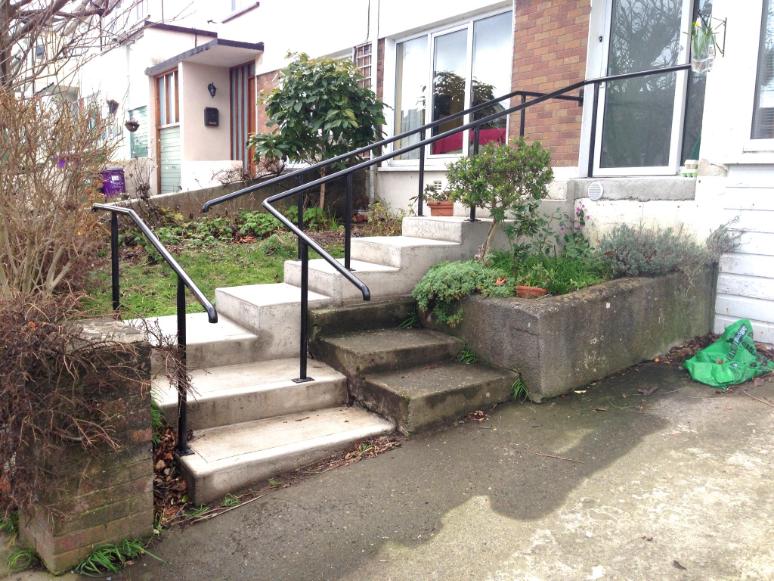
Newly built ramp and rail Whitehall Dublin 9 by ISB Mobility

Welcome to Irish Stairlifts. Being an established business since 1999, we have many years of experience in providing homes all across Ireland with quality stairlifts and other forms of home assistance mechanisms. If you have been looking for a company who install ramps in South Dublin, you will be pleased to know that our team have left hundreds of customers happy with our specialist mobility assistance ramps.  

No matter what your requirements, Irish Stairlifts can provide and build ramps of all sizes and styles that will be built to suit you and your home. We always follow health and safety when building our ramps and ensure that all legal requirements are being met at all times. Irish Stairlifts’ unique ramps are normally compiled of a concrete mix and is the ideal solution for wheelchair users and elderly people due to its anti slip material.

With our many years of experience in the industry we are highly recognized as being one of the leaders in the Disability access market. It is important for all ramps to be built with a level platform and try to ensure that the less steep the incline the better to make it easier for customers. We can also incorporate a level platform for when a turning point is required to be installed.  

If you are looking for a reliable company who can install ramps in South Dublin, you will be pleased to know that with our ramp we will install handrails where required. This will maximise your safety and the practicality of your ramp. Handrails will be made to measure and you can choose from a range of colours and styles. We can also install edgings which will prevent wheelchairs from running over the side.

You can be guaranteed only a first-class service with us, from initial enquiry through to finished work.   If you would like more information on our specialist ramps in South Dublin why not call our team for more information. You can call us on 1850 818 500. Alternatively you can reach us by email at showroom@irishstairlifts.ie.