Fraud Blocker
Categories Accessible Bathrooms

How to Enhance the Mobility and Safety of Your Wetroom

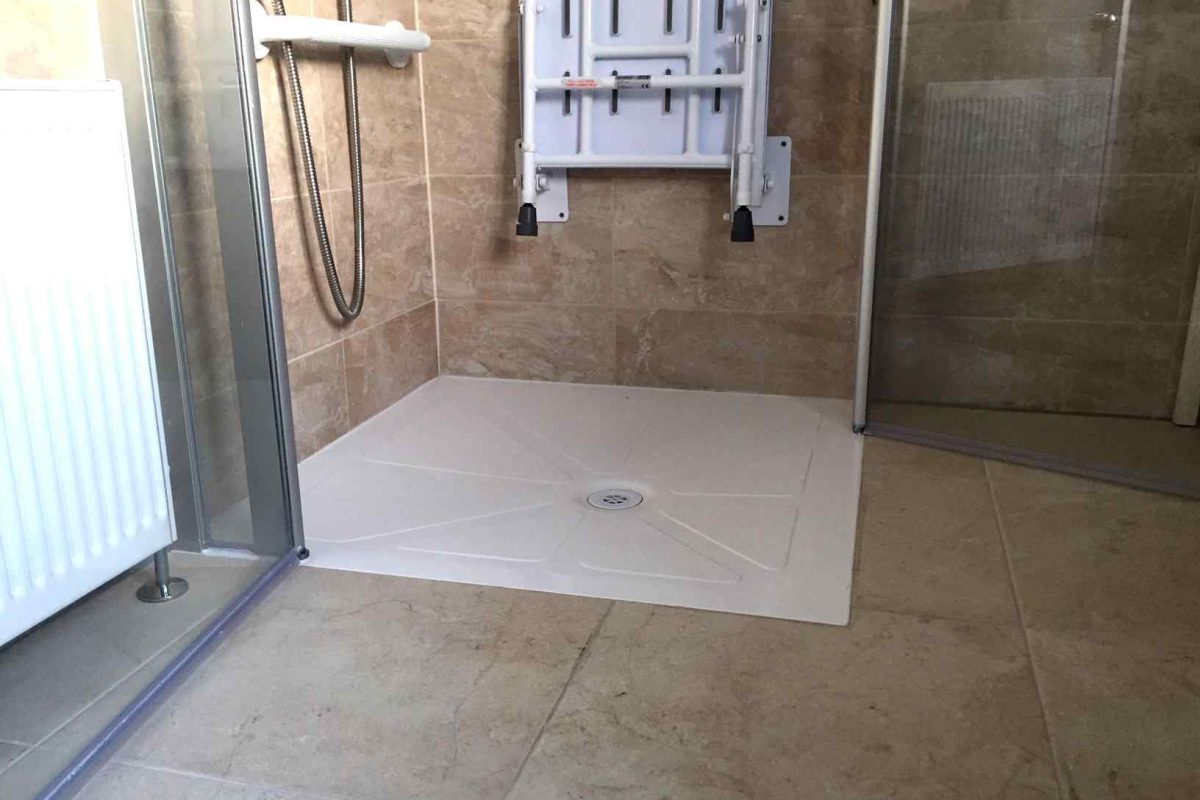
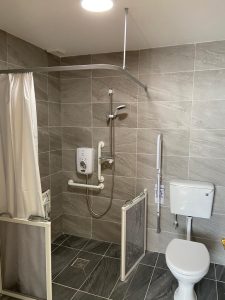
Walk in shower in Kildare area

Bathrooms should be spaces of comfort and independence, but for many people—particularly older adults and those with mobility challenges—they can present significant safety risks. Simple daily activities like showering, using the toilet, or washing hands can become difficult or even dangerous without proper accessibility features.

Research shows that approximately 130,000 people aged 65 and over fall each year in Ireland, with bathrooms being one of the most hazardous areas in the home. The good news is that with thoughtful wetroom design and the right mobility aids, it’s possible to maintain independence, dignity, and safety.

Why Choose a Wetroom Over a Traditional Bathroom?

Wetrooms have emerged as one of the most popular bathroom design choices in 2026, and for excellent reasons. Unlike traditional bathrooms with step-over bathtubs or raised shower trays, wetrooms feature fully waterproofed, level-access designs that eliminate tripping hazards entirely.

Key benefits include:

  • Level-access entry that accommodates wheelchairs, walking frames, and individuals with balance concerns

  • Open-plan layouts that maximize manoeuvrability and reduce the risk of falls

  • Flexible design options that combine safety with modern, spa-like aesthetics

  • Easy maintenance with smooth, wipeable surfaces and integrated drainage systems

According to the latest bathroom trends, 67% of homeowners now consider accessibility features when designing their bathrooms, with low-curb and curbless showers topping the list of must-have features.

Essential Wetroom Mobility Features for 2026

Wall-Mounted Shower Seats

One of the most practical additions to any accessible wetroom is a wall-mounted shower seat. These seats provide stable, comfortable seating during showering, dramatically reducing fall risk while allowing users to shower at their own pace.

Modern shower bench feature fold-away designs that maximize space when not in use, and they’re available in stylish finishes that complement contemporary bathroom designs. When selecting a shower stool, ensure it meets Irish and EU safety standards, has adequate weight capacity, and features non-slip materials for maximum safety.

Stylish Grab Rails and Support Bars

Gone are the days of institutional-looking grab bars. Today’s grab rails are available in elegant finishes like brushed nickel, matte black, and brushed brass, seamlessly blending safety with style. Many modern designs double as towel racks, combining functionality with aesthetic appeal.

Strategically placed grab rails provide crucial support for transitional movements—standing from the toilet, entering and exiting the shower, or reaching for toiletries.

Anti-Slip Flooring and Surfaces

Slip-resistant flooring is fundamental to wetroom safety. Modern anti-slip tiles, vinyl, and textured surfaces provide secure footing without compromising on design. Natural stone and textured finishes are particularly popular in 2026, adding character while promoting safety.

About ISB Mobility: Your Trusted Partner Since 1999

ISB Mobility (formerly Irish Stairlifts & Bathrooms) has been a recognized leader in Ireland’s home mobility market for over 25 years. As a trusted HSE vendor for more than 15 years, ISB Mobility works with county councils throughout Ireland to deliver comprehensive mobility solutions including wetrooms, walk-in showers, stairlifts, home lifts, and elderly bathroom aids.

What sets ISB Mobility apart is their commitment to expert guidance, quality products from reputable manufacturers, and exceptional after-sales service backed by comprehensive guarantees. Their highly trained team understands that home adaptations must be completed efficiently and with minimal disruption to clients and families.

Creating Your Ideal Accessible Wetroom

Modern wetrooms successfully combine universal design principles with wellness-inspired interiors. Think minimalist spa-style spaces featuring natural textures, sustainable materials, frameless glass, large-format tiles, and integrated linear drains that create sleek, uninterrupted lines.

Popular design trends for 2026 include:

  • Muted color palettes with beige, sage green, and terracotta tones

  • Mood lighting that creates a relaxing atmosphere

  • Larger, more spacious wetroom layouts that accommodate both accessibility needs and luxury features

  • Smart technology including app-controlled showers and Bluetooth-enabled mirrors

These accessible designs don’t compromise on style—they create bathrooms that are both functional and beautiful, suitable for all ages and abilities while adding value to your property.

Take the First Step Toward Bathroom Independence

Whether you’re planning a wetroom for yourself or a loved one, ISB Mobility is ready to help you create an accessible, safe, and stylish bathroom that restores independence and confidence.

Contact ISB Mobility today for expert advice and a free estimate:

The dedicated team at ISB Mobility will guide you through every step of the process—from initial consultation through VAT reclaim assistance—ensuring you receive the mobility solution that perfectly suits your needs and budget.

Categories ISB Mobility

Why You Should Entrust Your Business With ISB Mobility

Mobility Scooter

The Irish mobility market has grown significantly in recent years, with more people discovering how the right equipment can transform their daily lives. When selecting a mobility solutions provider, Irish Stairlifts stands out as a trusted partner committed to improving accessibility and independence throughout Ireland.

Premium Stairlift Solutions

Irish Stairlifts offers an extensive range of stairlifts designed to suit various needs and budgets. From straight stairlifts like the Access BDD and Platinum models to advanced curved solutions such as the Flow X, each installation is tailored to your home’s unique layout. These units combine safety features with sleek designs that complement modern interiors while providing reliable performance for years to come.

Comprehensive Mobility Equipment

Beyond stairlifts, the company provides a full spectrum of mobility aids. Their scooter collection includes everything from compact travel models like the Apex Lite to advanced power wheelchairs such as the Jazzy Air 2. Whether you need indoor maneuverability or outdoor range, their expert team helps you select equipment that matches your lifestyle and mobility requirements.

Home Accessibility Modifications

Irish Stairlifts goes beyond product sales by offering professional home modification services. Their experienced technicians can install mobility ramps, bathroom grab rails, walk-in showers, and other accessibility features. Each project is completed to the highest safety standards, ensuring your home becomes a comfortable, secure environment.

Proven Customer Satisfaction

With consistently positive customer reviews, Irish Stairlifts has built a reputation for exceptional service throughout Ireland. Their commitment to transparent communication, professional installation, and ongoing support sets them apart in the mobility industry.


Ready to improve your home’s accessibility? Contact Irish Stairlifts today at 01 616 7079 or visit irishstairlifts.ie to schedule a free home assessment and discover which HSE- approved mobility solutions are right for you.

Categories Accessible Bathrooms

How to Design a Safe Disabled Wet Room – Steps & Tips

Level Access Showers with Full Height Elegance Doors

Creating a safe, accessible wet room improves independence and quality of life for people with mobility challenges. Whether you’re planning a complete renovation or making strategic updates to an existing bathroom, these practical steps will help you design a wet room that combines safety, functionality, and comfort.

Install Strategic Grab Rails

Grab rails are essential safety features that prevent falls and provide crucial support when moving around the bathroom. Position them beside the shower seat, near the toilet, and along any transfer points. Choose rails with textured, non-slip surfaces and ensure they’re securely mounted to wall studs or blocking—not just plasterboard. Modern grab rails come in various finishes that blend seamlessly with contemporary bathroom designs, so safety doesn’t mean sacrificing style.

Create Level Access Throughout

A truly accessible wet room should have no threshold or step at the entrance. This level-access design is critical for wheelchair users and anyone with limited mobility. If your bathroom currently has a step, work with a qualified contractor to create a flush transition using ramped access or by lowering the bathroom floor. The entire wet room floor should slope gently toward the drain (typically 1:40 gradient) to prevent water pooling while remaining safe for wheelchair navigation.

Choose Slip-Resistant Flooring

Invest in high-quality, slip-resistant flooring specifically designed for wet environments. Look for tiles with an R11 or higher slip-resistance rating—these provide excellent grip even when wet. Textured vinyl flooring is another practical option that combines safety with comfort underfoot. Avoid highly polished tiles or smooth surfaces that become dangerously slippery when wet. The right flooring choice significantly reduces fall risk and provides peace of mind.

Optimize Your Layout

Consider the bathroom’s size and your specific needs when deciding on fixtures. If space is limited, a wet room with a wall-mounted shower seat may be more practical than trying to accommodate both a bath and shower. Position the shower controls within easy reach from both standing and seated positions. Ensure there’s adequate maneuvering space—wheelchairs typically need a 1.5m turning circle. Wall-hung toilets and sinks create more floor space and make cleaning easier.

Install Appropriate Shower Seating

A sturdy, wall-mounted shower seat is essential for safe bathing. Choose a seat that’s height-adjustable or positioned at a comfortable transfer height (typically 450-480mm from the floor). Fold-down seats work well in smaller spaces, while fixed seats provide maximum stability. Ensure the seat can support adequate weight and has a non-slip surface with drainage holes.

Upgrade to Thermostatic Controls

Thermostatic shower valves prevent dangerous temperature fluctuations and scalding. These controls maintain consistent water temperature even if someone else uses water elsewhere in the house. Look for easy-to-operate lever controls rather than twist knobs, which can be difficult for people with arthritis or limited hand strength.

Ensure Adequate Lighting

Good lighting is crucial for safety. Install bright, evenly distributed LED lighting throughout the wet room. Consider motion-sensor lights that activate automatically when you enter. Avoid creating shadows or glare that could obscure hazards. Emergency lighting or nightlights provide additional safety for nighttime bathroom visits.

Professional Installation Matters

While some aspects of wet room design might seem straightforward, professional installation ensures proper waterproofing, drainage, electrical safety, and structural integrity. Incorrectly installed wet rooms can lead to water damage, mold growth, and safety hazards. Working with experienced contractors familiar with accessible bathroom design helps you avoid costly mistakes and ensures your wet room meets building regulations and safety standards.


Ready to create a safe, accessible wet room that meets your needs? At Irish Stairlifts, we specialize in designing and installing accessible bathrooms throughout Ireland. Our experienced team will work with you to create a practical, stylish wet room that enhances your independence and safety. Call us today at 1850 99 500 for a free consultation and discover how we can transform your bathroom into a safe, comfortable space.

Categories Accessible Bathrooms

Disabled Wet Room Building Regulations Guide

Level Access Showers with Full Height Elegance Doors

For many people, accessible bathrooms are features primarily associated with commercial spaces. However, thousands of individuals across Ireland require these essential amenities in their homes. Understanding the latest building regulations and design considerations ensures compliance while creating a safe, functional space that enhances independence and quality of life.

Understanding Irish Building Regulations for Accessible Bathrooms

Ireland’s accessibility standards are governed by Part M of the Building Regulations, which underwent significant updates in 2022 to improve provisions for people with disabilities. While Part M primarily applies to public buildings and commercial spaces, homeowners undertaking wet room conversions should still consider these guidelines as best practice for safety and accessibility.

The regulations emphasize adequate provision for people to access and use bathroom facilities, with particular attention to sanitary amenities, space requirements, and assistive features. For domestic installations, working with certified contractors ensures your wet room meets all necessary building control requirements while maintaining home insurance validity.

Structural Requirements and Floor Preparation

Wet room conversions often require significant structural modifications to create a safe, functional space. The most critical element involves creating a properly graded floor that channels water toward drainage points without creating trip hazards.

Key structural considerations include strengthening floor joists to support additional waterproofing materials, removing existing bath fixtures, and installing level-access shower trays that eliminate barriers. The floor requires comprehensive waterproofing with tanking systems applied beneath tiling, extending 150mm up the wall junction. Professional installation typically takes 5-10 days depending on complexity, with each phase requiring proper curing time.

Modern wet room design prioritizes zero-threshold entries that allow wheelchair access and reduce fall risks, making them ideal solutions for both current accessibility needs and future-proofing homes.

Essential Safety Features: Grab Rails

Grab rails remain the most effective safety feature for accessible bathrooms, providing crucial support for standing, sitting, and transfer movements. Modern grab rail designs have evolved significantly, now available in elegant finishes including brushed nickel, matte black, and bronze that complement contemporary bathroom aesthetics.

Installation requires careful planning to ensure rails withstand the necessary force—Australian Standards specify rails should withstand 1100 Newtons of force, a guideline often adopted as international best practice. Rails should be mounted to wall studs with at least two fixing points at each end, positioned 50-60mm from the wall to allow proper hand clearance.

For wet areas like showers, metal grab rails must include proper insulation or non-conductive coatings to prevent electrical hazards. Strategic placement near toilets, showers, and entry points provides maximum support while maintaining independence.

Waterproofing and Drainage Systems

Comprehensive waterproofing extends far beyond visible surfaces and represents the foundation of successful wet room installation. Multi-layer waterproof membranes must be applied to all walls and floors, with particular attention to pipe penetrations, corners, and joints.

Wall waterproofing should extend 150mm above floor junctions, with water-resistant treatment continuing to 1800mm height within the shower zone. Floor surfaces require complete waterproofing using products with third-party approvals, installed over moisture-resistant substrates. Timber floor decks are not suitable for wet rooms without significant structural modification.

Drainage positioning demands precise calculation of pipe runs and fall gradients connecting to existing waste systems. Proper installation includes testing waterproof integrity before proceeding with tiling to ensure long-term performance.

Supplementary Accessibility Solutions

Beyond structural modifications, several supplementary accessories enhance bathroom accessibility and safety. Adjustable-height shower benches provide secure seating for those with limited mobility, with fold-down models maximizing space efficiency.

Handheld showerheads with slide bars offer adjustable positioning suitable for seated or standing use. Consider installing lever-style faucets rather than traditional taps, as they require less grip strength and accommodate users with arthritis or limited hand dexterity.

Adequate space planning ensures wheelchair maneuverability—accessible bathrooms should provide at least 1.5 meters of clear width. Toilet height should be elevated to 46-48cm from the floor to facilitate easier transfers from wheelchairs.

Design Trends for 2026

Accessible bathroom design in 2026 emphasizes the seamless integration of safety features with contemporary aesthetics. Walk-in and roll-in showers with barrier-free entry represent the gold standard for accessibility, featuring slip-resistant flooring, built-in seating, and easy-reach shelving.

Design trends favor minimalist styles with bold color accents, smart storage solutions, and non-slip flooring that doesn’t compromise visual appeal. Calming blue tones and neutral palettes create spa-like atmospheres while maintaining high visibility for users with vision impairments.

Modern wet rooms incorporate stylish grab bars that double as towel racks, elegant fixtures in accessible configurations, and ambient lighting with motion sensors for added convenience and safety.

Planning Your Wet Room Conversion

Successful wet room installations require thorough planning and professional expertise. Begin with a comprehensive space assessment evaluating room dimensions, ceiling height, plumbing locations, and structural elements. Professional surveyors identify potential obstacles and determine optimal positioning for drainage and fixtures.

Budget adequate time for each installation phase, recognizing that quality work cannot be rushed. The typical installation timeline spans 8-13 days across five phases: preparation and demolition, structural work and drainage, waterproofing and tanking, flooring and tiling, and final fixture installation.

Building Control approval may be required for structural alterations or new drainage systems, making it essential to work with certified professionals who understand Irish regulations.

Transform Your Bathroom with Irish Stairlifts

Creating an accessible, comfortable bathroom shouldn’t mean compromising on style or quality. Irish Stairlifts specializes in designing and installing premium disabled wet rooms, walk-in showers, and accessible bathrooms throughout Ireland. With extensive experience in mobility solutions and hundreds of satisfied customers, our team delivers exceptional results tailored to your specific needs and budget.

Whether you’re planning a complete wet room conversion, installing safety features like grab rails and shower stool, or seeking advice on accessibility improvements, our experts provide comprehensive support from initial consultation through final installation. We ensure all work meets current building standards while creating beautiful, functional spaces that enhance independence and dignity.

Contact Irish Stairlifts today to discuss your accessible bathroom project. Email showroom@irishstairlifts.ie or visit irishstairlifts.ie to schedule a free consultation and discover how we can transform your bathroom into a safe, accessible sanctuary.

Categories Mobility Aids

Find the Right Wheelchair in Ireland Guide

Ergo 115 Self Propel Wheelchair

Choosing the right wheelchair is a crucial decision that impacts your daily independence and quality of life. This comprehensive guide explores the key factors Irish residents should consider when selecting a wheelchair, from power options to portability features and alternative mobility solutions.

Manual vs. Electric Wheelchairs

The wheelchair market has evolved significantly in recent years. While traditional manual wheelchairs with large side wheels remain popular and affordable, electric-powered wheelchairs have become increasingly accessible for Irish users. Electric wheelchairs offer greater independence, allowing you to navigate without assistance and travel longer distances without fatigue. Modern power wheelchairs feature improved battery technology, providing ranges of 15-25 kilometers on a single charge, making them ideal for both indoor and outdoor use.

When deciding between manual and electric options, consider your upper body strength, daily travel distance, and where you’ll primarily use the wheelchair. Manual wheelchairs suit those with good arm strength who need a lightweight, cost-effective solution, while electric models benefit users requiring extended independence or those with limited upper body mobility.

Portability and Transport Features

Portability remains one of the most valued features among wheelchair users in Ireland. Folding wheelchairs allow easy transportation in car boots and simplified storage at home. When evaluating portability, consider the wheelchair’s folded dimensions and weight. Lightweight aluminum models typically weigh 11-18 kg, making them manageable for most users and caregivers.

Transport wheelchairs, designed specifically for travel, offer ultra-compact folding mechanisms and smaller wheels. These models work well for users who primarily need assistance during outings rather than all-day mobility support. If you frequently travel by car or public transport, ensure your chosen wheelchair fits comfortably in your vehicle and can be lifted safely.

Sizing and Customization

Proper wheelchair sizing ensures comfort, prevents pressure sores, and promotes good posture. Standard wheelchairs accommodate users up to 180 cm tall and 115 kg, but many Irish residents require different specifications. Key measurements include seat width (typically 40-50 cm), seat depth, backrest height, and footrest positioning.

For users outside standard dimensions, custom wheelchairs provide personalized comfort and support. Irish suppliers can assess your measurements and create bespoke solutions that accommodate your unique body type. Consider factors like shoulder width, leg length, and any postural requirements when discussing custom options with mobility specialists.

Wheelchair Alternatives Worth Considering

While wheelchairs serve many users effectively, alternative mobility aids may better suit certain lifestyles and needs. Mobility scooters offer excellent outdoor range, weather protection, and comfortable seating for extended use. Modern scooters can travel 30-40 kilometers per charge and feature storage baskets, lights, and suspension systems for smooth rides on Irish roads.

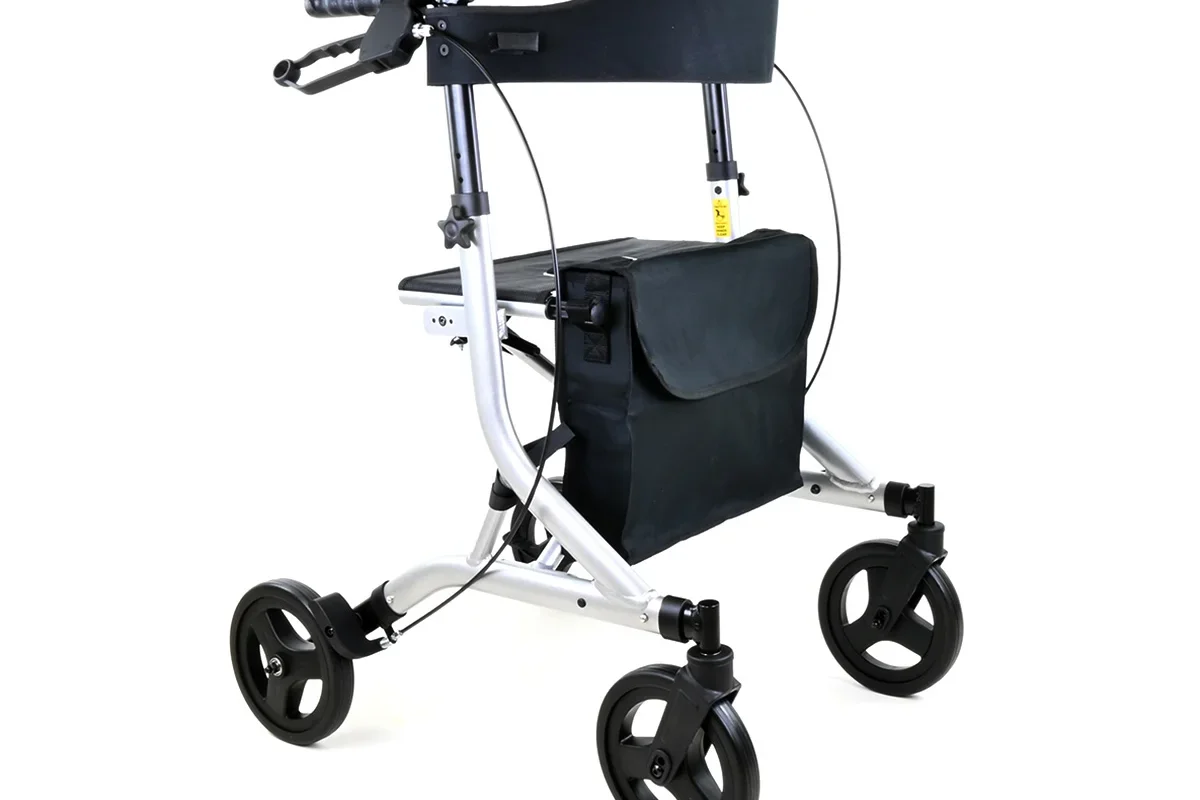
Rollators (wheeled walkers) provide support for users who can walk but need stability assistance. These lightweight frames offer independence while promoting physical activity and bone health. For those transitioning between mobility levels, owning both a rollator for good days and a wheelchair for challenging situations provides flexibility.

Power-assisted wheelchairs represent a middle ground, combining manual wheelchair benefits with electric boost when needed. These hybrid models help users navigate slopes and rough terrain without full dependence on power, maintaining upper body strength while reducing fatigue.

Features to Prioritize

Modern wheelchairs include numerous comfort and safety features. Anti-tip wheels prevent backward falls when navigating slopes. Adjustable armrests and footrests accommodate different body positions throughout the day. Cushioned seats with breathable covers reduce pressure points during extended sitting. Consider features like swing-away footrests for easier transfers, removable armrests for side transfers, and puncture-proof tires for outdoor reliability.

For Irish weather conditions, consider models with mudguards and water-resistant upholstery. If using your wheelchair indoors extensively, prioritize tight turning radius and compact width for navigating doorways and hallways in Irish homes.

Budget Considerations

Wheelchair prices in Ireland vary significantly based on type and features. Manual wheelchairs range from €150-€800, while electric models typically cost €1,500-€5,000. Many users qualify for grants and financial assistance through the HSE’s Mobility Aids and Appliances scheme or the Medical Card scheme. Contact your local HSE office to discuss available support options and application processes.

Consider long-term costs including maintenance, replacement parts, and battery replacements for electric models. Quality wheelchairs represent an investment in your independence and should be viewed as essential equipment rather than optional purchases.


Need expert guidance choosing your wheelchair? Irish Stairlifts offers comprehensive mobility solutions throughout Ireland, including wheelchairs, mobility scooters, and stairlifts. Our experienced team provides personalized assessments to match you with the perfect mobility aid for your lifestyle. Contact us at 01 616 7079 or visit irishstairlifts.ie to schedule your free consultation and explore our full range of mobility products.