Fraud Blocker ...
Categories Mobility Aids

Should I Get a Manual or Electric Wheelchair?

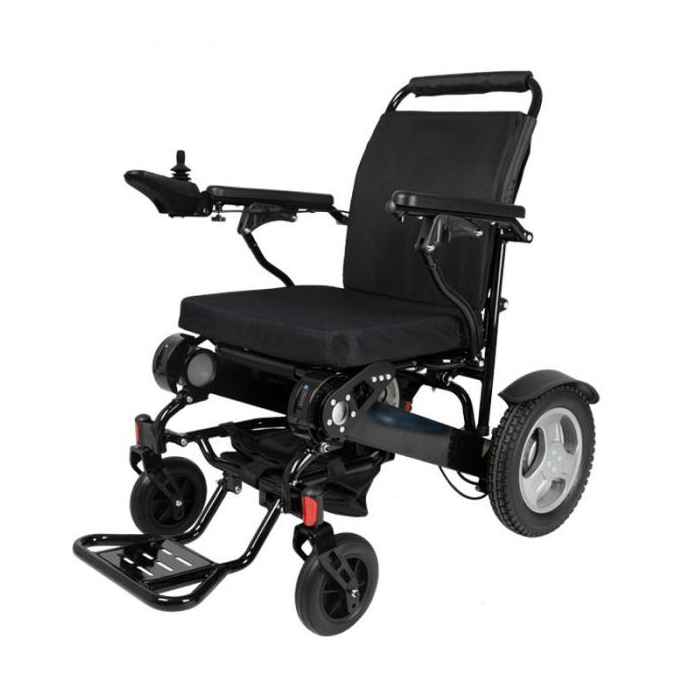
T46 Lightweight Powerchair or Electric wheelchair

Choosing the right wheelchair is a decision that can greatly influence your independence, comfort, and overall quality of life. Whether you’re considering a manual wheelchair or an electric wheelchair (also known as a power chair), the choice isn’t just about mobility—it’s about finding a tool that supports your lifestyle, meets your physical needs, and aligns with your long-term goals.

Both types of wheelchairs come with their advantages and trade-offs. Manual wheelchairs are typically lighter, more affordable, and easier to transport, while electric wheelchairs offer powerful, effortless mobility, making them ideal for longer distances or users with limited physical strength.

But how do you know which option is truly right for you?

In this guide, we’ll explore the key differences, features, and considerations to help you make an informed decision. We’ll also discuss practical topics like costs, portability, maintenance, environment suitability, and insurance coverage. By the end, you’ll have a clearer sense of whether a manual or electric wheelchair is the best fit for your lifestyle.

Key Takeaways

  • Assess your daily mobility needs and the environments you’ll be navigating to determine the right wheelchair type.

  • Consider your physical strength and stamina—manual wheelchairs require more upper body strength, while electric chairs reduce physical strain.

  • Evaluate weight and portability—lighter chairs are easier to fold and transport, while power chairs may require vehicle lifts or ramps.

  • Compare costs and maintenance requirements—manual models are cheaper upfront, while electric models may provide long-term convenience despite higher initial costs.

  • Think about battery life and charging options for electric chairs, ensuring they align with your daily routines.

  • Seek professional advice from healthcare providers or occupational therapists—it can make a world of difference in finding the right fit.

Understanding the Basics of Manual and Electric Wheelchairs

Before diving into lifestyle considerations, let’s establish the core differences between manual and electric wheelchairs.

Manual Wheelchairs

Manual wheelchairs rely on arm strength or assistance from a caregiver to move. They’re often:

  • Lightweight & Portable – Some models fold easily and fit into car boots.

  • Affordable – The lower upfront investment makes them attractive.

  • Good for Exercise – They allow users to maintain upper body activity and muscle tone.

However, they require stamina and can be physically demanding if used for extended periods or over rough terrain.

Electric Wheelchairs

Electric wheelchairs (or powered wheelchairs) use a battery-powered motor controlled with a joystick or other input system. They offer:

  • Effortless Mobility – Perfect for long distances and users with limited strength.

  • Indoor & Outdoor Comfort – Power chairs are equipped with suspension, making them easier to handle on uneven ground.

  • Advanced Features – Options like reclining seats, elevating leg rests, or tilt-in-space designs enhance comfort.

The trade-off? They are heavier, more expensive, and less portable, often requiring a vehicle lift for transport.

➡️ If mobility independence and minimal effort are top priorities, an electric wheelchair stands out as the superior option. But if you value portability, affordability, and exercise benefits, a manual wheelchair may be the right fit.

Assessing Your Mobility Needs

Your personal mobility requirements should be the foundation of your decision. Start by asking yourself:

  • How often will I use the wheelchair?

    • Daily, occasional, or just for outings?

  • Where will I use it most often?

    • Indoors, outdoors, or both?

  • Do I have the stamina to propel a manual chair?

    • Consider your upper body strength, endurance, and long-term health.

If your disability or condition affects your strength, endurance, or energy levels, an electric wheelchair might offer greater independence. For example:

  • Individuals with multiple sclerosis (MS) or muscular dystrophy often benefit more from electric models.

  • Someone with temporary injuries (e.g., post-surgery rehabilitation) might only need a manual chair short-term.

Remember: your wheelchair isn’t just a mobility aid—it’s a way of ensuring you can continue to do the things you enjoy without unnecessary limitations.

Evaluating Lifestyle and Environment

Your environment directly impacts the type of wheelchair that will best suit your daily life.

Indoor Use

If you mostly move through tight indoor spaces, a lightweight manual wheelchair that maneuvers around furniture smoothly may be ideal. Indoor-friendly power chairs also exist, but their turning radius might be larger.

Outdoor Adventures

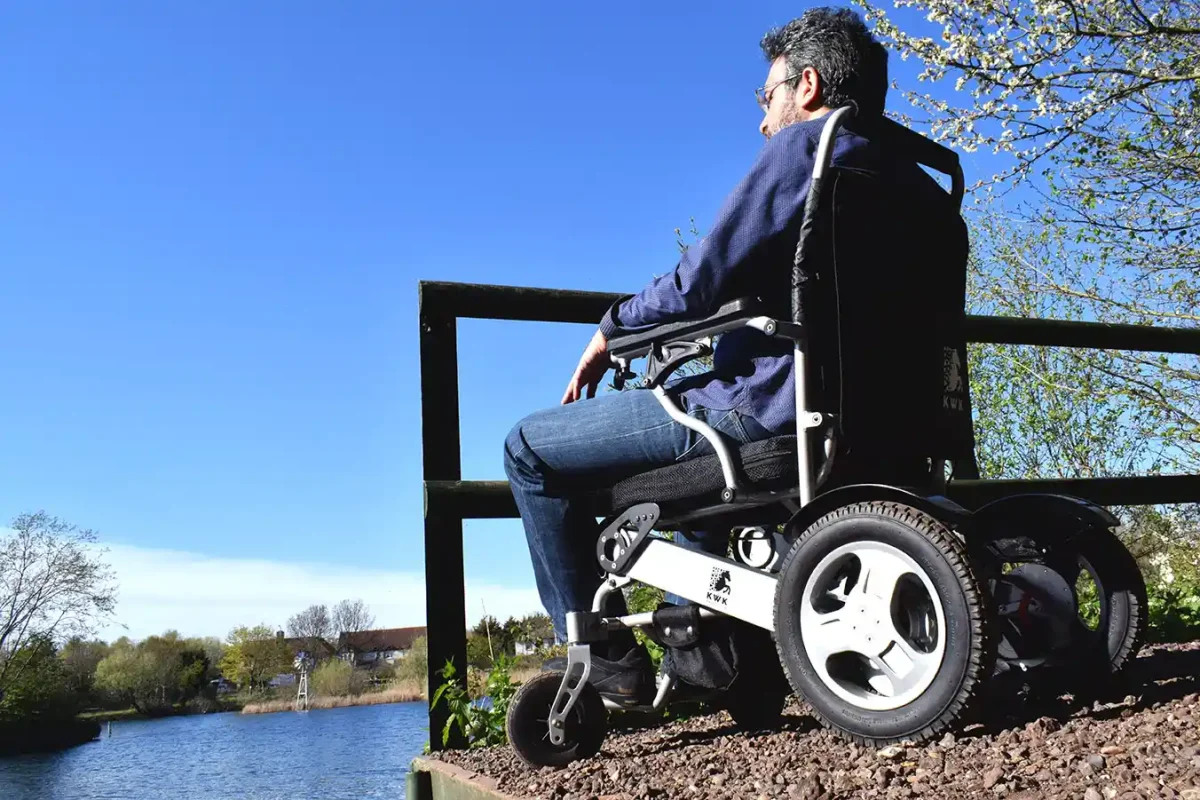
If you plan to traverse parks, gardens, or city streets, an electric wheelchair is often more practical. Their powerful motors and sturdy wheels are designed to handle uneven surfaces.

Workplace and Social Settings

Consider:

  • Narrow workplace corridors → Manual wheelchair for agility.

  • Long-distance commuting or school campuses → Electric wheelchair for endurance.

  • Social outings to malls or restaurants → Foldable manual chairs offer greater transport convenience.

➡️ Example: If you live in Dublin city and rely on buses or taxis, a foldable wheelchair offers flexibility for public transport. But if you live in rural Ireland with longer travel distances, an electric wheelchair with strong battery life may be more beneficial.

Considering Weight and Portability

One of the most practical concerns is how portable and manageable your wheelchair is.

Manual Wheelchairs

  • Weight: Approx. 30–40 lbs (lightweight models even 20 lbs).

  • Transport: Easily folded and lifted into a car.

  • Ideal For: People who frequently travel by car, or need a backup chair.

Electric Wheelchairs

  • Weight: Anywhere from 50–300 lbs.

  • Transport: May require a ramp, adapted vehicle, or wheelchair lift.

  • Ideal For: Those who remain in the chair for most of the day.

Quick Comparison:

Type Weight Range Portability Best Use Case
Manual Wheelchair 20–40 lbs Foldable, easy to lift Short trips, strong users
Electric Wheelchair 50–300 lbs May need lift or ramp Long-term independence
Ultra-Light Models 15–25 lbs Extremely portable Frequent travel
 

For frequent flyers or car users, manual or ultra-light wheelchairs can drastically reduce stress. For individuals living a largely home-based lifestyle, electric models are manageable even if heavy, since transport may not be as frequent.

Analyzing Cost and Maintenance

Cost can be a deciding factor in choosing between manual and electric wheelchairs.

Manual Wheelchairs

  • Upfront Cost: Generally €300–€800 for standard models.

  • Maintenance: Occasional repairs like wheel replacements or upholstery fixes.

  • Lifespan: 3–5 years depending on use.

Electric Wheelchairs

  • Upfront Cost: Can range from €1,500 to €10,000 depending on features.

  • Maintenance: Battery replacements every 1–2 years, servicing motors, and electronics.

  • Lifespan: Around 5–10 years with proper care.

For cost-effective solutions, you may also want to check mobility scooter options which provide similar independence without the high price tag of advanced electric chairs.


Exploring Battery Life and Charging Options

If you lean toward an electric wheelchair, battery life becomes a critical factor.

  • Average Range: 15–20 miles per single charge.

  • Charging Time: 4–8 hours depending on the model.

  • Spare Batteries: Always useful for active lifestyles.

Power outages or long trips may affect you differently if you depend on a chair’s charge. For peace of mind:

  • Invest in a portable wheelchair charger.

  • Check if your model supports quick charging options.

Seeking Professional Advice and Recommendations

A wheelchair is not one-size-fits-all. Consulting professionals provides insights tailored to your unique needs.

  • Occupational Therapists – Can evaluate your daily routine and recommend the best model.

  • Physiotherapists – Assess physical strength and match you with the right wheelchair style.

  • Mobility Specialists – Offer demo sessions where you can trial different models before committing.

Professionals can also advise if you may benefit from stairlifts or through-floor lifts to complement home independence alongside your wheelchair.

Frequently Asked Questions

1. Can I Customize My Wheelchair for Better Comfort and Support?

Yes! Options include gel cushions, adjustable armrests, ergonomic backrests, and footrest extensions. Customizations prevent pressure sores and improve posture.

2. What Insurance Covers Wheelchair Costs?

In Ireland, the HSE (Health Service Executive) provides wheelchairs based on medical need. Private insurance plans, Medicare, and Medicaid in other regions may also offer coverage.

3. How Do I Transport a Wheelchair in My Vehicle?

Manual models fold for trunk storage. Heavier electric chairs require vehicle adaptations, such as lifts or ramps.

4. Are There Specific Warranties for Manual and Electric Wheelchairs?

Yes. Most manual chairs include 1–3 years manufacturer warranty, while electric models may offer 2–5 years for motors and structural parts.

5. How Do I Choose the Right Size Wheelchair for My Body?

Seat measurements must fit your hips, thighs, and height. A poorly sized wheelchair leads to poor posture, discomfort, and injury risks—making professional fitting essential.

Conclusion

The decision between a manual and electric wheelchair ultimately depends on your physical abilities, lifestyle, and personal preferences.

  • Choose a Manual Wheelchair if you value affordability, portability, and light exercise.

  • Choose an Electric Wheelchair if independence, comfort, and long-distance mobility are your top priorities.

Studies suggest nearly 80% of long-term wheelchair users prefer electric models for convenience and reduced fatigue. Still, the right choice varies by individual.

At the end of the day, the best wheelchair is one that:

  • Fits your lifestyle seamlessly.

  • Enables you to engage fully in daily life.

  • Reduces strain while enhancing independence.

👉 Ready to explore your options? At Irish Stairlifts & Bathrooms, we’re dedicated to helping you find the perfect mobility solution—whether it’s a wheelchair, a mobility scooter, or supportive home adaptations like stairlifts.

Contact us today to request expert advice, schedule a consultation, or get a personalised quote. Your independence is worth the best possible support!

Categories Mobility Aids

Who Is Eligible for a Free Wheelchair in Ireland?

Ergo 115 Self Propel Wheelchair

Accessing a free wheelchair in Ireland is possible through various public and private avenues, providing essential mobility support for people with disabilities or mobility challenges. This guide explains eligibility criteria, how to apply, and important considerations to help individuals navigate the process confidently and effectively. Whether you are seeking support through the Health Service Executive (HSE), medical insurance, non-profits, or veteran services, understanding your options is the first step to regaining independence and quality of life.

Key Takeaways

  • Eligibility for a free wheelchair often depends on medical necessity, income levels, and specific health conditions.

  • The HSE primarily provides free wheelchairs in Ireland through medical card schemes or long-term illness programs.

  • Private insurance, non-profit organizations, and veteran affairs also offer alternative resources for wheelchair access.

  • Understanding wheelchair types and requirements can help you choose the best mobility aid for your lifestyle.

  • Local community programs and support groups provide valuable assistance throughout the application process.


Understanding Wheelchair Types and Their Uses

Selecting the right wheelchair is essential for comfort, independence, and daily mobility. Wheelchairs come in several types, each tailored to different needs:

  • Manual Wheelchairs: Propelled by the user or a caregiver, manual wheelchairs foster independence and can be lightweight or heavy-duty depending on the user’s strength and environment.

  • Powered Wheelchairs (Electric): Designed for individuals with limited arm strength or endurance, powered wheelchairs provide motorized mobility, allowing effortless movement and often enhanced features like reclining or adjustable seats.

  • Transport Wheelchairs: Lightweight and foldable, transport wheelchairs are ideal for short trips with assistance, such as hospital visits or outings.

  • Reclining and Tilt-in-Space Wheelchairs: Designed for users who need to adjust their seating position frequently for comfort or medical reasons.

Recognizing your personal mobility requirements and lifestyle is key to choosing a wheelchair that enhances your independence and quality of life. For more detailed information on wheelchair options and how to choose the right one, visit our wheelchair types and guide page.


HSE Coverage and Eligibility for Free Wheelchairs in Ireland

The Health Service Executive (HSE) is the main public body responsible for providing free wheelchairs in Ireland. Here’s what you need to know:

Who Qualifies?

  • Individuals holding a medical card or part of the Long-Term Illness Scheme are eligible for free wheelchairs.

  • Those undergoing hospital treatment that requires wheelchair use, regardless of medical card status.

  • People with mobility impairments severely affecting their ability to perform daily tasks, confirmed by professional assessments from a General Practitioner (GP) or Occupational Therapist (OT).

  • Eligible applicants must live at home or in community settings, rather than full-time residential care.

The Application Process

  1. Referral: Your GP or OT will assess your mobility needs and refer you to your local HSE office.

  2. Assessment: A mobility assessment by an OT or physiotherapist determines the most appropriate wheelchair type to match your needs and lifestyle.

  3. Approval and Provision: After approval, the HSE provides the wheelchair, which may be new or refurbished, based on availability.

Waiting Times and Interim Solutions

Approval waiting times can vary; some areas experience delays of several weeks or months. While waiting, temporary or lightweight wheelchairs are available for short-term mobility needs. Learn more about the HSE wheelchair service and application details on the official HSE aids and appliances page.


Private Insurance Assistance for Wheelchair Coverage

If you do not qualify for HSE provisions, private health insurance could assist with wheelchair costs. Key points to consider include:

  • Review if your policy covers durable medical equipment (DME).

  • Many insurers require pre-authorization before coverage.

  • Understand potential co-pays, deductibles, or out-of-pocket expenses.

  • Use insurance-preferred suppliers for streamlined service.


Support from Non-Profit Organizations Providing Free Wheelchairs

Non-profits are crucial in filling gaps where public or private support may not reach. Notable organizations include the Irish Wheelchair Association (IWA), which offers mobility solutions and community programs tailored to individuals with disabilities.

What Non-Profits Offer:

  • Free or subsidized wheelchairs and mobility aids.

  • Personalized applications assisting people based on unique needs.

  • Advocacy to improve quality of life and social inclusion.

Application Steps for Non-Profit Wheelchairs

  • Research local non-profits to find eligible programs.

  • Complete application forms with medical documentation.

  • Stay in communication throughout the approval process.

Learn about the services of the Irish Wheelchair Association and how to connect with them here.


Veteran Affairs Benefits for Wheelchair Access

Veterans with service-connected disabilities may access wheelchair assistance through the Department of Veterans Affairs in Ireland. Benefits include:

  • Eligibility for those with service-related or medically necessitated impairments.

  • Comprehensive assessments by healthcare professionals.

  • Provision and delivery of wheelchairs matched to veterans’ specific needs.


Community Resources and Local Support Programs

Many local community health centres, charities, and rehabilitation services in Ireland provide additional wheelchair assistance, fundraising events, and peer support groups. These resources can offer:

  • Practical advice on application processes.

  • Temporary mobility solutions.

  • Emotional and social support networks.

Discover community programs near you through the Irish Wheelchair Association and local health offices.


Detailed Steps to Apply for a Free Wheelchair in Ireland

To make your journey smoother, follow these steps:

  1. Gather Documentation: Obtain prescriptions or referrals from your GP or OT, medical records, and proof of income or medical card status.

  2. Identify Providers: Contact your local HSE office, Irish Wheelchair Association, or other charities for application guidelines.

  3. Complete Applications: Submit accurate and thorough application forms.

  4. Follow Up: Regularly check with the organization to track your application status and provide additional information if needed.


Frequently Asked Questions

Can children receive free wheelchairs?

Yes, children with mobility impairments can qualify through HSE schemes or specialized non-profits. Tailored pediatric wheelchairs are available to meet growing and developmental needs.

Are there age restrictions?

No strict age limits exist; eligibility focuses on medical need and functional mobility.

What documentation is required?

Typically, a medical prescription, proof of financial status (medical card), and identification are necessary.

How long does the process take?

Waiting times vary but generally range from a few weeks to several months due to assessments and availability.

Are there income limits?

Access through the HSE primarily requires holding a medical card or qualifying under long-term illness criteria, which involve income assessments.


Conclusion

Securing a free wheelchair in Ireland is achievable through a variety of public and private channels, including the HSE, private insurance, charitable organizations, and veteran services. Understanding your eligibility, preparing the necessary documentation, and connecting with the right support services can make a profound difference in regaining mobility and independence. Don’t hesitate to seek assistance—there is a community ready to support you on every step of your journey.


Take Action Now!

If mobility challenges are impacting your life, start your application process today. Contact your GP or Occupational Therapist for a referral, explore the Irish Wheelchair Association’s resources, or learn more about the HSE wheelchair service to take control of your mobility future. Remember, you deserve to move freely and live fully—don’t wait, reach out now for assistance or free quotation.

Categories Grants & Funding

What Grants Are Available for Pensioners in Ireland?

Straight Reconditioned Stairlifts

Retirement in Ireland should be a stage of life where you feel secure, supported, and confident about the future. Thankfully, there are many grants and allowances available to pensioners in Ireland that can help ease the financial burden, improve living conditions, and support health, education, and community participation. From practical support like the Fuel Allowance to grants for home adaptations or mobility aids, these schemes are designed to ensure older individuals can continue to live independently and with dignity.

Understanding the full range of grants can be overwhelming, but knowing what’s available — and how to apply — can make a remarkable difference in your quality of life.


Key Takeaways

  • Pensioners in Ireland have access to grants such as the Household Benefits PackageFuel Allowance, and Housing Adaptation Grants that reduce essential living costs.

  • Medical and Health Grants support pensioners with home care, prescription expenses, and mobility aids.

  • Community Support Grants ensure older adults remain engaged, active, and socially connected within their communities.

  • Educational Grants encourage lifelong learning, fostering both personal development and social connection.

  • The Carer’s Allowance and related grants provide much-needed relief for those pensioners who care for loved ones with disabilities or long-term illnesses.


Why Pensioners Should Leverage Grants

Life on a fixed retirement income can present challenges, especially when it comes to rising costs of living, home maintenance, or healthcare. Government grants and schemes are designed to:

  • Maintain comfort and independence.

  • Reduce financial strain.

  • Foster opportunities for social engagement.

  • Enhance health and wellbeing.

By applying for grants, pensioners ensure that their retirement not only covers the basics but also enables them to live well.


Key Government Grants and Supports

Household Benefits Package

The Household Benefits Package is one of the most well-known financial aids available to pensioners. This package helps reduce utility costs, covering:

  • Electricity Allowance (discounts on your electricity bill).

  • Gas Allowance, if applicable.

Applications can be made directly through the Department of Social Protection. Combined with other supports like the Fuel Allowance, this package can significantly ease household concerns, especially in winter.


Fuel Allowance

Ireland’s colder months can be difficult for older adults, especially those in poorly insulated homes. The Fuel Allowance provides around €28 per week during heating season.

Eligibility typically requires:

  • Receiving a long-term social welfare payment.

  • Meeting household income limits.

  • Living alone or with eligible dependents.

This allowance directly combats “fuel poverty” and ensures pensioners can keep their homes warm and safe.


Housing Adaptation Grant

As mobility and health needs change, homes may need to be adapted for safety and accessibility. The Housing Adaptation Grant can help cover the cost of modifications such as:

  • Installing stairlifts, handrails, or ramps.

  • Adapting bathrooms with level-access showers.

  • Widening doorways for wheelchair users.

Eligibility depends on income levels and the extent of the applicant’s disability or mobility impairment.

Internal link suggestion: If you are considering stairlifts or mobility aids, explore our dedicated Stairlifts page.


Mobility Aids Grant

The Mobility Aids Grant is a related scheme designed to fund equipment like wheelchairs, walkers, or essential home adjustments for older adults.

This grant is particularly useful for low-income households and covers smaller, urgent adaptations under €6,000.

For larger solutions, such as Platform Lifts, the Housing Adaptation Grant may be more suitable.


Better Energy Homes Scheme

Energy efficiency is not just about cost savings — it also improves safety and comfort. Under this scheme, pensioners may qualify for grants covering:

  • Attic insulation.

  • Cavity wall insulation.

  • Heating controls upgrades.

  • Energy-efficient windows and doors installation.

This scheme helps pensioners reduce energy bills while keeping homes warmer in winter and cooler in summer.


Medical and Healthcare Supports

Medical Card & Health Grants

The Medical Card is vital for many older people. It covers:

  • Doctor visits.

  • Most prescription medications.

  • Public hospital services.

For those who don’t qualify, the Drugs Payment Scheme ensures no household pays more than a capped monthly amount on medications.

Mobility Equipment

Grants can cover equipment such as:

  • Wheelchairs.

  • Stairlifts.

  • Home hospital beds.

See our Mobility Aids page for practical solutions aligned with these supports.


Community Support Grants

Loneliness is a major issue for pensioners, but Community Support Grants aim to address this by funding:

  • Local clubs and activity groups.

  • Transport services for pensioners to attend events and medical appointments.

  • Initiatives that encourage participation in community life.

Remaining socially active improves both mental and physical wellbeing in retirement.


Carer’s Allowance & Carer’s Grant

Many pensioners provide care for spouses, children, or relatives living with disabilities. Carer’s Allowance provides weekly financial support, while the Carer’s Support Grant gives additional yearly relief.

This scheme recognises the critical unpaid contribution of carers and ensures they’re not financially isolated.


Educational Grants for Older Adults

Retirement can be the perfect time to pursue new skills or hobbies. Educational grants are available to cover course costs in areas such as art, technology, or history.

These grants not only support lifelong learning but also help older adults foster social connections, boost confidence, and remain mentally sharp.


Age-Friendly Business Grants

For older entrepreneurs or those running family businesses, the Age-Friendly Business Grant can fund modifications that improve accessibility for older customers.

Improvements could include:

  • Wider aisles.

  • Accessible signage.

  • Training staff to meet the needs of elderly customers.

These changes strengthen business reputation and create a stronger relationship with the community.


How to Apply for Grants in Ireland

Applying for grants may seem complicated, but with preparation, it becomes much easier:

  1. Identify your needs (home adaptations, healthcare, heating costs, etc.).

  2. Research eligibility criteria for each grant.

  3. Gather documents like proof of income, identification, and any medical certificates.

  4. Submit applications via your local authority or government department.

  5. Keep records of all applications and correspondence.

  6. Follow up regularly if you’ve not heard back within expected timeframes.

Local authorities, charities, and groups like Age Action Ireland provide support for filling out applications.


Frequently Asked Questions

Can I apply for more than one grant?

Yes, pensioners can often combine different grants to cover various needs, such as pairing the Fuel Allowance with the Better Energy Homes Scheme for combined benefits.

Do income limits affect eligibility?

Yes. Most grants are means-tested, meaning household income determines whether you qualify. Always review each grant’s specific threshold.

Are grants available for disabled pensioners?

Yes. Disabled pensioners may be eligible for additional supports, including the Mobility Aids GrantHousing Adaptation Grant, and medical equipment funding.

How often can I apply for grants?

Many grants are annual, such as the Fuel Allowance. Others, like Housing Adaptation Grants, are one-time supports unless further adaptations are needed later.


Conclusion

Ireland offers pensioners a comprehensive array of grants and supports aimed at keeping homes warm, safe, and accessible, while also promoting health, learning, and community engagement. Whether you need a stairlift, help with heating bills, or funding for a new course, there is support available to make retirement more comfortable and fulfilling.

Don’t overlook these opportunities — they exist to help you maintain security, independence, and quality of life throughout your later years. Start researching today, make the applications, and take proactive steps to access the benefits you’ve earned.


Take the Next Step

At Irish Stairlifts & Bathrooms, we specialise in providing mobility solutions such as StairliftsBathroom Adaptations, and Through-Floor Lifts — many of which qualify under these grants.

Contact us today for a free consultation or quotation on how you can enhance independence, access financial support, and future-proof your home.

Categories Outdoor & Independence Solutions

How to Clean and Maintain a Mobility Scooter Properly

Slip Over Bag

A mobility scooter is more than just a piece of equipment—it’s a lifeline for many people across Ireland, offering freedom, independence, and the ability to move around with confidence. Whether you use your scooter daily to nip down to the shops, head out for a cuppa with friends, or enjoy scenic pathways, it’s important to keep it in excellent condition.

Proper cleaning and regular maintenance not only extend your scooter’s lifespan but also ensure your safety and optimal performance at all times. In this comprehensive guide, we’ll walk you through everything you need to know about cleaning and maintaining your mobility scooter correctly, with practical tips that suit life here in Ireland.


Key Takeaways

  • Use mild cleaners and a soft cloth when cleaning the scooter’s frame and body, avoiding abrasive or chemical-heavy products.

  • Clean and inspect your battery terminals often to prevent corrosion and keep your scooter charged efficiently.

  • Have your scooter professionally serviced at least once a year to catch issues before they become costly.

  • Check tyre pressure and brakes weekly—Irish weather and road conditions can create wear faster than you might expect.

  • Keep your scooter stored in a dry, secure environment when not in use, especially during Ireland’s damp winters.


Understanding Your Mobility Scooter

Before beginning your cleaning and maintenance routine, it pays to understand your scooter’s key components. Parts such as the battery, wheels, controls, and frame all play crucial roles in its performance. By knowing how each part works, you’ll be able to spot issues more quickly and care for them more effectively.

Your scooter provides not just mobility but also independence, connection, and quality of life. Reading the user manual for your specific model is an excellent place to start, as manufacturers often include tailored maintenance instructions.

For example:

  • If you own a folding mobility scooter, it may require different maintenance compared to a larger road scooter.

  • Some models will have solid tyres, meaning they’ll never go flat but still need inspection for wear.

Taking time to understand how your scooter has been engineered for both comfort and safety means you’ll feel more confident when carrying out routine care.

(For detailed model comparisons, you may find it useful to explore our range of mobility scooters. Contact us today for a free quotation)


Gathering the Right Cleaning Supplies

A proper cleaning routine starts with having the right tools at hand. Gathering gentle, non-abrasive products ensures you’re protecting your scooter’s surfaces and components.

  • Soft microfiber cloths – perfect for wiping down surfaces without leaving scratches.

  • Mild soap or detergent – mixed with warm water to remove dirt and grime.

  • Soft-bristle brush – ideal for reaching small crevices, including wheel spokes and undercarriage sections.

  • All-purpose gentle cleaner – avoid harsh chemical sprays that could damage upholstery or plastics.

  • White vinegar solution (optional) – useful for tackling stubborn stains, but ensure compatibility with your model.

  • Drying towel or absorbent cloth – prevents streaks or moisture damage after cleaning.

By investing in the correct supplies, you’re already protecting your scooter and extending its usable years.


Preparing Your Scooter for Cleaning

Before you begin scrubbing, it’s important to set up for safety and efficiency:

  1. Switch off your scooter and unplug it if it’s connected to a charger.

  2. Check the owner’s manual for warnings about cleaning around electrical components.

  3. Inspect your scooter beforehand for any loose screws, damage, or missing parts that you may need to fix later.

  4. Work in an open, well-ventilated space, preferably indoors or under cover if cleaning during Irish winter months.

  5. Use an old sheet, tarp, or cardboard under the scooter to protect your floor from grime and water.


Cleaning the Frame and Body

The frame and bodywork of your scooter are constantly exposed to dust, rain, and occasional splashes from Irish roads. Keeping them clean prevents rust and helps your scooter look like new.

Quick Cleaning Routine

  • Weekly: Wipe down with a soft cloth to remove dust and moisture.

  • Bi-weekly: Use warm, soapy water to clean surfaces thoroughly.

  • Monthly: Perform a deep clean with a brush to remove dirt from crevices and joints.

Pro Tip: Avoid high-pressure hoses or jet washers—these can push water into your scooter’s sensitive electrical systems.

If you’d like customised seat and frame upgrades for both comfort and aesthetic appeal, explore our mobility scooter accessories.


Maintaining the Battery and Electrical Components

Your scooter relies heavily on its battery and electrical connections for consistent performance. Here’s how to keep them in optimal condition:

  • Keep battery terminals clean. Wipe them with a cloth to prevent corrosion.

  • Charge regularly. In Ireland, many users rely on scooters daily for short trips. Avoid letting the battery drain completely.

  • Store in a dry environment. Damp garages and sheds are common here, but moisture can shorten battery health. Consider using a storage cover indoors.

  • Inspect wires. Look for frays, damage, or burnt smells. Replace faulty wiring immediately with professional help.

If your scooter requires a battery replacement, you may find our mobility batteries and parts service useful for professional support.


Inspecting and Cleaning the Tyres

Tyres play a crucial role in safety and comfort—especially on uneven Irish pavements and rural paths.

  1. Check tyre pressure weekly. Most scooters have recommended PSI levels—incorrect pressure reduces performance.

  2. Inspect treads for signs of wear. Smooth tyres can compromise traction, particularly on wet roads.

  3. Look for cracks or bulges. If these appear, it’s time for a replacement.

  4. Wipe tyres clean with soapy water to prevent dirt buildup.

For replacements or professional adjustments, booking a service through our mobility scooter servicing team is highly recommended.


Caring for the Seat and Upholstery

The seat is where comfort meets functionality—and it needs as much care as mechanical parts.

  • Wipe down leather or vinyl seats with a damp cloth.

  • Use mild detergent for stains, being careful not to soak materials.

  • Inspect for tears, frays, or loosened cushioning.

  • Apply fabric or leather protectant sprays to prolong life.

  • Use a scooter cover when parked outside to prevent sun and rain damage.

A damaged or uncomfortable seat doesn’t just reduce enjoyment; it impacts posture and overall mobility. If you’re upgrading, see our range of seating aids for added support.


Lubricating Moving Parts

Scooters contain multiple moving parts that suffer wear if not lubricated properly.

  • Wheel bearings: Apply light grease to keep them spinning efficiently.

  • Brake cables: Light lubrication ensures responsiveness.

  • Steering column and tiller: A touch of lubricant allows smoother turning.

  • Folding joints or hinges (if applicable): Prevent stiffness and squeaks.

Always use lubricants designed for mobility equipment—not industrial oils that may damage sensitive parts.


Performing Weekly Safety Checks

Safety is paramount, especially when travelling Irish footpaths or crossing busy roads. Conduct weekly safety checks by inspecting:

  • Brakes – Ensure smooth engagement and release.

  • Tyres – Inflate to manufacturer’s recommendations.

  • Lights and reflectors – Crucial if travelling during early evenings in winter.

  • Horn – Make sure it works for alerting others.

If you experience consistent safety issues, it’s advisable to schedule a professional check-up to ensure your scooter is legally safe for road use in Ireland.


Storing Your Scooter in Ireland

Given Ireland’s damp climate, proper storage is necessary.

  • Store indoors if possible—avoid prolonged outdoor exposure.

  • Use a breathable cover to prevent moisture buildup.

  • Keep storage temperature steady—avoid freezing sheds in winter.

  • Disconnect the battery if leaving unused for long periods.

Proper storage can add years of reliable use.


Scheduling Professional Maintenance

Even if you carry out routine cleaning, a professional service once a year is highly recommended. Technicians can do:

  • Comprehensive battery diagnostics.

  • Motor and control unit inspections.

  • Brake calibration.

  • Tyre replacement if necessary.

  • Firmware updates for specific scooter models.

At Irish Stairlifts & Bathrooms, we offer mobility scooter servicing tailored for Irish customers, making sure your scooter is checked using manufacturer-approved standards.


Frequently Asked Questions

How often should I clean my mobility scooter?

At least once a month, but you should wipe it down after heavy rain to prevent rust.

Can I use standard household cleaners?

Yes, mild cleaners are fine. Avoid bleach, strong antibacterial sprays, or polish that may damage plastics.

What if my scooter gets soaked in rain?

Immediately dry it off. Remove moisture from the battery compartment and allow airflow before recharging.

When should parts be replaced?

When tyres are bald, batteries hold charge poorly, or unusual sounds occur, it’s time for replacement.


Conclusion

Caring for your mobility scooter may seem like one more task on your to-do list—but it pays off in safety, lifespan, and comfort. Think of it as investing in your independence. Keeping it clean, checking critical parts regularly, and scheduling annual servicing ensures your scooter remains a trustworthy partner for everyday life in Ireland.

Remember: a well-maintained mobility scooter keeps you moving smoothly, securely, and with confidence—whether you’re picking up the messages in town or enjoying fresh seaside air on a day out.


Call to Action

Is your scooter in need of a tune-up or overdue for its annual service? At Irish Stairlifts & Bathrooms, we’re Ireland’s trusted experts for mobility aids, scooter servicing, and replacement parts.

✔ Explore our full range of mobility scooters ✔ Book a professional scooter service ✔ Browse mobility accessories and seating aids

Don’t wait until something goes wrong—schedule your professional scooter maintenance today and keep your independence rolling!

Categories Outdoor & Independence Solutions

The Best Mobility Scooters Approved for Airline Travel

QFold - Lightweight folding scooter

For people across Ireland who love to travel, owning the right mobility scooter can make flying significantly easier. Whether you’re heading out of Dublin Airport for a short city break, taking a sun holiday from Shannon, or planning a pilgrimage to Lourdes, having an airline-approved mobility scooter ensures independence, comfort, and peace of mind at every stage of your journey.

Not every scooter is suitable for flights. Airlines follow strict guidelines on battery specifications, size, and weight. This is where travel-friendly models from tried and tested brands really shine. Choosing wisely means less stress, easier check-ins, and more time focusing on enjoying your travels rather than worrying about restrictions.

In this comprehensive guide, we’ll walk you through the best airline-approved mobility scooters, the rules you must follow when flying, and practical tips to make your journey as seamless as possible.


Key Takeaways

  • Choose lightweight and compact mobility scooters, such as Pride Mobility’s Go-Go range, that fit comfortably in airline cargo holds.

  • Always check battery specifications — lithium-ion batteries must typically be under 300 watt-hours to be accepted by airlines.

  • Opt for scooters designed with quick disassembly or folding functions for easy transport through airports.

  • Leading brands like Drive MedicalGolden Technologies, and EV Rider provide stylish and practical airline-approved designs.

  • Prepare in advance: notify your airline, bring documentation, and understand each airport’s accessibility policies for a smoother trip.


Understanding Airline Rules on Mobility Scooters

Before booking your holiday, it’s essential to know what airlines require when you plan to travel with a mobility scooter. Irish airlines and carriers frequently used by Irish travellers, like Aer LingusRyanair, and popular long-haul carriers such as Emirates or United Airlines, all have specific policies.

  • Battery Type and Watt-Hour Rating: Almost all airlines only allow scooters powered by sealed lead-acid batteries or compliant lithium-ion batteries not exceeding 300Wh. Some allow two detachable batteries under 160Wh each.

  • Pre-notification: Most carriers require at least 48 hours’ notice that you are travelling with a scooter.

  • Weight Limits: Typical scooter weight limits for flights vary between 25–40kg, but always confirm with your airline.

  • Documentation: A battery compliance certificate and scooter manual may be requested at check-in.

For detailed airline accessibility policies, Aer Lingus offers guidance on assisted travel services, and you should keep records of any correspondence confirming your scooter is approved for carriage.


Features to Look For in a Travel Mobility Scooter

Not all scooters are created equal, especially if your goal is stress-free international travel. Here are some top features to prioritise:

  • Lightweight frame: makes lifting and navigating airport terminals easier.

  • Folding or disassembly: allows your scooter to be stored in overhead bins or cargo holds compactly.

  • Battery compliance: check watt-hour ratings to match airline rules.

  • Tight turning radius: ideal for manoeuvring in airports, hotels, and narrow spaces.

  • Comfortable seating: adjustable armrests and cushions for long layovers.

  • Durable wheels: small yet sturdy wheels that perform well both indoors and outdoors.


Best Lightweight Models Approved for Air Travel

Pride Go-Go Elite Traveller

  • Ultra-compact and disassembles into five lightweight pieces.
  • Batteries meet airline standards and are easy to swap.
  • Well-respected in Ireland for both durability and service support.

TGA Vita Lite Mobility Scooter

  • Compact and lightweight design (total weight 83kg) makes it easier to transport.
  • Fully adjustable rotating seat provides comfort and ease of use during travel.
  • Advanced suspension and alloy pneumatic tires ensure a smooth ride on various terrains.

Atto Sport – Folding Mobility Scooter

  • Folds down in seconds, ideal for fitting in airplane cargo holds and car trunks.
  • Lightweight construction means effortless lifting and handling.
  • Durable modern build suitable for frequent travellers including air travel.

Illusion – The Lightest Mobility Scooter in the World!

  • Extremely lightweight, making it the easiest to lift and store during air travel.
  • Compact size fits well in overhead compartments or airplane cargo sections.
  • Comfortable seating and portability make it ideal for short trips and flights.
  • Compact enough to fit in a medium-sized suitcase when folded.

These models are consistently praised not only for their travel-readiness but also for being easy to use in daily life once you arrive at your destination.


Foldable Scooters: Maximum Convenience

Foldable scooters are especially popular with frequent Irish travellers flying from Cork or Knock airports, where airlines often emphasise limited luggage space.

Key advantages:

  • Fit into car boots along with luggage.

  • Save time at check-in because folding is quick.

  • Lightweight (<30kg in most cases).

Models like the Luggie Classic 4 fold in under 30 seconds, offering the flexibility to bring your scooter as hand luggage on some trips.


High-Performance Long-Range Scooters

Not every journey ends at the airport or shuttle transfer. For those taking extended tours of Spain, Portugal, or rural France, high-performance scooters provide excellent range.

Feature Specification
Speed Up to 10 mph
Range 25–30 miles per charge
Weight Capacity 180kg (400 lbs)
Ground Clearance 4–5 inches
 

Bear in mind, however, that larger models may be harder to clear with airlines, so confirm battery specs and weight in advance.


Battery Requirements for Flying

Perhaps the most crucial detail when planning your journey is understanding air travel battery compliance.

  • Airline standard: Lithium-ion max 300Wh.

  • Alternative: 2 detachable 160Wh packs.

  • Terminals must be protected against short circuiting.

  • Always carry compliance information, ideally in writing from your supplier.

If buying in Ireland, suppliers like Irish Stairlifts & Bathrooms can confirm which models are compliant and can provide paperwork for airlines.


Preparing for Air Travel: A Step-by-Step Checklist

  1. Notify your airline at the time of booking and confirm policies 48 hours in advance.

  2. Check your scooter battery and bring compliance certificates.

  3. Remove accessories or baskets to avoid damage during handling.

  4. Arrive early at the airport to allow time for check-in and possible inspections.

  5. Carry important documents including your manual, doctor’s note (if needed), and spare tools.

  6. Request assistance from staff if you require help boarding or transferring to your seat.


Travelling from Ireland with a scooter is usually very straightforward when prepared:

  • Dublin Airport has an excellent assisted-travel service. Pre-book special assistance and you can keep your scooter until directly before boarding.

  • Shannon Airport offers mobility assistance and designated check-in lanes to reduce waiting.

  • Cork and Knock airports are smaller but provide personalised support for mobility device users.

Refer to each airport’s accessibility service, available through Travel Assistance Services, for up-to-date procedures.


When shopping locally, popular scooter brands available in Ireland include:

  • Pride Mobility – Durable, widely airline-approved.

  • Drive Medical – Ideal for budget-conscious travellers.

  • Golden Technologies – Comfortable, stylish designs.

  • EV Rider – Perfect for international travel thanks to folding capabilities.

These are readily available through recognised mobility suppliers in Ireland such as Irish Stairlifts.


Tips for Stress-Free Flying with Your Scooter

  • Plan your connection times carefully: allow longer layovers if switching flights, especially in larger airports like Heathrow.

  • Carry a small toolkit for detachable parts.

  • Buy travel insurance that covers mobility scooters.

  • Know your rights under EU Regulation 1107/2006, which protects the rights of disabled travellers using European airlines and airports.


  1. Pride Go-Go Elite Traveller (compact and widely trusted).

  2. TGA Vita Lite Mobility Scooter (budget-friendly and sturdy).

  3. Atto Sport – Folding Mobility Scooter (premium comfort for longer trips).

  4. Illusion – The Lightest Mobility Scooter in the World! (excellent model).

These have all been successfully used by Irish customers for flights from Dublin, Cork, and Shannon airports.


Customising Your Scooter for Travel

Make your scooter both comfortable and uniquely yours:

  • Add seat cushions for long sits at airports.

  • Use travel bags custom-made for scooter frames.

  • Install cup holders or USB chargers for convenience.

  • Apply vinyl wraps for easy visibility when handled by luggage providers.


Frequently Asked Questions

Can I use my scooter in Irish airports?

Yes, you can usually use your scooter up to the boarding gate. Airlines often provide an airport wheelchair for use while your scooter is loaded onto the aircraft.

Are mobility scooters free to carry on flights?

Yes, mobility aids do not count against your luggage allowance under EU passenger rights.

Can scooters be damaged during flights?

Unfortunately, mishandling can occur. Protect your scooter with padded covers where possible and ensure staff label it as “FRAGILE – MOBILITY AID”.

Is insurance necessary?

Yes. Many Irish travel insurance providers include mobility scooter cover, but always confirm before departure.


Conclusion

Travelling abroad should bring joy, not stress, and with the right airline-approved mobility scooter, you can enjoy the independence and freedom you deserve. By choosing lightweight, foldable, and compliant scooters, preparing your documents early, and understanding airline policies, it’s entirely possible to make flying with a mobility scooter from Ireland seamless.

Whether you’re planning a quick European city break, visiting family in the UK, or exploring further afield, the right scooter ensures mobility challenges never hold you back.

Ready to travel smarter and regain independence on your adventures? Browse our full range of mobility scooters in Ireland and let us help you choose the best one for stress-free air travel.