

When choosing a wheelchair, ease of pushing is one of the most important factors for both users and caregivers. Whether you’re navigating through busy shopping centres, rolling across uneven outdoor terrain, or simply enjoying time at home with family, the type and design of wheelchair you select will directly impact mobility and comfort.
Generally, lightweight wheelchairs take the lead in this category. Their reduced weight makes them far easier for caregivers to push and smoother for users to self-propel. But weight isn’t the only factor—wheel type, seating adjustments, frame design, and accessories all influence pushability.
This comprehensive guide explores different types of wheelchairs, their pros and cons, and the unique features that improve ease of movement. By the end, you’ll understand which wheelchair best suits your lifestyle, comfort needs, and caregiving situation.
Key Takeaways
-
Lightweight wheelchairs are the easiest to push, thanks to their reduced weight and agile design.
-
Manual wheelchairs require user or caregiver effort, while electric wheelchairs reduce strain through powered mobility.
-
Wheel types and tires (solid, air-filled, mag wheels) play a critical role in how easy a wheelchair is to push over different terrains.
-
Ergonomic features like hand grips and compact frames improve caregiver comfort and control.
-
Fit and seating adjustments such as seat height, width, and support cushions ensure both comfort and efficiency during use.
Understanding Wheelchair Types
Choosing the right wheelchair starts with understanding the categories of wheelchairs available today. Each type serves a specific group of users and is designed with different levels of independence and support in mind.
-
Manual Wheelchairs – Rely on user propulsion or caregiver pushing.
-
Lightweight Wheelchairs – A subset of manual chairs designed for portability and maneuverability.
-
Heavy-Duty Wheelchairs – Built with reinforced frames for larger users or rougher terrains.
-
Electric Wheelchairs – Motor-powered for independence with minimal physical effort.
-
All-Terrain Wheelchairs – Designed for outdoor exploration with larger wheels and specialized tires.
When deciding which wheelchair is easiest to push, we need to compare these categories in terms of weight, frame design, wheel structure, and terrain adaptability.
💡 Tip: Always consider your daily environment before deciding. Do you mostly move indoors across flat floors, or do you need agility outdoors and on slopes?
If you’re looking to explore different mobility aids beyond wheelchairs, you may also be interested in mobility scooters, which provide similar independence outdoors.
Manual Wheelchairs: Pros and Cons
For many people, manual wheelchairs remain the most reliable and straightforward mobility solution. They’re affordable, easy to maintain, and widely available. But they require consistent physical effort either from the user or caregiver.
Pros of Manual Wheelchairs
-
Lightweight & Portable: Many models fold easily for storage and transport.
-
Affordable: Typically more budget-friendly than powered alternatives.
-
Customisable: You can adjust armrests, leg rests, and cushions.
-
Low Maintenance: No batteries to charge or motors to service.
Cons of Manual Wheelchairs
-
User Effort Needed: Constant pushing can lead to fatigue.
-
Limited Range: Harder for long-distance outdoor use.
-
Terrain Limitations: Rough, sloped, or uneven surfaces are more difficult.
Above all, manual wheelchairs work best for short-term use or in environments where caregivers can assist with pushing.
If independence is a key concern, transitioning to a powered wheelchair may be a better long-term choice.
Electric Wheelchairs: Versatility and Ease
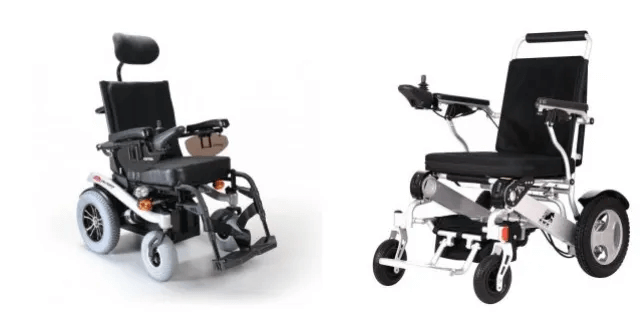
Electric wheelchairs (also called power chairs) are designed for users who need maximum independence. The motorised function makes them far easier than manual chairs to operate, but the caregiver pushability factor is less relevant here—they’re not designed for being pushed extensively.
Top Benefits of Electric Chairs:
-
Effortless Driving: No pushing required—just use a joystick.
-
Adjustable Speed: Smoothly control your pace indoors or outdoors.
-
Advanced Comfort: Reclining seats, headrests, and suspension systems.
-
Accessibility: Ideal for users with limited upper body strength.
While electric wheelchairs may not be the “easiest to push,” they are the easiest to operate independently. They’re especially useful for individuals who want mobility without relying heavily on caregivers.
Lightweight Wheelchairs: Mobility Made Simple
Among all types, lightweight wheelchairs consistently rank as the easiest to push. They strike the perfect balance between comfort and ease-of-use, making life easier for both the user and caregiver.
Why Lightweight Makes a Difference:
-
Reduced Strain: Less weight equals less effort with every push.
-
Agility in Tight Spaces: Compact frames turn easily.
-
Travel-Friendly: Fold for storage in a car boot.
-
Ideal for Caregivers: Easier to lift during transfers.
If a wheelchair user frequently travels, they may also benefit from vehicle adaptations to safely transport their chair.
Example Scenario:
Imagine a caregiver accompanying a family member through a shopping centre. A lightweight chair allows smoother maneuvering around racks, tighter turns in elevators, and reduces the physical burden during a long outing. Without this, fatigue sets in quickly.
Heavy-Duty Wheelchairs: Stability and Support
Heavy-duty models aren’t known for being the easiest to push, but they are essential for specific needs. They are designed with reinforced frames, wider wheels, and higher weight capacity, often supporting up to 250kg.
Key Features:
-
Stability: Ideal for users requiring firm support.
-
Durability: Withstand outdoor and daily intensive use.
-
Comfort Options: Adjustable armrests, padded seats, and reclining backs.
While not the lightest, these wheelchairs bring peace of mind for safety. Caregivers should note, however, that maneuvering can be more challenging than with lightweight chairs.
Wheelchair Features That Affect Pushability
Several design factors influence how easy a wheelchair is to push:
-
Wheel Size & Alignment – Larger wheels roll over obstacles more easily.
-
Tire Type – Air-filled tires absorb shocks better on uneven ground.
-
Frame Material – Lightweight aluminium frames reduce strain compared to heavy steel ones.
-
Seating Adjustments – Proper seat height ensures optimal user posture, reducing energy needed for pushing.
-
Push Handles & Ergonomics – Soft-grip handles give caregivers better control.
Each of these elements can make pushing feel effortless instead of exhausting.
Wheelchair Wheel Types: Maneuverability & Performance
Not all wheels are created equal. Here’s a breakdown:
-
Solid Wheels: Best for indoor use, flat surfaces, offices, and shopping centres.
-
Pneumatic (Air-Filled) Tires: Smooth ride outdoors—they act like car tires for better shock absorption.
-
Mag Wheels: Lightweight alloy construction balances durability with easy maneuvering.
Example: If you mainly use your wheelchair within the home, solid wheels are perfect. For rural or outdoor travel, air-filled tires provide far more ease over gravel, grass, or cobblestones.
The Role of Tires and Tread
The tire tread is just as important as the wheel material:
-
Wide Tread Tires: Offer stability on uneven ground.
-
Narrow Tread Tires: Glide better indoors.
-
Deep Treads: Give grip on wet or slippery surfaces.
Tip: If you live in Ireland’s countryside and deal with rough pathways, a wheelchair with deep tread air-filled tires will be easier to push outdoors.
Finding the Right Fit: Seat Width & Height
Even the easiest wheelchair to push won’t feel comfortable if the sizing is wrong. Always consider:
-
Seat Width: Add 1–2 inches beyond hip measurement for freedom of movement.
-
Seat Height: Feet should rest comfortably on the ground or supported footrests.
-
Back Support: Proper lumbar support prevents fatigue over time.
Incorrect sizing may result in discomfort and even increased pushing resistance due to awkward posture.
Accessories That Enhance Pushability
Want to further improve ease of pushing? Consider these accessories:
-
Pushrims with Grip Covers – Provide more control for both user and caregiver.
-
Ergonomic Handles – Reduce hand strain.
-
Wheel Covers – Prevent wheels from snagging on clothing indoors.
-
Anti-Tip Wheels – Improve stability on inclined surfaces.
If safety is a priority, pairing your wheelchair use with a stairlift can transform mobility at home.
Real User Experiences: What Caregivers Say
Caregivers often provide the most practical insights into what makes a wheelchair easier to push.
Common Feedback:
-
Lightweight chairs reduce fatigue dramatically.
-
Adjustable features like reclining options matter during long outings.
-
Maneuverability in small spaces (cafés, shops, lifts) makes a huge difference.
-
Emotional connection grows stronger when pushing becomes a pleasure instead of a struggle.
Hearing these experiences shows that ease of pushing is more than convenience—it affects quality time with loved ones.
Frequently Asked Questions
Q: How do I choose the best wheelchair for my needs?
A: Consider your lifestyle, daily routes, indoor vs outdoor use, and whether you want manual or powered assistance.
Q: Can I improve the pushability of my current wheelchair?
A: Yes. Adjusting tire type, seat height, and upgrading push handles makes a big difference.
Q: Are lightweight wheelchairs durable?
A: Absolutely. Modern aluminium frames offer a strong balance of portability and strength.
Q: Will Medicare/insurance cover wheelchairs?
A: In Ireland, support schemes may apply depending on mobility needs. Always check with your provider.
Conclusion
To sum up, the easiest wheelchair to push is almost always a lightweight manual wheelchair. Its reduced weight, agile design, and compact frame make it highly efficient for caregivers while ensuring user comfort. However, depending on your lifestyle, a powered wheelchair or heavy-duty model may still be the right fit.
By considering wheelchair type, wheels, tires, seat sizing, and accessories, you can make pushing feel effortless and more enjoyable. Remember: the best wheelchair is not only about functionality, but also about enabling greater independence and freedom in daily life.
👉 Ready to find the perfect wheelchair? At Irish Stairlifts & Bathrooms, we offer a wide selection of manual wheelchairs, powered wheelchairs, and mobility solutions. Contact us today for expert advice or to request a personalised quote.

Take the First Step to Independence
Trusted Mobility & Grant Experts Since 1999
Book Your Free Home AssessmentISB Mobility Showroom – Clane
Unit C5/C6 Clane Business Park
Kilcock Road, Clane, Co. Kildare
Eircode: W91 NF86
045 892 696 | 0818 818 500
showroom@irishstairlifts.ie
Mon–Thu: 9am–5pm | Fri: 9am–4pm