
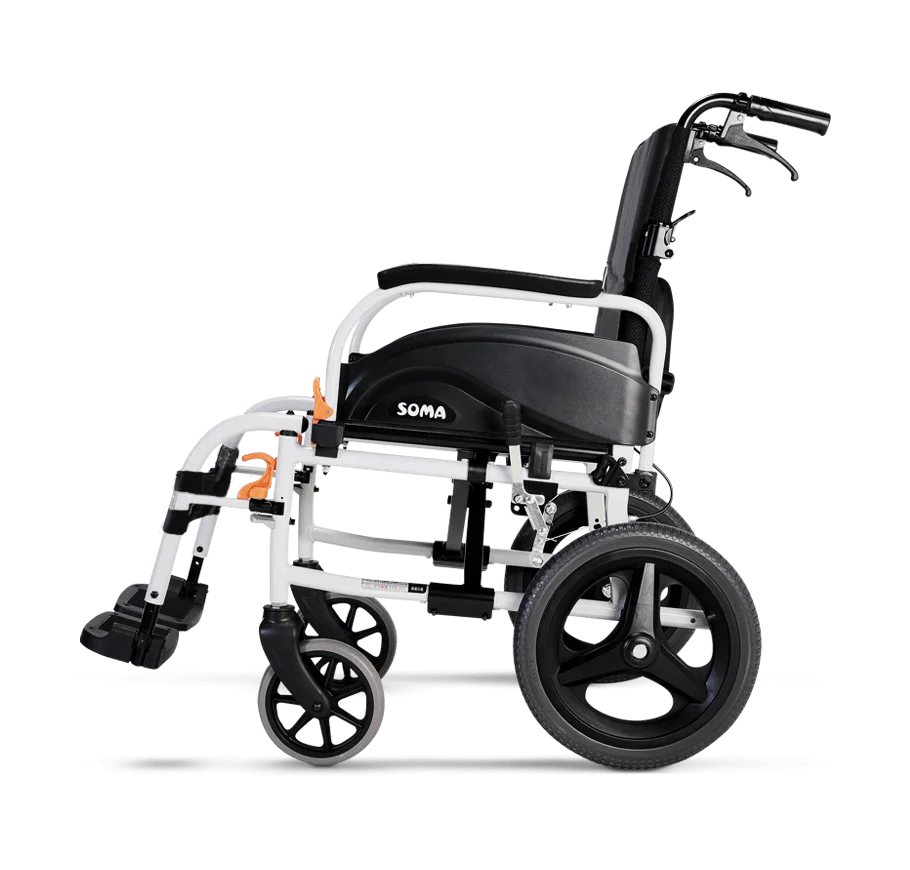

Staying safe while using a wheelchair goes hand in hand with maintaining your independence, comfort, and mobility. Whether you’re new to wheelchair use or have been navigating with one for years, prioritizing wheelchair safety is essential. From learning the mechanics of your chair to mastering navigation techniques, building awareness of your environment, and planning your routes, the right precautions can transform your experience.
In this comprehensive guide, we’ll explore not just the practical elements of daily wheelchair safety but also strategies for integrating these habits into your lifestyle. By the end of this article, you’ll walk—or roll—away with actionable knowledge, peace of mind, and renewed confidence to take on any terrain.
Key Takeaways
-
Stay aware of your surroundings to avoid hazards, pedestrians, and cyclists.
-
Inspect your wheelchair daily, ensuring brakes, tires, and footrests are working properly.
-
Plan ahead by identifying accessible, obstacle-free routes.
-
Maintain good posture to reduce fatigue and prevent long-term health issues.
-
Don’t hesitate to ask for help—effective communication ensures your safety.
-
Use safety accessories, from seat belts to reflectors, to minimize risks.
Understanding Your Wheelchair
Your wheelchair isn’t just a device—it’s a part of your independence and identity. Understanding every component of your chair is the foundation of safety.
Familiarize yourself with these key elements:
-
Brakes: Always ensure they’re properly adjusted and hold your chair in place when locked.
-
Footrests and Armrests: Adjust them to suit your body, preventing strain and discomfort.
-
Cushioning: A proper seat cushion reduces the risk of pressure sores and improves posture.
-
Wheels and Tires: Inspect your tires for air pressure and traction; this makes a huge difference on different terrains.
By getting comfortable with your chair’s mechanics, you empower yourself to troubleshoot small issues, spot early signs of wear and tear, and adapt your chair to your changing needs.
If you’re considering upgrades for comfort or safety, you may find solutions in our wheelchair cushions and mobility aids product pages.
Mastering Navigation Techniques
A safe wheelchair journey requires more than simply moving forward. You’ll need techniques to plan routes, avoid obstacles, and manage elevation changes confidently.
Route Planning Essentials
Effective planning saves time and helps you avoid stressful or unsafe environments.
-
Research routes that have ramps, lifts, and accessible crossings.
-
Use apps designed for wheelchair navigation, which show accessible areas in real time.
-
Always factor in rest stops, especially for longer trips.
-
Check listings for accessible entrances, particularly in shopping centres, offices, or restaurants.
For instance, when attending community events or traveling for appointments, pairing route planning with resources like mobility scooters can enhance flexibility.
Obstacle Avoidance Strategies
Crowded or uneven environments can be tricky, but awareness and technique keep you safe.
-
Keep your eyes scanning ahead, watching both near and far.
-
Slow down when approaching enclosed spaces or corners.
-
Communicate with people around you if you need extra space to pass.
-
Practice tight turns in a safe environment until you feel confident.
This allows you to handle unpredictable environments, like supermarkets or busy pavements, without anxiety.
Elevation Management Techniques
Managing ramps, slopes, and curbs requires technique and practice.
-
For ramps, lean slightly forward, propel steadily, and avoid pushing too fast.
-
For curbs, lift the front wheels first, then guide the back wheels with steady control.
-
Ask for support when facing steep inclines, as assistance can prevent accidents.
-
When possible, choose environments with curb cuts and smooth entryways.
Managing Different Terrains
One of the biggest challenges wheelchair users face is transitioning from one type of surface to another.
-
Grass and gravel: Use wider, treaded tires for better grip.
-
Sand: Stick to firm, damp sand whenever possible, or consider beach wheelchairs.
-
Snow and ice: Equip yourself with anti-slip tires, and avoid icy surfaces if possible.
-
Urban environments: Always look for dropped curbs, tactile paving stones, or uneven manhole covers.
If you often encounter multiple surfaces, choosing the right wheelchair or powered chair tailored for such terrains makes a tremendous difference.
Maintaining Awareness of Your Surroundings
Awareness allows you to stay proactive rather than reactive.
Observing Pedestrian Traffic
-
Stay alert in crowded urban areas, especially where cyclists or scooters share space.
-
At intersections, always pause to scan thoroughly.
-
Use mirrors or practice peripheral awareness to handle multi-directional traffic flows.
Checking Obstacles Ahead
Habitually scanning for low-level hazards is essential. Watch out for:
-
Uneven pavements, potholes, or cracks.
-
Small objects like toys, cables, or shopping bags in indoor environments.
-
Pets or children darting across your path unexpectedly.
By mastering situational awareness, you reduce the risk of collision and reinforce cooperation with those around you.
Ensuring Proper Posture and Support
Long hours of use without proper posture create risks like spine strain and pressure sores.
-
Keep shoulders relaxed but avoid slouching.
-
Push your hips back in the seat so your spine aligns correctly.
-
Use cushions that distribute weight evenly.
-
Adjust footrests so feet are flat, not dangling.
-
Take micro-breaks, shifting your weight or stretching every couple of hours.
A well-proportioned posture enhances both mobility and long-term health. Specialist backrests can also be added for tailored support.
Utilizing Safety Accessories
Accessories not only enhance comfort but also provide life-saving safety benefits.
-
Anti-tip bars: Prevent wheelchairs from tipping backwards on slopes.
-
Seat belts or harnesses: Offer stability during motion.
-
Reflectors and lights: Vital for evening use or indoor low-light conditions.
-
Bags and holders: Reduce the temptation to lean dangerously for belongings.
Exploring useful accessories at our wheelchair accessories collection can help transform your daily experience.
Planning Your Routes
Carefully planned journeys make you safer and more relaxed.
-
Map entrances or exits in advance.
-
Call ahead to ask whether a location is accessible.
-
Use apps that provide real-time accessibility data.
-
Explore community feedback forums for hidden tips about local terrain.
Pairing route planning with mobility solutions such as vehicle adaptations can also make longer journeys more practical.
Communicating With Others for Assistance
Even with preparation, there will be times when you’ll need help. Communicating effectively ensures it’s safe and dignified.
-
Speak clearly about exactly what you need—e.g., “Please hold my chair steady while I push up this ramp.”
-
Don’t hesitate to say no if offered unsafe assistance.
-
Make eye contact and use gestures in noisy or busy areas.
-
Express gratitude—a simple thank you fosters community.
Remember: asking for help is not a weakness. It’s part of building a more accessible society.
Frequently Asked Questions
How often should I inspect my wheelchair?
Carry out a quick daily check of brakes, tires, and cushions. Perform more detailed maintenance checks weekly. For professional servicing, aim for at least once annually. See our wheelchair maintenance services if you require expert support.
What if my wheelchair malfunctions unexpectedly?
Stop safely, examine the visible problem, and call a friend or professional. Always keep your mobile phone handy in case of emergencies.
Are there laws protecting wheelchair safety?
Yes, accessibility laws and disability rights legislation guarantee fair treatment and safe mobility. Such protections vary by region, but they typically cover buildings, public transit, and road-user safety.
How can I transport my wheelchair in a vehicle safely?
Use tie-downs, ramps, or lifts to secure it within the car. Always double-check straps and placement before driving.
What should I carry for emergencies?
Keep a small kit including adhesives, antiseptic wipes, medications, and gauze in a side bag. You can find durable wheelchair bags that make carrying essential supplies easier.
Conclusion
Your wheelchair is more than a mobility device—it is an extension of your lifestyle. By mastering fundamental safety tips such as understanding your wheelchair, planning routes, staying alert, maintaining posture, and using accessories, you set yourself up for smoother, safer, and more confident journeys every day.
Safety is not about creating restrictions—it’s about unlocking freedom by removing avoidable risks. The more care you give to practicing these habits, the greater independence and peace of mind you’ll enjoy.
Take Control of Your Independence Today
At Irish Stairlifts & Bathrooms, we’re passionate about helping you live freely and safely. From wheelchairs, powered chairs, and mobility scooters to vehicle adaptations and bathroom accessibility solutions, we have what you need to live with confidence.
Ready to improve your daily mobility and safety? Contact us today for expert advice, product recommendations, and installation services tailored to your needs.

Take the First Step to Independence
Trusted Mobility & Grant Experts Since 1999
Book Your Free Home AssessmentISB Mobility Showroom – Clane
Unit C5/C6 Clane Business Park
Kilcock Road, Clane, Co. Kildare
Eircode: W91 NF86
045 892 696 | 0818 818 500
showroom@irishstairlifts.ie
Mon–Thu: 9am–5pm | Fri: 9am–4pm