
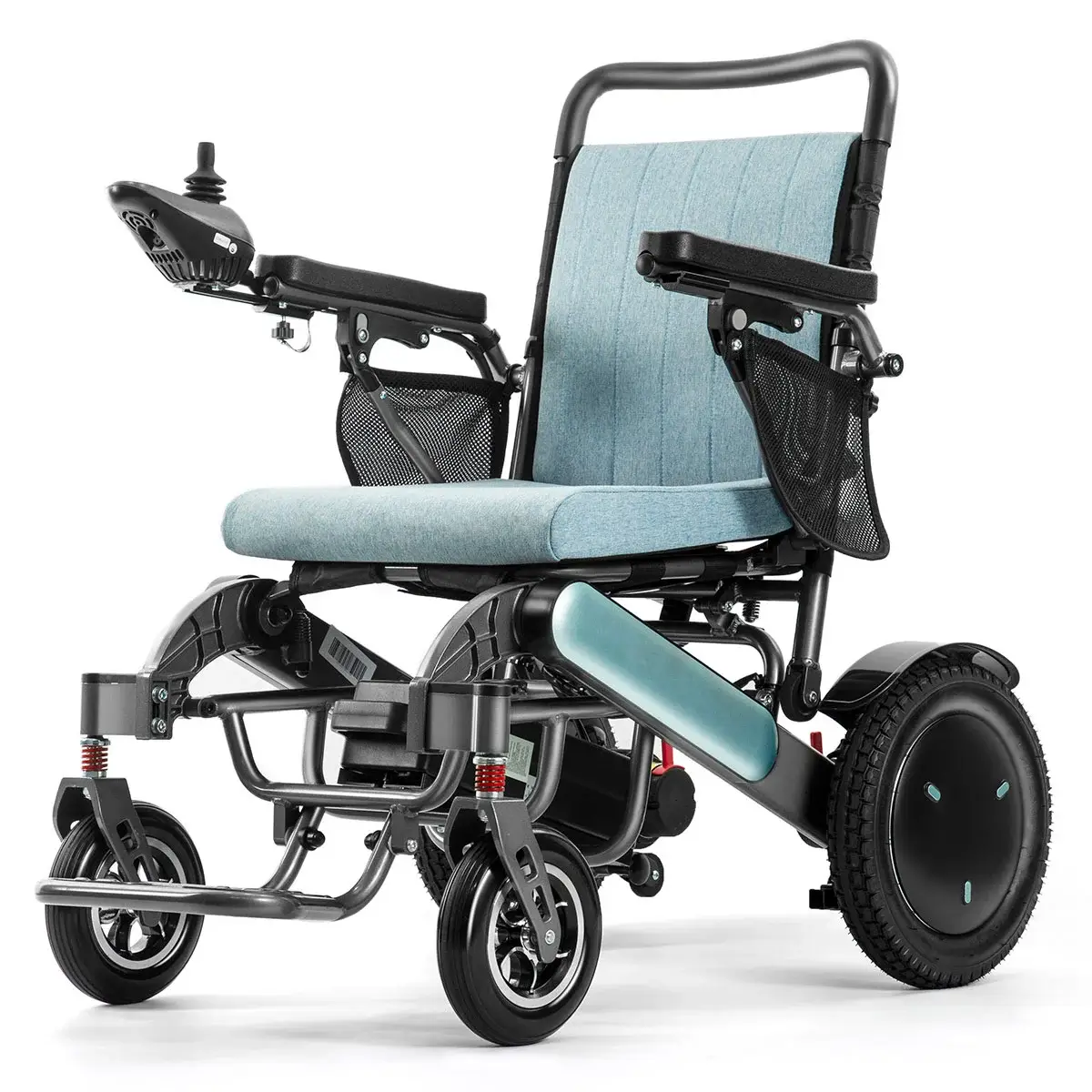

Choosing the right wheelchair is a decision that can greatly influence your independence, comfort, and overall quality of life. Whether you’re considering a manual wheelchair or an electric wheelchair (also known as a power chair), the choice isn’t just about mobility—it’s about finding a tool that supports your lifestyle, meets your physical needs, and aligns with your long-term goals.
Both types of wheelchairs come with their advantages and trade-offs. Manual wheelchairs are typically lighter, more affordable, and easier to transport, while electric wheelchairs offer powerful, effortless mobility, making them ideal for longer distances or users with limited physical strength.
But how do you know which option is truly right for you?
In this guide, we’ll explore the key differences, features, and considerations to help you make an informed decision. We’ll also discuss practical topics like costs, portability, maintenance, environment suitability, and insurance coverage. By the end, you’ll have a clearer sense of whether a manual or electric wheelchair is the best fit for your lifestyle.
Key Takeaways
-
Assess your daily mobility needs and the environments you’ll be navigating to determine the right wheelchair type.
-
Consider your physical strength and stamina—manual wheelchairs require more upper body strength, while electric chairs reduce physical strain.
-
Evaluate weight and portability—lighter chairs are easier to fold and transport, while power chairs may require vehicle lifts or ramps.
-
Compare costs and maintenance requirements—manual models are cheaper upfront, while electric models may provide long-term convenience despite higher initial costs.
-
Think about battery life and charging options for electric chairs, ensuring they align with your daily routines.
-
Seek professional advice from healthcare providers or occupational therapists—it can make a world of difference in finding the right fit.
Understanding the Basics of Manual and Electric Wheelchairs
Before diving into lifestyle considerations, let’s establish the core differences between manual and electric wheelchairs.
Manual Wheelchairs
Manual wheelchairs rely on arm strength or assistance from a caregiver to move. They’re often:
-
Lightweight & Portable – Some models fold easily and fit into car boots.
-
Affordable – The lower upfront investment makes them attractive.
-
Good for Exercise – They allow users to maintain upper body activity and muscle tone.
However, they require stamina and can be physically demanding if used for extended periods or over rough terrain.
Electric Wheelchairs
Electric wheelchairs (or powered wheelchairs) use a battery-powered motor controlled with a joystick or other input system. They offer:
-
Effortless Mobility – Perfect for long distances and users with limited strength.
-
Indoor & Outdoor Comfort – Power chairs are equipped with suspension, making them easier to handle on uneven ground.
-
Advanced Features – Options like reclining seats, elevating leg rests, or tilt-in-space designs enhance comfort.
The trade-off? They are heavier, more expensive, and less portable, often requiring a vehicle lift for transport.
➡️ If mobility independence and minimal effort are top priorities, an electric wheelchair stands out as the superior option. But if you value portability, affordability, and exercise benefits, a manual wheelchair may be the right fit.
Assessing Your Mobility Needs
Your personal mobility requirements should be the foundation of your decision. Start by asking yourself:
-
How often will I use the wheelchair?
-
Daily, occasional, or just for outings?
-
-
Where will I use it most often?
-
Indoors, outdoors, or both?
-
-
Do I have the stamina to propel a manual chair?
-
Consider your upper body strength, endurance, and long-term health.
-
If your disability or condition affects your strength, endurance, or energy levels, an electric wheelchair might offer greater independence. For example:
-
Individuals with multiple sclerosis (MS) or muscular dystrophy often benefit more from electric models.
-
Someone with temporary injuries (e.g., post-surgery rehabilitation) might only need a manual chair short-term.
Remember: your wheelchair isn’t just a mobility aid—it’s a way of ensuring you can continue to do the things you enjoy without unnecessary limitations.
Evaluating Lifestyle and Environment
Your environment directly impacts the type of wheelchair that will best suit your daily life.
Indoor Use
If you mostly move through tight indoor spaces, a lightweight manual wheelchair that maneuvers around furniture smoothly may be ideal. Indoor-friendly power chairs also exist, but their turning radius might be larger.
Outdoor Adventures
If you plan to traverse parks, gardens, or city streets, an electric wheelchair is often more practical. Their powerful motors and sturdy wheels are designed to handle uneven surfaces.
Workplace and Social Settings
Consider:
-
Narrow workplace corridors → Manual wheelchair for agility.
-
Long-distance commuting or school campuses → Electric wheelchair for endurance.
-
Social outings to malls or restaurants → Foldable manual chairs offer greater transport convenience.
➡️ Example: If you live in Dublin city and rely on buses or taxis, a foldable wheelchair offers flexibility for public transport. But if you live in rural Ireland with longer travel distances, an electric wheelchair with strong battery life may be more beneficial.
Considering Weight and Portability
One of the most practical concerns is how portable and manageable your wheelchair is.
Manual Wheelchairs
-
Weight: Approx. 30–40 lbs (lightweight models even 20 lbs).
-
Transport: Easily folded and lifted into a car.
-
Ideal For: People who frequently travel by car, or need a backup chair.
Electric Wheelchairs
-
Weight: Anywhere from 50–300 lbs.
-
Transport: May require a ramp, adapted vehicle, or wheelchair lift.
-
Ideal For: Those who remain in the chair for most of the day.
Quick Comparison:
| Type | Weight Range | Portability | Best Use Case |
|---|---|---|---|
| Manual Wheelchair | 20–40 lbs | Foldable, easy to lift | Short trips, strong users |
| Electric Wheelchair | 50–300 lbs | May need lift or ramp | Long-term independence |
| Ultra-Light Models | 15–25 lbs | Extremely portable | Frequent travel |
For frequent flyers or car users, manual or ultra-light wheelchairs can drastically reduce stress. For individuals living a largely home-based lifestyle, electric models are manageable even if heavy, since transport may not be as frequent.
Analyzing Cost and Maintenance
Cost can be a deciding factor in choosing between manual and electric wheelchairs.
Manual Wheelchairs
-
Upfront Cost: Generally €300–€800 for standard models.
-
Maintenance: Occasional repairs like wheel replacements or upholstery fixes.
-
Lifespan: 3–5 years depending on use.
Electric Wheelchairs
-
Upfront Cost: Can range from €1,500 to €10,000 depending on features.
-
Maintenance: Battery replacements every 1–2 years, servicing motors, and electronics.
-
Lifespan: Around 5–10 years with proper care.
For cost-effective solutions, you may also want to check mobility scooter options which provide similar independence without the high price tag of advanced electric chairs.
Exploring Battery Life and Charging Options
If you lean toward an electric wheelchair, battery life becomes a critical factor.
-
Average Range: 15–20 miles per single charge.
-
Charging Time: 4–8 hours depending on the model.
-
Spare Batteries: Always useful for active lifestyles.
Power outages or long trips may affect you differently if you depend on a chair’s charge. For peace of mind:
-
Invest in a portable wheelchair charger.
-
Check if your model supports quick charging options.
Seeking Professional Advice and Recommendations
A wheelchair is not one-size-fits-all. Consulting professionals provides insights tailored to your unique needs.
-
Occupational Therapists – Can evaluate your daily routine and recommend the best model.
-
Physiotherapists – Assess physical strength and match you with the right wheelchair style.
-
Mobility Specialists – Offer demo sessions where you can trial different models before committing.
Professionals can also advise if you may benefit from stairlifts or through-floor lifts to complement home independence alongside your wheelchair.
Frequently Asked Questions
1. Can I Customize My Wheelchair for Better Comfort and Support?
Yes! Options include gel cushions, adjustable armrests, ergonomic backrests, and footrest extensions. Customizations prevent pressure sores and improve posture.
2. What Insurance Covers Wheelchair Costs?
In Ireland, the HSE (Health Service Executive) provides wheelchairs based on medical need. Private insurance plans, Medicare, and Medicaid in other regions may also offer coverage.
3. How Do I Transport a Wheelchair in My Vehicle?
Manual models fold for trunk storage. Heavier electric chairs require vehicle adaptations, such as lifts or ramps.
4. Are There Specific Warranties for Manual and Electric Wheelchairs?
Yes. Most manual chairs include 1–3 years manufacturer warranty, while electric models may offer 2–5 years for motors and structural parts.
5. How Do I Choose the Right Size Wheelchair for My Body?
Seat measurements must fit your hips, thighs, and height. A poorly sized wheelchair leads to poor posture, discomfort, and injury risks—making professional fitting essential.
Conclusion
The decision between a manual and electric wheelchair ultimately depends on your physical abilities, lifestyle, and personal preferences.
-
Choose a Manual Wheelchair if you value affordability, portability, and light exercise.
-
Choose an Electric Wheelchair if independence, comfort, and long-distance mobility are your top priorities.
Studies suggest nearly 80% of long-term wheelchair users prefer electric models for convenience and reduced fatigue. Still, the right choice varies by individual.
At the end of the day, the best wheelchair is one that:
-
Fits your lifestyle seamlessly.
-
Enables you to engage fully in daily life.
-
Reduces strain while enhancing independence.
👉 Ready to explore your options? At Irish Stairlifts & Bathrooms, we’re dedicated to helping you find the perfect mobility solution—whether it’s a wheelchair, a mobility scooter, or supportive home adaptations like stairlifts.
Contact us today to request expert advice, schedule a consultation, or get a personalised quote. Your independence is worth the best possible support!

Take the First Step to Independence
Trusted Mobility & Grant Experts Since 1999
Book Your Free Home AssessmentISB Mobility Showroom – Clane
Unit C5/C6 Clane Business Park
Kilcock Road, Clane, Co. Kildare
Eircode: W91 NF86
045 892 696 | 0818 818 500
showroom@irishstairlifts.ie
Mon–Thu: 9am–5pm | Fri: 9am–4pm