
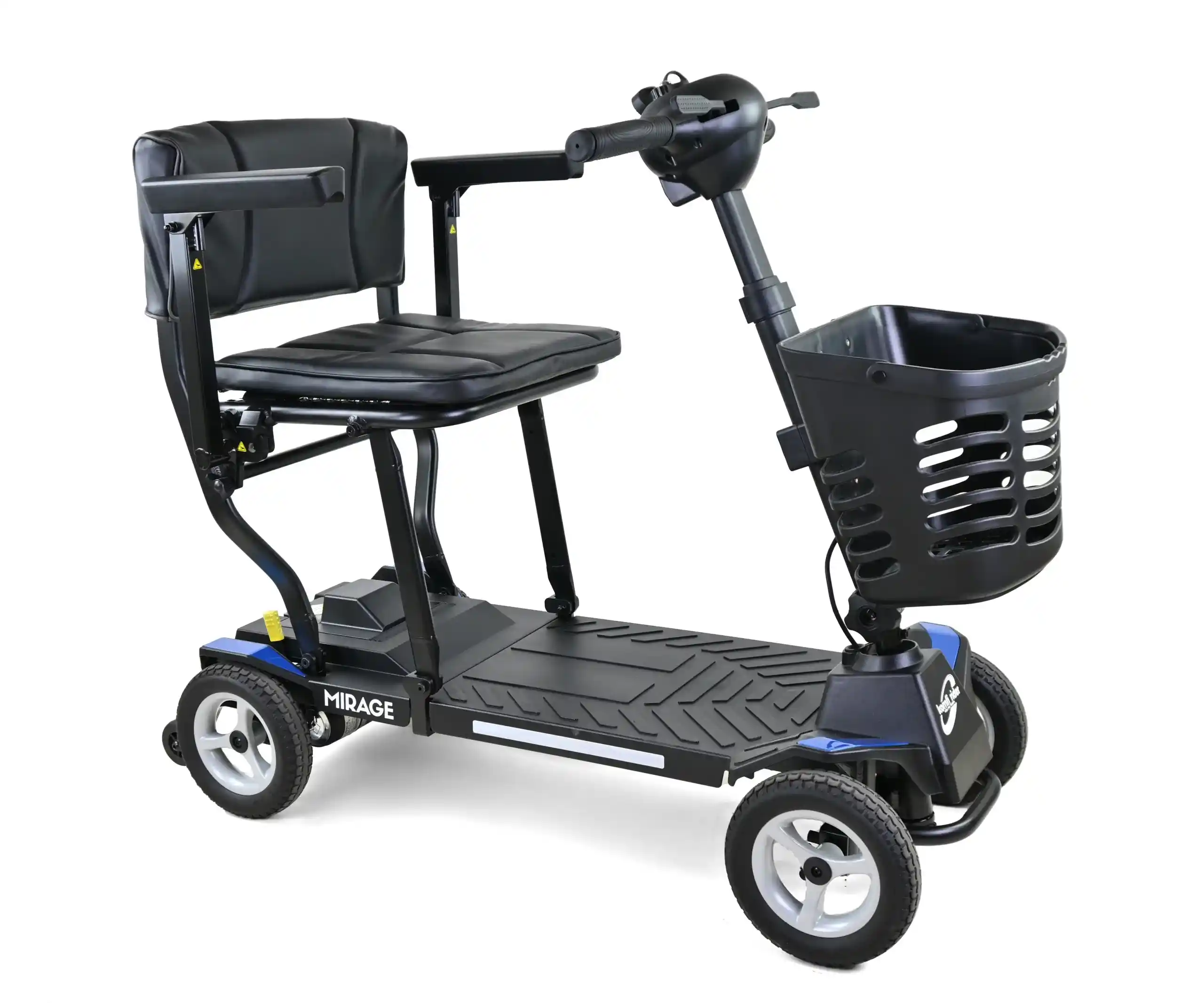

Choosing the right battery for your mobility scooter is one of the most important decisions you will make as a scooter owner. From how far you can travel, to how quickly your scooter recharges, and even how easy it is to transport, the battery type directly impacts your daily independence across Ireland’s towns, cities, and rural roads.
With mobility scooters growing in popularity throughout Ireland, particularly for older adults and those with limited mobility, understanding battery technology is more crucial than ever. Whether you are navigating Cork’s bustling streets, enjoying a seaside stroll in Galway, or visiting family in rural Wicklow, the right battery ensures a seamless journey.
In this article, we will explore the different types of batteries used in mobility scooters, their pros and cons, and what Irish users should know before making a choice. We’ll also review maintenance tips, cost factors, environmental impact, and even look at future trends in battery technology.
Key Takeaways
-
Battery type directly impacts travel distance: Lithium-ion batteries typically offer longer ranges compared to traditional lead-acid options.
-
Weight matters for manoeuvrability, especially for scooter users who frequently fold and transport their scooters.
-
Charging times vary significantly: lead-acid batteries can take twice as long as lithium-ion batteries.
-
Maintenance requirements differ: lead-acid requires regular upkeep, while lithium-ion is mostly maintenance-free.
-
Environmental responsibility is key: proper disposal and recycling are essential to protect Ireland’s environment.
Why Mobility Scooter Batteries Matter in Ireland
Mobility scooters have become a staple for independence across Ireland, particularly in urban centres where public transport may not always be accessible. With accessible pedestrian pathways improving in cities like Dublin and Limerick, more Irish residents rely on scooters daily. At the heart of this reliability is the battery, which effectively acts as the scooter’s fuel tank.
Unlike cars, where petrol stations are everywhere, mobility scooter users must depend on a full battery charge. If your scooter loses power halfway between Navan Shopping Centre and your home, you’re stranded. That’s why choosing and maintaining the right battery is about more than convenience—it’s about freedom of movement.
Types of Mobility Scooter Batteries
Different technologies power today’s scooters. Here are the main battery types you’ll encounter in Ireland:
-
Lead-Acid Batteries – Affordable, reliable, but heavy and slow to charge.
-
Gel Batteries – A subtype of lead-acid batteries with longer lifespan and sealed liquid technology.
-
Absorbent Glass Mat (AGM) Batteries – Maintenance-free, safe, and widely used in Ireland.
-
Lithium-Ion Batteries – Lightweight, long-lasting, and quick to charge, but more expensive.
-
Nickel-Metal Hydride Batteries – Rare in scooters but eco-friendlier than lead-acid.
The right choice depends on your budget, lifestyle, and travel needs.
Lead-Acid Batteries: Still Popular in Ireland
While newer options exist, lead-acid batteries remain the most common type in Ireland due to their low upfront cost.
Benefits:
-
Affordable and widely available across Ireland.
-
Tried-and-tested technology with decades of use.
-
Suitable for smaller scooters used for short trips, e.g., going to your local Tesco in Clondalkin.
-
Easy to replace from mobility suppliers.
Drawbacks:
-
Very heavy, making it tough to transport scooters upstairs or fold into a car boot.
-
Slower charging times (8–12 hours).
-
Generally shorter lifespan compared to lithium-ion.
Lithium-Ion Batteries: The Premium Option
Lithium-ion batteries are fast becoming the gold standard for Irish mobility scoots. Though more expensive upfront, the long-term benefits often outweigh the higher cost.
Benefits:
-
Travel longer distances on a single charge—ideal for full-day outings around Salthill Promenade in Galway.
-
Charge in about 4–6 hours, letting you enjoy more spontaneous trips.
-
Extremely lightweight, making scooters easier to lift into car boots.
-
Longer lifespan, potentially saving money in the long run.
-
Low maintenance — no fluid checks or terminal cleaning required.
Drawbacks:
-
More costly at the initial purchase.
-
May require specialist replacement parts from certified suppliers.
For anyone in Ireland who uses a scooter regularly for long distances, lithium-ion is typically the best investment.
Comparing Battery Weight in Ireland’s Context
Transporting your scooter matters, especially if you frequently travel by car or take your scooter on Irish public transport. For example, Iarnród Éireann trains often require scooters to be folded or lifted into wheelchair-accessible compartments.
-
Lead-acid batteries can add significant weight, sometimes above 20kg.
-
Lithium-ion batteries are far lighter, making portable scooters practical for day trips.
-
AGM batteries balance safety with weight but are still heavier than lithium-ion.
If you live in a rural Irish county—say Donegal—where you’re lifting your scooter in and out of the car often, a lighter battery could be life-changing.
Range and Distance: Planning Irish Journeys
Battery type directly affects range per charge:
-
Lead-acid: typically 8–15 miles, suitable for short errands.
-
Lithium-ion: up to 30 miles, supporting long full-day outings.
-
Gel/AGM types: around 10–20 miles, depending on usage.
This means that a lithium-ion scooter from Dublin city centre could easily manage a trip from Trinity College to Phoenix Park and back, without a recharge. In contrast, a lead-acid battery may need recharging halfway.
Charging Times in an Irish Household
It’s important to align charging times with your daily routine. Many Irish users plug their scooters in overnight.
-
Lead-Acid: 8–12 hours for full charge.
-
Gel Batteries: 6–8 hours.
-
AGM Batteries: 6–10 hours.
-
Lithium-Ion: Only 4–6 hours.
Ireland’s growing adoption of renewable electricity (including wind energy) also means charging mobility scooters is becoming more eco-friendly.
Cost Considerations for Irish Buyers
When budgeting for batteries in Ireland, factor in more than the up-front cost.
-
Lead-acid: cheaper initially but may need replacing every 1–2 years.
-
Lithium-ion: higher upfront (€400–€600) but lasts up to 5 years.
-
Maintenance costs: lead-acid requires more care and servicing.
-
Replacement costs: lithium-ion reduces frequent replacements.
Environmental Impact and Irish Recycling Initiatives
Ireland’s battery recycling regulations mean you cannot simply throw old scooter batteries into your household waste. Both lead-acid and lithium-ion need specialised disposal.
-
Local recycling centres across Ireland accept mobility scooter batteries.
-
Many Irish mobility suppliers, such as Irish Stairlifts & Bathrooms, provide eco-friendly recycling schemes.
-
Proper disposal prevents chemicals from contaminating soil and water supplies.
Choosing a greener option like lithium-ion not only benefits your independence but also aligns with Ireland’s strong environmental sustainability goals.
Future of Mobility Scooter Batteries in Ireland
Battery technology is advancing rapidly:
-
Solid-state batteries could replace lithium-ion in the next decade, offering even faster charging and higher safety.
-
Integration with smart mobility apps could let Irish users monitor battery health from their smartphone.
-
Ireland’s rollout of green energy may lead to tax credits or government incentives for eco-friendly scooter batteries.
FAQs for Irish Mobility Scooter Users
Can I use car batteries in a mobility scooter?
No. Car batteries are designed differently and can damage your scooter. Always stick to recommended scooter batteries.
How long do mobility scooter batteries last in Ireland?
Typically 1–3 years, but lithium-ion can last 4–5 years with proper care.
Where in Ireland can I recycle my mobility scooter battery?
Check with your local county council recycling centre or mobility suppliers such as Irish Stairlifts & Bathrooms.
Do weather conditions in Ireland affect battery performance?
Yes. Cold Irish winters can reduce battery efficiency, particularly for lead-acid batteries. Storing indoors helps maintain performance.
Conclusion
The battery you choose for your mobility scooter is more than a technical detail—it defines your freedom, independence, and lifestyle across Ireland. From trips to the supermarket in Cork, to leisurely strolls in Kilkenny’s parks, or family visits in Louth, the right battery ensures you can enjoy life without limits.
Whether you value the affordability of lead-acid, or the performance and convenience of lithium-ion, this choice directly shapes your travel, comfort, and confidence. Consider weight, range, charging time, cost, and environmental impact when making your decision.
Ultimately, investing in the right battery allows you to focus less on limitations and more on the adventures waiting ahead on Ireland’s beautiful roads and walkways.
Ready to Get Started?
At Irish Stairlifts & Bathrooms, we provide expert advice on mobility scooters and batteries tailored for the Irish market. Explore our full range of Mobility Scooters and compact mobility scooter, discover Mobility Aids, or contact our team today for personalised recommendations or free quote.
Your independence begins with the right battery—let us help you power that journey.

Take the First Step to Independence
Trusted Mobility & Grant Experts Since 1999
Book Your Free Home AssessmentISB Mobility Showroom – Clane
Unit C5/C6 Clane Business Park
Kilcock Road, Clane, Co. Kildare
Eircode: W91 NF86
045 892 696 | 0818 818 500
showroom@irishstairlifts.ie
Mon–Thu: 9am–5pm | Fri: 9am–4pm