Fraud Blocker ...
Categories Outdoor & Independence Solutions

What Is a Type 3 Mobility Scooter?

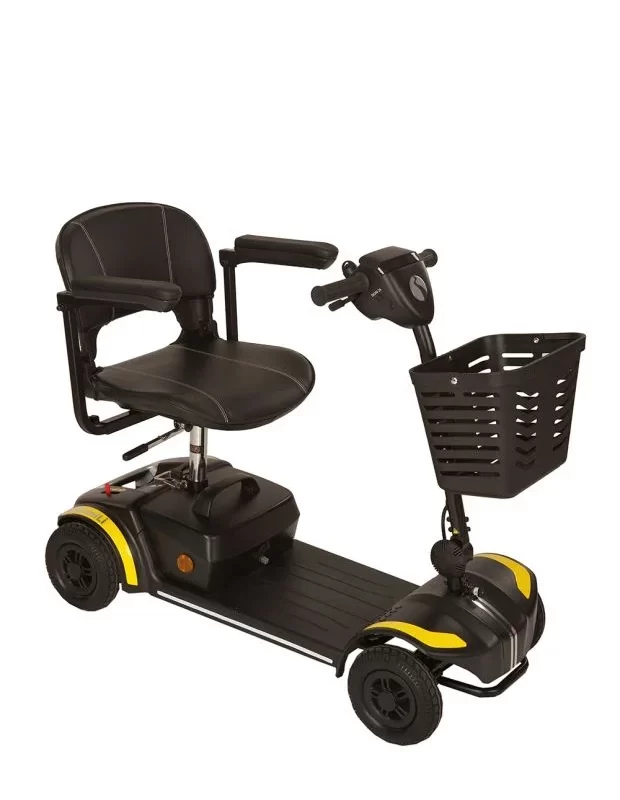
a man on lightweight mobility scooter

Type 3 mobility scooter is a robust, outdoor-friendly vehicle designed to help people with limited mobility maintain an active and independent lifestyle. Larger and sturdier than smaller mobility aids, Type 3 scooters are built for longer journeys, varied terrains, and enhanced comfort. For people across Ireland—from busy Dublin city streets to the scenic paths of Galway and the quiet country lanes of Kerry—these scooters allow you to go further, travel more smoothly, and enjoy greater freedom.

Unlike smaller indoor scooters, Type 3 models are classified as road legal mobility scooters in Ireland. This means they can be used on public roads (within limits) and are fitted with important safety features such as lights, indicators, and braking systems. For many Irish users, a Type 3 scooter isn’t just about mobility—it’s about keeping connected to friends, family, and community without relying heavily on others.

In this article, we’ll break down everything you need to know about Type 3 mobility scooters in Ireland: their features, key benefits, how they compare to other types, where to buy them, and what to consider before making an investment.


Key Takeaways

  • Type 3 mobility scooters are built for outdoor use and longer journeys, offering higher speeds and stronger construction compared to Type 1 or Type 2 models.

  • They feature powerful suspension, longer battery life, and ergonomic seating, making them ideal for Ireland’s mixed road and path conditions.

  • Advanced safety features such as lights, mirrors, and braking systems make them suitable for public road use, under Irish regulations.

  • They are an excellent option for people who want to regain independence and enjoy exploring parks, coastal paths, town centres, or even longer day trips.

  • You can purchase Type 3 scooters in Ireland through Irish Stairlifts and other trusted mobility equipment specialists who also offer servicing and aftercare.


Understanding Mobility Scooters

Mobility scooters have become increasingly popular throughout Ireland as more people look for ways to stay active and independent, despite challenges with walking or stamina. They bridge the gap between walking aids and full motorised wheelchairs, offering ease of movement and greater travel distances without major physical strain.

For many Irish users, a scooter means:

  • Being able to make the trip to the local SuperValu or Tesco without depending on lifts.

  • Visiting friends in nearby towns or family in rural areas.

  • Continuing to enjoy nature walks in Phoenix Park or along the Cliffs of Moher paths (where permitted).

  • Joining community clubs or attending mass on Sundays without transport worries.

Their user-friendly controls mean that even those unfamiliar with powered vehicles can pick up scooter use quickly. Most models are designed with clear buttons and handlebars, making them intuitive to use. Ultimately, a mobility scooter isn’t just a vehicle—it’s a tool that helps people in Ireland reclaim confidence, independence, and community belonging.

For a full breakdown of scooter models, you can also visit our page on Mobility Scooters.


Characteristics of Type 3 Mobility Scooters

Type 3 mobility scooter is classified as a Class 3 scooter under UK and Irish definitions. These are larger, more powerful scooters designed with enough features to be considered roadworthy—meaning in Ireland, they can travel on main roads but not on motorways.

Key characteristics include:

  • Higher speed capacity: Up to 12 km/h, which makes them suitable for both pavement and road use.

  • Long-range batteries: Capable of 25–40 km on one charge, ideal for rural journeys where charging stops aren’t accessible.

  • Sturdy design: Large tyres, suspension, and a heavier build that makes them fit for gravel paths, hilly towns (like Cork), and uneven Irish road surfaces.

  • Comfort built-in: Adjustable ergonomic seating, padded armrests, and shock-absorbing features for longer use.

  • Safety standards: Equipped with indicators, headlights, mirrors, and strong braking systems, making them compliant and safe for Irish roads.


Key Features of Type 3 Mobility Scooters

When you choose a Type 3 scooter in Ireland, you’re getting advanced mobility features:

  • Longer travel range (perfect for living outside urban centres).

  • Suspension systems that handle cobbled streets in Galway or bumpy rural roads.

  • LED lighting for those darker Irish evenings in autumn and winter.

  • High weight capacity for users who need robust support.

  • Storage baskets and compartments for shopping or carrying items to the GAA pitch or local community centre.

If you’re considering buying a mobility scooter in Ireland, it’s worth speaking to trusted suppliers who understand local customer needs.


Benefits of Using a Type 3 Mobility Scooter

Independence and Freedom

In rural counties like Donegal or Clare, distances between amenities can make daily life challenging without reliable transport. A Type 3 scooter helps you travel independently to shops, post offices, or family homes, reducing reliance on others.

Comfort and Stability

Ireland’s pathways are not always smooth, particularly in older towns with cobblestone streets. The suspension, padding, and stable base of Type 3 models absorb these bumps, ensuring you’re comfortable even on longer outings.

Terrain Confidence

From Dublin pavements to greenways in Mayo, Type 3 scooters are built for versatile conditions. Their all-terrain tyres provide safety and peace of mind.

Community Inclusion

Far from being just a mobility aid, these scooters keep people engaged in their local GAA clubs, parish groups, senior meetups, and social events, reducing isolation.


Terrain Capabilities in Ireland

Irish Terrain Type Performance with Type 3 Scooter
Rural country lanes Excellent grip and stability
Urban cobblestones (Galway, Kilkenny) Smooth shocks with suspension
Coastal walkways (e.g. Bray Seafront) Suitable with caution
Parks and green paths Adventure ready
Inclines (Dublin hills, Cork) High torque handles inclines well
 

Safety Features

Safety matters when using scooters near Irish traffic. Type 3 scooters come with:

  • Braking systems for busy crossings.

  • Front and rear lights for darker winter evenings.

  • Indicators and mirrors for safe on-road use.

  • Anti-tip design to prevent falls.

For Irish regulations, scooters are limited to 8 km/h on footpaths and up to 12 km/h on roads, so safety features are crucial.

For those new to mobility scooters, you can also explore mobility aids to complement your scooter.


Comparing Type 3 with Other Mobility Scooters

Type Key Features Best For
Type 1 Small, portable, indoor use Indoors and very short trips
Type 2 Pavement scooters, lower speed Town centres, shopping runs
Type 3 Road legal, higher speed, robust suspension Long-distance and mixed terrain use in Ireland
 

Choosing the Right Type 3 Mobility Scooter in Ireland

When shopping in Ireland, consider:

  • Lifestyle needs: Are you mainly in cities or rural towns?

  • Range: Do you need to reach amenities a few kilometres away?

  • Budget: Scooters range widely in price; balancing features with affordability is key.

  • Aftercare: Reliable local servicing is essential. Irish Stairlifts offers nationwide service and maintenance for peace of mind.


Maintenance and Care Tips

Ireland’s damp climate means scooters need regular maintenance. Keep your scooter performing well by:

  • Charging batteries frequently.

  • Storing indoors where possible to avoid rain and sea-salt damage.

  • Checking tyre pressure regularly.

  • Scheduling professional annual servicing.


Where to Purchase in Ireland

You can purchase Type 3 mobility scooters at trusted suppliers like Irish Stairlifts. Options include:

  • Local showrooms where you can test models.

  • Home consultations if you prefer personalised recommendations.

  • Expert aftersales service including repairs, spare parts, and advice.


Conclusion

Type 3 mobility scooter is more than a piece of equipment—it’s a lifeline in Ireland for those who want to hold onto freedom, independence, and connection. Whether you’re travelling down Dublin’s bustling Henry Street, heading along Limerick’s River Shannon walks, or simply doing the weekly shop in your local village, a Type 3 scooter makes every journey more comfortable, safer, and more enjoyable.

If you’re ready to embrace mobility, now is the time to explore your options. With the right scooter, you’ll rediscover flexibility, convenience, and confidence in getting around your community.


Take the Next Step with Irish Stairlifts

Ready to regain your independence with a Type 3 mobility scooter? Browse our full range of Mobility Scooters in Ireland, or contact our expert team for friendly advice. At Irish Stairlifts & Bathrooms, we provide:

  • Expert product recommendations tailored to your needs.

  • Nationwide delivery and servicing.

  • A wide selection of mobility aids to help you live life to the fullest.

Call us today for a free quotation or free demonstration

Your independence is waiting—why not take the first ride?
Categories Outdoor & Independence Solutions

Which Is Better, a 3 or 4 Wheel Mobility Scooter?

Old man driving a mobility scooter

Mobility scooters play a vital role in giving people the independence to enjoy life, whether that means a trip into town, a walk along the promenade, or simply moving around at home. Choosing between a 3-wheel and a 4-wheel mobility scooter is a big decision, and the best option depends on your needs, lifestyle, and the environments you plan to use it in.

For some, agility and manoeuvrability are essential, making 3-wheel mobility scooters a great choice. For others, stability, comfort, and durability matter most, making 4-wheel scooters the better option. In this guide, we’ll explore in-depth the differences between the two, their advantages and drawbacks, and what you should consider before making your decision here in Ireland.


Key Takeaways

  • 3-wheel scooters: Best for agility, indoor use, and transport convenience.

  • 4-wheel scooters: Superior for stability, comfort, and outdoor terrain performance.

  • Budget considerations: 3-wheel models usually have lower purchase costs, while 4-wheel scooters keep value for longer.

  • Irish conditions: If you regularly travel across uneven pavements or rural footpaths, 4-wheel scooters are often more practical. For city use or small indoor spaces, 3-wheel models offer greater ease.


Understanding Mobility Scooters in Ireland

Mobility scooters have become an increasingly popular option for Irish adults who want to remain mobile and independent beyond traditional walking aids. They aren’t just practical vehicles; they represent freedom, dignity, and connection in daily life.

Whether you live in Dublin city, Cork, Galway, or a smaller rural town, mobility scooters help you stay engaged—whether that’s commuting to the local shops, visiting family in nearby estates, or getting some fresh air by the waterfront.

If you’re completely new to scooters, it’s worth understanding the main categories:

  • Travel scooters: Portable, often lightweight, easy to fold and carry.

  • Mid-sized scooters: Good balance between performance and portability.

  • Large outdoor scooters: Built for durability and long journeys.

Both 3-wheel and 4-wheel options can be found within these categories. Choosing properly means matching your scooter to your Irish lifestyle and environment.

Explore our full mobility scooters collection for examples available in Ireland.


Overview of 3-Wheel Mobility Scooters

3-wheel mobility scooter is designed with one wheel at the front and two at the back. This design provides a sharper turning radius and greater manoeuvrability in tight areas.

These scooters are often slimmer and lighter, making them an excellent option for indoor use, shopping centres, or housing estates in Irish towns where streets can have narrow footpaths.

Feature Description Benefit
Maneuverability Very tight turning radius Great for narrow corridors and shops
Weight Usually lighter build Easier to transport, especially in cars
Size Slimmer frame Fits through tight spaces and doorways
Style Sleek design Modern and comfortable look
 

Advantages of 3-Wheel Mobility Scooters

  1. Agility and Tight Turning Radius The design allows users to pivot easily, making it perfect for navigating narrow kitchens, hallways, or busy supermarkets.

  2. Lightweight and Portable These scooters are easier to lift into a car boot compared to larger four-wheelers, which is handy if you’re travelling between towns like Kildare and Dublin.

  3. Economical Option 3-wheel scooters often cost less upfront, making them affordable for more households.

  4. Comfortable Legroom Because of the front wheel design, taller users often find more foot space on 3-wheel models.


Disadvantages of 3-Wheel Mobility Scooters

  1. Stability Concerns With only one wheel at the front, these scooters can feel less secure on uneven roads—particularly Irish country roads or pavements with potholes.

  2. Weight Capacity Limits Compared to 4-wheel designs, the weight limits are smaller.

  3. Outdoor Limitations These are best suited to smooth indoor floors, shopping centres, or well-paved paths. They can struggle on rough rural terrain.


Overview of 4-Wheel Mobility Scooters

4-wheel mobility scooter mimics the stability of a small vehicle and is built for users who want a safe, durable ride. With two wheels at the front instead of one, they provide greater stability, comfort, and support.

They are especially suited to Ireland’s often uneven paths, cobbled streets, and rural roads.

Feature Description Benefit
Stability Even distribution of weight Safer, less chance of tipping
Strength Higher weight capacity Suitable for heavier users
All-terrain Handles uneven ground Better outdoors in Ireland
Safety Wider wheelbase Peace of mind during rides
 

Advantages of 4-Wheel Mobility Scooters

  1. Greater Stability and Safety Perfect for uneven pavements in towns like Limerick or Galway, as well as rural routes.

  2. Increased Weight Capacity Designed to support a wider range of body types and heavier loads.

  3. Durability on Irish Roads 4-wheel scooters handle longer journeys across town centres and scenic walks.

  4. Confidence Outdoors The sturdier ride means more independence, knowing your scooter can handle real-world Irish pathways.


Disadvantages of 4-Wheel Mobility Scooters

  1. Larger Turning Radius These scooters can feel less agile in narrow spaces indoors.

  2. Heavier and Bulkier Transporting them in smaller Irish cars may be challenging.

  3. Higher Initial Price More stability comes with a higher cost, but the long-term value makes it worth considering.


3-Wheel vs 4-Wheel: A Feature Comparison

Feature 3-Wheel Scooter 4-Wheel Scooter
Turning Radius Small Larger
Stability Lower Higher
Suitability Indoors Excellent Good
Outdoor Terrain Limited Superior
Weight Capacity Lower Higher
Transportability Lightweight Heavier, less portable
Cost More affordable Higher, but better long-term value
 

Comfort and Ride Quality

Comfort is crucial, especially for longer rides around Irish towns or outdoor excursions.

  • 3-wheel models feel agile and compact but less secure over cobblestones or uneven surfaces in historic towns.

  • 4-wheel models provide smoother rides and often come with suspension systems, making them comfortable for bumpy terrain.

Look for tall backrests, cushioned seats, and adjustable tillers when choosing.


Storage and Portability in Irish Homes

With smaller Irish houses and narrow hallways common, storage must be considered:

  • 3-wheel scooters: Compact, easier to fold and store in flats or smaller homes.

  • 4-wheel scooters: Bulkier, but worth it if you require more stability on outdoor journeys.

See our portable scooters section for options designed with transport in mind.


Cost Considerations in Ireland

  • Budget-conscious buyers: A 3-wheel scooter may be best.

  • Value over time: 4-wheel scooters, though pricier upfront, may save money in resale value and durability.

Also check whether you qualify for VAT relief in Ireland on mobility aids, which can reduce the cost significantly.


Frequently Asked Questions

Can I Use My Mobility Scooter on Irish Roads?

Most scooters are not designed for main roads but are fine on pavements, pedestrian zones, and public spaces. Large 4-wheel models can be used on certain road types—always check Irish road safety laws.

Do I Need Insurance?

Insurance isn’t legally required in Ireland but highly recommended for peace of mind.

Can Mobility Scooters Be Taken on Irish Public Transport?

Many buses and trains now provide scooter access, but always confirm with your travel provider.


Conclusion

When deciding between a 3-wheel or 4-wheel mobility scooter, think carefully about where you will use it most in Ireland.

  • If you live in a town with narrow streets, regularly shop indoors, or need easy portability, a 3-wheel scooter may be your best friend.

  • If you want greater stability, smooth rides outdoors, and comfort over uneven terrain, a 4-wheel scooter will serve you well long term.

Ultimately, it comes down to your unique lifestyle and comfort needs. You deserve a scooter that empowers you to enjoy freedom, connect with loved ones, and explore Ireland confidently.

At Irish Stairlifts & Bathrooms, we’re dedicated to improving mobility and independence across Ireland. Browse our full range of mobility scooters today, or call our expert team for a quotation or advice tailored to your needs. Whether you’re looking for agility or stability, we’ll help you find the perfect scooter to match your lifestyle.

Categories Outdoor & Independence Solutions

How Far Can a Mobility Scooter Travel on a Charge?

UK Colt Deluxe mobility scooter

For many people using a mobility scooter, one of the most important questions is: how far can I go on a single charge? The answer is not always straightforward, as several variables—from your scooter’s battery type to the terrain—affect performance. Generally, most mobility scooters can travel between 15 to 30 miles on one charge, but this range fluctuates depending on usage and environmental conditions.

This guide dives deep into everything you need to know—from battery capacity and speed settings to weather and maintenance—so you can maximize your scooter’s distance, plan your journeys effectively, and enjoy greater independence.

Key Takeaways

  • Most mobility scooters travel 15–30 miles per charge, but range depends on multiple factors.

  • Riding uphill or on uneven terrain shortens travel distance compared to flat surfaces.

  • Rider weight influences battery efficiency; more weight equals less range.

  • Higher speed settings reduce range, while lower speeds help conserve battery.

  • Regular maintenance, proper storage, and thoughtful route planning extend your scooter’s battery performance.


Understanding Mobility Scooter Battery Types

Your mobility scooter’s battery type plays one of the biggest roles in how far you can travel. Most scooters use either lead-acid batteries or lithium-ion batteries.

  • Lead-acid batteries are often cheaper and widely used. They’re reliable but heavier, bulkier, and typically need more frequent replacement.

  • Lithium-ion batteries are lighter, recharge faster, and have a longer lifespan. Although more expensive, they offer better efficiency, making them ideal for long-distance travel.

If you want a scooter that supports daily use and extended journeys, investing in a lithium-ion option could significantly increase your independence.


The Importance of Battery Capacity

While battery type matters, capacity is equally important. Capacity is usually measured in amp-hours (Ah)—a higher Ah rating means your scooter can store more energy and therefore travel farther.

  • High-capacity batteries: Ideal for people who travel long distances, run daily errands, or enjoy exploring.

  • Standard-capacity batteries: Suitable for short trips, indoor use, or quick rides in the community.

Choosing a scooter with the right capacity ensures that you can live your life without worrying about whether you’ll make it home on a single charge. For example, check out our long-range mobility scooters designed for maximum independence.


How Terrain Affects Travel Distance

The type of surface you travel on can either extend or limit your scooter’s effective range.

  • Smooth pavements allow your scooter to conserve energy, maximizing efficiency.

  • Gravel paths and rough roads require more effort from the motor, reducing mileage.

  • Inclines and hills demand increased power from the scooter, cutting your estimated range dramatically.

If your daily routes involve rough terrain or many hills, planning your journeys with charging stops in mind is essential.


The Role of Rider Weight

Another factor many overlook is rider weight. Heavier riders naturally put more strain on a scooter’s motor, which accelerates battery consumption.

Impact of Rider Weight

  • Increased energy demand, which reduces mileage.

  • Potential reduction of maximum speed and handling performance.

  • Shorter battery cycles if the scooter is often run close to its maximum load capacity.

Weight Distribution Effects

Carrying shopping bags, backpacks, or accessories unevenly may also affect how the scooter handles. Poor distribution of weight may force the scooter to work harder, which decreases range.

When choosing your scooter, always keep weight capacity in mind—our larger heavy-duty mobility scooters are designed to provide stable performance for higher weight requirements.


Speed Settings and Efficiency

The speed settings you select play a big role in battery performance. Most scooters feature multiple modes—low, medium, and high—designed for different environments.

  • Low speed: Energy-efficient, great for crowded areas or indoor spaces.

  • Medium speed: Balanced option for everyday outdoor errands.

  • High speed: Fun for open stretches, but drains the battery the fastest.

Whenever range is a priority, especially on long trips, stay on medium settings to extend battery life.


Weather Conditions and Battery Life

External conditions like temperature and weather have a noticeable effect on your battery:

  • Cold weather reduces battery efficiency, meaning you’ll get fewer miles.

  • Extreme heat risks overheating and may shorten the battery’s lifespan.

  • Wind resistance and rainy conditions affect scooter performance, requiring extra energy to move.

TIP: Always check the forecast before leaving and consider investing in a mobility scooter rain cover to protect both you and your vehicle.


Maintenance Tips for Maximum Range

Just like any vehicle, maintenance ensures optimal performance. Small habits make a big difference:

  • Keep tyres properly inflated – underinflated tyres drain battery faster.

  • Charge regularly, and avoid letting your battery completely discharge.

  • Clean and check battery terminals for corrosion.

  • Lubricate moving parts to reduce strain on the scooter.

For professional servicing, explore our mobility scooter maintenance and repairs options.


Choosing the Right Mobility Scooter

Your scooter’s performance doesn’t rely on the battery alone—choosing the right model matters. Take into account:

  • Usage type: Indoor, outdoor, or mixed.

  • Turning radius: Crucial for maneuvering in tight spaces.

  • Weight capacity: Must safely support your body weight plus belongings.

  • Portability: Consider folding mobility scooters if you want something easy to transport.

By matching your scooter to your lifestyle, you’ll enjoy the longest possible range without compromising comfort or safety.


Real-World Range Examples

While manufacturers provide range estimates, real-world usage often tells a different story.

  • Flat city routes: As much as 30 miles per charge.

  • Urban commuting: Around 20 miles, accounting for stop-and-go movement.

  • Hilly environments: May only achieve 15 miles on average.

These benchmarks can help you plan realistic expectations for your scooter trips.


Tips for Maximizing Distance

Want to squeeze the most out of every charge? Use these practical strategies:

  • Use your medium speed setting to extend range without sacrificing efficiency.

  • Avoid overloading the scooter with extras.

  • Stick to flat, even surfaces when possible.

  • Keep your scooter stored in a moderate environment—not too hot or cold.

  • Charge overnight to ensure a full battery before any long ride.

For more strategies, check out our blog on mobility scooter maintenance tips.


Planning Your Trips

Range matters most when planning your daily routes. A bit of foresight prevents unexpected battery depletion.

  • Map your destinations and calculate round-trip distances.

  • Account for terrain and weather before leaving.

  • Identify charging stations or sheltered stops along your route.

  • If possible, travel with a backup plan in case your battery runs low.

With planning, confidence, and the right scooter, you’ll never feel limited in your freedom.


When to Consider a Battery Upgrade

If you notice your scooter barely lasting half as long as it used to, it may be time for an upgrade. Consider replacing your battery or investing in a higher-capacity model if:

  • You can’t complete regular trips without recharging midway.

  • The scooter feels noticeably slower.

  • Frequent recharging disrupts your independence.


Frequently Asked Questions

How Long Does It Take to Charge?

Most scooters take 6–8 hours to fully charge. Chargers are designed to work overnight, so you’re ready in the morning.

Can I Use It While Charging?

No. For safety and battery health, mobility scooters cannot be used while charging.

What Are Early Signs of a Failing Battery?

Reduced travel distance, unusual noises, or inconsistent speed may all indicate it’s time for a new battery.

Are Portable Chargers Available?

Yes, portable mobility scooter chargers exist and are useful for longer journeys.

How Do I Store My Battery Properly?

Store your battery in a cool, dry place, avoid extreme temperatures, and top up the charge if it has been unused for weeks.


Conclusion

mobility scooter’s range isn’t just about how many miles you can cover—it directly impacts your freedom, independence, and confidence. While most scooters average 15–30 miles per single charge, you can maximize this by carefully considering battery type, weight load, speed settings, terrain, and maintenance.

By choosing the right scooter, planning your trips well, and upgrading when necessary, you’ll always feel assured that your scooter will take you where you need to go.


Ready to Maximize Your Independence?

At Irish Stairlifts & Bathrooms, we understand that mobility equals freedom. From mobility scooters to batteries and accessories, we provide reliable solutions to keep you moving without limits.

👉 Explore our range today and take the first step toward effortless travel and greater independence!

Categories Outdoor & Independence Solutions

Difference Between a Class 1 and Class 2 Mobility Scooter

VelumiLi Mobility Scooter

When it comes to mobility scooters in Ireland, understanding the distinction between Class 1 and Class 2 models is essential. Both provide independence and freedom, but their design, usage environments, and capabilities vary. Class 1 scooters are lightweight and compact, designed primarily for short trips, pavements, and indoor use with a top speed of 4 mph. Class 2 scooters, on the other hand, can travel at speeds of up to 8 mph, making them suitable for both pavements and certain restricted road use.

Choosing the right scooter isn’t just about transport—it’s about enhancing your lifestyle and ensuring you remain active and connected with your community. With growing demand in Ireland for mobility devices, from busy towns like Dublin and Cork to smaller rural areas, it’s worth taking the time to learn which scooter will truly meet your needs.


Key Takeaways

  • Class 1 scooters are built for pavements, pedestrian zones, and indoor settings, while Class 2 scooters are road-legal (under specific conditions) and suitable for longer trips in Ireland.

  • Speed: Class 1 = 4 mph; Class 2 = up to 8 mph.

  • Weight capacity: Class 1 supports around 113 kg (250 lbs), whereas Class 2 can support up to 180 kg (400 lbs).

  • Portability: Class 1 models are often foldable and easy to transport in a car. Class 2 models are heavier and require more storage space.

  • Cost: Class 1 scooters are generally more affordable, while Class 2 scooters carry a higher price tag due to added features.


Understanding Mobility Scooters in Ireland

Mobility scooters have become increasingly popular across Ireland, helping people with mobility issues reclaim their independence. Whether you’re popping down to SuperValu for groceries in Dublin, attending a community event in Galway, or enjoying scenic paths in Killarney, a mobility scooter gives you the ability to participate in daily life comfortably and with dignity.

Mobility scooters available in Ireland typically fall into one of three categories under EU and Irish regulations: Class 1, Class 2, and Class 3. Since Class 3 (capable of 12 km/h or 8 mph road use with headlights, indicators, etc.) is not widely used in Ireland without strict road-compliance considerations, most Irish users choose between Class 1 and Class 2.

If you’re exploring options, you can browse through our mobility scooters range here, where we provide models designed for Irish environments.


Overview of Class 1 Mobility Scooters

Class 1 mobility scooters, sometimes called pedestrian scooters, are engineered for simple, short-distance travel. They are ideal if you need something lightweight and easily portable. Many Irish users find them useful for:

  • Getting around shopping centres such as Dunnes Stores, Tesco, or smaller local shops.

  • Indoor usage—such as moving around the house or within healthcare facilities.

  • Community outings in pedestrianised zones like Grafton Street in Dublin.

With a maximum speed of 4 mph (6.4 km/h), they move at a walking pace, ensuring safety for both rider and pedestrians. Their compact design means you can store them easily in an apartment or small Irish home, which is often a critical factor given limited storage space.


Key Features of Class 1 Scooters

  • Portability: Most Class 1 scooters can be disassembled or folded, making them easy to transport in a car boot—perfect for day trips around Ireland.

  • Lightweight Build: Easier to lift and handle when moving between locations.

  • Affordable: Generally among the cheapest options in the Irish market.

  • Storage Friendly: Compact enough to store indoors without requiring a shed or garage.


Ideal Environments for Class 1 Scooters

  • Shopping Trips: Ideal for retail centres like the Crescent Shopping Centre in Limerick or Blanchardstown Centre in Dublin.

  • Neighbourhood Outings: Whether visiting a neighbour, post office, or church, Class 1 scooters provide a discreet and easy-to-use option.

  • Indoor Navigation: Highly suited for nursing homes, clinics, and public buildings.

If you live in busy and crowded areas or only need short-distance mobility support, Class 1 scooters might be your best option.

For more compact mobility aids, have a look at our portable scooters collection.


Overview of Class 2 Mobility Scooters

Class 2 scooters are more robust and versatile, making them better suited to Ireland’s mix of town and countryside environments. They can legally travel on roads in Ireland where there are no pavements available, though riders must not exceed 8 mph (12 km/h).

For many people in Ireland, a Class 2 scooter becomes a practical alternative to local transport for medium journeys—particularly in towns where buses may not be fully accessible, such as in smaller communities across rural counties.


Key Features of Class 2 Scooters

  • Higher Speed: Up to 8 mph, ideal for longer journeys.

  • Larger Range: Battery life typically covers 20–30 miles, making it well-suited for exploring towns and villages.

  • Increased Comfort: Padded seating, suspension, and larger wheels for smoother rides.

  • Durability: Built for heavier users and higher load capacity.


Ideal Environments for Class 2 Scooters

  • Longer Outdoor Trips: Ideal for visiting markets in Cork, seaside walks in Bray, or scenic routes along the Wild Atlantic Way.

  • Rural Settings: Perfect for villages where pavements may not always be available, and brief road use is necessary.

  • Community Events: Farmers’ markets, GAA matches, or festivals where durability and portability matter.


Speed and Performance Differences in Ireland

Feature Class 1 Scooter Class 2 Scooter
Max Speed 4 mph (6.4 km/h) 8 mph (12 km/h)
Typical Use Indoor / Pavement Pavement / Limited Road
Range 5–10 miles 20–30 miles
Best For Short trips, crowded spaces Long journeys, mixed routes
 

In many Irish towns with both busy pedestrian zones and longer travel requirements, users may prefer owning both a compact Class 1 scooter and a sturdier Class 2 unit.


Weight Capacity and Durability

  • Class 1: Typically supports up to 113 kg (250 lbs). Lightweight construction means it’s easier to handle but not designed for higher durability.

  • Class 2: Accommodates around 180 kg (400 lbs). The sturdier build ensures stability even on uneven Irish footpaths.

Given that Irish weather can be tough on mobility equipment, maintaining your scooter is essential.


Portability and Storage

For many Irish households, especially in urban apartments or townhouses with limited space, storage is a decision-making factor.

Feature Class 1 Scooter Class 2 Scooter
Weight Lightweight Heavier
Portability Foldable, fits in car boot Less portable
Storage Indoors, apartments Garage or shed recommended
 

If you travel frequently by car or plan to use public transport, a Class 1 unit may suit better. But for independent travel around towns and villages, a Class 2 scooter will offer more autonomy.


Cost Considerations in Ireland

The cost can vary depending on model, design, and added features.

  • Class 1 scooters: Typically the most affordable, better for those on a budget.

  • Class 2 scooters: A more significant investment but often worth it for long-term use.

Don’t forget additional expenses such as battery replacements, insurance, and accessories like canopies or baskets.


Choosing the Right Mobility Scooter in Ireland

Ask yourself:

  • Do you mainly need help indoors and for short distances? → Go for a Class 1 scooter.

  • Will you be travelling further distances, possibly outside towns, and need a road-safe option? → A Class 2 scooter will be better.

  • Do you have enough storage space?

  • Are you comfortable lifting or folding your scooter for transport?

If you’re unsure, our team at Irish Stairlifts & Bathrooms can provide expert advice tailored to Irish conditions. You can contact us for a free consultation on choosing your ideal scooter.


Frequently Asked Questions

Can I use a Class 1 scooter on roads in Ireland?

No. Class 1 scooters are only designed for pavements and pedestrian areas.

Do I need a licence for a Class 2 scooter in Ireland?

No licence is required, but you must follow local road safety regulations when using it where no pavement is available.

How long will my mobility scooter last?

3–5 years on average. With good mobility scooter servicing, it may last longer.

Can I bring my scooter on Irish public transport?

It depends on the operator. Some Irish Rail and bus services allow lighter, foldable Class 1 models, but large Class 2 scooters may not be accepted.


Conclusion

Choosing between a Class 1 and Class 2 mobility scooter in Ireland depends entirely on your lifestyle and travel requirements. If you primarily need short-distance support and easy portability, Class 1 scooters are the best choice. If durability, comfort, and longer-distance travel take priority, a Class 2 scooter is more suitable.

Regardless of your choice, both scooter classes provide essential independence, help you stay active, and ensure you continue engaging in community life across Ireland.


Call to Action

Are you ready to find the perfect mobility scooter for your needs? Visit our mobility scooters showroom in Kildare or browse our online mobility scooters selection today. Our friendly Irish team is here to guide you every step of the way.

Categories Mobility Aids, Outdoor & Independence Solutions

Electric Wheelchair vs Mobility Scooter: Which Is the Better Choice?

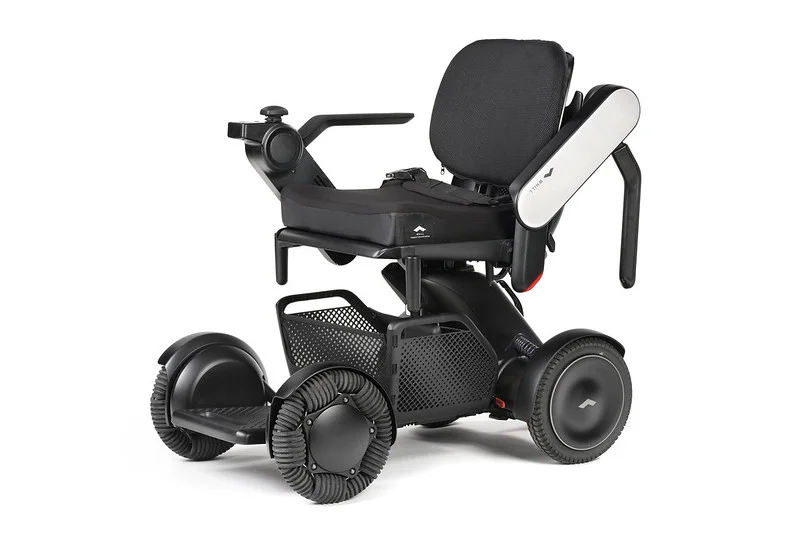
Whill C2 Powerchair

Deciding between a power chair (often known as an electric wheelchair) and a mobility scooter is one of the most important choices you’ll make when it comes to maintaining independence, comfort, and freedom of movement. Both options are excellent for different reasons, but the best fit for you depends on your lifestyle, health needs, and daily routine.

In Ireland, with its mix of bustling towns, narrow streets, countryside roads, and public transport systems, choosing the right mobility aid isn’t just about comfort – it’s also about practical day-to-day living. Whether you’re planning to navigate through Dublin City Centre, visit local shopping centres, or travel across rural areas in counties Cork, Galway, or Mayo, your decision could greatly influence your independence and peace of mind.

This article dives deep into comparing power chairs with mobility scooters, highlighting the strengths and trade-offs of each, all while keeping the Irish way of life in mind.


Key Takeaways

  • Power chairs excel indoors thanks to their tight turning radius, advanced seating comfort, and ability to fit into smaller environments like flats and shops.

  • Mobility scooters are excellent for the outdoors; they handle uneven Irish paths, cobblestones, and longer rural trips better.

  • Scooters are typically more affordable, although power chairs offer higher levels of tailor-made customisation.

  • In Ireland, public transport, space at home, and storage are important considerations when making your choice.

  • Ultimately, the right solution depends on whether you prioritise comfort and support (power chair) or outdoor independence and rugged mobility (mobility scooter).


What Is a Power Chair?

power chair is essentially an advanced, battery-powered wheelchair designed to provide maximum independence and manoeuvrability. It is especially well-suited for people with moderate to severe mobility challenges who need ongoing support to move around both indoors and within controlled outdoor environments.

Power chairs are highly versatile. Features include:

  • Tight turning radiuses, which make them ideal for narrow hallways, small apartments, or shop aisles.

  • Specialist seating systems such as posture control, tilt-in-space, and adjustable cushions for enhanced comfort.

  • Joystick or alternative controls, allowing easy use for people with limited hand function.

In Ireland, power chairs are often chosen by individuals who spend significant time indoors, such as in care homes or apartments, as well as those seeking extra comfort while travelling short distances outside.

For more tailored options, you can explore the range of power chairs available in Ireland.


What Is a Mobility Scooter?

mobility scooter is a mobility aid designed for active users who want to travel comfortably outdoors. With their scooter-like handlebars and ease of use, they are ideal for errands, leisure, and community participation.

Standard features include:

  • User-friendly tiller steering with controls similar to a bicycle.

  • Padded seating with space for short-term comfort.

  • Durable wheels suited to pavements, shopping areas, and parks.

  • Longer battery ranges, excellent for exploring towns or countryside.

Many residents across Ireland choose mobility scooters for grocery trips, community visits, or leisurely drives in the park. Given Ireland’s urban-rural mix, having a scooter that can handle both Carlow’s town centre and Galway’s winding coastal paths is an advantage.

For a detailed look, check the mobility scooters section available in Ireland.


Comparing Power Chairs and Mobility Scooters

To help you make a clear decision, here is a direct comparison.

Feature Power Chair Mobility Scooter
Best Use Indoor and short-distance outdoor use Outdoor and moderate-distance travel
Controls Joystick or specialised controls Handlebar (tiller) steering
Turning Radius Very tight, great indoors Wider, better for open spaces
Seating Options Highly customisable, posture support Limited but padded comfort
Battery Range Typically shorter Typically longer
Storage/Transport Bulkier and harder to disassemble Easier to fold/disassemble
Price Range Generally higher More budget-friendly
Maintenance Higher due to specialised parts Lower due to simple components
Insurance Coverage Often covered if medically necessary Coverage depends on plan
Irish Lifestyle Fit Suited for flats, care homes, & limited space Better for outdoor terrain, town-to-town trips
 

Comfort and Ergonomics

Comfort is critical when selecting a mobility device. If you’ll be using it for long hours, the decision can dramatically influence your posture, energy levels, and independence.

  • Power Chairs: Provide advanced seating support, lumbar cushioning, and alignment for long-term users. Excellent for those with medical conditions requiring tailored designs.

  • Mobility Scooters: Offer padded seating and armrests, better suited for trips lasting a few hours. While ideal for leisure and errands, they’re not designed for extended daily sitting.

Irish residents living in apartments, bungalows, or nursing homes often lean towards power chairs due to their clinical support. Meanwhile, those who frequently visit markets, churches, or rural neighbours often appreciate the practicality of scooters.


Portability and Storage

Ireland’s mix of small terraced homes, city apartments, and larger countryside spaces makes portability and storage a key factor.

  • Mobility scooters can be broken down into three parts for transport, fitting into car boots for family days out or holidays.

  • Power chairs are heavier and trickier to disassemble, often requiring a van or wheelchair-accessible car for transport.

For Irish families who take frequent car journeys – like day trips to the Cliffs of Moher, festivals in Kilkenny, or seaside visits to Dingle – scooters are often the easier option for travel convenience.

If you’re also considering van accessibility solutions, explore vehicle adaptations for storing and transporting mobility devices.


Battery Life and Range

In Ireland, particularly for people living in rural counties with fewer public transport links, range truly matters.

  • Mobility scooters can typically last 20–40 km per charge, providing peace of mind for longer journeys. Perfect for users in towns with more spread-out amenities.

  • Power chairs, while reliable, usually reach 15–25 km per charge, making them more suited for daily indoor and local activities rather than long-distance.

Think about your life: are you more likely to be in the heart of Dublin City where trips are shorter, or in rural Kerry where you may want the longer range of a scooter?


Cost Considerations in Ireland

Budget plays a big role in your decision.

  • Power Chairs: Higher upfront cost due to advanced technology. They may be partially funded if prescribed as a medical necessity under the HSE (Health Service Executive) system.

  • Mobility Scooters: Generally more affordable, with lower maintenance costs.

Maintenance in Ireland may cost more for power chairs due to specialist servicing, whereas replacement scooter parts (like tyres or batteries) are easier to source and cheaper.


Indoor vs Outdoor Use

  • Power Chairs: Excellent indoors – think apartments in Cork, or navigating tight public spaces like shops in Limerick.

  • Mobility Scooters: Made for outdoors – brilliant for Mayo’s rugged paths, or simply heading down to the local pub in your village.

Selecting between indoor and outdoor dominance is often the tipping point between the two.


Safety Features

In both needs, safety is paramount:

  • Power Chairs: Anti-tip wheels, secure seating, seatbelts, and stable indoor operation.

  • Mobility Scooters: Outdoor-ready with mirrors, headlights, horn, larger tyres for uneven Irish roads.

Rural Ireland, with its less predictable pavements, often requires these safety additions.


Customisation Options

Both options offer some customisation, though power chairs excel in personalisation:

  • Power Chairs: Adjustable seating, headrests, colour finishes, posture control systems, and joystick sensitivity settings.

  • Mobility Scooters: Basket attachments, cup holders, storage upgrades, and cosmetic finishes.

This is important for Irish customers who want function without losing personal style.


Frequently Asked Questions in Ireland

Can I bring mobility scooters or power chairs on Irish public transport?

Irish Rail and Dublin Bus generally allow mobility devices, but scooters may face restrictions depending on size. Always check before travelling.

Are these devices covered under HSE or insurance?

In some cases, if prescribed by medical professionals, power chairs can be partially covered. Scooters usually need to be privately funded.

What weight limits do mobility scooters allow?

Most mobility scooters in Ireland can support between 18–28 stone (114–178 kg), depending on the model.

Can I take them on holiday within Ireland?

Yes. A folding scooter can be easily stowed in a car boot for holiday trips. For power chairs, a modified van or accessible taxi may be required.


Conclusion

Deciding between a power chair and a mobility scooter ultimately comes down to your Irish lifestyle needs. For those prioritising indoor comfort, manoeuvrability, and clinical support, a power chair is the stronger choice. For users looking for outdoor range, affordability, and day-to-day practicality, a mobility scooter may be the best fit.

Whichever you choose, you are investing in greater independence and inclusion in your community – whether that’s enjoying a stroll along Galway’s Prom, attending Mass in your local parish, or shopping in Dundrum Town Centre.


Call to Action

At Irish Stairlifts & Bathrooms, we’ve helped thousands of families across Ireland regain their independence with trusted mobility solutions. Whether you’re considering a power chair or a mobility scooter, our experts can guide you to the model that perfectly suits your needs.

👉 Browse our full range of mobility scooters 👉 Explore our power chair and wheelchair solutions 👉 Or contact our friendly team today for free expert advice and a no-obligation consultation.