Fraud Blocker ...
Categories Mobility Aids

Should I Get a Manual or Electric Wheelchair?

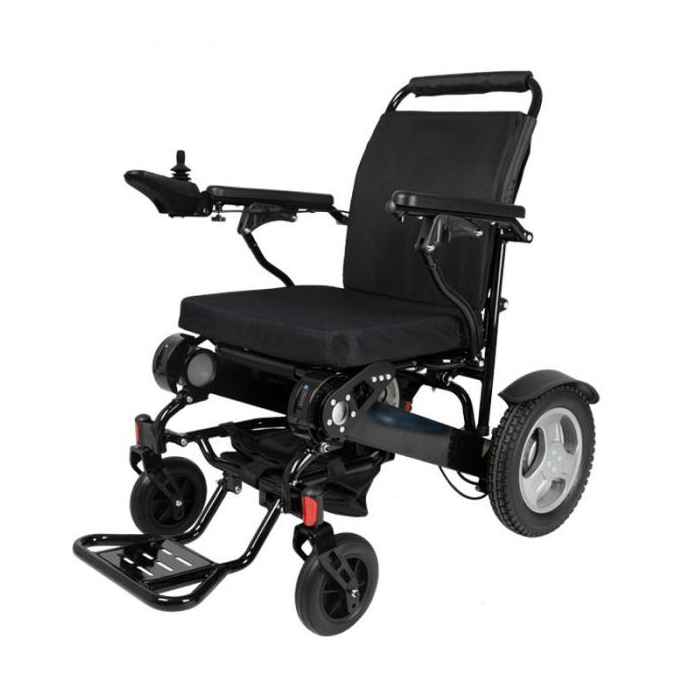
T46 Lightweight Powerchair or Electric wheelchair

Choosing the right wheelchair is a decision that can greatly influence your independence, comfort, and overall quality of life. Whether you’re considering a manual wheelchair or an electric wheelchair (also known as a power chair), the choice isn’t just about mobility—it’s about finding a tool that supports your lifestyle, meets your physical needs, and aligns with your long-term goals.

Both types of wheelchairs come with their advantages and trade-offs. Manual wheelchairs are typically lighter, more affordable, and easier to transport, while electric wheelchairs offer powerful, effortless mobility, making them ideal for longer distances or users with limited physical strength.

But how do you know which option is truly right for you?

In this guide, we’ll explore the key differences, features, and considerations to help you make an informed decision. We’ll also discuss practical topics like costs, portability, maintenance, environment suitability, and insurance coverage. By the end, you’ll have a clearer sense of whether a manual or electric wheelchair is the best fit for your lifestyle.

Key Takeaways

  • Assess your daily mobility needs and the environments you’ll be navigating to determine the right wheelchair type.

  • Consider your physical strength and stamina—manual wheelchairs require more upper body strength, while electric chairs reduce physical strain.

  • Evaluate weight and portability—lighter chairs are easier to fold and transport, while power chairs may require vehicle lifts or ramps.

  • Compare costs and maintenance requirements—manual models are cheaper upfront, while electric models may provide long-term convenience despite higher initial costs.

  • Think about battery life and charging options for electric chairs, ensuring they align with your daily routines.

  • Seek professional advice from healthcare providers or occupational therapists—it can make a world of difference in finding the right fit.

Understanding the Basics of Manual and Electric Wheelchairs

Before diving into lifestyle considerations, let’s establish the core differences between manual and electric wheelchairs.

Manual Wheelchairs

Manual wheelchairs rely on arm strength or assistance from a caregiver to move. They’re often:

  • Lightweight & Portable – Some models fold easily and fit into car boots.

  • Affordable – The lower upfront investment makes them attractive.

  • Good for Exercise – They allow users to maintain upper body activity and muscle tone.

However, they require stamina and can be physically demanding if used for extended periods or over rough terrain.

Electric Wheelchairs

Electric wheelchairs (or powered wheelchairs) use a battery-powered motor controlled with a joystick or other input system. They offer:

  • Effortless Mobility – Perfect for long distances and users with limited strength.

  • Indoor & Outdoor Comfort – Power chairs are equipped with suspension, making them easier to handle on uneven ground.

  • Advanced Features – Options like reclining seats, elevating leg rests, or tilt-in-space designs enhance comfort.

The trade-off? They are heavier, more expensive, and less portable, often requiring a vehicle lift for transport.

➡️ If mobility independence and minimal effort are top priorities, an electric wheelchair stands out as the superior option. But if you value portability, affordability, and exercise benefits, a manual wheelchair may be the right fit.

Assessing Your Mobility Needs

Your personal mobility requirements should be the foundation of your decision. Start by asking yourself:

  • How often will I use the wheelchair?

    • Daily, occasional, or just for outings?

  • Where will I use it most often?

    • Indoors, outdoors, or both?

  • Do I have the stamina to propel a manual chair?

    • Consider your upper body strength, endurance, and long-term health.

If your disability or condition affects your strength, endurance, or energy levels, an electric wheelchair might offer greater independence. For example:

  • Individuals with multiple sclerosis (MS) or muscular dystrophy often benefit more from electric models.

  • Someone with temporary injuries (e.g., post-surgery rehabilitation) might only need a manual chair short-term.

Remember: your wheelchair isn’t just a mobility aid—it’s a way of ensuring you can continue to do the things you enjoy without unnecessary limitations.

Evaluating Lifestyle and Environment

Your environment directly impacts the type of wheelchair that will best suit your daily life.

Indoor Use

If you mostly move through tight indoor spaces, a lightweight manual wheelchair that maneuvers around furniture smoothly may be ideal. Indoor-friendly power chairs also exist, but their turning radius might be larger.

Outdoor Adventures

If you plan to traverse parks, gardens, or city streets, an electric wheelchair is often more practical. Their powerful motors and sturdy wheels are designed to handle uneven surfaces.

Workplace and Social Settings

Consider:

  • Narrow workplace corridors → Manual wheelchair for agility.

  • Long-distance commuting or school campuses → Electric wheelchair for endurance.

  • Social outings to malls or restaurants → Foldable manual chairs offer greater transport convenience.

➡️ Example: If you live in Dublin city and rely on buses or taxis, a foldable wheelchair offers flexibility for public transport. But if you live in rural Ireland with longer travel distances, an electric wheelchair with strong battery life may be more beneficial.

Considering Weight and Portability

One of the most practical concerns is how portable and manageable your wheelchair is.

Manual Wheelchairs

  • Weight: Approx. 30–40 lbs (lightweight models even 20 lbs).

  • Transport: Easily folded and lifted into a car.

  • Ideal For: People who frequently travel by car, or need a backup chair.

Electric Wheelchairs

  • Weight: Anywhere from 50–300 lbs.

  • Transport: May require a ramp, adapted vehicle, or wheelchair lift.

  • Ideal For: Those who remain in the chair for most of the day.

Quick Comparison:

Type Weight Range Portability Best Use Case
Manual Wheelchair 20–40 lbs Foldable, easy to lift Short trips, strong users
Electric Wheelchair 50–300 lbs May need lift or ramp Long-term independence
Ultra-Light Models 15–25 lbs Extremely portable Frequent travel
 

For frequent flyers or car users, manual or ultra-light wheelchairs can drastically reduce stress. For individuals living a largely home-based lifestyle, electric models are manageable even if heavy, since transport may not be as frequent.

Analyzing Cost and Maintenance

Cost can be a deciding factor in choosing between manual and electric wheelchairs.

Manual Wheelchairs

  • Upfront Cost: Generally €300–€800 for standard models.

  • Maintenance: Occasional repairs like wheel replacements or upholstery fixes.

  • Lifespan: 3–5 years depending on use.

Electric Wheelchairs

  • Upfront Cost: Can range from €1,500 to €10,000 depending on features.

  • Maintenance: Battery replacements every 1–2 years, servicing motors, and electronics.

  • Lifespan: Around 5–10 years with proper care.

For cost-effective solutions, you may also want to check mobility scooter options which provide similar independence without the high price tag of advanced electric chairs.


Exploring Battery Life and Charging Options

If you lean toward an electric wheelchair, battery life becomes a critical factor.

  • Average Range: 15–20 miles per single charge.

  • Charging Time: 4–8 hours depending on the model.

  • Spare Batteries: Always useful for active lifestyles.

Power outages or long trips may affect you differently if you depend on a chair’s charge. For peace of mind:

  • Invest in a portable wheelchair charger.

  • Check if your model supports quick charging options.

Seeking Professional Advice and Recommendations

A wheelchair is not one-size-fits-all. Consulting professionals provides insights tailored to your unique needs.

  • Occupational Therapists – Can evaluate your daily routine and recommend the best model.

  • Physiotherapists – Assess physical strength and match you with the right wheelchair style.

  • Mobility Specialists – Offer demo sessions where you can trial different models before committing.

Professionals can also advise if you may benefit from stairlifts or through-floor lifts to complement home independence alongside your wheelchair.

Frequently Asked Questions

1. Can I Customize My Wheelchair for Better Comfort and Support?

Yes! Options include gel cushions, adjustable armrests, ergonomic backrests, and footrest extensions. Customizations prevent pressure sores and improve posture.

2. What Insurance Covers Wheelchair Costs?

In Ireland, the HSE (Health Service Executive) provides wheelchairs based on medical need. Private insurance plans, Medicare, and Medicaid in other regions may also offer coverage.

3. How Do I Transport a Wheelchair in My Vehicle?

Manual models fold for trunk storage. Heavier electric chairs require vehicle adaptations, such as lifts or ramps.

4. Are There Specific Warranties for Manual and Electric Wheelchairs?

Yes. Most manual chairs include 1–3 years manufacturer warranty, while electric models may offer 2–5 years for motors and structural parts.

5. How Do I Choose the Right Size Wheelchair for My Body?

Seat measurements must fit your hips, thighs, and height. A poorly sized wheelchair leads to poor posture, discomfort, and injury risks—making professional fitting essential.

Conclusion

The decision between a manual and electric wheelchair ultimately depends on your physical abilities, lifestyle, and personal preferences.

  • Choose a Manual Wheelchair if you value affordability, portability, and light exercise.

  • Choose an Electric Wheelchair if independence, comfort, and long-distance mobility are your top priorities.

Studies suggest nearly 80% of long-term wheelchair users prefer electric models for convenience and reduced fatigue. Still, the right choice varies by individual.

At the end of the day, the best wheelchair is one that:

  • Fits your lifestyle seamlessly.

  • Enables you to engage fully in daily life.

  • Reduces strain while enhancing independence.

👉 Ready to explore your options? At Irish Stairlifts & Bathrooms, we’re dedicated to helping you find the perfect mobility solution—whether it’s a wheelchair, a mobility scooter, or supportive home adaptations like stairlifts.

Contact us today to request expert advice, schedule a consultation, or get a personalised quote. Your independence is worth the best possible support!

Categories Mobility Aids

Who Is Eligible for a Free Wheelchair in Ireland?

Ergo 115 Self Propel Wheelchair

Accessing a free wheelchair in Ireland is possible through various public and private avenues, providing essential mobility support for people with disabilities or mobility challenges. This guide explains eligibility criteria, how to apply, and important considerations to help individuals navigate the process confidently and effectively. Whether you are seeking support through the Health Service Executive (HSE), medical insurance, non-profits, or veteran services, understanding your options is the first step to regaining independence and quality of life.

Key Takeaways

  • Eligibility for a free wheelchair often depends on medical necessity, income levels, and specific health conditions.

  • The HSE primarily provides free wheelchairs in Ireland through medical card schemes or long-term illness programs.

  • Private insurance, non-profit organizations, and veteran affairs also offer alternative resources for wheelchair access.

  • Understanding wheelchair types and requirements can help you choose the best mobility aid for your lifestyle.

  • Local community programs and support groups provide valuable assistance throughout the application process.


Understanding Wheelchair Types and Their Uses

Selecting the right wheelchair is essential for comfort, independence, and daily mobility. Wheelchairs come in several types, each tailored to different needs:

  • Manual Wheelchairs: Propelled by the user or a caregiver, manual wheelchairs foster independence and can be lightweight or heavy-duty depending on the user’s strength and environment.

  • Powered Wheelchairs (Electric): Designed for individuals with limited arm strength or endurance, powered wheelchairs provide motorized mobility, allowing effortless movement and often enhanced features like reclining or adjustable seats.

  • Transport Wheelchairs: Lightweight and foldable, transport wheelchairs are ideal for short trips with assistance, such as hospital visits or outings.

  • Reclining and Tilt-in-Space Wheelchairs: Designed for users who need to adjust their seating position frequently for comfort or medical reasons.

Recognizing your personal mobility requirements and lifestyle is key to choosing a wheelchair that enhances your independence and quality of life. For more detailed information on wheelchair options and how to choose the right one, visit our wheelchair types and guide page.


HSE Coverage and Eligibility for Free Wheelchairs in Ireland

The Health Service Executive (HSE) is the main public body responsible for providing free wheelchairs in Ireland. Here’s what you need to know:

Who Qualifies?

  • Individuals holding a medical card or part of the Long-Term Illness Scheme are eligible for free wheelchairs.

  • Those undergoing hospital treatment that requires wheelchair use, regardless of medical card status.

  • People with mobility impairments severely affecting their ability to perform daily tasks, confirmed by professional assessments from a General Practitioner (GP) or Occupational Therapist (OT).

  • Eligible applicants must live at home or in community settings, rather than full-time residential care.

The Application Process

  1. Referral: Your GP or OT will assess your mobility needs and refer you to your local HSE office.

  2. Assessment: A mobility assessment by an OT or physiotherapist determines the most appropriate wheelchair type to match your needs and lifestyle.

  3. Approval and Provision: After approval, the HSE provides the wheelchair, which may be new or refurbished, based on availability.

Waiting Times and Interim Solutions

Approval waiting times can vary; some areas experience delays of several weeks or months. While waiting, temporary or lightweight wheelchairs are available for short-term mobility needs. Learn more about the HSE wheelchair service and application details on the official HSE aids and appliances page.


Private Insurance Assistance for Wheelchair Coverage

If you do not qualify for HSE provisions, private health insurance could assist with wheelchair costs. Key points to consider include:

  • Review if your policy covers durable medical equipment (DME).

  • Many insurers require pre-authorization before coverage.

  • Understand potential co-pays, deductibles, or out-of-pocket expenses.

  • Use insurance-preferred suppliers for streamlined service.


Support from Non-Profit Organizations Providing Free Wheelchairs

Non-profits are crucial in filling gaps where public or private support may not reach. Notable organizations include the Irish Wheelchair Association (IWA), which offers mobility solutions and community programs tailored to individuals with disabilities.

What Non-Profits Offer:

  • Free or subsidized wheelchairs and mobility aids.

  • Personalized applications assisting people based on unique needs.

  • Advocacy to improve quality of life and social inclusion.

Application Steps for Non-Profit Wheelchairs

  • Research local non-profits to find eligible programs.

  • Complete application forms with medical documentation.

  • Stay in communication throughout the approval process.

Learn about the services of the Irish Wheelchair Association and how to connect with them here.


Veteran Affairs Benefits for Wheelchair Access

Veterans with service-connected disabilities may access wheelchair assistance through the Department of Veterans Affairs in Ireland. Benefits include:

  • Eligibility for those with service-related or medically necessitated impairments.

  • Comprehensive assessments by healthcare professionals.

  • Provision and delivery of wheelchairs matched to veterans’ specific needs.


Community Resources and Local Support Programs

Many local community health centres, charities, and rehabilitation services in Ireland provide additional wheelchair assistance, fundraising events, and peer support groups. These resources can offer:

  • Practical advice on application processes.

  • Temporary mobility solutions.

  • Emotional and social support networks.

Discover community programs near you through the Irish Wheelchair Association and local health offices.


Detailed Steps to Apply for a Free Wheelchair in Ireland

To make your journey smoother, follow these steps:

  1. Gather Documentation: Obtain prescriptions or referrals from your GP or OT, medical records, and proof of income or medical card status.

  2. Identify Providers: Contact your local HSE office, Irish Wheelchair Association, or other charities for application guidelines.

  3. Complete Applications: Submit accurate and thorough application forms.

  4. Follow Up: Regularly check with the organization to track your application status and provide additional information if needed.


Frequently Asked Questions

Can children receive free wheelchairs?

Yes, children with mobility impairments can qualify through HSE schemes or specialized non-profits. Tailored pediatric wheelchairs are available to meet growing and developmental needs.

Are there age restrictions?

No strict age limits exist; eligibility focuses on medical need and functional mobility.

What documentation is required?

Typically, a medical prescription, proof of financial status (medical card), and identification are necessary.

How long does the process take?

Waiting times vary but generally range from a few weeks to several months due to assessments and availability.

Are there income limits?

Access through the HSE primarily requires holding a medical card or qualifying under long-term illness criteria, which involve income assessments.


Conclusion

Securing a free wheelchair in Ireland is achievable through a variety of public and private channels, including the HSE, private insurance, charitable organizations, and veteran services. Understanding your eligibility, preparing the necessary documentation, and connecting with the right support services can make a profound difference in regaining mobility and independence. Don’t hesitate to seek assistance—there is a community ready to support you on every step of your journey.


Take Action Now!

If mobility challenges are impacting your life, start your application process today. Contact your GP or Occupational Therapist for a referral, explore the Irish Wheelchair Association’s resources, or learn more about the HSE wheelchair service to take control of your mobility future. Remember, you deserve to move freely and live fully—don’t wait, reach out now for assistance or free quotation.

Categories Mobility Aids

Can Electric Wheelchairs Get Wet? Safety Tips

Electric wheelchair

Electric wheelchairs are designed with some weather resistance, but prolonged exposure to rain or moisture can damage sensitive electrical components. While most modern powerchairs can handle light rain briefly, they aren’t fully waterproof and require proper protection to ensure longevity and safe operation.

Understanding Water Resistance in Electric Wheelchairs

Modern electric wheelchairs typically have an IP rating (Ingress Protection) that indicates their level of water resistance. Most powerchairs have basic splash protection, meaning they can withstand light moisture but shouldn’t be submerged or exposed to heavy rain. The electrical components—including the battery, motor, controller, and wiring—are vulnerable to water damage that can cause malfunctions, corrosion, or complete system failure.

How to Protect Your Electric Wheelchair from Rain

Invest in Quality Waterproof Covers

Purchase wheelchair-specific rain covers or canopies that protect both you and your mobility device. Look for covers with sealed seams and materials that fully enclose the control panel, battery compartment, and motor housing.

Plan Around Weather Conditions

Check weather forecasts before heading out and avoid traveling during heavy rain or storms. If you must go out in wet conditions, plan your route to include covered areas and indoor spaces where you can take shelter.

Apply Protective Coatings

Use electronic-grade waterproofing sprays on exposed connections and terminals. Silicone-based products can help repel water from vulnerable areas, but ensure any product you use is safe for electronic components.

Perform Regular Maintenance Checks

Inspect your powerchair monthly for signs of moisture damage, including corrosion on battery terminals, rust on metal components, or water in the battery compartment. Clean and dry any damp areas immediately and address issues before they escalate.

Store Your Wheelchair Properly

Keep your electric wheelchair in a dry, climate-controlled space when not in use. Avoid storage in damp garages or outdoor sheds where condensation can accumulate overnight.

What to Do If Your Wheelchair Gets Wet

If your electric wheelchair is exposed to rain, dry it thoroughly as soon as possible. Wipe down all surfaces, pay special attention to the control panel and battery area, and allow it to air dry completely before use. If water has entered electrical components, have your wheelchair inspected by a qualified technician before operating it again.

Ready to Explore Mobility Solutions?

At Irish Stairlifts, we understand the importance of reliable, weather-appropriate mobility equipment. Visit our showroom in Clane, Co. Kildare, to view our range of folding wheelchairs, manual wheelchairs, mobility scooters, and electric wheelchairs, and speak with our mobility experts about the right solutions and protective accessories for your needs. Schedule your appointment today to find the perfect powerchair solution for Irish weather conditions.

Categories Mobility Aids

Are Rollators Allowed on Planes? Travel Guide

Zoom plus lightweight rollator

4 Wheel Lightweight Rollator

Traveling by air with a rollator is fully permitted by airlines, and understanding current regulations ensures a smooth journey. Most carriers welcome mobility aids on board, though specific policies vary by airline and aircraft type.

Understanding Airline Rollator Policies

Airlines must accommodate passengers traveling with rollators under disability access regulations. Your rollator can typically travel as a carry-on item, checked baggage, or gate-checked equipment at no additional charge. Contact your airline at least 48 hours before departure to notify them of your mobility aid—this allows ground staff to prepare appropriate assistance and ensure adequate storage space.

Size limitations vary by carrier and aircraft. Standard rollators that fold to approximately 22″ x 14″ x 9″ usually qualify as carry-on items. Larger models may require gate-checking, where staff store your rollator in the cargo hold and return it immediately upon landing.

Preparing Your Rollator for Air Travel

Documentation and Labeling: Attach durable tags displaying your name, phone number, and destination address to your rollator. Photograph your device before travel to document its condition. Remove or secure loose accessories like baskets, pouches, or trays that could detach during handling.

Battery Considerations: If your rollator includes electronic features, verify battery type with your airline. Most standard alkaline batteries pose no restrictions, but lithium batteries may require special handling or removal.

Folding Practice: Master folding and unfolding your rollator quickly. Airport security and boarding procedures move efficiently when you can collapse your device smoothly. Time yourself folding your rollator in under 30 seconds for optimal travel readiness.

Airport and In-Flight Procedures

Arrive at least 2-3 hours before international flights and 90 minutes before domestic departures. Request wheelchair assistance during booking if needed—this service helps you navigate security checkpoints while staff transport your rollator separately.

At security screening, you’ll walk through the metal detector while your rollator passes through X-ray scanning. TSA PreCheck membership expedites this process. Request a private screening if you need to demonstrate your rollator’s functionality.

During boarding, flight attendants will assist storing your rollator in the cabin closet, overhead bin, or arrange gate-checking. Keep essential items like medications in a separate bag rather than your rollator’s storage compartments.

International Travel Considerations

European Union regulations under EC 1107/2006 guarantee free mobility aid transport on all EU flights. Similar protections exist in the UK, Australia, and Canada. Research destination country requirements, as some nations mandate advance notification or specific documentation.

Connecting flights require coordination between airlines. Confirm your rollator transfers with you, especially when switching carriers. Allow minimum 90-minute connections for domestic transfers and 2+ hours internationally.

Travel Insurance and Damage Protection

Standard travel insurance often excludes mobility equipment. Purchase specialized mobility aid coverage or verify your homeowner’s policy extends protection during travel. Document any damage immediately with airport staff and file claims before leaving the airport.

Airlines accept liability for damaged mobility aids under the Air Carrier Access Act (ACAA) in the United States and equivalent international regulations. Request loaner equipment if your rollator sustains damage requiring repair.

Post-Pandemic Updates

Recent aviation changes have improved disability accommodation. Airlines now offer enhanced pre-boarding for passengers requiring extra time, and many airports have designated mobility aid assembly areas near gates. Digital check-in systems allow you to flag mobility equipment during online booking, ensuring staff prepare appropriate assistance.


Ready to Travel with Confidence?

At Irish Stairlifts, we offer a comprehensive range of lightweight, travel-friendly rollators designed for active lifestyles. Our mobility experts help you select equipment that meets airline requirements while providing the support you need. We serve customers throughout Dublin, Kildare, Leinster, and all of Ireland with professional guidance and quality products.

Explore our complete selection of travel-ready rollators.

Contact us today for personalized recommendations on choosing the perfect rollator for your travel needs.

3 Wheel Folding Rollator

Categories Accessible Bathrooms, Mobility Aids, Outdoor & Independence Solutions, Stairlifts & Home Lifts

4 Essential Mobility Aids to Enhance Independence at Home

Illusion Mobility Scooter Lightweight Mobility Scooters Dublin

Maintaining independence and mobility at home becomes easier with the right equipment and support. Modern mobility solutions help you navigate daily activities safely while preserving your autonomy. Here are four essential mobility aids that can transform your living experience.

Mobility Scooters for Outdoor Freedom

Getting out and staying connected with your community is vital for mental and physical wellbeing. Mobility scooters provide the independence you need to maintain an active social life and handle everyday errands without assistance.

Modern scooters come in various configurations, including compact folding models. These portable options fit easily in car boots or on public transport, giving you the freedom to travel beyond your immediate neighborhood. Whether you’re shopping, visiting friends, or simply enjoying time outdoors, a mobility scooter keeps you engaged with the world around you.

Stairlifts and Home Lifts

Stairs shouldn’t limit which parts of your home you can access. Stairlifts, including second hand straight stairlifts and second hand curved stairlifts, along with through-floor lifts, remove this barrier and allow you to use every level of your home safely and comfortably.

These solutions are ideal if you want to age in place rather than relocate to single-level accommodation or residential care. Staying in your familiar surroundings reduces stress and helps maintain your daily routines, independence, and connections with neighbors.

Wheelchair Ramps for Easy Access

Your independence extends beyond your front door. Installing wheelchair ramps removes the challenge of navigating exterior steps, making it simple to come and go as you please.

Ramps accommodate wheelchairs, compact mobility scooters, and walking frames, ensuring smooth transitions between indoor and outdoor spaces. This practical addition supports your autonomy and reduces the risk of falls on uneven steps.

Accessible Bathroom Solutions

Bathrooms present unique safety challenges due to wet, slippery surfaces. Accessible toilet aids transforms this high-risk area into a safer, more manageable space.

Key features include:

These modifications help you maintain personal hygiene independently while significantly reducing injury risk.

Professional Mobility Solutions in Ireland

ISB Mobility has supported Irish families with quality mobility equipment since 1999. We combine decades of expertise with a commitment to affordable, practical solutions that enhance daily living.

Our team takes time to understand your specific needs and home layout, recommending equipment that genuinely improves your quality of life. We handle everything from initial consultation through installation and ongoing support.

Ready to enhance your independence? Contact ISB Mobility at 01 616 70 79 or 045 892696, email showroom@irishstairlifts.ie, or visit irishstairlifts.ie to discuss which mobility solutions would work best for your home. Let us help you maintain the independent lifestyle you deserve.

1 2 3 5