Fraud Blocker ...
Categories Mobility Aids

What Are Bariatric Wheelchairs in Ireland?

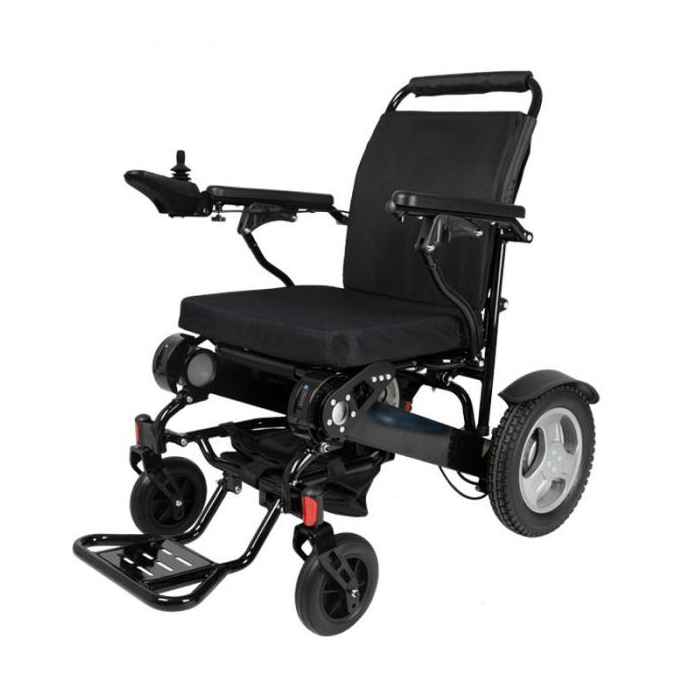
The T46 Lightweight Powerchair or electric wheelchair

For many individuals with mobility challenges, having the right equipment makes all the difference in maintaining independence, comfort, and dignity. Bariatric wheelchairs in Ireland are specifically engineered for individuals with larger body types. Unlike standard models, which may not provide the same level of support, bariatric wheelchairs are built with enhanced weight capacities, reinforced frames, and wider seating options. These features ensure greater safety, comfort, and mobility, empowering users to lead more independent and fulfilling lives.

Whether you require a wheelchair for day-to-day use, rehabilitation, or improved access to public spaces, bariatric wheelchairs are vital tools for ensuring inclusivity and accessibility. In this article, we’ll explore their features, benefits, maintenance needs, and how they compare to standard wheelchairs, along with practical tips for choosing the right model in Ireland.


Key Takeaways

  • Bariatric wheelchairs in Ireland support individuals with higher weight requirements, offering enhanced comfort, safety, and durability.

  • These models include reinforced frameswider seating, and high-quality materials designed to withstand daily use.

  • Many customization options—such as seat width, armrests, and cushioning—allow users to tailor the wheelchair to their specific comfort needs.

  • Support services, including the Irish Wheelchair Association, provide assessments, advice on funding, and community-based assistance.

  • Bariatric wheelchairs help increase independence, social inclusion, and quality of life for users across Ireland.


Understanding Bariatric Wheelchairs

While the term bariatric often relates to medical treatments for obesity, when it refers to mobility aids, it signifies wheelchairs designed for higher weight capacities. For someone requiring additional mobility support, a standard wheelchair may feel restrictive, uncomfortable, or even unsafe. Bariatric wheelchairs solve this by being larger, sturdier, and more adaptable.

These chairs allow for safe transport, everyday living, and public mobility, ensuring users feel confident whether at home, in the community, or commuting to work. For example, if you regularly use public transport in Dublin, a bariatric wheelchair designed with extra width and stability may help you navigate buses and trains comfortably.

Most importantly, bariatric wheelchairs are about providing freedom, not limitation. They help restore independence and confidence for those struggling with mobility, creating more inclusive communities across Ireland.


Key Features of Bariatric Wheelchairs

The design differences between bariatric and standard wheelchairs may appear subtle, but they serve vital roles. Let’s explore the essential features that make bariatric wheelchairs unique.

1. Weight Capacity

One of the core distinctions is weight capacity. Where standard wheelchairs typically support weights of up to 250–300 lbs (110–136 kg), bariatric chairs can handle from 300 lbs to 1,000 lbs (136–450 kg), depending on the model.

Factors to consider include:

  • User Weight – Always select a model with extra capacity beyond your actual weight for long-term durability.

  • Daily Usage – If you plan to use it multiple hours daily, opt for one with a high buffer capacity.

  • Equipment Add-ons – Weight of cushions, accessories, and medical devices should also be considered.

2. Enhanced Stability

Stability is crucial in ensuring both safety and confidence. Bariatric wheelchairs often incorporate:

  • Reinforced wheelbases for better balance.

  • Anti-tip bars to prevent falls on inclines.

  • lower centre of gravity to reduce tipping risks.

This is invaluable for users navigating uneven surfaces—whether it’s the cobblestones of Galway City or rural Irish roads.

3. Comfort Customization

Comfort isn’t just about wider seats. Many bariatric wheelchairs offer full customization options, enabling users to set up chairs to their lifestyle needs. Options include:

  • Adjustable seat width and depth (essential for circulation and posture).

  • Elevating footrests for medical conditions such as swelling.

  • Different upholstery materials, from breathable fabrics to easy-clean vinyl.

  • Streamlined accessories like oxygen tank holders or storage pockets.

Much like choosing a mattress suited to your body, picking the right customization ensures you stay supported throughout the day.


Importance of Weight Capacity

Choosing a bariatric wheelchair with the correct weight capacity is not simply about avoiding breakage—it’s about guaranteeing safety and independence. A chair that is not rated correctly could compromise stability, increase wear-and-tear, and potentially lead to injury.

For instance, attempting to use a chair below your weight class can damage wheels, weaken the frame, or stress joints. On the flip side, selecting a model slightly above your actual weight ensures comfort, long lifespan, and added safety.


Frame Construction and Durability

When it comes to construction, durability is non-negotiable. Bariatric users often require equipment that withstands all-day use across different terrains. Many bariatric wheelchairs are built using:

  • Steel or aluminium alloy frames for maximum strength.

  • Powder-coated finishes for corrosion resistance—crucial in Ireland’s damp climate.

  • Double reinforced welds for joints, reducing structural risks.

  • Balanced weight distribution systems, making prolonged sitting more comfortable.

If you live in coastal areas like Cork or Donegal, corrosion resistance is especially vital to prevent rust from sea air.


Seat Width and Comfort Considerations

Finding the right seat width and cushioning system is central to comfort. Too narrow, and it restricts posture; too wide, and you may slide or strain during movement.

  • Optimal Seat Width: Measure your hip-to-hip span and add 1–2 inches.

  • Padding & Upholstery: Choose high-density foam cushions with breathable covers, helping prevent sores during extended sitting.

  • Adjustability: Some bariatric wheelchairs allow customization of seat depth, tilt, and backrest height, enhancing spinal alignment.

Comfort equals independence—if your wheelchair fits correctly, you can remain active longer and avoid unnecessary strain.


Mobility Options for Bariatric Users

Wheelchairs are versatile, but they’re not the only mobility aid available in Ireland for bariatric users. Depending on your preferences and lifestyle, you might benefit from complementary solutions, such as:

  • Mobility Scooters (see: Mobility Scooters Ireland) – Perfect for outdoor travel or covering long distances without fatigue.

  • Heavy-Duty Rollators & Walkers – Encourage physical activity while still offering sturdy support.

  • Transfer Aids & Hoists (see: Patient Hoists) – Help with safe movement between bed, chair, or vehicle.

Exploring multiple solutions ensures you can cover both short household movement and long-distance travel.


Safety Features of Bariatric Wheelchairs

Safety is at the core of bariatric wheelchair design. Look for these essential features:

  1. Robust Braking Systems – Easy-to-operate brakes for slopes or quick stops.

  2. Anti-tip Bars – Stabilises against backward falls.

  3. Extra-wide Armrests – Support when transferring in and out of the chair.

  4. Puncture-proof tyres – Minimize maintenance and reduce the risk of being stranded outdoors.

These make travel safer, whether you’re at a shopping centre in Limerick or visiting family in rural towns.


Maintenance Tips for Bariatric Wheelchairs

Maintaining your wheelchair extends its lifespan and safety. Recommended care includes:

  • Daily Wipe Down: After outdoor use, clean frame and coverings.

  • Weekly Checks: Look for bolts loosening from movement vibrations.

  • Monthly Inspection: Tyres, brakes, bearings, and cushions should all be tested.

  • Professional Servicing: At least once annually by a specialist—similar to a car service.

For accessories and parts, you may refer to suppliers of wheelchair accessories (see: Wheelchair Accessories in Ireland).


Role of Bariatric Wheelchairs in Rehabilitation

Bariatric wheelchairs aren’t just transport tools—they’re vital in medical rehabilitation. Patients recovering from surgery, illness, or long periods of immobility often need a chair that:

  • Encourages movement during therapy.

  • Provides safe transfer options for physiotherapy.

  • Helps maintain dignity during recovery when independence is valued.

For hospital discharges, having a custom-fitted bariatric wheelchair helps patients reintegrate into their homes safely, facilitating quicker physical and emotional recovery.


Accessibility and Transport in Ireland

Ireland continues to improve infrastructure for accessibility. For bariatric users, paying attention to public transport and building access is crucial.

  • Public Transport: Many Dublin Bus and Irish Rail services include ramp access and priority wheelchair zones. However, bariatric chairs may need pre-check to guarantee sizing compatibility.

  • Wheelchair Infrastructure: Modern public building codes require doorways, ramps, and accessible restrooms that accommodate larger frames.

  • Compliance Regulations: Under Irish and EU law, ensuring inclusive travel systems is mandatory—though barriers still exist, particularly in rural areas.

When selecting a bariatric wheelchair, consider portability as well, especially if taxis or private vehicles are part of daily routines.


Standard vs. Bariatric Wheelchairs: A Comparison

Feature Standard Wheelchair Bariatric Wheelchair
Weight Capacity 250–300 lbs 300–1,000+ lbs
Frame Strength Lightweight Reinforced heavy-duty
Seat Widths 16–20 inches 22–30+ inches
Durability For occasional use Designed for continuous, daily use
Customization Limited High (armrests, cushions, widths, etc.)
 

Clearly, a bariatric wheelchair provides much greater support, stability, and adaptability for larger body types.


Real-Life Impact: Personal Stories

The benefits of bariatric wheelchairs aren’t just technical—they are life-changing. Many Irish users have reported:

  • Improved social inclusion – Being able to attend family gatherings without discomfort.

  • Boosted independence – No longer relying on constant caregiver support.

  • Renewed self-confidence – Feeling secure when traveling or participating in activities.

For instance, one Mayo resident shared that her bariatric wheelchair allowed her to rejoin weekly card games after years of absence, “bringing back a bit of my old life.”


Resources for Bariatric Wheelchair Users in Ireland

If you’re considering a bariatric wheelchair, here are some resources and support systems:

  • Irish Wheelchair Association (IWA): Provides assessments, advice, and funding guidance.

  • Local Medical Suppliers: Offer tailored product demonstrations and fittings.

  • Government Funding & Grants: Check HSE for mobility equipment schemes.

  • Community Support Groups: Sharing experiences with others fosters encouragement and helpful tips.


Frequently Asked Questions

Q: What is the average cost of bariatric wheelchairs in Ireland?

Costs range from €500 – €2,500, depending on customization, durability, and brand choice.

Q: Are rental options available?

Yes, some medical suppliers in Ireland offer rental programmes for short-term rehabilitation use.

Q: Do health insurance providers cover bariatric chairs?

Some private insurance companies may cover part of the cost; always confirm with your provider.

Q: Can I receive government assistance?

Yes, the HSE and certain disability programs offer grants for essential mobility aids.


Conclusion: Restoring Independence with Bariatric Wheelchairs

Bariatric wheelchairs represent more than just mobility aids—they are empowerment tools. They provide independence, comfort, and safety for individuals across Ireland, ensuring you can continue engaging in life, work, and community without unnecessary limitations.

From wider seats and reinforced frames to custom cushions and advanced safety features, these wheelchairs are thoughtfully crafted to meet every unique need. Whether you’re navigating the streets of Dublin, boarding public transport in Galway, or simply enjoying time at home, choosing the right bariatric wheelchair helps you live life with confidence.

👉 If you or a loved one are considering a bariatric wheelchair in Ireland, now is the perfect time to explore your options. Contact Irish Stairlifts & Bathrooms today for expert guidance, product recommendations, and customized solutions that restore your freedom and independence.

Categories Mobility Aids

What Is the Best Type of Wheelchair for the Elderly?

Foldchair D09 Lightweight Folding Electric Wheelchair

Choosing the best wheelchair for an elderly loved one can feel overwhelming. With so many types, models, and features available, it’s natural to wonder which option will truly improve comfort, safety, and independence. The truth is, there isn’t a single “best” wheelchair for all elderly people — the right choice depends on individual needs, lifestyle, and circumstances.

Manual wheelchairs are affordable and encourage physical activity, while power wheelchairs provide effortless mobility at the touch of a button. Lightweight options are ideal for social, on-the-go individuals, while specialized chairs like reclining or standing wheelchairs can address specific medical needs.

When making your decision, consider factors such as safety, comfort, durability, lifestyle, and budget. A well-suited wheelchair can significantly improve independence and quality of life, helping elderly individuals stay engaged with their families, friends, and communities.

In this comprehensive guide, we’ll explore the different types of wheelchairs for the elderly, highlight their key benefits and limitations, and provide practical tips to help you make an informed choice. By the end, you’ll have a clearer picture of which wheelchair best fits your loved one’s unique circumstances.


Key Takeaways

  • Manual wheelchairs are affordable, simple to maintain, and promote physical engagement.

  • Power wheelchairs are ideal for seniors who can’t self-propel, offering comfort and independence with motorized controls.

  • Lightweight wheelchairs are travel-friendly and well-suited for active seniors.

  • Heavy-duty wheelchairs ensure safety and comfort for individuals who need greater stability or higher weight support.

  • Specialized chairs like reclining or standing models meet specific medical and ergonomic needs.

  • Consider budget, insurance coverage, and financing options alongside health and mobility requirements.

  • Safety features, ergonomic design, and accessories greatly improve user experience.


Understanding Wheelchair Types

Wheelchairs are not “one-size-fits-all.” Each type caters to different needs, lifestyles, and health requirements. Understanding the main categories is a crucial first step.

  • Manual wheelchairs: Self-propelled or caregiver-pushed, these are cost-effective and ideal for relatively active users.

  • Power wheelchairs: Battery-powered, offering convenience for those who lack upper body strength.

  • Transport wheelchairs: Lightweight and compact, designed for short trips with caregiver support.

  • Heavy-duty models: Built for durability, stability, and greater weight capacity.

  • Specialized chairs (standing, reclining, sports, or customizable): Tailored to enhance mobility, posture, and quality of life.

By matching the type of wheelchair to the senior’s physical ability, home environment, and lifestyle goals, you can maximize mobility while ensuring safety and comfort.

👉 For example, a senior who lives in a small home with narrow hallways might prefer a lightweight or transport wheelchair, while someone with limited upper body strength and independence may benefit most from a power wheelchair.


Manual Wheelchairs: Affordable Mobility and Independence

Manual wheelchairs remain one of the most popular options for elderly individuals, offering a balance of affordability, independence, and exercise.

Key Advantages

  1. Budget-Friendly: Often the most affordable option, making them accessible to many families.

  2. Simplicity: Low-maintenance with fewer mechanical parts.

  3. Physical Engagement: Encourages elderly individuals to use their arms for movement, which helps maintain muscle strength and cardiovascular activity.

  4. Versatility: Can be pushed by caregivers or self-propelled, adapting to the user’s ability.

Things to Consider

Not every senior may have the upper body strength or stamina required for manual propulsion. For those with arthritis, cardiovascular conditions, or reduced arm strength, a different option may be more suitable.

Best suited for: Seniors who still enjoy an active lifestyle, can manage moderate physical activity, and want a low-maintenance, cost-effective solution.


Power Wheelchairs: Effortless Mobility for Maximum Independence

Power wheelchairs — commonly known as electric wheelchairs — are transformative for seniors who cannot self-propel.

Benefits of Power Chairs

  • Effortless Movement: Controlled by a joystick or touchpad, requiring very little physical effort.

  • Independence: Allows elderly individuals with limited strength to move freely inside and outside the home.

  • Customizable Comfort: Features like reclining seats, adjustable armrests, suspension, and head support.

  • Longer Travel Capability: Batteries provide hours of mobility without frequent charging stops.

Considerations

  • Cost: Generally more expensive than manual options.

  • Accessibility: May require home modifications such as widened doorways, ramps, or stairlifts (explore wheelchair ramps options).

  • Weight: Heavier models may be harder to transport.

Best suited for: Seniors with severe mobility limitations who value independence and need minimal caregiver support.


Lightweight Wheelchairs: Perfect for Travel and Social Seniors

Lightweight wheelchairs offer portability, ease of maneuverability, and comfort, making them ideal for active seniors who enjoy trips, visits, or outings.

Key Features

  1. Foldable Frames: Easily stored in vehicles, planes, or tight spaces.

  2. Greater Control: Easier to maneuver around corners and through narrow doorways.

  3. Comfort-First Design: Many include padded seats and ergonomic handles.

Best suited for: Seniors who still enjoy travel, social activities, and family outings, needing a chair that won’t limit their mobility when away from home.


Heavy-Duty (Bariatric) Wheelchairs

These wheelchairs are designed for stability, strength, and higher weight capacities.

Advantages

  • Reinforced Frames: Provide long-lasting support.

  • Wide Seating: Improves comfort and posture for larger individuals.

  • Durable Construction: Reduces wear and tear over time.

Best suited for: Elderly individuals who need extra support, durability, and safety.


Transport Wheelchairs: Caregiver-Friendly Mobility

Transport chairs are compact, affordable, and easy to move, making them great for short trips to medical appointments or social outings.

Benefits

  • Lightweight: Easy for caregivers to push.

  • Compact Design: Fits into car boots or storage closets.

  • Budget-Friendly: Among the most affordable models available.

Best suited for: Seniors who don’t rely on a wheelchair full-time but need reliable mobility support for outings.


Reclining Wheelchairs: Enhanced Comfort and Pressure Relief

Reclining wheelchairs are designed for seniors who spend long hours seated. The ability to recline can help with:

  • Reducing pressure sores.

  • Supporting proper posture.

  • Improving circulation.

Some models also feature elevating leg rests, which further enhance comfort and reduce strain on the lower body.


Standing Wheelchairs: Promoting Independence and Health

Standing wheelchairs represent a breakthrough in design, encouraging greater independence.

Key Benefits

  1. Health: Promotes circulation, bone density, and digestion.

  2. Posture: Helps reduce spinal compression.

  3. Social Engagement: Enables face-to-face interaction at eye level.

Best suited for: Seniors with conditions that limit standing ability but still want to experience the physical and social benefits of standing.


Sports Wheelchairs: Staying Active in Later Life

For elderly individuals who love sports or adaptive activities, sports wheelchairs provide speed, agility, and a chance to remain socially and physically engaged. Ideal for seniors involved in basketball, tennis, or racing.


Customizable Wheelchairs: Tailored Fit for Maximum Comfort

customizable wheelchair allows seniors to fine-tune every element, from seat size to armrests. This ensures the chair fits their body and lifestyle perfectly.

Customizations may include:

  • Seat depth/width adjustments.

  • Backrest angle.

  • Removable or swing-away leg supports.

  • Cushion upgrades.


Essential Features to Consider

When evaluating wheelchair options, it’s important to pay attention to:

  • Weight capacity and durability (aluminum vs. steel frames).

  • Comfort (padded cushions, adjustability).

  • Safety (anti-tip bars, reliable brakes, seatbelts).

  • Ergonomics (proper seat width, depth, and arm support).


Budget Considerations and Insurance

Wheelchairs range from a few hundred euros to several thousand. Before deciding:

  • Explore basic vs. advanced models.

  • Factor in long-term savings (durability, low maintenance).

  • Check insurance coverage or HSE funding eligibility.

  • Ask about grants or VAT-relief on medical equipment.

If costs feel overwhelming, you may want to consider used models or leasing options.


Maintenance Tips for Long-Lasting Use

To ensure safety and extend the life of a wheelchair:

  • Regularly check tire pressure and tread.

  • Inspect brakes and armrests.

  • Clean the frame to prevent rust.

  • Replace cushions and upholstery as needed.


Frequently Asked Questions

How do I measure a wheelchair properly?

Measure seat width, depth, and height, ensuring the fit allows proper posture and comfort.

How long does a wheelchair last?

Typically 5–10 years, depending on usage and maintenance.

Which accessories are recommended?

Popular add-ons include cushions, storage bags, trays, and wheelchair ramps (discover wheelchair accessories).

Will insurance or HSE cover the cost?

Many policies and public health programmes offer partial or full coverage. Always confirm eligibility before purchase.


Conclusion: Choosing the Right Wheelchair

No single wheelchair is right for every senior. The best type depends on individual needs — whether that’s the affordability and exercise benefits of a manual chair, the advanced independence of a power wheelchair, or the portability of a lightweight or transport chair.

The most important considerations should always be comfort, safety, lifestyle fit, and budget. By weighing these factors, you can choose a wheelchair that supports not only mobility, but also dignity, independence, and community engagement.

👉 If you or your loved one are considering wheelchair options, don’t wait to take the next step. At Irish Stairlifts & Bathrooms, we specialise in mobility solutions tailored to every individual’s needs. Contact us today to book a free consultationrequest a quote, or learn more about how the right wheelchair can transform daily living.

Categories Mobility Aids

Power Wheelchairs in Ireland: How They Work & Key Benefits

D09 Folding Powerchair

Mobility challenges affect thousands of people across Ireland, impacting their ability to live independently and enjoy life to the fullest. While manual wheelchairs have long provided support, they often require significant physical effort or assistance, especially for those with limited upper-body strength. Powered wheelchairs, also known as electric wheelchairs, are a life-changing alternative. These advanced mobility aids offer freedom, independence, and convenience at the touch of a joystick.

But what exactly are powered wheelchairs in Ireland, and how do they work? Let’s explore their features, benefits, types, and practical considerations so you can make an informed decision when investing in your independence.


Key Takeaways

  • Powered wheelchairs in Ireland provide freedom of movement and promote independent living for people with mobility impairments.

  • They run on rechargeable batteries and are most often controlled via a joystick, with alternative input systems available for more complex needs.

  • From lightweight foldable chairs to all-terrain electric wheelchairs, various models suit different lifestyles and environments.

  • Routine maintenance and servicing helps ensure safety, reliability, and extended lifespan.

  • Many wheelchairs are customisable, enabling users to enjoy better comfort and aesthetics.


Understanding Powered Wheelchairs

powered wheelchair is more than just a piece of equipment—it’s a gateway to independence. In Ireland, electric wheelchairs are widely used by people with long-term disabilities, mobility issues due to age, or conditions that make propelling a manual wheelchair challenging. Unlike manual chairs, which rely on arm strength or assistance, powered wheelchairs use a battery-powered motor system to move effortlessly indoors and outdoors.

They are built with accessibility in mind, allowing users to:

  • Navigate their homes with ease, even in tight hallways.

  • Travel independently to shops, parks, or social gatherings.

  • Participate in social activities, fostering emotional wellbeing and inclusion.

  • Handle different terrains, depending on the model chosen.

Powered wheelchairs in Ireland are designed to eliminate barriers—whether it’s accessing public places, attending events, or simply enjoying daily trips outdoors. Choosing the right one is about finding balance between comfort, practicality, and adaptability to your lifestyle.


Key Features of Powered Wheelchairs

Whether you’re considering your first powered chair or upgrading from a manual wheelchair, it’s useful to know the most common features. Let’s explore the aspects that make powered wheelchairs in Ireland both functional and reliable.

1. Joystick Controls

The majority of powered wheelchairs feature a joystick mounted on the armrest. Simple to use, it allows users to move forwards, backwards, and in any direction with a single hand movement. For enhanced accessibility, controls can be adapted for:

  • Sip-and-puff systems (controlled via breath for users with limited mobility).

  • Head or chin-operated joysticks.

  • Touch-based or remote controllers for carers.

This flexibility is particularly valuable for those with varying levels of dexterity.

2. Comfortable Seating Systems

Comfort is crucial when spending long hours in a wheelchair. Many models offer:

  • Adjustable seat height to align with dining tables or desks.

  • Ergonomic cushioned seats and backrests.

  • Tilt and recline functions to prevent fatigue and pressure sores.

  • Swing-away armrests for easier transfers.

Customised seating enhances posture support, which can directly impact long-term health.

3. Battery Life & Range

Modern powered wheelchairs typically offer ranges between 10–25 miles per charge, depending on terrain and weight of the user. For everyday errands in a town or city, this is more than sufficient. Long-lasting lithium-ion batteries provide lighter weight and shorter recharge times compared to older lead-acid counterparts.

4. Safety Features

Powered wheelchairs prioritise rider safety. Features include:

  • Automatic braking systems when you release the joystick.

  • Anti-tip wheels to prevent accidents on slopes.

  • Seatbelts and padded arm supports for added stability.

  • Reflectors and LED lights for safe outdoor travel.

5. Customisation Options

Electric wheelchairs in Ireland often allow for personalisation. Beyond just medical equipment, they can reflect your personality and lifestyle. Options include:

  • Choice of colours and finishes.

  • Add-on storage pouches or baskets.

  • Canopies for weather protection.

  • Enhanced cushioning for long-term comfort.


Different Types of Powered Wheelchairs Available in Ireland

Not all powered wheelchairs are the same. Ireland’s market offers an array of designs suited for different users. Depending on whether you prioritise indoor mobility, travel convenience, or outdoor exploration, you’ll find a model that fits.

Traditional Powered Wheelchairs

These are the standard, everyday electric wheelchairs seen in clinics, homes, and care facilities. They balance durability with comfort, featuring:

  • Strong frames and padded cushions for long-term daily use.

  • Joystick controls mounted on either side.

  • Wide wheelbases offering stability on flat surfaces.

  • Reclining backrests and leg rests for enhanced support.

They’re best suited for home use, shopping trips, and urban navigation.

Lightweight Portable Wheelchairs

Perfect for those who travel regularly, lightweight and foldable powered wheelchairs are designed with portability in mind.

  • Most fold down to fit in a car boot or public transport.

  • Built with lighter aluminium frames while maintaining strength.

  • Particularly suited for city dwellers, people who commute, or frequent travellers.

They are especially popular among those who don’t want a bulky design but still require all the convenience of powered assistance.

All-Terrain Powered Wheelchairs

For users who enjoy outdoor adventures, Ireland now offers cutting-edge all-terrain wheelchairs. These feature:

  • Large rugged tyres and enhanced shock absorption systems.

  • High ground clearance to handle mud, gravel, grass, and sand.

  • Weather-resistant materials for outdoor conditions.

  • Stronger motors capable of tackling hills and uneven terrain.

Whether you want to enjoy the countryside, local nature trails, or seaside paths, an all-terrain powered wheelchair lets you explore freely.


How Do Powered Wheelchairs Work?

At their core, powered wheelchairs rely on a battery-powered motor system controlled by the user or caregiver. Understanding their operation can help new users feel more confident behind the controls.

Control Mechanisms in Detail

The joystick is essential—push forward, and the chair accelerates; pull back, and it reverses. Moving left or right steers accordingly. Some high-tech wheelchairs allow programmable joystick sensitivity, making it easier for people with limited fine motor skills.

For individuals unable to use a joystick, technology offers alternatives:

  • Head-controlled input: sensors detect head tilts for navigation.

  • Sip-and-puff controls: by inhaling or exhaling into a small tube, users can direct movement.

  • Eye-gaze systems: cutting-edge chairs allow users to control movement using pupil-tracking technology.

The Battery and Power Source

Electric wheelchairs are powered by rechargeable batteries. These are usually either:

  • Sealed lead-acid batteries (cheaper, heavier, durable).

  • Lithium-ion batteries (lightweight, longer lifespan, faster charging).

Charging is straightforward—most chairs plug directly into a wall socket and charge overnight. On average, a full charge can last 8–12 hours of continuous use or up to 20 miles of travel, depending on the model.


Benefits of Using Powered Wheelchairs

Investing in a powered wheelchair is not just about mobility—it’s about regaining independence and improving quality of life.

  • Freedom & Autonomy: Go shopping, meet friends, or attend social events without needing constant assistance.

  • Reduced Physical Strain: No more exhausting pushes of a manual chair.

  • Improved Mental Well-being: Independent mobility contributes to confidence, dignity, and self-esteem.

  • Accessibility Indoors & Outdoors: Whether navigating tight hallways or enjoying a day out, powered wheelchairs adapt to your needs.

  • Safety and Security: Enhanced stability makes them safer than relying on physical effort, particularly for older adults.

As Ireland continues to improve public accessibility standards—such as ramps, step-free entrances, and accessible transport—powered wheelchairs help users engage fully in modern community life.


Choosing the Right Powered Wheelchair

When deciding on an electric wheelchair, consider:

  1. Weight capacity – Always check the maximum load.

  2. Lifestyle needs – Indoors? Outdoors? Frequent travel?

  3. Comfort features – Adjustable seating, cushioning, recline functions.

  4. Control preference – Joystick, head/chin, or customised inputs.

  5. Budget – Prices range between €3,000 and €8,000 in Ireland.

It’s recommended to visit a mobility showroom in Ireland (such as Irish Stairlifts & Bathrooms) where you can test-drive different models before purchasing.


Maintenance & Care for Powered Wheelchairs

Taking care of your wheelchair guarantees long-lasting performance. Here’s a quick maintenance guide:

Maintenance Task Frequency Practical Tips
Check battery life Daily/Weekly Recharge nightly to maximise battery lifespan.
Tyre inspection Monthly Look for punctures, wear, or low pressure.
Clean frame & upholstery Monthly Use mild soap solution; avoid harsh chemicals.
Brake check Monthly Ensure they engage/disengage fully.
Professional servicing Yearly Book annual servicing with trained technicians.
 

Following a consistent upkeep schedule prevents breakdowns and ensures peace of mind.


Powered Wheelchairs and Independence

The real value of powered wheelchairs lies in the independence they restore. Beyond mobility, they provide:

  • Confidence to attend social events.

  • Freedom to complete daily errands, such as shopping or banking.

  • Greater control in educational and workplace environments.

In fact, many Irish chair users describe their wheelchair not as equipment, but as an extension of their life, and a critical tool in reclaiming autonomy.


Frequently Asked Questions

1. Are powered wheelchairs covered by health insurance in Ireland?

Coverage depends on your policy. Some insurance providers partially or fully cover the cost, while others don’t. Always confirm directly with your healthcare provider.

2. How much do powered wheelchairs cost in Ireland?

The average price ranges between €3,000 and €8,000, depending on features, durability, and battery life.

3. Can I use a powered wheelchair outdoors?

Yes—though some models are better equipped for outdoor environments. If you’ll mainly use it outdoors, an all-terrain model is worth considering.

4. How long does a powered wheelchair last?

With proper maintenance, most powered wheelchairs in Ireland last 5–7 years. Batteries may need replacement earlier (every 2–3 years).

5. Are there restrictions for powered wheelchair use in public spaces?

Generally, no. Powered wheelchairs are legally treated as mobility aids, not motor vehicles. However, you should always respect footpath rules and local accessibility guidelines.


Conclusion

A powered wheelchair isn’t just a mobility tool—it’s an opportunity to take back control of your life. Whether you’re commuting around Dublin, exploring the countryside, or simply enjoying a day with your family, the right electric wheelchair brings freedom, comfort, and dignity.

With so many models—from lightweight foldables to robust all-terrain chairs—there’s a solution for every lifestyle. By maintaining your chair and choosing a model that reflects your personal needs, you’ll maximise both independence and quality of life.

👉 Ready to find the perfect powered wheelchair in Ireland? Explore the wide range of powered wheelchairs and mobility aids from Irish Stairlifts & Bathrooms today, or contact our team for expert advice and a personalised recommendation.

Categories Mobility Aids

A Guide to Wheelchairs Available in Ireland

D09 Folding Powerchair

Choosing the right wheelchair in Ireland can make a world of difference to quality of life, independence, and day-to-day mobility. From manual and powered options to highly specialized models for children and athletes, Ireland’s wheelchair market is diverse and designed to meet a wide array of requirements—including those with unique medical needs or lifestyle goals. This guide covers everything you need to know to make an informed decision, with actionable advice and internal links to further resources for deeper learning.

Key Takeaways

  • Manual wheelchairs: Lightweight, versatile, and available in self-propelled or transit designs for different activity levels and environments.

  • Powered wheelchairs: Cater to complex mobility needs, with choices such as folding, tilt-in-space, all-terrain, and standing powerchairs for indoor/outdoor use.

  • Sports wheelchairs: Engineered for speed and agility in athletic competition, supporting a range of adaptive sports for adults and youth.

  • Pediatric wheelchairs: Adjustable, growth-friendly options with fun designs, focused on children’s ergonomics and independence.

  • Specialized & custom wheelchairs: Personalize comfort, positioning, controls, and style for medical and lifestyle needs, with available accessories and bespoke features.


Manual Wheelchairs

Manual wheelchairs are the classic choice for many, combining reliability and control with user-powered mobility. They are especially well-suited for those with sufficient upper body strength or active lifestyles, but also come in attendant-propelled models for carers and families.

Types and Features

  • Self-propelled models: Have large rear wheels with push rims for user-driven movement, ideal for independent living.

  • Transit (attendant) models: Feature smaller rear wheels and are pushed by another person—a practical solution for travel and hospital environments.

  • Folding wheelchairs: Designed for portability—perfect for transport in vehicles, holidays, or storing at home.

  • Lightweight options: Built from aluminum or titanium to facilitate easier handling, lifting, and transfers.

How to Choose

Selecting a manual wheelchair depends on age, physical condition, intended activity levels, and environments (indoor, outdoor, or travel). Always consider adjustable features such as seat width, back height, and presence of customizable accessories (cushions, headrests, ramps, storage bags). For instance, a folding wheelchair with quick-release wheels suits frequent travelers, while rigid-frame sports models are optimized for speed and agility.

Explore more about manual options on the dedicated manual wheelchairs page.


Powered Wheelchairs

Powered wheelchairs (or “powerchairs”) are designed for users who require more comprehensive mobility support due to medical conditions, fatigue, or reduced upper body capacity. They enable autonomous movement indoors and outdoors, often including advanced seating and control systems.

Popular Models and Innovations

Type Key Features
Standard Simple controls, reliable for daily routines
Folding Collapsible for easy transport and storage
Tilt-in-Space Allows users to adjust posture and relieve pressure
All-Terrain Larger wheels, stable platform for outdoor terrain
Standing Enables transfer from seated to upright position
Pediatric Sized for children with playful customizations
 

Benefits

Powerchairs offer:

  • Electric propulsion with rechargeable batteries (typically 8–20 miles per charge, depending on model).

  • Sophisticated controls (joystick, touchpad, or specialty settings for limited dexterity).

  • Enhanced comfort and postural management with tilt/recline functions.

  • Mobility independence for users with progressive or complex health needs.

The right powerchair creates opportunities for users to enjoy community engagement, travel, and autonomous living—discover more at the powerchairs page.


Sports Wheelchairs

Athletic participation is increasingly accessible thanks to the evolution of sports wheelchairs, each designed for maximum performance in specific activities ranging from basketball and tennis to wheelchair racing. These models combine aerospace-grade materials with unique geometry for speed, agility, and durability.

Features

  • Ultra-lightweight frames: Typically constructed from aluminum, titanium, or carbon fiber.

  • Optimized wheels and axles: Smaller, cambered wheels improve turning radius and stability.

  • Custom fit for sport: Adjustable components (seat angles, wheel configuration) designed for each athlete.

Getting Started and Resources

Athletes and enthusiasts can join wheelchair sports clubs or events throughout Ireland to test different models and access expert guidance. For families considering sport involvement for children, pediatric sports wheelchairs are available to support inclusive play.


Pediatric Wheelchairs

Children require mobility solutions that support growth, participation, and fun. Pediatric wheelchairs factor in ergonomic safety, adaptability, and vibrant aesthetics to motivate children to engage with peers and the world around them.

Choosing the Right Pediatric Wheelchair

  • Adjustable frame: Accommodates growth spurts and changing postural needs.

  • Lightweight construction: Enables self-propulsion or easy handling by caregivers.

  • Colorful, playful designs: Helps children embrace their wheelchair as an aid, not a burden.

  • Practically sized: Fits through narrow doors, school corridors, and family vehicles.


Specialized and Custom Wheelchairs

For those with complex needs, specialized and custom wheelchairs offer the best route to comfort and independence. Tailored to individual medical, postural, and lifestyle requirements, these chairs combine advanced support features with bespoke styling.

Feature Description
Adjustable Seating Personalized backrests, cushions, tilt/recline
Lightweight Materials Titanium and carbon construction for handling
Custom Add-ons Ramps, trays, storage, assistive controls
Unique Aesthetics Personalized colors, patterns, accessories
Specialized Controls Switch-activated, sip-and-puff, or voice system
 

Examples and Case Studies

  • Users with spinal injuries or muscular dystrophy may need specialty seating or pressure-relief features.

  • Adaptive controls support individuals with limited hand strength or coordination.


Decision Guide: How to Choose the Right Wheelchair

Selecting a suitable wheelchair is a significant decision impacting daily living, comfort, and freedom. Here’s a step-by-step approach, enhanced for the Irish market:

  1. Assess Mobility & Physical Needs: Consider medical diagnosis, daily activities, posture, and transportability requirements.

  2. Consult Professionals: Book an appointment with occupational therapists or experienced medical suppliers for a personalized assessment; visit showrooms to test different models for fit and comfort.

  3. Consider Environment: Will the chair be used mostly indoors, outdoors, or while traveling?

  4. Prioritize Adjustable Features: Look for adjustable seat widths, back heights, wheel sizes, and accessories.

  5. Budget & Funding: Investigate available grants, insurance, and funding sources to ensure affordability.


Financial Assistance & Funding Options

The cost of a wheelchair can be significant—however, Ireland offers various avenues for financial support:

  • Health Service Executive (HSE): HSE assessment may provide or subsidize wheelchairs, particularly for long-term medical needs.

  • Local charities/networks: Disability charities often offer grants or loan services.

  • Insurance: Speak with your health insurance provider about potential coverage.

  • Rental Services: For short-term needs (rehabilitation, travel), many suppliers offer weekly or monthly rental options.

For more information on support and funding, visit the mobility funding page.


Maintenance & Care Tips

Keeping your wheelchair in optimal condition ensures safety, comfort, and longevity:

  • Regularly inspect tires for wear and inflation.

  • Lubricate moving parts (wheel hubs, footrests).

  • Clean frames, upholstery, and controls to prevent damage.

  • Schedule preventative maintenance at least once a year through local mobility providers.


Frequently Asked Questions (FAQ)

How do I arrange a wheelchair assessment in Ireland?

Contact your GP or occupational therapist for an HSE assessment, or book a consultation with a private mobility provider. Showrooms throughout Ireland offer in-person demos and expert guidance.

Can wheelchairs be delivered or rented nationwide?

Yes. Suppliers offer nationwide delivery and flexible rental programs for both short- and long-term requirements.

What is the warranty and lifespan of wheelchairs?

Most wheelchairs in Ireland carry standard warranties (often 12 months on new chairs) and last 5–10 years, with longevity extended through regular maintenance.

Is professional fitting important?

Absolutely! A professional assessment ensures the wheelchair matches body size, postural needs, and lifestyle for comfort and safety.

What are the advantages of lightweight wheelchairs?

Lightweight models are easier to transport and propel—ideal for travel, frequent outings, and users with limited strength.


Conclusion

Ireland’s wheelchair market offers a diverse array of options, from lightweight manual chairs to state-of-the-art powered models, sports designs, pediatric solutions, and fully customized products for unique needs. Selecting the right wheelchair—supported by professional advice, funding assistance, and ongoing maintenance—will empower independence, comfort, and full participation in everyday life.

Ready to take the next step? Contact a mobility specialist, book your free assessment, or explore the latest innovations in wheelchairs and related mobility solutions on our website. Whether you’re seeking advice, browsing custom options, or securing funding, you’ll find trusted partners and resources ready to help. Discover your perfect wheelchair today and reclaim your freedom—get in touch now!

Categories Mobility Aids

How Much Do Wheelchairs Cost in Ireland? An In-Depth Guide

Crutch / Walking Stick Bag

Wheelchairs are a vital mobility aid for thousands of Irish residents, helping users maintain independence, comfort, and community engagement. Whether purchasing a wheelchair for short-term recovery or long-term use, understanding the costs, funding options, and features is essential. This comprehensive guide will walk through everything needed to make an informed and empowered wheelchair purchase in Ireland.

Key Takeaways

  • Manual wheelchairs typically cost between €195 and €3,000, depending on features, brand, and materials.

  • Electric wheelchairs start at €1,500, with luxury or tailored models reaching €6,000 or more.

  • Specialist wheelchairs may cost more due to custom features.

  • Funding options include HSE grants, community fundraising, and charitable support.

  • Insurance coverage and government programs may reduce personal expenses.

  • Considering both cost and quality is crucial — features, durability, and after-sales support all matter.

Explore our dedicated sections on wheelchair types, funding sources, and purchase advice to find the best fit for your needs. For specific product information or to browse available models, visit our Wheelchair Shop.


Understanding Wheelchair Types

Choosing the right wheelchair means weighing your mobility needs, lifestyle, and budget. There are three primary categories:

Manual Wheelchairs

The most common type, manual wheelchairs require user propulsion or assistance from a carer. Ideal for users with upper body strength or short-term needs, they are lightweight, easy to transport, and more affordable.

Key features:

  • Frame materials: aluminum for lighter weight, steel for durability.

  • Adjustable armrests and footrests for comfort.

  • Varying seat dimensions.

  • Larger rear wheels for outdoor use; small front wheels for maneuverability.

Prices start at €195 for basic models and reach €3,000 for high-end units with advanced ergonomic design.

Electric Wheelchairs

Also called “power wheelchairs,” these offer motorized movement controlled by joystick, touchpad, or specialty controls. They eliminate the need for manual propulsion and suit users desiring maximum independence.

Key features:

  • Rechargeable batteries.

  • Customizable seating.

  • Indoor/outdoor capability.

  • Reclining, tilting, or height-adjustable seats.

  • Suitable for users with limited strength or severe mobility impairment.

Prices begin at about €1,500 and ascend to €6,000+ for models with luxury features or tailored adaptations.

Specialist Wheelchairs

Some users require specialist wheelchairs for sporting activities, paediatric sizes, or unique clinical needs. These may feature tailored controls, advanced suspension, or ultra-lightweight frames, with prices reflecting the complexity and customisation.


Wheelchair Price Breakdown

Wheelchair costs depend on type, brand reputation, materials, and customisation. The Irish market offers a wide spectrum:

Type Price Range Typical Features / Comments
Basic Manual €195 – €400 Standard frame, basic comfort
Mid-tier Manual €400 – €1,500 Lightweight, adjustability, better fit
High-end Manual €1,500 – €3,000 Ergonomic, customizable, lightweight
Basic Electric €1,500 – €2,500 Joystick control, standard battery
Advanced Electric €2,500 – €6,000+ Reclining, luxury comfort, advanced controls
Specialist/Custom €3,000 – €7,000+ Sports, paediatric, terrain, medical use
 

Visit the Mobility Wheelchairs page for up-to-date model listings and prices.


Factors Affecting Wheelchair Prices

Here’s what impacts costs in Ireland:

  • Type: Electric wheelchairs cost more due to motors and batteries.

  • Customisation: Individual seating, controls, and accessories add expense.

  • Weight Capacity: Heavy-duty and bariatric models command higher prices.

  • Brand Reputation: Established brands often provide better reliability and aftercare but can be more expensive.

  • Warranty: Inclusive support and warranties may increase upfront costs but reduce long-term risk.


Comparing Manual and Electric Wheelchairs

Manual wheelchairs require physical propulsion, making them best for short-term use or those with sufficient strength. They’re easier to transport and maintain but lack custom comfort options.

Electric wheelchairs provide advanced autonomy, suited to long-term or full-time users. They feature complex controls, require regular maintenance, and demand higher investment—but are highly customizable.


New vs. Used Wheelchairs

Feature New Models Used Models
Price Higher (€195 – €6,000+) Lower, often €100 – €1,500
Condition Unworn, warranty-inclusive May have wear, limited warranty
Customisation Full range available Often fixed, fewer choices
Longevity Maximum lifespan May require earlier replacement
 

Used wheelchairs help save money and can connect buyers to the local community.


Wheelchair Rental Options in Ireland

Renting a wheelchair is a practical solution for short-term needs. Providers offer weekly or monthly plans, with delivery and pickup service available nationwide.

  • Types available: Transit, self-propelled, bariatric, paediatric.

  • Booking: Online or phone; credit/debit card payment accepted.

  • Delivery: Free nationwide, collection in Dublin possible.

  • Travel abroad: Allowed, with liability for damage specified.


Funding Your Wheelchair

Wheelchairs represent a major investment. There are several avenues to secure financial support:

HSE Grants

Qualified users—medical card holders, those with long-term illness or disability, or after surgery—may be eligible for HSE provision via their GP or occupational therapist.

Charity Support

Irish and UK charities like the Steve Morgan Foundation, Access To Work, and local disability organisations may offer grants for wheelchair purchase. Explore our Funding and Grants resource.

Community Fundraising

Community action—local events, online appeals—can help offset costs.

Payment Plans

Many retailers provide staged payment options to ease the financial burden.


Insurance Coverage & Government Assistance

Private health insurance in Ireland may reimburse a portion of wheelchair costs; always check your policy for specifics, including eligible brands and models. The HSE Long-Term Illness Scheme and Disability Allowance include equipment purchase among covered expenses. Medical cards or qualifying hospital treatments may entitle residents to a free wheelchair.


How to Apply for a Wheelchair in Ireland

  • Assessment: Begin with GP or Occupational Therapist for evaluation.

  • Referral: If eligible, healthcare professional initiates application to local HSE office.

  • Documentation: Medical and personal details, proof of need, and income may be required.

  • Approval: If successful, receive wheelchair at no cost; otherwise, seek alternate funding.


Tips for Making an Informed Purchase

  • Assess requirements: Consider size, weight, portability, comfort, and mobility needs.

  • Research models: Compare features and reviews.

  • Consult professionals: HPs, OTs, and suppliers help ensure correct fit.

  • Consider long-term needs: Think ahead for durability, repairs, and future adjustment.

  • Check funding options: Don’t miss grants, insurance, or payment-plans.


Frequently Asked Questions

Q: Are wheelchairs available for rent?

Yes — rental options are available for both short and long-term use, with nationwide delivery.

Q: How long does a wheelchair typically last?

Quality wheelchairs last 5–7 years; regular maintenance prolongs life.

Q: Is customisation possible post-purchase?

Many models allow modifications, including seating adjustments and controls.

Q: What maintenance is required?

Manual wheelchairs require simple checks; electrics need battery and motor servicing.

Q: Are warranties available?

Retailers usually offer warranties on new wheelchairs.


Conclusion

Selecting the right wheelchair in Ireland involves careful research, consideration of personal needs, and understanding the market—ranging from manual to electric, new to used. Fortunately, Irish residents benefit from a wide array of funding options, insurance supports, and government programs. Take time to consult professionals and use all available resources and support networks.


Take the Next Step

Ready to find the perfect wheelchair for your needs? Visit our comprehensive Wheelchair Catalogue to browse models and prices, or learn more about Funding and Grants. Need help with your application or purchase? Contact our friendly team today — empower your mobility journey!

1 2 3 7