
Can You Drive a Mobility Scooter on the Road in Ireland?
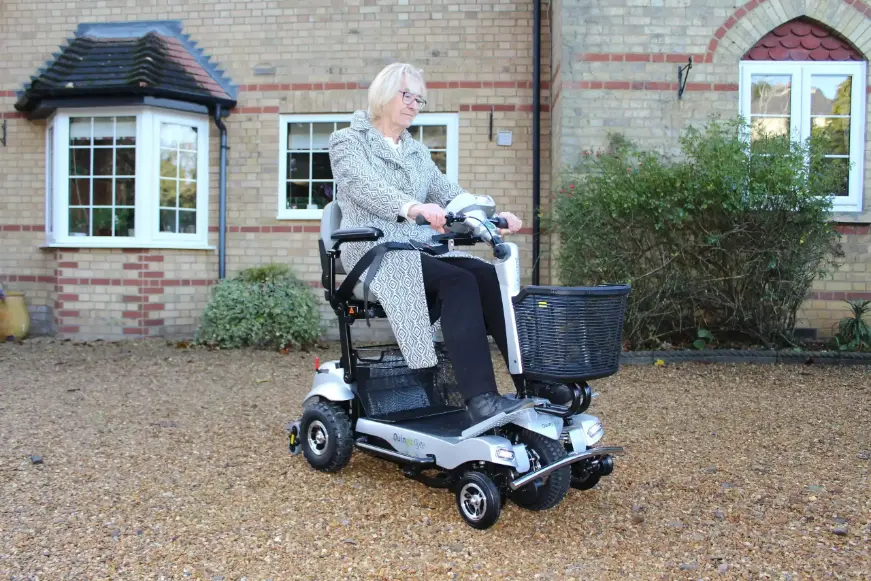

Mobility scooters have transformed the way people with mobility challenges move around their communities. But one common question in Ireland is: can you legally drive a mobility scooter on the road?
The short answer is yes—Class 3 mobility scooters can be used on public roads in Ireland, provided certain conditions are met. If you are at least 16 years old and hold either a valid driving licence or permit, you are legally permitted to drive on the road. However, only Class 3 scooters, with a maximum speed of 8 mph, qualify for road use.
This article explores the laws, classifications, safety tips, and responsibilities that every scooter user in Ireland needs to know. Whether you’re considering buying your first scooter or brushing up on the regulations, this comprehensive guide will walk you through everything.
Key Takeaways
- Class 2 mobility scooters are designed for pavements and cannot be used on public roads.
- Class 3 scooters may be driven on roads, provided the user is at least 16 and holds a valid licence or permit.
- Scooters must follow speed limits and safety regulations, including using lights and reflective gear.
- Insurance and registration are not mandatory but highly recommended for peace of mind.
- Good maintenance, safety awareness, and courtesy towards pedestrians and cars are key to safe journeys.
If you’re exploring the possibility of owning your own mobility scooter, you can browse our full catalogue of mobility scooters in Ireland, including our most popular mobility scooter models, to find one that fits your lifestyle.
Understanding Mobility Scooters
Mobility scooters are more than just a mode of transport. They give independence, freedom, and improved quality of life to people with mobility challenges. For many, these scooters are essential in helping them visit shops, meet friends, attend medical appointments, and enjoy leisure activities.
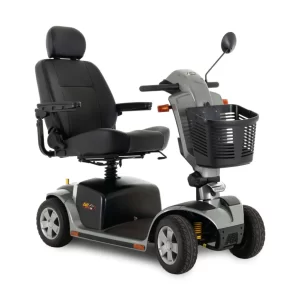
Unlike wheelchairs, which rely entirely on manual or battery-powered control, mobility scooters are designed to mimic the operation of small vehicles. They feature handlebars, seats, and control panels that make driving intuitive, even for first-time users.
By choosing to use a mobility scooter, you are not just gaining mobility—you are also reclaiming social independence, reducing isolation, and maintaining an active role within your community.
Types of Mobility Scooters in Ireland
When considering a scooter for road use, it’s important to understand what types are available:
Class 2 Mobility Scooters
- Maximum speed: 4 mph (about 6 km/h)
- Designed for footpaths and shopping centres
- Lightweight and portable
- Cannot be legally driven on public roads
Class 3 Mobility Scooters
Maximum speed: 8 mph (about 12 km/h) on roads
Must be restricted to 4 mph when used on pavements
Typically larger, sturdier, and fitted with mirrors, horns, and lights
Legal for road use in Ireland (with conditions)
Folding or Travel Scooters
- Compact and designed for portability
- Ideal for public transport or short trips
- Generally fall within the Class 2 category due to lower speed
Legal Classification in Ireland
Definition of Mobility Scooters
In Irish law, mobility scooters are often referred to as mechanically propelled vehicles (MPVs). This means they fall under certain legal frameworks, but thankfully, they are treated differently from cars and motorcycles.
Their use depends primarily on classification (Class 2 or Class 3) and operating environment (footpaths versus roads).
Road Traffic Regulations
- Class 2 scooters: Footpaths only, no licence required.
- Class 3 scooters: Allowed on roads with speed restrictions, licence or permit required. They should also be equipped with lights, horns, and mirrors to comply with safety standards.
Understanding these classifications ensures you stay within the law and avoid penalties while enjoying your independence.
Requirements for Using a Mobility Scooter in Ireland
Legal Regulations
To legally operate a road-going Class 3 scooter in Ireland:
- You must be at least 16 years old.
- You must hold a valid driving licence or mobility scooter permit.
- The scooter must meet road safety features, such as having front and rear lights, reflectors, and a horn.
- Users must respect road rules, such as signalling intentions, obeying traffic lights, and staying within speed limits.
Safety Equipment
While helmets are not legally required, it is highly advisable to wear one. Other recommended safety gear includes:
- High-visibility jackets or vests to increase visibility
- Front and rear lights if travelling in low-light conditions
- Reflective accessories
- Sturdy footwear for stability
- Rear-view mirrors for manoeuvring in traffic
Insurance and Registration
Unlike cars or motorcycles, mobility scooters do not need to be registered with the NDLS (National Driver Licence Service). Likewise, insurance is not a legal requirement.
However, many scooter users opt for specialist insurance policies covering third-party liability, theft, and accidental damage, because accidents can happen. Given the relatively low cost of insurance, it provides greater peace of mind.
For example, if your scooter is accidentally involved in a collision, insurance can save you from heavy financial losses.
Where You Can Legally Drive in Ireland
Mobility scooter users in Ireland enjoy flexibility in where they can travel:
- Pavements/Footpaths: Always the preferred choice for safety when available. Class 2 scooters are strictly limited to pavements. Class 3 scooters must reduce their speed to 4 mph here.
- Roads: Class 3 scooters can be driven on roads at up to 8 mph. However, avoid motorways, dual carriageways, or high-speed zones. Stick to secondary roads and local streets.
- Cycle Lanes: Many cycle lanes allow mobility scooter use, but check local council advice.
- Shopping Centres and Public Buildings: Most indoor public spaces allow scooters—especially Class 2 types. Always follow staff instructions if restrictions apply.
Safety Regulations for Scooter Users
Key safety rules to remember:
- Always wear reflective clothing at night.
- Use lights when visibility is poor.
- Stick to designated speed limits (max 4 mph on pavements, 8 mph on roads).
- Avoid obstructing pedestrians.
- Keep a safe distance from cars and cyclists.
Road vs Footpath: Which to Use?
A common dilemma for scooter users is knowing when to use roads versus footpaths.
- Pavement: Best whenever available. Lower speeds ensure safety, and you can avoid direct interaction with road traffic.
- Roads: Necessary if footpaths are blocked or unavailable. Ride close to the left-hand side and always use caution when crossing junctions or roundabouts.
Rights and Responsibilities
Owning a mobility scooter comes with a balance of freedoms and duties.
Rights:
- The right to safe mobility and independent travel
- The right to use designated areas such as pavements and appropriate roads
- The right to access public spaces, shopping centres, and transport services (where permitted)
Responsibilities:
- Respecting pedestrian space
- Following Irish traffic laws
- Ensuring your scooter is roadworthy, with working brakes and lights
- Acting with courtesy towards pedestrians, cyclists, and drivers
Tips for Safe Riding on Irish Roads
- Keep Your Scooter Maintained – Regularly check tyres, batteries, and brakes.
- Stay Visible – Bright clothing and reflectors make a significant difference.
- Signal Your Movements – Hand signals or scooter indicators should be used when turning.
- Avoid Harsh Weather – Rain, ice, or high winds can compromise safety.
- Plan Routes Ahead – Stick to familiar, scooter-friendly areas and avoid heavy-traffic zones.
Common Misconceptions
- “All scooters can be used on the road.” False. Only Class 3 scooters are legally road-worthy.
- “You don’t need any licence at all.” Incorrect. In Ireland, Class 3 scooter riders must hold a licence or permit.
- “Scooters are too slow for roads.” Not true. While limited to 8 mph, they are intended for short, safer road travel, not high-speed areas.
Resources for Mobility Scooter Users
- Disability Federation of Ireland – advocacy and mobility guidance
- Irish Road Safety Authority (RSA) – for up-to-date rules and advice on road safety
- Irish Stairlifts & Bathrooms – offering a wide range of mobility equipment including scooters, stairlifts, and daily living aids
Frequently Asked Questions
Can I modify my scooter for more speed?
No. Modifying your scooter’s speed breaches safety rules and voids compliance.
What about the legal age for scooters?
The minimum age for road use of Class 3 scooters is 16 years old.
What about public transport?
Some transport services in Ireland accept mobility scooters, but always check with providers. Size and weight often determine eligibility.
How does weather impact scooter use?
Rain, strong winds, and icy weather make scooters harder to control. Plan trips accordingly and avoid adverse conditions.
Do I need special insurance?
Not legally, but it’s wise to get coverage for theft, damage, and liability.
Conclusion
Mobility scooters are gateways to independence, letting thousands of Irish residents reclaim freedom in their daily lives. Yes, you can legally drive a Class 3 mobility scooter on the road in Ireland, as long as you adhere to licensing rules, speed limits, and safety guidelines.
By staying visible, maintaining your scooter, respecting pedestrians, and following Irish traffic regulations, you can enjoy safe and confident rides around your community.
Looking for a mobility scooter that fits your lifestyle? Browse our wide selection of mobility scooters in Ireland today, or contact our friendly team at Irish Stairlifts & Bathrooms for expert advice.
Related reading: Are Mobility Scooters Allowed on Buses in Ireland? and Are Mobility Scooters Allowed on the Road?.
Take the First Step to Independence
Trusted Mobility & Grant Experts Since 1999
Book Your Free Home AssessmentISB Mobility Showroom – Clane
Unit C5/C6 Clane Business Park
Kilcock Road, Clane, Co. Kildare
Eircode: W91 NF86
045 892 696 | 0818 818 500
showroom@irishstairlifts.ie
Mon–Thu: 9am–5pm | Fri: 9am–4pm
Related Post
categories
- Accessible Bathrooms 20
- Grants & Funding 8
- ISB Mobility 6
- Mobility Aids 42
- Outdoor & Independence Solutions 44
- Seating Solutions 10
- Stairlifts & Home Lifts 36
- Statistics 9