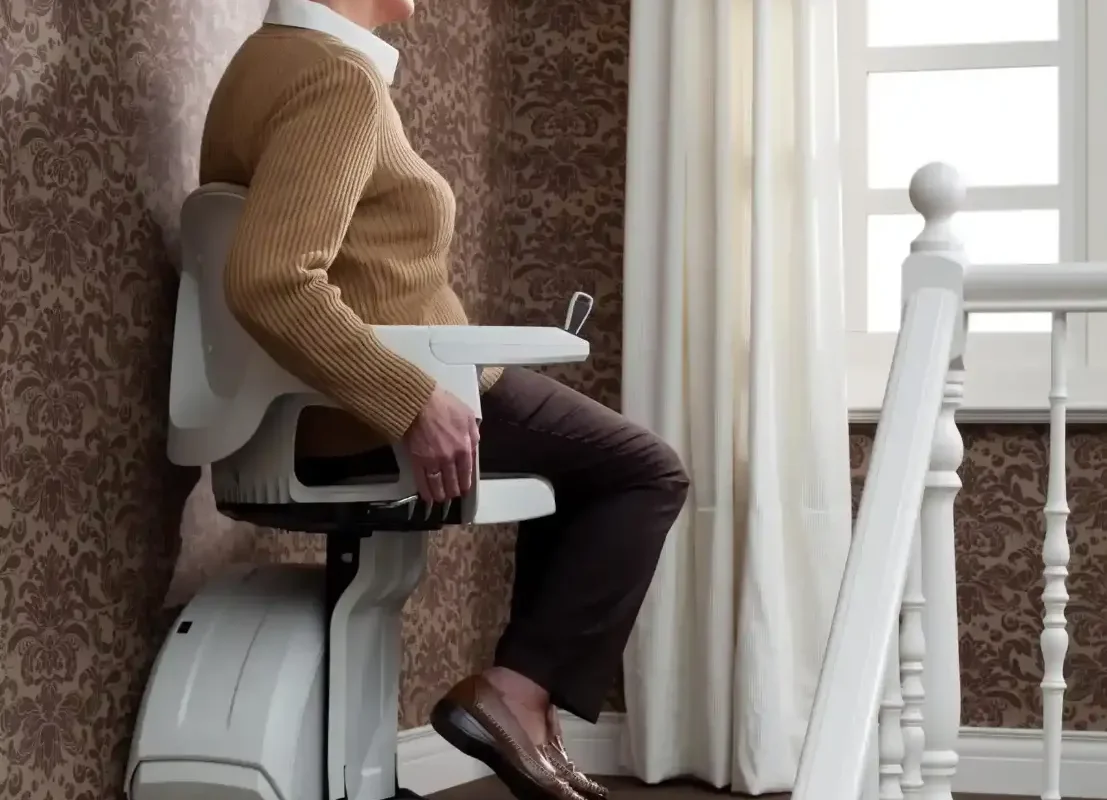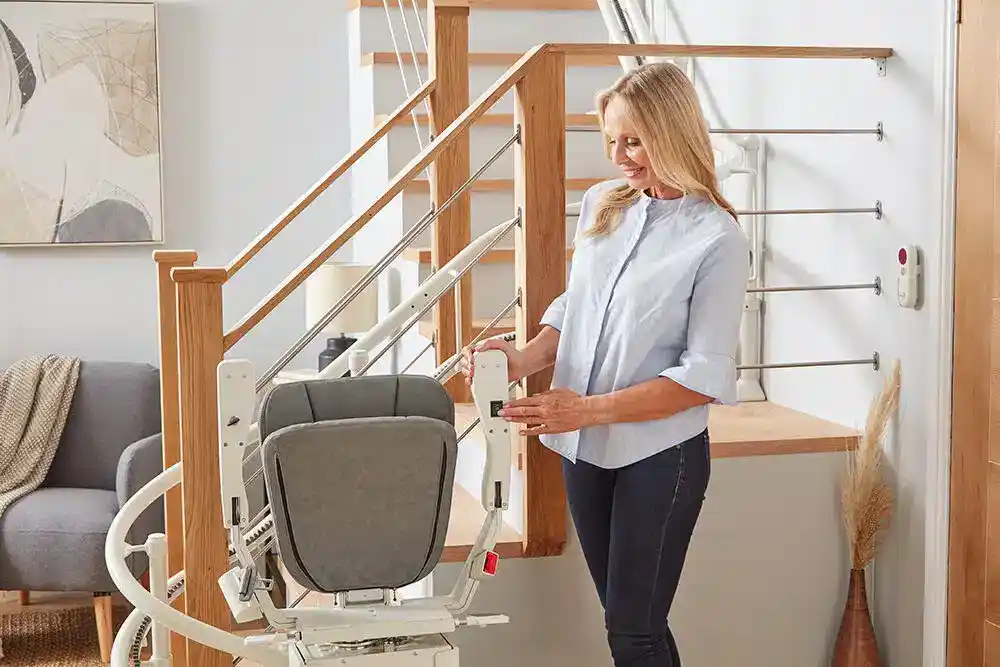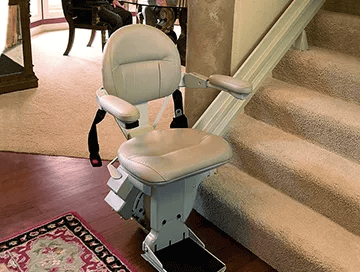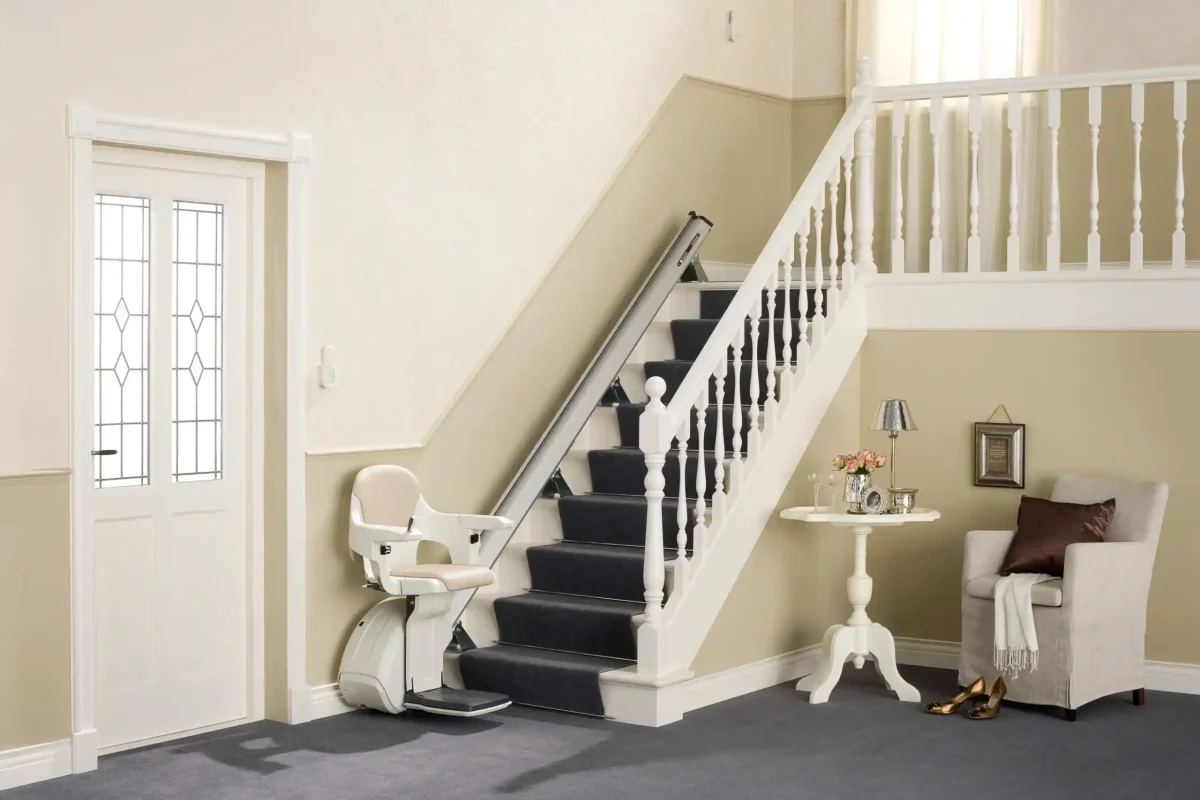
When it comes to chair lift, comfort and safety are two of the most important factors for homeowners and their families. A stairlift should not only serve as a mobility solution but also as a reliable and pleasant daily companion. This is where ergonomic design takes centre stage.
Ergonomics is the science of arranging products and environments around human needs, ensuring maximum comfort, safety, and efficiency. When applied to stairlifts, it ensures that users—regardless of age or physical ability—can enjoy independence, confidence, and ease of use.
From adjustable seating to intuitive controls, ergonomic stairlifts reduce physical strain while offering smooth, seamless travel on the stairs. But what specific elements of ergonomic design truly make a difference in daily life, especially within Irish homes where staircases vary widely in style and size?
This article explores the many ways ergonomic design enhances stairlift comfort, independence, and well-being, while also providing tips on choosing the right model for your unique needs.
Key Takeaways
-
Ergonomic design in stairlifts adapts to individual needs, ensuring optimal comfort and safety.
-
Adjustable seating and armrests promote natural body positioning, reducing pressure on joints and muscles.
-
User-friendly controls and intuitive layouts allow effortless operation, especially for those with reduced dexterity.
-
Safety features woven into the design—like seatbelts, sensors, and swivel seats—enhance peace of mind.
-
Ergonomics contributes to independence, boosting mobility, confidence, and emotional well-being.
Understanding Ergonomic Design in Stairlifts
Ergonomic design addresses how humans interact with a product, focusing on ease of use, accessibility, and comfort. In stairlifts, this means every element—from the cushioning of the seat to the tilt of the footrest—is designed to support the user’s natural movements.
For instance, consider two people with different needs:
-
An older adult with arthritis may require soft padding and wider armrests.
-
A person recovering from surgery might prefer a higher seat to reduce the strain of sitting and standing.
By prioritising personal comfort and safety, ergonomic stairlifts reduce fatigue and stress while fostering confidence and independence. Ultimately, they turn what might otherwise be seen as a medical necessity into a welcoming feature of your home.
A Brief History of Ergonomics in Stairlift Design
The first stairlifts, invented in the early 20th century, were simplistic: functional but not especially comfortable. Over time, as the understanding of human ergonomics evolved, so did stairlift design.
-
Mid-20th century: Basic padded seats and standardised controls became common.
-
1980s–90s: Adjustable armrests, swivel seats, and better cushioning were introduced.
-
Today: Stairlifts in Ireland now incorporate digital controls, memory functions, and fully customisable ergonomics, blending seamlessly into modern homes.
This evolution highlights an important truth: stairlifts are not just about getting upstairs; they are about maintaining dignity, independence, and comfort.
Key Ergonomic Features of Modern Stairlifts
Ergonomically designed stairlifts include a variety of features that directly enhance user comfort and confidence.
| Feature | Benefit | Why It Matters |
|---|---|---|
| Adjustable Seat | Custom fit for body type | Prevents discomfort from poor posture |
| Soft, Supportive Padding | Cushioned ride | Reduces pressure on hips, spine, and joints |
| Safety Sensors | Detect obstacles | Stops accidents before they happen |
| Foldable Footrests | Space-saving design | Keeps staircases unobstructed |
| Swivel Seats | Easy boarding/alighting | Prevents twisting injuries |
These features not only boost safety but also make stairlifts feel more like tailored furniture than medical equipment.
For more details on types of stairlifts available in Ireland, check out the guide on straight stairlifts and curved stairlifts.
The Importance of Seat Design and Positioning
One of the most significant aspects of stairlift ergonomics is seat design. The wrong seat height or positioning can make entering and exiting the stairlift challenging, resulting in discomfort or even accidents.
Optimal Seat Height
The height of the seat should allow users to sit and stand naturally—without excessive bending or stretching. Adjustable seating ensures that whether you are shorter, taller, or have limited leg strength, the stairlift works with your body rather than against it.
Adjustable Armrests
Armrests are not just for comfort—they provide essential stability. With adjustable height and width, these can be modified to meet the user’s body shape, reducing upper-body strain and making mounting and dismounting safer.
User-Friendly Controls and Accessibility
Controls are often overlooked but are crucial to ergonomic stairlift design. Complicated or poorly placed controls can discourage use, while intuitive ones encourage confidence.
Simplified Control Panel
Good design eliminates confusion. Modern stairlifts often feature:
-
Large, easy-to-press buttons for those with reduced dexterity.
-
Clear symbols or labels for intuitive operation.
-
Ergonomic joystick controls that mimic natural movement.
-
Remote call/send buttons, enabling easy use for carers and family.
Intuitive User Interface
An intuitive interface fosters independence and reassurance. Instead of worrying about “technical” operation, users simply focus on the comfort and safety of the ride. This aids not only older adults but also individuals with cognitive difficulties.
For example, Irish homes with multiple staircases may benefit from models with programmable stop points—a feature that’s especially valuable for people living in multi-level properties.
If accessibility is a concern, you may also want to explore bathroom adaptations, such as bath lifts or wet room solutions, which also prioritise ergonomics.
The Role of Safety Features in Comfort
Safety and comfort often go hand in hand. When users feel secure, their comfort naturally increases. Essential safety features include:
-
Seatbelts – Discreetly integrated to secure the rider without discomfort.
-
Obstacle Sensors – Automatically detect pets, toys, or objects left on the stairs.
-
Emergency Stop Buttons – Easy-to-reach buttons for quick intervention.
-
Swivel Seats – Allow users to mount/dismount safely without twisting.
These features create peace of mind, making every trip on the stairlift stress-free.
Customisation Options for Individual Comfort
Not every home in Ireland is the same, and neither are the people who use stairlifts. Customisation ensures the stairlift adapts to the person—not the other way around.
Options include:
-
Seat upholstery in various colours and materials, blending with home décor.
-
Left- or right-hand controls for user preference.
-
Choice between powered or manual swivel seats.
-
Foldable design for narrow Irish hallways.
By personalising your stairlift, you create a comfortable mobility solution that feels like a part of your home rather than an intrusion.
The Psychological Impact of Ergonomics
Beyond physical comfort, ergonomic design has a strong psychological impact. Older adults, in particular, may worry that using a stairlift signals a loss of independence. However, when a stairlift is designed to be comfortable, attractive, and intuitive, it:
-
Encourages regular use, reducing the risk of falls.
-
Provides reassurance to family members concerned about safety.
-
Maintains dignity by blending seamlessly into the home environment.
-
Boosts confidence, giving users control over their mobility.
In this way, ergonomics becomes not just a practical consideration but also an emotional support factor.
Real-Life Benefits of Ergonomic Stairlifts
The real-world impact of improved ergonomics is profound. Here are some key benefits:
-
Increased Independence: Users can access all levels of their home without assistance.
-
Reduced Fatigue: Minimising physical strain ensures energy is saved for daily activities.
-
Enhanced Social Life: By enabling mobility, stairlifts allow users to engage more with family and friends.
-
Improved Safety: Ergonomics reduces fall risks dramatically.
-
Better Quality of Life: Comfort and reassurance translate into a happier, more fulfilling home life.
Considering Irish Homes: Narrow Stairs, Steep Angles & Heritage Properties
Irish homes pose unique design challenges for stairlifts:
-
Narrow staircases in older terraced houses demand compact, fold-away models.
-
Steep staircases common in rural cottages require powerful motors and precise seating ergonomics.
-
Heritage properties often need discreet designs that preserve the character of the home.
Thankfully, ergonomic stairlifts are highly adaptable, making them an ideal fit for Ireland’s diverse housing styles.
Expert Tips for Choosing the Right Ergonomic Stairlift
If you’re considering a stairlift in Ireland, keep these tips in mind:
-
Measure carefully – Stair width, length, and turns matter for ergonomic fitting.
-
Consider long-term comfort – Look at padding, seat width, and adjustability.
-
Think about users’ abilities – Arthritis, reduced vision, or low strength may require specialised features.
-
Future-proof your choice – Ergonomics benefits extend into ageing; choose a model that will adapt with you.
-
Ask for demonstrations – Test operation, comfort, and seat design before purchase.
Frequently Asked Questions
How long do ergonomic stairlifts last?
With regular servicing, ergonomic stairlifts typically last 10–15 years, making them a solid long-term investment.
Can ergonomic stairlifts be installed outdoors?
Yes. Many models are specifically weatherproofed, perfect for Irish homes needing access to gardens or outdoor steps.
What maintenance is required?
Regular cleaning of tracks, battery checks, and an annual professional service are recommended. Explore stairlift servicing options for ongoing care.
Are stairlifts suitable for narrow staircases in Irish homes?
Yes. Compact ergonomic stairlifts fit even the tightest corners and can fold away neatly.
How do I choose the right ergonomic stairlift for my home?
Consult a professional to assess your staircase and personal needs. The team at Irish Stairlifts & Bathrooms offers tailored recommendations and free home surveys.
Conclusion: Experience Comfort and Freedom at Home
Incorporating ergonomic design into stairlifts is like tailoring a piece of furniture specifically to your body and lifestyle. Every detail—from seat height and padding to intuitive controls and built-in safety features—is meant to ensure that your stairlift doesn’t just move you up and down the stairs. It enhances your comfort, safety, and independence, allowing you to truly enjoy every part of your home.
For Irish homeowners, ergonomic stairlifts represent more than a mobility aid—they are a gateway to freedom and peace of mind. They adapt to your needs, blend seamlessly into your space, and evolve with you as life changes.
👉 Ready to explore your options? Contact Irish Stairlifts & Bathrooms today for a free consultation. Our experts can help you choose the most ergonomic stairlift for your home, giving you the comfort, safety, and independence you deserve.

Take the First Step to Independence
Trusted Mobility & Grant Experts Since 1999
Book Your Free Home AssessmentISB Mobility Showroom – Clane
Unit C5/C6 Clane Business Park
Kilcock Road, Clane, Co. Kildare
Eircode: W91 NF86
045 892 696 | 0818 818 500
showroom@irishstairlifts.ie
Mon–Thu: 9am–5pm | Fri: 9am–4pm