Fraud Blocker
Categories Outdoor & Independence Solutions

Top Mobility Scooter Accessories You Need in Ireland

Mobility scooter

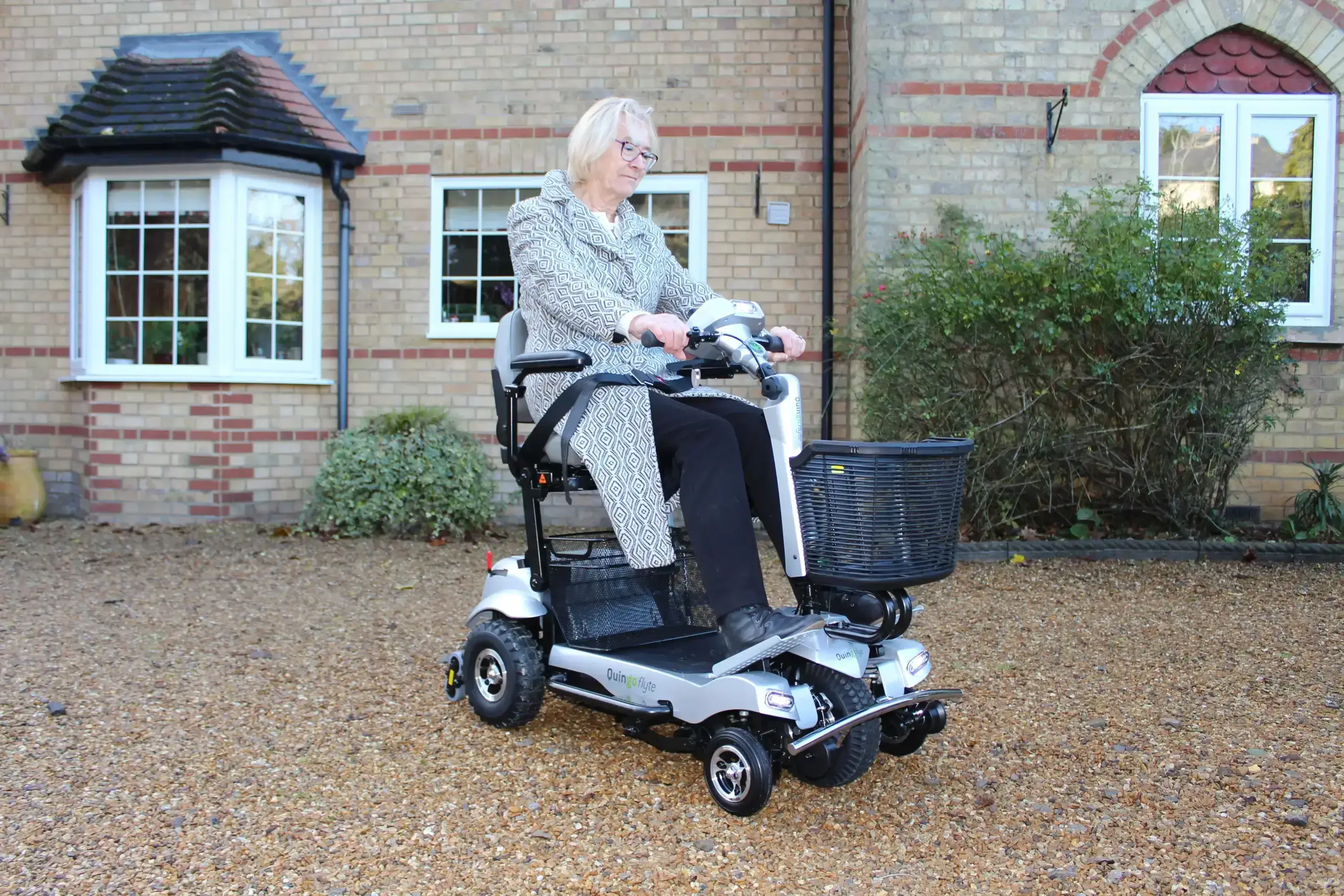
Mobility scooters have transformed the daily lives of thousands of people in Ireland, offering independence, freedom, and the ability to enjoy life without restrictions. But while mobility scooters are powerful and reliable on their own, adding the right accessories can significantly enhance comfort, safety, and overall usability. Whether you’re navigating the streets of Dublin, strolling through Galway’s winding paths, or enjoying coastal towns like Cork or Wexford, the right accessories can make your journeys more enjoyable and practical.

This guide explores the wide range of essential mobility scooter accessories, specially suited for Irish weather conditions and active lifestyles. From seat cushions that improve comfort to anti-tip stabilisers for safety, these add-ons can help you feel more secure, confident, and connected while using your scooter.

Key Takeaways

  • Comfort and health can be improved with accessories like seat cushions, leg rests, and arm supports.

  • Ireland’s weather can be unpredictable, making weather canopies and scooter covers essential.

  • Visibility and safety accessories such as lights, mirrors, and reflectors are crucial for navigating in towns with busy traffic.

  • Convenience features such as storage baskets, cup holders, and phone holders help you enjoy outings without hassle.

  • Modern scooters can benefit from tech-enabled upgrades like GPS, chargers, and navigation systems.


Comfortable Seat Cushions

One of the most important factors for long-term use of a mobility scooter is comfort. Standard scooter seats can often be a bit firm, especially during longer trips through towns, shopping centres, or while exploring Ireland’s scenic walking routes.

Seat cushions are a simple yet transformative upgrade. High-quality cushions, often made with memory foam or pressure-relieving gel materials, not only make rides more comfortable but also help maintain proper posture, reducing strain on the back and hips.

  • Benefits of seat cushions:

    • Reduce aches from prolonged sitting

    • Improve posture and circulation

    • Prevent pressure sores

    • Enhance comfort during longer journeys

For Irish riders who may use their scooters in variable weather, breathable and water-resistant cushion covers are also recommended.


Weather Protection Canopies

If you live in Ireland, you know the weather can be unpredictable—sunshine one moment, drizzle the next, and gusty winds along the way. For scooter users, one of the most frustrating things can be being caught in unexpected rain showers.

That’s where weather protection canopies are invaluable. Designed to shield riders from rain, wind, and even harsh sunlight, canopies are especially popular in Ireland’s wetter western counties or throughout the colder months.

  • Advantages of canopies:

    • Keep the rider dry during rain

    • Offer shade during sunny spells

    • Provide insulation against cold winds

    • Add a sense of enclosure and comfort

With sturdy but lightweight frames, these accessories are easy to fit and available in different styles so you can match your personality while staying dry.

For added protection, pair your canopy with high-quality mobility scooter covers for when your scooter is parked.


Storage Baskets and Bags

Accessibility and independence are all about convenience. Imagine heading into town to Dunnes, Tesco, or SuperValu and not worrying about carrying groceries or personal items. This is where storage baskets and bags make such a difference.

  • Front baskets are perfect for lighter, everyday items like shopping bags, handbags, or essentials that you need within arm’s reach.

  • Rear storage bags can handle larger weights and are built to sit safely behind your seat without upsetting scooter balance.

  • Extra add-ons like lockable boxes give added peace of mind for securing valuables while in public.

For Irish users who often shop in bustling town centres, sturdy storage is a must. Many bags today come with reflective strips, adding to night-time safety too.


Safety Lights and Reflectors

Irish evenings can get dark quickly, especially in winter when the sun sets before 5 pm. For mobility scooter users, visibility is critical to safety.

LED safety lights and reflectors ensure that motorists, cyclists, and pedestrians can clearly see you. This is particularly important for users in urban centres like Dublin, Cork, and Limerick where scooters often share paths with pedestrians and cross busy roads.

  • Install front-facing LED headlights for clear visibility.

  • Add rear red lights and side reflectors so you’re seen by passing cars.

  • Rechargeable options mean less hassle with battery changes.

Another useful accessory is reflective clothing or scooter wheel strips, further boosting safety when moving in low-light conditions.


Cup Holders and Snack Trays

Something as simple as a cup holder or snack tray can enhance outings enormously. A cup of tea or coffee from your local Costa or Insomnia becomes easy to carry and enjoy during your trips. Snack trays provide a flat surface for small meals or medicine, fitted securely without interfering with scooter operation.

This is a small upgrade that adds great satisfaction, especially during longer outings with friends or family.


Mobility Scooter Covers

Your scooter is an investment—and protecting it ranks high on the list. Ireland’s damp climate can take a toll on electronics and upholstery. That’s why scooter covers are not just a luxury but a necessity.

Fitted covers protect against:

  • Rain and moisture that could damage the controls

  • Dust and debris when stored indoors

  • UV damage during occasional sunny spells

If you normally leave your scooter outdoors (for instance, in apartment complexes or when visiting family), a waterproof, weather-resistant cover can extend its lifespan significantly.


Phone Holders and Charging Stations

In today’s connected world, having access to your phone is vital, whether you’re checking directions to the nearest GP, contacting family, or even browsing the news while waiting for someone.

Phone holders mounted on your scooter provide hands-free navigation while USB charging stations keep your devices fully powered. Weather-proof holders are particularly recommended for Irish conditions, where rain showers can appear unannounced.


Anti-Tip Wheels

Safety should always be a top priority. Even though most scooters are stable, anti-tip wheels provide extra reassurance, particularly for users navigating uneven footpaths, curb drops, or steep ramps found in towns and rural areas around Ireland.

These small wheels, attached to the back of your scooter, help prevent tipping during sharp turns or bumpy rides. They’re especially useful for heavier scooters used outdoors.


Mirrors for Enhanced Visibility

Mirrors give you greater peace of mind when manoeuvring in town streets or shopping centres. They’re inexpensive accessories that dramatically increase awareness of surroundings.

Adding mirrors improves:

  • Confidence when reversing in pedestrian areas

  • Safety when crossing roads

  • Awareness of cyclists or walkers approaching from behind

Some mirrors are designed to fold away, particularly useful when parking in tighter indoor spaces.


Cane and Walker Holders

Many scooter users in Ireland rely on complementary mobility aids, such as canes or walkers. Dedicated holders ensure that these are always close to hand without the risk of falling or getting in the way.

This is particularly convenient when popping into a shop or when using a walker indoors while the scooter remains parked outside.


GPS and Navigation Systems

For those who enjoy exploring Ireland’s towns or countryside, GPS systems can be game-changing. Beyond simply finding routes, many scooter-compatible navigation devices integrate accessibility data—highlighting areas with dropped kerbs or avoiding steep gradients.

Features may include:

  • Real-time directions

  • Voice instructions, so no need to constantly look at a screen

  • Points of interest, such as parks, cafes, or GP offices

  • Customisable accessibility-friendly routes

With good GPS, even exploring busy Dublin or Belfast becomes less daunting.


Armrest and Leg Rest Accessories

If you take longer journeys, upgrading with armrests and leg rests is a significant quality-of-life improvement. Padded rests provide comfort and reduce strain on joints, essential for daily scooter users or those with specific health conditions.

Many are adjustable or removable, letting you customise your scooter precisely around your comfort needs. This leads to smoother, more enjoyable outings with less fatigue.


Frequently Asked Questions

Can I customise my mobility scooter?

Yes, absolutely. Adding accessories like baskets, cushions, or lights means your scooter is adapted specifically to your lifestyle and needs.

Are there accessories suitable for night-time use?

Yes, from LED headlamps to reflective strips, night-time safety solutions are widely available and particularly important during Irish winters.

How do I care for my accessories?

Regular cleaning with mild soap and checking for wear and tear ensures your accessories last longer.

What is the best way to shop for accessories in Ireland?

Accessories are available through specialist Irish suppliers like Irish Stairlifts & Bathrooms, ensuring quality and compatibility.


Conclusion

Adding accessories to your mobility scooter transforms it from a simple transport tool into a personalised partner for everyday life. In Ireland—where weather, landscape, and busy town layouts present unique challenges—these small upgrades make a big difference. Whether you invest in comfortable seating, reliable safety lights, protective storage solutions, or tech enhancements, each accessory enriches your independence and confidence.

Don’t view these accessories as extras—see them as essential tools to make your everyday experiences safer, easier, and more enjoyable.


Ready to upgrade your scooter and make your journeys across Ireland more comfortable? Explore our wide range of mobility scooters including foldable scooter models, and accessories at Irish Stairlifts & Bathrooms today, or contact us for expert advice or quotation tailored to your needs.

Categories Outdoor & Independence Solutions

How Do I Maintain the Brakes and Seat on a Mobility Scooter?

Marlin Mobility Scooter

A mobility scooter can be a lifeline for independence, whether you’re popping down to your local Tesco in Dublin, taking a stroll along the seaside in Galway, or navigating the cobbled streets of Kilkenny. But like any piece of equipment, your scooter requires ongoing care to remain safe, reliable, and comfortable. Two of the most important components to keep a close eye on are the brakes and the seat.

Proper brake maintenance ensures you can stop safely in Irish weather conditions—whether it’s a dry summer evening or a wet winter’s day. Likewise, a well-maintained seat makes longer journeys more comfortable and reduces the risk of strain or injury.

In this article, we’ll explore everything you need to know about maintaining and inspecting your scooter’s brakes and seat, tips for Irish road conditions, and how a structured maintenance schedule can help you avoid costly repairs.


Key Takeaways

  • Regularly inspect your brakes for wear, unusual noises, or delayed stopping times, particularly before journeys on uneven surfaces common in Irish towns.

  • Clean brake components with a cloth or soft brush to prevent buildup, especially after wet weather conditions.

  • Lubricate the brake mechanism using recommended products to ensure smooth, responsive stopping.

  • Check your seat condition and attachment points to guarantee safety and maximum comfort.

  • Adjust your seat position—or add cushions—for better posture and circulation during everyday use.

  • Establish a weekly, monthly, and quarterly maintenance schedule to ensure your scooter is always in peak condition.


Understanding Your Mobility Scooter’s Brake System

The brake system is one of the most important safety features on any mobility scooter. In Ireland, where footpaths, hills, and narrow village roads can vary in quality, having reliable brakes is non-negotiable.

There are two common types of scooter brake systems:

  • Mechanical brakes: Operated by a lever, these use friction pads to slow your scooter. They require regular cleaning and adjustment.

  • Electronic brakes: Found on many modern models, these activate automatically when you release the throttle, offering smooth stopping power.

By understanding which brake system your scooter uses, you can better judge when it requires attention. Regardless of the type, it’s smart to test your brakes daily before leaving your home, much as you would check the mirrors before driving a car.

If your scooter hesitates to stop, responds sluggishly, or emits unusual sounds, it’s a clear signal to investigate.


Signs of Brake Wear

Just like car brakes, mobility scooter brakes degrade gradually. Early identification of issues prevents dangerous malfunctions and costly repairs.

Sign What to Look For
Reduced Stopping Power Your scooter takes longer than usual to stop, even on flat ground
Unusual Noises Grinding, squeaking, or rattling always signals wear
Vibration or Shaking Scooter shudders when you attempt to slow
Dashboard Warning Lights Brake indicator showing on your scooter’s display
 

In wetter parts of Ireland such as Kerry or Donegal, brake wear can accelerate due to constant exposure to moisture. Make inspection part of your weekly routine—particularly in winter months when salt and grit are commonly used on roads.


Cleaning Brake Components

Brake components—pads, rotors, and cables—must be kept free from dust, dirt, and debris. On Irish roads and coastal towns, you may also encounter salt corrosion, so diligent cleaning is more important than ever.

Steps for cleaning safely:

  1. Ensure your scooter is switched off and on a firm, level surface.

  2. Remove visible dirt with a soft cloth or small brush.

  3. Gently wipe brake pads and metal components with mild soap and water.

  4. Dry thoroughly before riding to prevent moisture from interfering with performance.

  5. Check for rust—apply a rust-remover solution if needed.

Avoid heavy-duty cleaning chemicals, as they may damage the brake surfaces.


Adjusting Brake Tension

Brake tension helps determine how responsive your scooter feels when stopping. Too loose, and your scooter will feel sluggish. Too tight, and the brakes may stick or wear prematurely.

How to adjust:

  1. Locate the brake adjustment screw (check your scooter’s manual for the exact spot).

  2. Using a screwdriver, turn the screw slightly clockwise (to tighten) or counterclockwise (to loosen).

  3. Test drive the scooter at low speed to confirm smooth braking.

If you’re based in Dublin or Cork where traffic and pedestrian crossings are frequent, ensuring sharp brake responsiveness is especially important.


Lubricating the Brake Mechanism

Just like a bicycle chain, brakes benefit from proper lubrication. This prevents sticking, squeaking, and wear. In Ireland’s damp climate, lubrication also helps fight against corrosion.

Component Lubricant Type Frequency
Brake Cables Silicone Spray Every 3 months
Brake Pads Specialist Grease Every 6 months
Brake Levers WD-40 or silicone oil Monthly
Brake Drums Lithium Grease Yearly
 

Always use lubricants recommended by your scooter manufacturer.


When to Replace Brake Parts

Replacing brake parts is often more cost-effective than attempting repeated repairs on worn components. Watch for:

  • Grinding or metal-on-metal noises.

  • Handles that feel loose or stiff.

  • Cables with fraying or visible damage.

  • Persistent loss of stopping power despite adjustments.

Irish laws don’t require annual mobility scooter inspections (unlike cars), so it’s up to you to stay proactive about safety.


Seat Comfort and Support

Many scooter owners focus on speed and battery and overlook the seat, but this directly impacts health. An ill-fitting or poorly adjusted seat may cause:

  • Lower back pain.

  • Poor circulation in the legs.

  • Uneven posture over long rides.

When choosing a replacement seat, measure both the width and height carefully. The Irish market offers a wide range of padded, swivel, and height-adjustable seats that can be fitted to most scooters.


Cleaning and Maintaining Seat Covers

Rain and wear are inevitable in Ireland, so keeping your seat cover maintained ensures hygiene and comfort.

Tips for Irish conditions:

  • Wipe down with warm, soapy water regularly.

  • Allow natural air drying—avoid leaving scooters outside in damp conditions.

  • Use protective waterproof covers if you store your scooter outdoors.

For added stain resistance, invest in a seat cover protector which is widely available through Irish mobility suppliers.


Checking and Repairing Seat Damage

Signs your seat may need attention include:

Damage Type What to Look For
Tears & Cracks Visible splits in the material
Cushion Flattening Comfort noticeably reduced
Wobbly Connection Seat feels unstable
 

If kept outdoors, UV rays and rain accelerate fabric breakdown. Consider garage or shed storage wherever possible.


Adjusting Seat Position for Ride Comfort

Every body type is different, so take the time to adjust your seat correctly:

  • Height: Ensure your knees form a 90° angle with your feet flat on the scooter’s footrest.

  • Depth: Adjust so there’s a 2–3 inch space between the back of your knees and the seat edge.

  • Tilt: Reclining slightly may reduce pressure on your lower spine during longer journeys.


Extra Seat Comfort: Cushions and Accessories

Adding cushions can dramatically enhance comfort, particularly for Irish users who frequently travel longer routes between shops, appointments, or public transport hubs.

  • Memory foam cushions: Provide excellent support.

  • Gel cushions: Help regulate temperature—useful on summer rides.

  • Sheepskin or fleece covers: Ideal for warmth during Irish winters.


Maintenance Schedule

Here’s a simple brake and seat care schedule Irish scooter owners can follow:

  • Weekly: Check brake responsiveness and ensure the seat is secure.

  • Monthly: Lubricate brake levers, clean the seat cover, and inspect bolts.

  • Quarterly: Book a professional inspection, especially ahead of winter.


Frequently Asked Questions

Can I use car brake fluid?

No. Stick strictly to fluids recommended by your scooter manual. Car fluids may damage the system.

How often should brakes be checked?

At least once a month, but weekly checks are strongly advised for those who ride daily.

What’s the best cushion for Irish weather?

Waterproof gel cushions perform well, staying comfortable in hot and cold climates.


Conclusion

Maintaining your mobility scooter brakes and seat is more than just upkeep—it’s about safety, independence, and comfort. In Ireland, where unexpected rainfall and uneven pavements are part of daily life, these checks become even more important.

By cleaning and adjusting brakes regularly, lubricating moving parts, and replacing worn components, you greatly reduce the risk of accidents. Simultaneously, ensuring your seat is well-positioned, cushioned, and intact will lead to healthier posture and more enjoyable journeys.

Your scooter is an investment—not just financially but for your quality of life. Treating it with regular care ensures it remains reliable for years to come.


Ready to Service or Upgrade Your Mobility Scooter?

At Irish Stairlifts & Bathrooms, we don’t just supply mobility scooters—we help you keep them in perfect condition. Whether you need replacement brake parts, a new seat, or advice on scooter accessories to enhance your comfort, our team is here to help.

Explore more advice and products:

Call us today or visit our showroom in Co. Kildare to speak with our friendly experts. Let’s ensure your scooter—and your mobility—remains safe and reliable.

Categories Grants & Funding

MAG Disability Grants Checklist

If you or someone in your household has a disability or mobility challenge, figuring out home‑adaptation grants can feel a bit like navigating a maze. The good news? The Mobility Aids Grant (MAG) is here to help make your home safer, more comfortable, and tailored to your needs. Think of this article as your friendly guide and checklist—helping you breeze through the process, understand what’s required, and feel confident about applying.


What is the Mobility Aids Grant (MAG)?

Who is it for?

MAG is designed for older adults and people with disabilities who experience difficulty moving around their home. It’s all about helping you stay independent and safe in your own space.

What kinds of works are eligible?

Eligible adaptations include installing grab rails, ramps, stair‑lifts, fixed hoists, and modifying bathrooms for level access. Basically, anything that makes daily life easier and safer inside your home.

Maximum grant amounts and financial limits

Under the new rules from December 2024, MAG can cover up to around €8,000 (depending on your local authority), subject to income limits. In some cases, the grant can cover the entire approved cost, excluding VAT.


Why a checklist matters when applying

Applying for MAG can involve many moving pieces—medical certificates, income statements, contractor quotes, and property tax records. A checklist ensures nothing slips through the cracks, avoids delays, and makes the process far less stressful.


Confirm your home’s eligibility

Type of property ownership or tenancy

Your home must usually be:

  • Privately owned by you or family

  • Rented with a registered tenancy and landlord permission

  • Provided by an approved housing body

  • Communal residential accommodation

Local Property Tax compliance

You’ll need proof that your Local Property Tax (LPT) is paid, deferred, or exempt. Without this, the grant can’t move forward.


Assessing the person with disability or mobility issue

Medical certificate / doctor’s certificate

A doctor’s certificate confirms the mobility or disability challenge. It’s required for MAG and ensures your application meets official criteria.

Occupational therapist (OT) assessment when required

For bigger adaptations—like stair lifts or major room changes—an OT may need to recommend the correct specification. Some local authorities provide this assessment; others expect you to arrange it.


Means‑test and income documentation

Household income requirements and thresholds

MAG is means‑tested. Your household’s income (everyone aged 18+ living in the home) must not exceed certain limits.

Income disregards and deductions

Certain allowances—like for dependent children, full-time carers, or child benefits—may reduce your counted income.

Proof of income types

You’ll need documents like:

  • P21 End-of-Year Statement (PAYE)

  • Form 11 (self-employed)

  • Pension slips

  • Welfare statements


Scope of works and planning the adaptation

Grab rails, ramps, stair-lifts, and hoists

Simple installations like grab rails or ramps are usually straightforward. More complex devices, like stairlifts or hoists, may require approval under MAG or a larger grant scheme.

Bathroom or level-access shower works

Converting a bathroom, widening doorways, or installing level-access showers are common adaptations. Sometimes, detailed drawings may be needed.

Structural or room-use changes

If you need an extension or a new ground-floor bedroom or bathroom, it might exceed MAG and fall under a larger grant.

Obtaining contractor quotes and drawings

Always get detailed quotes and drawings, especially for structural work. Some application forms require these documents.


Grant application before work begins

Important “no works before approval” rule

Never start work before you receive formal written approval. Doing so risks rejection of your grant application.

Completing the correct application form

Use the approved MAG or adaptation grant application form for your local authority. Double-check all sections and tick the correct boxes.

Where and how to submit it

Submit your completed form and supporting documents to your local authority’s housing grants department—by post or online if available.


Documentation checklist – what to attach

  • Proof of ownership/tenancy

  • Income documentation (tax returns, welfare statements)

  • Doctor’s certificate and OT report (if required)

  • LPT compliance proof

  • Contractor quotations and drawings

  • Building regulation compliance certificates (if extension or structural work)


Implementation of works

Works must meet the specification

Make sure the works follow the approved specification exactly. Any deviation may affect your grant.

VAT considerations

The grant usually excludes VAT, but you may be eligible to reclaim it separately via the Revenue system.

Role of qualified contractors

Using experienced contractors ensures compliance, reduces stress, and smooths the inspection process.


After‑works inspection and completion

Final sign-off by local authority

Once completed, your local authority may inspect the work to confirm it meets the approved plan.

Submitting invoices and receipts

Keep all original or certified invoices and receipts for submission.

Receiving payment / grant disbursement

After everything is verified, your grant will usually be paid directly to you via bank transfer.


Ongoing obligations and using the adapted home

Requirement to live in the home post works

The person for whom the works were carried out must live in the home when works finish and continue living there for a specified period.

Maintenance responsibilities

You are responsible for keeping the adaptations in working order—neglect may affect future grant eligibility.


Common pitfalls and how to avoid them

Starting work too early

Wait for written approval before beginning anything.

Missing required documents

Incomplete applications slow down approvals. Gather all documents in advance.

Underestimating costs

Plan for contingencies—if your costs exceed the grant, you’ll need to cover the difference.


Frequently asked questions about MAG

Can rented properties qualify?

Yes, as long as the tenancy is registered and the landlord approves the works.

What happens if my income increases after application?

Income is usually assessed for the previous tax year. Any significant changes should be reported, but local authority rules apply.

Can the grant cover all costs?

In many cases, MAG can cover up to 100% of approved costs (excluding VAT), though caps and exclusions may apply.


Tips for a smooth application process

  • Start early and gather all documents.

  • Consult an OT or trusted advisor for guidance.

  • Use contractors familiar with MAG grants for smoother approvals.


How the recent regulations impact grants (December 2024)

From December 2024, maximum grant limits increased, and income thresholds were raised. For MAG specifically, the cap of around €8,000 reflects these updates in many areas.


Relationship between MAG and other grants (HAG, HOP)

MAG is part of the wider Housing Adaptation Grants for Older People and People with Disabilities. Larger projects may fall under HAG or HOP depending on the scope and eligibility.


Summary checklist – your quick‑ref table

Item Status (✓/✗)
Property type eligible  
LPT compliance proof  
Doctor’s certificate obtained  
OT assessment arranged if needed  
Income documentation ready  
Quotations and drawings obtained  
Application submitted before works  
Contractor selected and works meet spec  
Invoices/receipts retained  
Post-works inspection & grant payment  

Conclusion

Applying for MAG doesn’t have to be daunting. With careful preparation, complete documentation, and a clear understanding of the steps, you can transform your home into a safer, more accessible space. Independence, comfort, and peace of mind are just a few steps away. Whether it’s a stair-lift, grab rails, or other mobility aids, companies like Irish Stairlifts can help ensure your adaptations are professional and reliable. Use this checklist as your guide and approach the process with confidence.

Categories Grants & Funding

Application Form: Housing Adaptation Grants for Older People

application form housing adaptation grants for older people

Introduction — why this guide exists

This guide is here to make the Housing Adaptation Grant application form easier to understand. Forms can feel overwhelming, especially when they’re long, detailed, and full of unfamiliar terms. So this guide walks you through every step of the official 2024 application form used by Louth County Council.

Each section below explains exactly what you’ll see on the form, what you need to prepare, and how to fill it in without stress. Take it slowly, one page at a time, and you’ll get through it confidently.


Quick overview of the three grants covered by the form

The same form is used for three different grants. Here’s what each of them does in plain English:

Housing Adaptation Grant for Disabled People

For bigger home changes that help with mobility or safety — things like ramps, stair-lifts, accessible bathrooms, downstairs bedrooms, or even small extensions.

Mobility Aids Grant

For smaller but important fixes that make daily movement easier — grab rail, shower bench, simpler stair-lifts, level-access showers, or fixed track hoists.

Housing Aid for Older People Grant

For essential repairs to help older people (66+) stay safe at home — roof repairs, rewiring, heating fixes, and similar works.

The form explains all three, but this guide helps you choose the right one much more easily.


Who can apply — simple eligibility checklist

Before you begin writing anything, make sure these requirements fit your situation:

  • The grant must be approved before any work starts.

  • You must be living in the home once the work is done.

  • Your tax affairs should be up to date.

  • For grants over €10,000, tax clearance is required.

  • Local Property Tax (LPT) for the home must be paid or validly deferred/exempted.

If all of the above are true, you can move forward without worry.


Before you start — what to read and what to gather

The first pages of the PDF explain what documents you’ll need, who can fill the form, and where to send it. It’s worth reading these slowly. Important notes include:

  • You can get someone to fill out the form for you,
    but you must sign it yourself (unless you have an appointed representative).

  • Work cannot start until you receive written approval.

  • The checklist at the back of the form tells you exactly what to include — keep it beside you.


How the PDF is organised (easy page map)

Here’s a simple breakdown so you don’t get lost in the PDF:

  • Pages 3–4: Housing Adaptation Grant

  • Page 5: Mobility Aids Grant

  • Pages 6–7: Housing Aid for Older People

  • Middle pages: Income and means information

  • Pages 17–18: Doctor’s Certificate

  • Page 19: Declaration & signature

  • Page 20: Application checklist
    Keep this list beside you while filling things out.


Step 1 — Choose the right grant(s)

Take a moment to pick the grant that matches your needs. You can tick more than one if needed.

  • Big changes? → Housing Adaptation Grant

  • Small fittings? → Mobility Aids Grant

  • Repairs in an older person’s home? → Housing Aid for Older People

Tick the box that describes your situation and move on.


Step 2 — Fill in your personal details

The first section asks for:

  • Full name

  • Date of birth

  • Phone number

  • Contact address

Write clearly or type into the PDF so nothing is misread.
If someone helped you fill the form, their name goes into the “assisted by” part — but remember, you still sign it.


Step 3 — Details of the home

Here you will note:

  • The address of the property

  • Whether it is owned or rented

  • Names of owners or joint owners

  • If it’s rented: include the landlord’s permission and RTB registration

  • If you own the home: confirm whether your spouse/co-owner income should be included

Use the same address that appears in your Local Property Tax records.


Step 4 — Confirming Local Property Tax (LPT) status

The council needs proof that the property’s LPT is in order.
This can be:

  • A Revenue letter

  • A printout from your online LPT account showing payments

Make sure your name and the property address are visible. Missing this document is one of the most common causes of delays.


Step 5 — Medical evidence (Doctor’s Certificate)

You’ll need a GP to fill and stamp the Doctor’s Certificate (pages 17–18) if you’re applying for:

  • Housing Adaptation Grant

  • Mobility Aids Grant

The Housing Aid for Older People Grant usually doesn’t need a Doctor’s Certificate unless your case is urgent.

Bring the printed pages to your GP, make sure it is signed and stamped, and keep a copy if possible.


Step 6 — Occupational Therapist (OT) reports

An OT report is needed when applying for:

  • Stair-lifts

  • Hoists

  • Extensions

  • Major structural changes

You may use a private OT (the council may refund up to €300).
If you don’t have an OT, the council can arrange one after you submit the form.

Attach the OT report if you already have it.


Step 7 — Income and means test

The council checks your income to determine the grant amount.

You must include proof of income for:

  • Yourself

  • Your spouse or partner (if living with you)

Income includes:

  • Pensions

  • Social welfare payments

  • PAYE or self-employed earnings

  • Rental income

  • Any other taxable income

Use the instructions on page 14 of the form and attach proof such as:

  • Pension slips

  • Social welfare letters

  • P60/P21

  • Bank statements

Slowly go through this section — it’s important and often double-checked by the council.


Step 8 — Describe the work you need done

Explain clearly:

  • What work you need

  • Where it will take place

  • Why it’s needed for your safety, health, or daily living

Example:
“Remove bath and install level-access shower to reduce risk of falls. Install grab rails and non-slip flooring.”

Include photos or drawings if you have them — they’re very helpful.


Step 9 — Contractor information

Gather the following from your chosen contractor(s):

  • Name and address

  • Contact number

  • Quote amount

  • Tax reference number

Contractors must be tax compliant and will be checked by the council.


Step 10 — Quotes, VAT and excluded costs

A few helpful reminders:

  • Submit itemised quotes (materials, labour, VAT shown separately).

  • Some grants don’t cover VAT, so check carefully.

  • Ongoing maintenance (e.g., service contracts) is usually not covered.

If VAT is charged, you may be able to reclaim it — Revenue can guide you on this.


Step 11 — Checklist (page 20)

The final page lists all required documents. Attach them in this order:

  1. Completed application form

  2. Proof of income

  3. Proof of LPT compliance

  4. Doctor’s Certificate (if needed)

  5. OT report (if needed)

  6. Contractor quotes

  7. Proof of tenancy and landlord permission (if renting)

  8. Insurance/electrician reports (for certain repairs)

Tick everything off — missing even one page causes delays.


Step 12 — Signature and submission

Sign page 19.
This confirms that the information you provided is true.

Submit the form to your local authority. Contact details are on the first pages of the application pack. You may submit by post or email depending on current instructions.

Always keep copies of everything.


What happens after you apply

Once the council receives your application, they will:

  • Check all documents

  • Arrange a home visit from a council technician

  • Review your application and make a decision

  • Write to you with the approved amount

  • Ask for contractor tax details and your bank details

  • Request extra documents if needed

If your approved grant is over €10,000, tax clearance is required.

You can appeal a decision within three weeks.


Appeals, tax clearance and extra documents

If you need tax clearance, the form tells you exactly where to apply and what phone number to call if you don’t use the internet.

If your application is refused, you can lodge an appeal. Another council officer (not the one who assessed your case) will review it, usually within six weeks.

Keep copies of all letters and documents in a safe place.


Practical tips & common mistakes to avoid

These simple tips can save you weeks:

  • Do not start work before approval.

  • Write clearly or type into the PDF to avoid errors.

  • Attach every document listed on the checklist.

  • Make sure the Doctor’s Certificate is stamped.

  • Double-check your LPT proof shows your name and your home’s address.

  • If renting, attach the landlord’s permission letter.

  • When unsure, call your local authority — they are very used to helping older applicants.


Sample filled-out answers

Work description — example
“Replace existing bath with level-access shower to reduce risk of falls. Install non-slip flooring and grab rails. Widen door to allow walker access.”

Reason for works — example
“Applicant has limited mobility and cannot safely step into the bath. Shower installation will allow independent washing and prevent falls.”

Use these examples as a guide when filling in similar sections.


Final summary — your last-minute checklist

Before you send the form:

  • ✔ Form filled in clearly

  • ✔ Doctor’s Certificate stamped (if needed)

  • ✔ OT report attached (if required)

  • ✔ All income evidence included

  • ✔ LPT proof attached

  • ✔ Contractor quotes included

  • ✔ Landlord permission (if renting)

  • ✔ Page 19 signed

  • ✔ Copies of everything kept for your records

If anything feels unclear, you can ring your local council or contact us at Irish Stairlifts. We handle these applications daily and are always happy to guide you.

Categories Outdoor & Independence Solutions

How to Maintain and Extend the Battery Life of a Mobility Scooter

mobility scooters

For many people across Ireland, a mobility scooter is more than just a mode of transport—it’s a lifeline to independence, social connection, and confidence. Whether it’s a trip into Dublin City Centre, visiting family in Galway, or simply enjoying a stroll along Bray Seafront, having a reliable scooter that you can trust is invaluable.

At the heart of every scooter lies its battery, and taking care of it properly can mean the difference between years of uninterrupted mobility and costly, stressful breakdowns. By following the right maintenance habits, proper charging techniques, and professional support, you can extend your scooter’s battery life while reducing unexpected repairs.

This guide will provide comprehensive tips tailored for Irish users, including advice on Ireland’s unique weather conditions, charging routines, and professional servicing options.


Key Takeaways

  • Charge your mobility scooter after each use and avoid letting the battery drop below 30%.

  • Store your scooter and battery away from extreme Irish weather conditions like frost and dampness.

  • Always use the manufacturer-approved charger to avoid reducing your battery’s lifespan.

  • Schedule professional maintenance checks in Ireland to prevent costly long-term issues.

  • Monitor your scooter’s range regularly to pick up on early signs of battery decline.

  • Share your experiences with other Irish scooter users through local groups for best practice insights.


Understanding Your Mobility Scooter Battery Types

Before you can take proper care of your battery, it’s important to understand the type you own. Most mobility scooters in Ireland use one of two main types:

  • Sealed Lead-Acid (SLA) Batteries These are cost-effective and reliable, often chosen for standard scooter models. However, they tend to be heavier and provide shorter lifespans compared to newer technologies. SLA batteries typically power smaller journeys and are best for those who don’t need long daily distances.

  • Lithium-Ion Batteries These lighter, more efficient batteries are increasingly found in modern scooters. They last significantly longer, can hold a charge better, and are ideal for users who want more portability and longer ranges (such as Belfast to Lisburn shopping trips).

When selecting or replacing your scooter’s battery in Ireland, consider how often and how far you’ll use it. For longer journeys or rural areas with less charging availability, lithium-ion may be the most suitable option.


Importance of Regular Charging

One of the most common battery mistakes Irish users make is waiting until the scooter is nearly drained before charging. This can weaken the cells and shorten the overall lifespan.

Instead:

  • Plug in your scooter after each journey—even short ones, like popping down to the local supermarket.

  • Don’t wait until the battery is empty; recharge at around 30–40%.

  • For heavier usage (such as long days out), consider topping up mid-day if possible.

With Ireland’s unpredictable weather and rural terrain, keeping your scooter reliably charged is the best way to avoid frustration.


Best Practices for Charging Your Battery

To ensure your scooter continues to run reliably for years, follow these critical charging practices:

  • Always use your official scooter charger (avoid cheaper, universal chargers that don’t match your battery specs).

  • Charge in a cool, dry place indoors—common Irish dampness from sheds or garages could damage connections.

  • Avoid leaving the scooter plugged in indefinitely, particularly overnight. Overcharging gradually weakens your battery.

  • Regularly check your sockets and power points. Many older Irish homes still use traditional wiring. Make sure it’s safe before charging.


Why Avoiding Deep Discharges is Essential

When a scooter battery runs completely empty, it undergoes a deep discharge. Repeatedly doing this significantly shortens the battery’s life expectancy.

Practical Irish example:

  • A user in rural Mayo who relies on their scooter for daily trips shouldn’t run it into single-digit percentages before every recharge. Instead, topping-up when possible extends reliability.

Ideally, maintain a 30–40% minimum charge threshold to keep your battery healthy.


Maintaining Optimal Battery Temperature in Ireland’s Climate

Temperature plays a huge role in a battery’s health. Ireland’s climate—frequent rain, damp air, and chilly winters—requires specific precautions:

  • Winter storage: Cold weather reduces capacity. Store scooters indoors during frost and avoid leaving them in garden sheds or garages that experience freezing overnight.

  • Summer care: While Ireland rarely exceeds 25°C, high summer days can still cause overheating if scooters are left in direct sunlight too long.

  • Damp conditions: Moist air contributes to electrical corrosion. Keep the scooter in well-ventilated, dry areas when not in use.

Using a scooter cover is highly recommended.


Cleaning and Maintaining Battery Terminals

Battery terminals must stay clean for secure electrical contact. Over time, moisture and dirt build-up (particularly in coastal towns like Cork or Galway) cause corrosion.

How to clean them safely:

  1. Turn off and unplug your scooter.

  2. Wear gloves for protection.

  3. Mix a small amount of baking soda with water. Use it with a soft brush to scrub corrosion from the terminals.

  4. Rinse with clean water and dry fully before reconnecting.

This simple habit can add years to your battery’s working life.


Fluid Levels and General Checks

If your scooter uses lead-acid batteries, checking fluid levels is key. Ireland’s climate causes faster evaporation rates in summer and risks of freezing in winter.

  • Only ever refill with distilled water, not tap water.

  • Ensure the level never drops below the recommended mark.

Also remember to routinely check:

  • Tyre pressure: Irish rural roads or cobbled footpaths may cause higher wear.

  • Brake fluid levels: Low levels can dramatically reduce safety when travelling through steep areas, such as Wicklow or Donegal towns.

Our mobility scooter servicing and repairs section details professional checks available nationwide.


Safe Storage Practices

Proper storage greatly extends battery life when scooters aren’t in use:

  • Avoid leaving your scooter in damp sheds or exposed to Irish coastal air.

  • Use breathable scooter covers instead of plastic tarps (which trap moisture).

  • If storing for long periods (e.g., during winter holidays), disconnect the battery or use a smart “trickle charger” to maintain health.


Monitoring Battery Performance

A scooter’s battery deteriorates slowly over time, so monitoring performance is the best defence against sudden breakdowns.

Tips for Irish users:

  • Note the range difference on repeat journeys. If your scooter used to last from Cork city centre to Blackpool Shopping Centre but now struggles halfway, it’s a warning sign.

  • Log weekly mileage and charging frequency to spot unusual patterns.

  • Watch for sudden discharge drops in colder weather, a common issue in Ireland.


Signs Your Battery Needs Replacement

Replacing a mobility scooter battery can feel daunting, but knowing the signs helps you prepare:

  • The battery doesn’t hold charge overnight.

  • Scooter struggles on inclines, showing less power.

  • Range becomes significantly shorter.

  • Swelling, leaks, or unusual odours occur.


Using the Right Charger

Not all chargers are created equal. Using an unsuitable one often reduces battery efficiency by half.

Always:

  • Match your charger to your battery type (SLA or lithium).

  • Double-check voltage requirements before purchase.

  • Replace broken chargers with approved models only


Professional Maintenance and Support Options

Even with the best care, professional servicing in Ireland is vital for safety and reliability. Regular maintenance helps you:

  • Diagnose battery or electrical issues early.

  • Guarantee brake, tyre, and steering performance.

  • Get expert advice on mileage, storage, and battery replacement.

At Irish Stairlifts & Bathrooms, we offer nationwide servicing for scooters, ensuring peace of mind no matter where in the country you live.


Frequently Asked Questions

How long will my scooter battery last?

With correct care, expect around 18–24 months of lifespan. Lithium-ion may last much longer, depending on usage frequency.

Can mobility scooters cope with Irish weather?

Yes, but caution is needed. Light rain is usually fine, but constant exposure to heavy rain or frost will damage the battery quickly.

Can I leave my scooter charging overnight?

Modern chargers often regulate capacity safely, but it’s still better practice to unplug it once fully charged.

Where can I recycle old mobility scooter batteries in Ireland?

Bring them to your local recycling centre or ask during your next service appointment. Do not dispose of batteries with regular household waste.


Conclusion

Maintaining your mobility scooter’s battery is about more than just long-lasting journeys—it’s about safeguarding your independence. By charging regularly, monitoring usage patterns, avoiding deep discharges, and preparing for Ireland’s unique damp and cool climate, you’ll keep your scooter reliable for everyday mobility.

Pairing these habits with professional support means fewer breakdowns, lower long-term costs, and greater peace of mind. With the right care, your scooter will remain a trusted companion for years to come—no matter where in Ireland life takes you.


If you want a longer-lasting and more reliable scooter experience, book a professional mobility scooter service in Ireland today with Irish Stairlifts & Bathrooms.

Whether you need new scooter batteriesrepairs, new lightweight mobility scooter, or day-to-day maintenance advice, our expert team is here to support you. Call us directly or book a free consultation online and keep your independence moving forward!