Fraud Blocker
Categories Stairlifts & Home Lifts

Do Stair Lifts Need Professional Installation?

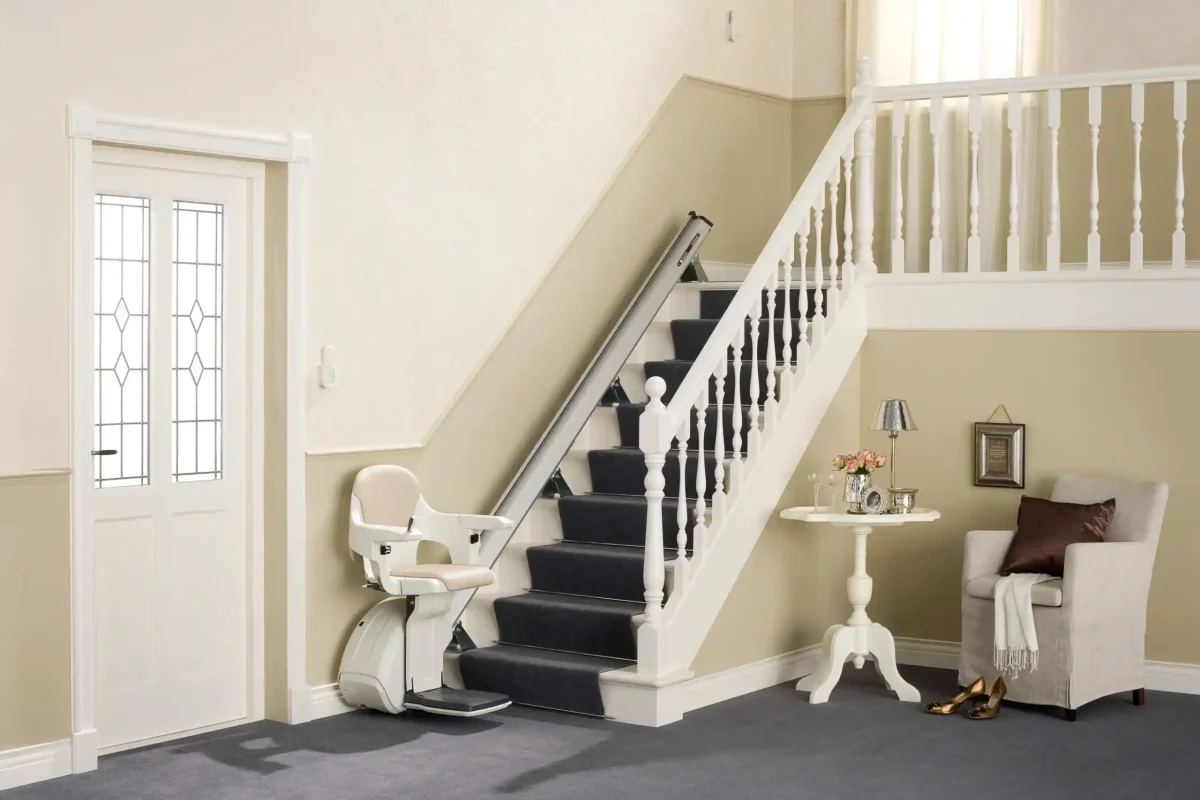
Bruno Elite Straight Stairlift

Many people underestimate the complexities involved in installing a stair lift. It’s not just about setting it up; professional installation guarantees safety and compliance with regulations. If considering a stair lift, it’s crucial to understand why tackling this project alone isn’t the best idea. DIY installation holds significant risks concerning safety, warranty coverage, and overall functionality. This article dives deep into why professional installation is essential, covering everything from costs and benefits to maintenance and common questions.

Key Takeaways

  • Professional installation ensures safety and compliance with necessary standards, reducing accident risks.

  • Expert installers guarantee proper functionality and smooth operation, which may be challenging for DIY attempts.

  • Warranties are typically preserved with professional installation, while DIY setups risk voiding them.

  • Professionals assess unique staircase designs, ensuring proper fit and tailored solutions.

  • DIY may save labor costs upfront but carries risks of damage, longer installation times, and safety hazards.

Understanding Stair Lift Installation Requirements

Before installing a stair lift, it’s vital to understand the requirements involved.

Staircase Layout and Measurements

Every staircase is unique. Accurate measurement of width, height, and angle is necessary to guarantee a proper fit for your stair lift. Stair lifts come in various types for straight, curved, or even outdoor stairs. Factors such as turns, landings, and custom rail tracks demand specialized knowledge beyond simple installation.

Weight Capacity and User Needs

Not all stair lifts are designed equally. Ensuring your lift accommodates the user’s weight and mobility requirements is critical. Professionals help select models with appropriate safety features such as seat belts, footrests, swivel seats, and tilt adjustments.

Power Supply Considerations

Stair lifts require a power source, usually a standard electrical outlet. Professional installers evaluate your home’s power availability and safely wire the lift, often involving electricians to ensure compliance and prevent fire hazards.

Safety Features Check

Safety devices like emergency stop buttons, backup batteries, obstacle sensors, and locking mechanisms are standard in modern stair lifts. Professionals ensure these are correctly installed and functional, providing peace of mind for users and families.

Benefits of Professional Installation

Choosing professional installation guarantees that safety is the top priority.

Safety Assurance

Professional installers adhere to strict safety standards and regulations that ensure the stair lift is secure and reliable. Untrained DIY attempts risk overlooking critical installation details that could lead to accidents or lift failures.

Here is a comparison table illustrating the difference between DIY and professional installation:

Aspect DIY Installation Professional Installation
Safety Standards Often overlooked Strictly adhered to
Installation Time Longer, trial and error Efficient and timely
Experience Limited Extensive
Warranty Coverage May be voided Typically preserved
Long-term Reliability Uncertain High

Professionals bring years of experience, identifying potential hazards on-site before they become problems, thus safeguarding users.

Proper Functionality Guarantee

Professional installation ensures the stair lift operates smoothly. Installers optimize placement, calibrate controls for specific needs, and thoroughly inspect the system for defects. This attention to detail prevents operational issues and enhances user comfort.

Three key benefits of professional installation include:

  1. Optimization: Proper positioning maximizes usability and safety.

  2. Calibration: Fine-tuning settings tailored for individual users reduces mechanical stress.

  3. Troubleshooting: Experts quickly resolve any installation challenges for smooth operation.

Time and Cost Efficiency

Professionals install stair lifts efficiently, often within a few hours for straight staircases, saving weeks or months of potential delays from DIY assumptions. Their expertise minimizes costly mistakes, which can lead to expensive repairs or replacements in the future.

You gain not only a functional stair lift faster but also reduce the risk of future maintenance costs.

Risks of DIY Installation

While installing a stair lift yourself might seem cost-effective, the risks generally outweigh any savings.

Safety Hazards

Incorrect installation creates serious risks such as falls, jams, or mechanical malfunctions. These can lead to injuries or even life-threatening accidents, especially when users have limited mobility.

Equipment Damage

Without proper handling, delicate parts like motor drives, gear racks, and electrical components can be damaged, necessitating expensive repairs or replacements.

Warranties and Support Void

Most stair lift manufacturers explicitly require professional installation to maintain warranty coverage. Self-installation often voids warranties, leaving homeowners responsible for repair costs, technical support, or future upgrades.

Complexity and Technical Knowledge

Installing a stair lift is more than mounting rails and seats. It requires electrical knowledge, structural awareness, and precision alignment — skills that untrained individuals typically lack.

Costs Associated With Professional vs. DIY Installation

Understanding the financial implications helps make an informed choice between professional and DIY installation.

Professional Installation Expenses

Hiring specialists typically costs between €300 to €1,000, varying with stair complexity. Additional expenses might include:

  • Consultation Fees: Experts visit to assess home suitability, usually €100–€200.

  • Modifications: Stair repairs or custom rail work add to the total.

  • Electrical Work: An electrician might be needed for wiring.

Though upfront costs are higher, professional installation often leads to better long-term value by preventing costly mistakes or accidents.

DIY Cost Savings

DIY installation can save the labor charges but comes with significant drawbacks:

  • Risk of faulty installation with safety consequences.

  • Possible voiding of warranties.

  • Longer project duration and frustration without proper tools or expertise.

If budget constraints are high, exploring stair lift grants available in Ireland, such as the Mobility Aids Grant, may help offset costs.

Choosing the Right Professional Installer

Selecting the right installer ensures a safe and smooth stair lift experience.

Experience and Track Record

Choose an installer with proven expertise in stair lift installations for diverse stair types, especially curved or outdoor staircases.

Certifications and Qualifications

Verify that the installer holds industry certifications and complies with health and safety regulations.

Customer Reviews and Recommendations

Reading reviews from past clients helps confirm trustworthy service and quality workmanship.

Maintenance and Support After Installation

Proper maintenance is key to extending the life and reliability of your stair lift.

Regular Cleaning

Dust, hair, and debris can accumulate on rails and gears, causing noise and mechanical issues. Weekly cleaning with a soft, damp cloth and mild soap keeps the system smooth.

Battery Care

Most stair lifts operate on rechargeable batteries. Keep the lift plugged in when not in use to maintain charge, and replace batteries as recommended by manufacturers.

Track Inspection

Regularly check for obstructions on the track that may cause jerky movements or damage.

Annual Professional Servicing

Schedule yearly inspections and servicing with your installer to catch and fix minor issues before they escalate.

Frequently Asked Questions

Can I Install a Stair Lift on Curved Stairs?

Yes, but curved stair lifts require custom tracks and precise measurements, making professional installation essential to ensure safety and proper fit.

What Types of Stair Lifts Are Available for Outdoor Use?

Outdoor stair lifts come in straight and curved models designed with weather-resistant materials to withstand various climates. They provide safe access to porches, decks, and other outdoor areas.

How Long Does a Stair Lift Installation Typically Take?

A professional install usually takes between two to four hours for straight stair lifts; curved lifts may need additional time due to custom rail fabrication.

Are Stair Lifts Covered by Insurance or Medicare?

Most insurance plans and Medicare do not cover stair lifts. However, in Ireland, homeowners may qualify for government grants like the Mobility Aids Grant to help with costs.

Can I Move My Stair Lift to a New Home?

Yes, but it must be professionally uninstalled and reinstalled to ensure continued safety and functionality.

Conclusion

Choosing professional installation for your stair lift guarantees safety, reliability, and peace of mind. By entrusting experts, you avoid costly errors, preserve warranties, and ensure your stair lift is tailored perfectly to your home. Installing a stair lift is a significant step toward enjoying greater independence and mobility. Whether navigating complex staircases or ensuring all safety features align, professional installation is the smart, secure path forward.

Ready to enhance your home with a professionally installed stair lift? Contact Irish Stairlifts today to schedule your free consultation and take the first step toward safer, easier stair navigation.

Explore more about stair lift options and find trusted installation services at irishstairlifts.ie.

Categories Stairlifts & Home Lifts

Benefits of Stairlifts With Battery Backup in Ireland

Ultimate Curved Stairlift

Many people underestimate the complexities involved in installing a stair lift. It’s far more than just setting it up; professional installation guarantees safety, compliance with regulations, and long-term functionality. If considering a stair lift, understanding why tackling this project alone isn’t the best idea is crucial. DIY installation holds significant risks concerning safety, warranty coverage, and overall reliability. This article dives deep into why professional installation is essential, covering everything from costs and benefits to maintenance, safety, and frequently asked questions.

Key Takeaways

  • Professional installation ensures safety and compliance with strict standards, significantly reducing accident risks.

  • Expert installers guarantee proper functionality and smooth operation, which may be challenging or impossible with DIY attempts.

  • Warranties are typically preserved with professional installation, while DIY setups risk voiding them completely.

  • Professionals assess unique staircase designs, ensuring the stair lift fits perfectly and offers tailored solutions for specific user needs.

  • DIY installation may save on initial labour costs but comes with the potential for damage, longer installation times, and serious safety hazards.

Understanding Stair Lift Installation Requirements

Before installing a stair lift, it’s essential to understand the technical and practical requirements involved to ensure a successful, safe setup.

Staircase Layout and Precise Measurements

Every staircase is unique in terms of width, height, number of steps, turns, and landings. Accurate measurement of these dimensions is necessary to guarantee a proper fit for the stair lift. Stair lifts come in various types designed for:

  • Straight staircases

  • Curved staircases with bends or intermediate landings

  • Outdoor stairs exposed to weather elements

Factors like turns, spiral designs, narrow widths, or multi-landing stairs demand custom rail tracks and installation expertise beyond a basic DIY approach.

For example, a curved staircase requires a rail precisely engineered to follow the curve with minimal gaps or bumps, ensuring a smooth ride. An unprofessional installation could result in jerky, unsafe operation or rail conflicts with stair handrails or walls.

Weight Capacity and Individual User Needs

Not all stair lifts are created equal regarding weight limits, seat size, and user mobility considerations. Selecting a model that accommodates the user’s weight safely is critical to prevent mechanical strain or breakdown.

Professional installers take into account:

  • Weight capacity requirements, often ranging from 250 to 400 pounds or more.

  • Special safety features like seat belts, adjustable footrests, swivel seats for easier dismounting, and tilt adjustments suitable for users with limited mobility or arthritis.

An experienced installer will recommend the stair lift offering the best comfort and ergonomic safety features tailored to the user’s lifestyle.

Power Supply and Electrical Safety

A stair lift requires a power source, usually a standard electrical outlet located near the stairwell’s base or top. Professional installers evaluate the home’s existing electrical setup and may coordinate with certified electricians to:

  • Ensure correct wiring meets Irish electrical safety regulations.

  • Safely install battery backup systems for operation during power outages.

  • Prevent fire hazards associated with improper electrical connections.

Such electrical expertise is vital for longevity and safety, as DIY electrical work poses serious risks.

Safety Devices and Features

Modern stair lifts incorporate multiple safety devices, such as:

  • Emergency stop buttons

  • Backup batteries for power cuts

  • Obstacle sensors that stop the lift if objects are detected on the stairs

  • Seat and armrest locking mechanisms

Professionals ensure these features are correctly installed, tested, and fully functional, providing peace of mind for users and their families.

Benefits of Professional Stair Lift Installation

Choosing professional installation guarantees that safety is the top priority from start to finish.

Safety Assurance

Professional stair lift installers adhere to strict safety standards and regulations to ensure the lift is securely mounted and reliable. Untrained DIY attempts risk overlooking critical installation details that could lead to accidents or lift failures.

Here’s a comparison chart illustrating the differences between DIY and professional installation:

Aspect DIY Installation Professional Installation
Safety Standards Often overlooked Strictly adhered to
Installation Time Longer, trial and error Efficient and timely
Experience Limited Extensive
Warranty Coverage May be voided Typically preserved
Long-term Reliability Uncertain High

Professionals bring years of installation experience and can identify potential hazards during site assessment, safeguarding users against hidden dangers.

Proper Functionality Guarantee

Professional installation ensures the stair lift operates smoothly and as intended. Installers optimize the lift’s placement for user comfort and safety, calibrate controls specific to individual needs, and conduct thorough inspections to detect any defects.

Three key benefits of professional installation include:

  • Optimization: Proper positioning maximizes usability and safety by ensuring enough clearance and easy access.

  • Calibration: Tailored fine-tuning of settings for speed, seat rotation, and sensors reduces mechanical stress.

  • Troubleshooting: Experts quickly resolve any installation challenges, preventing future malfunctions.

Time and Cost Efficiency

While it might seem cost-effective to install a stair lift yourself, professional installers can complete the job efficiently—often within a few hours for straight staircases—saving what could otherwise be weeks or months of trial, error, and frustration.

Their knowledge also minimizes costly mistakes that might require repairs or replacements, resulting in better long-term value and reliability.

Risks of DIY Stair Lift Installation

Despite tempting upfront savings, installing a stair lift yourself has considerable downsides:

Safety Hazards

Incorrect installation can cause dangerous falls, jams, or mechanical failures. Users with mobility limitations are especially vulnerable, and accidents can lead to severe injuries or even life-threatening situations.

Equipment Damage

Delicate components such as motors, gear racks, sensors, and electrical wiring can be damaged by improper handling, leading to costly repairs or the need to replace the entire unit.

Voiding Warranties and Technical Support

Most major stair lift manufacturers require professional installation for warranty coverage. DIY installation can void these protections, leaving homeowners responsible for repair costs and without manufacturer technical support or upgrade options.

Complexity Beyond Basic Assembly

Installing a stair lift involves more than mounting rails and seats. It requires electrical knowledge, structural awareness to ensure the staircase can support the lift, and precision alignment to guarantee smooth and safe operation.

Costs Associated With Professional vs. DIY Installation

Understanding the financial implications helps consumers make informed decisions.

Professional Installation Expenses

Hiring certified installers typically costs between €300 and €1,000, depending on staircase complexity and additional work like:

  • Home consultations and surveys (€100–€200)

  • Modifications or repairs to stairs

  • Electrical work by qualified electricians

Although upfront costs are higher, professional installation often leads to better value by preventing accidents and expensive repairs later.

DIY Cost Savings and Drawbacks

While DIY installation saves labour fees, the risks include:

  • Faulty installation with safety consequences

  • Voided warranties

  • Longer project durations and potential frustration from lack of proper tools and skills

If budget is a concern, Irish residents may be eligible for government grants to assist with stair lift costs. For example, the Mobility Aids Grant is available. Check out our comprehensive guide on How Can I Apply for a Stairlift Grant in Ireland?

Choosing the Right Professional Installer

Selecting a reputable installer is critical for a safe and efficient stair lift experience.

Experience and Track Record

Look for installers with proven expertise across various stair types, particularly curved or outdoor staircases, which require specific skills.

Certifications and Qualifications

Confirm installers hold industry certifications, comply with health and safety regulations, and have qualified electricians on their team.

Customer Reviews and Recommendations

Checking reviews helps gauge trustworthy service and quality workmanship.

Maintenance and Support After Installation

Proper maintenance extends stair lift life and reliability.

Regular Cleaning

Dust, hair, and debris can accumulate on rails and gears, causing noise and mechanical problems. Weekly cleaning with a soft, damp cloth and mild soap ensures smooth operation.

Battery Care

Many stair lifts operate on rechargeable batteries. Keep the lift plugged in when not in use to maintain battery charge, and replace batteries per the manufacturer’s recommendations.

Track Inspection

Regularly inspect the track for obstructions that could cause jerky movement or damage.

Annual Professional Servicing

Schedule yearly inspections and servicing with your installer to catch minor issues early, preventing costly repairs.

Frequently Asked Questions

Can I Install a Stair Lift on Curved Stairs?

Yes, curved stair lifts require custom tracks and precise measurements. Professional installation is essential for safety and proper fit.

What Types of Stair Lifts Are Available for Outdoor Use?

Outdoor stair lifts come in straight and curved models, made from weather-resistant materials to withstand rain, sun, and cold. They provide safe access to porches, patios, and garden steps.

How Long Does a Stair Lift Installation Usually Take?

Professional installation for straight stair lifts typically takes 2 to 4 hours. Curved stair lifts need additional time due to custom rail fabrication.

Are Stair Lifts Covered by Insurance or Medicare?

Most insurance plans and Medicare do not cover stair lift costs. However, in Ireland, government grants (e.g., Mobility Aids Grant) can help offset expenses.

Can I Move My Stair Lift to a New Home?

Yes, but it must be professionally uninstalled and reinstalled to maintain safety and functionality.

Conclusion

Choosing professional stair lift installation guarantees safety, reliability, and peace of mind. By entrusting experts, costly errors are avoided, warranties are preserved, and the stair lift is perfectly tailored to your home and mobility needs. Installing a stair lift is a significant step toward greater independence, dignity, and ease of movement. Whether navigating complex staircases or ensuring all safety features function flawlessly, professional installation is the smart, secure path forward.

Ready to enhance your home with a professionally installed stair lift? Contact Irish Stairlifts today to schedule your free consultation and take the first step toward safer, easier stair navigation.

Explore more about stair lift options and find trusted installation services at irishstairlifts.ie.

Categories Stairlifts & Home Lifts

Curved Stairlift Prices in Ireland: What Affects the Cost?

Ergo Curve Stairlift Dublin

Curved stairlift prices in Ireland depend on a variety of factors that together shape the final cost. Often, these factors are overlooked until the buying process begins, but understanding them upfront can empower buyers to make the best investment for their mobility needs. Key elements such as staircase designcustomization choicesinstallation complexity, and ongoing maintenance all influence pricing. This comprehensive guide explores these variables in detail, highlighting what influences curved stairlift costs and how to optimise your purchase through informed decisions.

Key Takeaways

  • The complexity of the staircase design significantly influences installation and manufacturing costs.

  • Customization options like seat style, colour, and safety features can affect pricing.

  • Stairlift mechanism types—rack and pinion vs cable-driven—impact performance and price.

  • Installation expertise, labor, and any necessary home modifications contribute to the overall cost.

  • Long-term maintenance and service agreements affect lifetime investment costs.

  • Regional cost differences and financing options can make stairlift ownership more accessible in Ireland.

Understanding Staircase Design

One of the biggest factors affecting the price of curved stairlifts is the actual design and layout of the staircase itself. Curved staircases vary widely in shape, number of bends, landings, and the presence of features like narrow widths or steep angles, all of which necessitate custom rail manufacturing.

Dimensions and Complexity

When installers measure your staircase, they consider the width, rise, run, and curvature. The tighter the bend radius or the more complex the turns, the more intricate the rail has to be. For example, a staircase with multiple 90-degree turns will be considerably more expensive to fit than a single smooth curve.

Curved stairlift rails are custom-built to your staircase’s exact specifications to ensure smooth operation and safety. This level of bespoke manufacturing leads to higher costs. Typical budget ranges in Ireland generally start around €4,000 for simpler reconditioned curved stairlifts and can reach €10,000 or more for complex new installations with multiple turns and landings.

Integration with Home Design

In addition to physical measurements, how a stairlift fits aesthetically and spatially within your home is important. A curved stairlift should not only provide a safe riding path but also blend seamlessly with your home décor and layout. This is why some buyers opt for stairlifts that offer flexibility in installation position and travel direction, such as the Ultimate Curved Stairlift with its adjustable travel and compact rail design for tight spaces [link to Ultimate Curved Stairlift page].

Safety and Usability

Understanding how all household members—including visitors—will interact with the staircase further influences design. Ensuring ample space for other users to climb stairs comfortably alongside the stairlift is critical. Safety features, such as sensors and automatic stops, need to integrate well with the staircase shape and environment to avoid mishaps.

Customization Options Available

Curved stairlifts in Ireland come with a rich variety of customization options, allowing users to tailor their lift based on comfort, style preferences, and functional needs. These custom options directly affect the price but significantly enhance user satisfaction.

Feature Description Benefits
Seat Style Different designs, fabrics, and padding Enhanced comfort and aesthetics
Colour Options Wide palette for rails and seats Coordinated home décor
Safety Features Seat belts, footrests, obstruction sensors Increased security and peace of mind
Control Type Joystick, toggle switch, remote controls Easier, user-friendly operation
Accessories Folding arms, swivel seats Improved convenience and space-saving

For example, upgrading to a high-quality padded seat or including a power-swivel seat can add hundreds to your price, but these features improve ease of use, particularly for those with limited mobility. Interchangeable arm controls and adjustable seats, like those on the Ultimate Curved Stairlift, allow better fit and comfort tailored to individual user body types.

Installation Costs and Considerations

Installation of curved stairlifts involves specialized skills, making it a critical factor in total pricing. The intricacy of your staircase directly affects how long the installation takes and how much labour is required.

Complexity and Labour

More complex curves and turns demand precise measurements and custom rail welding or bending. This process can take up to half a day or longer depending on complexity. A professional and experienced installation team will ensure your safety and stairlift reliability, but their costs tend to reflect this expertise.

Home Modifications

Sometimes subtle home modifications are needed, such as minor electrical upgrades to power the stairlift or structural adjustments to the staircase or walls. These costs should be anticipated when budgeting.

Choosing Reputable Installers

Opting for well-established companies with good reviews and proper certifications often means slightly higher upfront costs, but better long-term reliability and service. For example, Irish Stairlifts prides itself on nationwide installation expertise and extensive aftercare, offering peace of mind throughout your stairlift journey.

Types of Stairlift Mechanism

The mechanism powering your curved stairlift impacts both cost and performance. Knowing the options helps you choose what suits your home and mobility requirements.

  • Rack and Pinion: The most common mechanism, providing steady and reliable movement on curves by using a toothed gear rack. Well-suited for tight bends but often pricier due to custom fabrication needs.

  • Cable-Driven Systems: Use cables and pulleys for quieter operation and softer rides but can be less suitable for very complex curved rails.

  • Battery Backup: Vital for uninterrupted access during power outages, battery-powered systems ensure safety and mobility without interruption.

The selection often balances cost, reliability, and smoothness of ride. Discuss these options with your supplier and installer to find the right fit for your home situation.

Brand Reputation and Warranty

Investing in a curved stairlift is a long-term commitment. Therefore, choosing a reputable brand with strong warranty coverage is essential for lasting satisfaction.

Trusted Brands

Irish homeowners often consider brands with proven records in safety, durability, and customer service, such as Stannah, Acorn, Platinum, and the homegrown Ultimate Curved Stairlift. These brands frequently feature on lists of Ireland’s top stairlift suppliers and come with tailored service support and parts availability.

Warranty Coverage

A solid warranty covers both parts and labour for a reasonable period, typically at least 1 to 2 years, sometimes extendable. This guards against unexpected repair costs and offers free servicing for a defined time. For example, some suppliers provide one-year standard warranties that can be extended, enhancing protection.

Additional Features and Accessories

Beyond the core stairlift, many additional features improve the overall experience and convenience, often adding to the cost but enhancing usability and safety.

  • Remote Controls: Convenient for calling the stairlift when not nearby.

  • Swivel Seats: Enables safe, easier transition on and off, especially on curved staircases.

  • Safety Sensors: Automatically halt stairlift movement if obstacles are detected on stairs.

  • Foldable Footrests and Arms: Save space when stairlift is idle, important for narrow staircases.

Tailoring these features to your needs creates an inclusive solution that feels fully integrated into your home lifestyle.

Maintenance and Service Plans

Regular maintenance is vital to sustain the safety and functionality of your stairlift over its lifespan, typically 10 to 15 years with proper care.

Routine Servicing

Scheduled inspections, lubrication, and component checks prevent breakdowns and extend operational life. Service plans offered by many suppliers cover annual maintenance and faster emergency repairs.

Local Support

Choosing a supplier with national service coverage ensures timely support and fosters a sense of belonging within a community that values accessibility and safety. For instance, Irish Stairlifts offers comprehensive nationwide maintenance services.

Regional Pricing Variations

Prices of curved stairlifts can vary across Ireland influenced by factors including demand and logistics.

  • Urban vs Rural: Urban areas tend to have higher labour and demand-driven costs, whereas rural installations may face challenges with transportation but sometimes come with slightly reduced labour costs.

  • Supplier Pricing: Costs differ between providers based on service levels, warranty, and brand exclusivity.

  • Seasonal Offers: Some suppliers run promotions or offer seasonal discounts that can lower costs.

Knowing these factors helps negotiate better deals or plan purchases around cost-effective periods.

Financing and Payment Options

Curved stairlifts are a significant investment, but various financing avenues and payment plans are available in Ireland to ease affordability.

Flexible Payment Plans

Many providers offer instalment plans tailored to monthly budgets or rent-to-own schemes, reducing upfront barriers. Some lenders also provide 0% interest financing for set periods.

Grants and Assistance

In Ireland, the HSE and local authorities administer grants, often means-tested, to support stairlift purchases in cases of mobility disability. Additionally, VAT paid is often reclaimable, helping reduce costs significantly.

Insurance Coverage

Some health insurance policies include coverage or partial reimbursement for mobility aids like stairlifts. Check individual policy terms and prepare medical documentation for claims.

Frequently Asked Questions

How Does Stairlift Pricing Compare to Home Modifications?

Curved stairlifts offer a quicker, less disruptive, and usually more affordable alternative to extensive structural home modifications that may involve stair removals or elevator installation.

Are There Tax Deductions for Stairlift Purchases in Ireland?

Yes, home adaptation grants and VAT reclaim schemes exist to reduce your net cost, depending on eligibility and income.

What Is the Average Lifespan of a Curved Stairlift?

With regular servicing, expect 10 to 15 years of reliable service before major replacement is needed.

Can I Rent a Curved Stairlift Instead of Buying?

Yes, rental options provide temporary, flexible solutions without full purchase commitment, ideal for short-term needs.

How Do I Choose the Right Stairlift for My Needs?

Consider staircase design, your physical requirements, space limitations, and desired features. Consult professionals for custom advice and free quotes.

Conclusion

Understanding what affects curved stairlift prices in Ireland helps you navigate your options confidently and ensures you invest wisely in your mobility and independence. By carefully considering staircase complexity, customization preferences, installation expertise, and maintenance, you can select a stairlift tailored to your home and lifestyle. Explore financing options and available grants to make this essential home adaptation affordable. With the right knowledge and trusted suppliers like Irish Stairlifts, taking the next step towards improved accessibility has never been easier.

Ready to enhance your home’s accessibility with a curved stairlift? Contact Irish Stairlifts today to request a free, no-obligation quote and expert advice tailored to your needs. Your comfort and independence are our priority.

Explore more about stairlift options in Ireland on our Stairlifts Overview page.

Categories Grants & Funding, Stairlifts & Home Lifts

How Can I Apply for a Stairlift Grant in Ireland?

woman sitting on the Ergo Straight Stairlift seat rental

Many people in Ireland are not aware that financial assistance for stairlifts is available, which can significantly ease the burden of mobility challenges. If you or a loved one struggles with navigating stairs, understanding how to apply for a stairlift grant can make a meaningful difference in improving quality of life and maintaining independence. This guide provides a comprehensive overview of what you need to know about eligibility, documentation, types of grants, the application process, and tips to increase the success of your application.

Key Takeaways

  • Confirm your eligibility by verifying age, residency, and mobility issues with documentation from a healthcare professional.

  • Gather necessary documents such as proof of identity, income evidence, medical reports, and a quote from a qualified stairlift installer.

  • Choose the appropriate grant program, like the Housing Adaptation Grant or local authority grants, tailored to your specific needs.

  • Complete the application form accurately and submit it by the deadline through your preferred method: online, email, or post.

  • Follow up with the relevant authorities to confirm receipt and address any questions or missing documents.

Understanding Stairlift Grants in Ireland

Stairlift grants in Ireland provide essential financial support to individuals facing mobility difficulties within their homes. Given that stairs can be a significant obstacle for older adults or people with disabilities, these grants aim to help you stay safe, independent, and comfortable in your living environment.

By receiving assistance in funding a stairlift, you avoid the costly expense of purchasing and installing one independently. The Housing Adaptation Grant for People with a Disability and other local authority grants often cover a substantial portion—and sometimes even the full cost—of a new stairlift installation.

The application process is designed to be approachable and transparent. Many applicants have successfully accessed funding by following the right steps and submitting comprehensive documentation, so it’s very possible to get support on your stairlift journey.

Eligibility Criteria for Stairlift Grants

To qualify for stairlift grants in Ireland, you must meet specific eligibility criteria determined by local authorities and government schemes. These include:

  • Residency and Age: You must be a resident of Ireland. Age criteria often apply, typically requiring applicants to be over 65 years old, although people with a permanent disability and mobility challenges of any age may also qualify.

  • Mobility Needs: You must provide medical documentation confirming your need for a stairlift. This usually involves a certificate or letter from a healthcare professional or an occupational therapist (OT) assessment.

  • Financial Means Testing: Many grants are means-tested, meaning your household income must fall below a specific threshold (for example, gross income under €60,000, with exact limits varying by scheme).

  • Homeownership or Tenancy: You often need to own your home or have permission from your landlord to install a stairlift. Tenants should obtain written consent to ensure the installation is allowable.

  • Supporting Documentation: Prepare to provide proof of income, proof of identity, medical evidence, and a professional quote for the stairlift installation.

Meeting these criteria will enhance your chances of securing funding and connect you to valuable support networks.

Types of Grants Available for Stairlifts

There are several grant options available in Ireland that can help offset the cost of a stairlift. These grants usually come from government programs and nonprofit organizations.

Government Assistance Programs

The Irish government offers multiple grants to help make homes accessible and safe for people with disabilities or age-related mobility issues. The main government grants for stairlifts include:

  1. Housing Adaptation Grant for People with a Disability: This grant covers home modifications including stairlifts, bathroom adaptations, ramps, walk-in showers, and grab rails. It is means-tested and can provide up to €40,000 for extensive adaptations.

  2. Mobility Aids Grant Scheme: Aimed at people with disabilities earning under certain income limits, this grant helps fund stairlifts, through-floor lifts, and other accessibility equipment, with typical funding up to €8,000.

  3. Older People’s Grant: For those over 66 years old, this grant supports safety improvements like grab rails and minor stairlift installations, usually with lower funding amounts but easier eligibility.

Local county councils administer these grants, so the application process and availability may slightly vary by region. It’s wise to contact your local authority and inquire about the specific grants and application forms they handle.

Nonprofit Organization Support

In addition to government grants, several nonprofit organizations provide financial support or equipment grants for individuals who need stairlifts but do not qualify for, or require extra assistance beyond, government funding:

Nonprofit Organization Type of Grant
Age Action Equipment Grants
Irish Wheelchair Association Financial Assistance
Brothers of Charity Home Adaptation Grants
 

These charitable organizations understand the importance of independence and mobility and often offer grants or subsidized equipment. They can be a vital resource for those facing urgent mobility needs or gaps in funding.

Preparing Your Application

Proper preparation is key to a successful grant application. Here’s a detailed look at the preparation stages before submitting your stairlift grant request.

Eligibility Requirements Overview

Understanding eligibility ensures you focus on grants suited to your situation and avoid wasting time on inapplicable schemes. To recap:

  • Age: Most stairlift grants require applicants to be over 65 years or have a qualified disability.

  • Income: Means-tests are common, so gather recent evidence of your household income.

  • Medical Need: Evidence from a doctor or an occupational therapist confirming your mobility challenges and the consequent need for a stairlift.

  • Tenure: Homeowners typically have easier access, but renters must prove landlord permission.

Checking these criteria early with your local council or grant advisor can save time and uncertainty.

Necessary Documentation Checklist

A smooth application depends on compiling all correct documents:

  • Government-issued ID (passport, driver’s license).

  • Proof of residency in Ireland (e.g., utility bills, tenancy agreement).

  • Proof of income (recent payslips, P60, social welfare statements).

  • Medical evidence from your doctor or OT assessment confirming mobility difficulties.

  • A professional, detailed quote from a stairlift supplier specifying the cost and installation details.

  • If renting, a letter of approval from the landlord.

  • Any previous correspondence with grant providers or related agencies.

Organizing these documents meticulously will set you up for a seamless review process.

Application Process Steps

Follow these steps to complete your stairlift grant application effectively:

  1. Gather Your Documentation: Collect everything needed to prove eligibility and support your case.

  2. Fill Out the Application Form: Download the specific form from your local council or government website. Answer each question clearly and honestly.

  3. Submit Your Application by the Deadline: Submit via online portals, by email, or post as per council preference. Retain copies of the submitted forms and documents.

  4. Follow Up: After submission, confirm receipt and keep in touch with the council or grant office for queries or additional information requests.

Detailed Required Documentation for Grant Applications

Your application must include these core documents:

  • Proof of Income: Payslips, tax returns, or social welfare statements for all household members.

  • Medical Reports: A certificate or letter from your general practitioner or an occupational therapist detailing your mobility challenges and the necessity of a stairlift.

  • Home Details: A recent layout plan or survey of your home showing the staircase, to support the adaptation needs.

  • Identification: Official photo ID to verify your identity and residency.

  • Quotes: Detailed cost estimates from stairlift suppliers who meet grant provider standards.

  • Landlord Consent (if renting): Written approval for installation.

Completing this thorough documentation package improves your application’s chances and expedites processing.

How to Submit Your Application

After assembling your documents and confirming eligibility, you are ready to submit:

Eligibility Criteria Overview for Submission

To reiterate, your application must demonstrate:

  • You meet age or disability requirements.

  • Your income qualifies within the threshold.

  • Medical evidence validates your need for a stairlift.

  • Property ownership or landlord consent is secured.

  • Complete and accurate documentation is included.

Application Submission Process

You can submit your application in several ways:

  • Online Submission: Many local authorities offer online portals for grant applications.

  • Email: Some councils accept scanned application forms and documents via email.

  • Postal Mail: Traditional submission by post is often accepted; send by registered mail for security.

Always retain copies of your application, proof of postage, or submission confirmation. Following up with the council ensures your application is received and progressing.

Timeline for Grant Approval

Grant approval timelines vary by council and application volume. Generally, expect:

  • Initial review and validation: 4 to 8 weeks.

  • Additional assessments (such as OT visits): Possible additional 2 to 4 weeks.

  • Final decision and notification: Up to 3 months after submission.

Delays can happen, so maintain communication with your grant officer to address any requests for further documentation or clarifications promptly.

Tips for a Successful Application

Maximise your chances of receiving a stairlift grant by following these tips:

  1. Be Thorough: Include every required document, especially medical and financial evidence.

  2. Stay Organized: Submit neatly prepared applications with clear labels and a cover letter explaining your request.

  3. Follow Guidelines Precisely: Stick to instructions on forms and documents to avoid unnecessary delays.

  4. Seek Expert Help: Contact organisations like Irish Stairlifts or Access Stairlifts for guidance on the application steps and documentation.

Additional Resources and Support

Beyond government grants, find extra help through:

  • Local Charities and Community Groups: They offer guidance and sometimes additional grants.

  • Online Forums and Social Media Groups: Connect with others who have experience with stairlift grants.

  • Health Services and Occupational Therapists: They can support your application with professional assessments.

These resources provide not only practical advice but also emotional support through your mobility journey.

What to Do After Receiving a Grant

Once your stairlift grant application is approved:

  1. Choose a Reputable Installer: Research companies with experience in grant-funded stairlifts. Ask for recommendations and check certifications.

  2. Schedule Installation: Arrange a convenient time, ask about the timeline, and ensure all your questions are answered.

  3. Maintain Communication: Keep in touch with the installer for maintenance and warranty queries to keep your stairlift in optimal condition.

Proper installation and upkeep are critical to enjoying the full benefits of your stairlift.

Frequently Asked Questions

Can I Apply for More Than One Stairlift Grant?

Typically, you cannot hold multiple stairlift grants simultaneously for the same property. Focus on the grant that best fits your needs and leasing options.

Are There Age Restrictions for Applicants?

Although grants often target those over 65, people with permanent disabilities or mobility issues of any age may qualify.

Can I Appeal if My Application Is Denied?

Yes, applicants can appeal a denial by submitting additional documentation or clarifications. It’s important to communicate with the grant provider.

How Often Can I Apply for a Stairlift Grant?

You can apply multiple times, but check the specific guidelines for each grant. Usually, grants are for one major adaptation per application cycle.

Do I Need to Hire a Contractor for Installation?

Yes, a qualified contractor must install the stairlift to meet safety standards and preserve any warranty.

Conclusion

Applying for a stairlift grant in Ireland is a powerful way to improve your mobility, independence, and safety at home. Nearly 90% of stairlift grant recipients report a significant increase in their quality of life after installation. By understanding eligibility, gathering the correct documentation, and following a clear application process, you can increase your chances of success and ensure your home becomes a more accessible place.

If you are ready to take the next step toward enhancing your home’s accessibility, contact Irish Stairlifts & Bathrooms or your local authority today for personalized guidance and a free, no-obligation quote. Don’t navigate this process alone — expert help is just a phone call or email away to support you every step of the way.


Explore related topics such as Home Adaptations and Grants, and Mobility Aids Available in Ireland for detailed information on improving home safety and independence.

Take action now to regain comfort and freedom in your home

Categories Stairlifts & Home Lifts

Can You Put a Stairlift on Any Stairs?

Flow X Stairlift Dublin

You might imagine a stair lift can fit on any staircase, but the reality is more nuanced. Whether or not a stair lift can be installed depends on several factors including the design, dimensions, and specific features of your stairs. Knowing these key elements helps you make informed decisions when considering stair lift installation, ensuring safety, comfort, and smooth usability. This expanded guide will explore everything you need to know about installing stair lifts, from different types and technical requirements to practical tips and safety considerations.


Key Takeaways

  • Stair lifts can be installed on both straight and curved staircases, but curved lifts require custom designs and more complex installation.

  • minimum staircase width of approximately 30 inches (commonly 28-32 inches recommended) is needed to comfortably accommodate most stair lifts.

  • Safe entry and exit require at least 6 inches of clearance space on each side of the lift.

  • The stair lift’s weight capacity must exceed the user’s weight to ensure safety, with options available for heavier users.

  • Professional installation is highly recommended to comply with safety standards, local building codes, and ensure optimal operation.


Understanding Stair Lift Basics

Stair lifts are vital mobility aids designed to help individuals navigate stairs safely and independently. For those with mobility challenges, stair lifts enable freedom of movement and provide access to all areas of a home without physical strain or risk of falls.

A stair lift consists of a track mounted to the staircase along which a motorized chair smoothly travels up and down. The seat typically features armrests, footrests, and safety belts for secure, comfortable rides. These devices are particularly beneficial for seniors, those with disabilities, or anyone recovering from injury.

Stair lifts come in various designs tailored to different types of staircases and user needs, from simple straight-tracks to complex curved rails. Choosing the right type depends on your home’s layout, staircase structure, and personal mobility requirements.

Embracing the right stair lift technology can significantly improve quality of life, maintaining independence within your living space while promoting safety and comfort.


Types of Stair Lifts

Several types of stair lifts are available to suit different staircase designs and mobility needs:

  1. Straight Stair Lifts: Designed for stairs without bends or curves. These are the most common and have a straightforward installation process suitable for standard staircases.

  2. Curved Stair Lifts: Custom-built to navigate staircases with curves, landings, or turns. These require precise measurements to create a tailored track that fits the staircase shape exactly.

  3. Standing Stair Lifts: Ideal for users who can stand securely but have difficulty climbing stairs. The lift includes a small platform for standing rather than a full seat.

  4. Outdoor Stair Lifts: Weatherproof models designed to withstand outdoor elements, suitable for accessing exterior stairs safely.

Choosing the right stair lift type will optimize your comfort, safety, and mobility, letting you navigate your home or property more freely.


Straight Stair Lifts: Practical and Cost-Effective

Straight stair lifts are designed specifically for straight or linear staircases without bends. They offer:

  • Ease of installation: Installation can usually be completed within a few hours with minimal home modification.

  • Affordability: Straight lifts are generally more affordable than curved models due to simpler design and manufacturing.

  • Space efficiency: These lifts typically require a minimum staircase width of about 28-30 inches and fold up compactly when not in use, freeing up space.

  • Reliability: They provide dependable, smooth rides suitable for most users who navigate straight staircases.

By installing a straight stair lift, many regain the independence to move safely between floors without assistance, significantly enhancing home accessibility and user confidence.


Curved Stair Lifts: Custom Solutions for Complex Stairs

Curved stair lifts require custom design and manufacturing to fit staircases with turns, L-shapes, U-shapes, or intermediate landings.

Custom Design Requirements

Installing a curved stair lift involves:

  • Accurate Measurements: Technicians measure stair width, curves, angles, and landing dimensions with precision to build a track that matches the staircase perfectly.

  • Curvature Radius: The rail must be bent precisely to the staircase’s unique curvature to ensure smooth and safe operation.

  • Material & Finish Choices: Options exist to select rail colors and seat upholstery to blend with interior décor.

  • Safety Integrations: Safety features like handrails, footrests, swivel seats, and sensors are integrated for user security.

The result is a tailor-made mobility aid that enhances accessibility while complementing a home’s aesthetic.

Installation Challenges

Compared to straight lifts, curved stair lifts present more complex installation challenges:

  • The rail system is bespoke, requiring specialized engineering and longer fabrication times.

  • Fitting tracks around tight corners or intermediate landings demands detailed planning.

  • Installation may take a full day or more, depending on staircase complexity.

  • Professional installers with experience in curved models are essential for safe and efficient setup.

Despite complexity and cost, a curved stair lift offers a life-changing solution for those with uniquely shaped staircases.


Outdoor Stair Lifts: Extending Accessibility Beyond the Home

Outdoor stair lifts are designed specifically for exterior use to help individuals safely navigate outdoor stairs such as front porches, garden steps, or cabin decks.

Key features include:

  • Weatherproof Construction: Materials resistant to rain, sun, snow, and temperature extremes, including UV-resistant coatings.

  • Ergonomic Design: Comfortable seats with weather-resistant cushions and easy-to-use controls.

  • Safety Features: Weatherproof emergency stops, lap belts, and sensors ensure secure operation outside.

  • Custom Options: Can be straight or curved, matching outdoor stair layouts.

Outdoor stair lifts restore access to the full property, enabling family members and guests of all mobility levels to enjoy outdoor areas without barriers.


Factors Affecting Stair Lift Installation

Several factors influence whether a stair lift can be installed and how effectively it will function:

  • Staircase Design: Straight stairs are the easiest and cheapest to fit; curved or spiral stairs often require custom lifts.

  • Weight Capacity: The lift must support the user’s weight with an appropriate safety margin.

  • Stair Height/Length: Longer or multiple flights may require more robust models or dual installations.

  • Electrical Source: Most stair lifts require a nearby power outlet; battery backups ensure use during outages.

  • Local Building Codes: Compliance with local safety and building regulations is essential, often requiring professional installation.

Careful evaluation and consultation with stair lift specialists ensure a safe, lasting installation tailored to your home.


Staircase Width Requirements

A crucial factor in stair lift installation is the width of the staircase:

  • Minimum Width: Most standard stair lifts require a minimum width of about 28 to 32 inches to fit comfortably alongside handrails.

  • Clearance Space: At least 6 inches clearance on each side of the lift is needed for safe boarding, disembarking, and passage by others.

  • Handrails: Fixed handrails reduce usable width and need to be considered in measurements.

  • Folded Chair Depth: When folded, seats typically take up 12 to 14 inches of width; this space should be accounted for to avoid obstruction.

Adequate width ensures the stair lift does not impede other users or become a tripping hazard.


Weight Capacity Considerations

Choosing a stair lift with the right weight capacity is vital for safety and durability:

Maximum Weight Limits

  • Standard stair lifts typically support users up to 300-350 pounds (~136-158 kg).

  • Heavy-duty versions can accommodate weights up to 400 pounds or more.

  • Some specialized platform lifts support even higher weight capacities for wheelchair users.

User Safety Standards

  • Always select a stair lift with a safety margin above the user’s weight.

  • Consider additional weight from mobility aids or carried objects.

  • Follow manufacturer guidelines and get professional advice to find a suitable model.

By respecting weight capacity limits, users avoid mechanical failures and ensure smooth operation.


Essential Stair Lift Safety Features

Safety is a top priority in stair lift design, with modern lifts incorporating multiple features:

  1. Safety Belt: Secures the user to prevent falls during transit.

  2. Obstacle Sensors: Detect objects or obstructions on stairs, stopping the lift automatically.

  3. Swivel Seat: Allows safe boarding and disembarking by turning the chair at landings.

  4. Emergency Stop Button: Instantly halts the lift in an emergency.

  5. Footrest Sensors: Detect feet slipping off and pause the lift to prevent injury.

  6. Speed Limiter: Prevents the lift from moving faster than safe speeds.

These comprehensive safety systems help users feel confident and secure.


Professional Installation vs. DIY

While some might consider DIY installation to save money, professional installation is highly advisable:

  • Professionals ensure compliance with safety standards and building regulations.

  • They provide precise measurements and customized fitting.

  • Installation experts perform testing and user training.

  • DIY errors can lead to safety risks, malfunction, and void warranties.

Opting for professional service ultimately protects your investment and safety.


Cost Considerations

Understanding the financial aspects is key to planning:

  • Straight Stair Lifts: Cost between approximately €2,000 to €5,000 new, with second-hand options around €1,300 plus VAT.

  • Curved Stair Lifts: Custom design increases cost to €5,000 to over €10,000 depending on complexity.

  • Installation fees vary from €500 to €2,000, based on staircase type and technician labor.

  • Annual maintenance costs average €100 to keep the lift in optimal condition.

  • Warranties and service contracts can reduce future repair expenses.

Evaluating total costs guides budget and financing decisions.


Alternative Mobility Solutions

Stair lifts are just one way to improve mobility. Other options include:

  • Ramps: Portable or permanent for wheelchair access.

  • Grab Bars: Installed by stairs and bathrooms for added support.

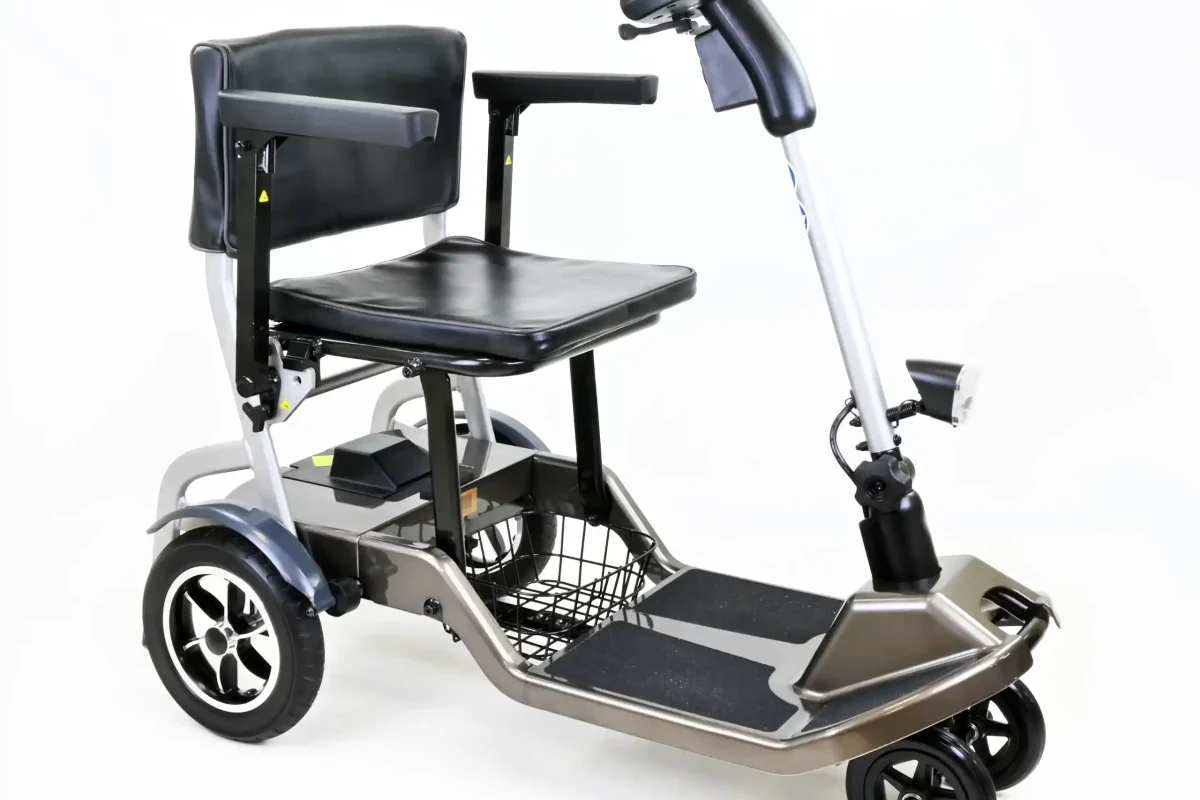
  • Mobility Scooters: Outdoor aids for independent travel.

  • Stair Climbers: Portable devices that carry users up stairs.

Combining solutions can create a comprehensive, safe, and accessible home environment.


Frequently Asked Questions

Can Stair Lifts Be Installed in Homes With Narrow Staircases?

Yes, stair lifts can often be installed in homes with narrow staircases, though options are limited and may cost more. Models designed for tight spaces can fit staircases as narrow as 27-28 inches, sometimes requiring fold-up seats and rails.

Are Stair Lifts Suitable for Spiral Staircases?

Typically not. Spiral staircases present unique challenges that stair lifts cannot easily overcome. Custom solutions or alternative mobility aids are recommended.

How Often Should Stair Lifts Be Serviced?

Regular servicing once a year is advised to maintain safety and performance. Routine checks prevent mechanical failure.

Can Stair Lifts Be Used During a Power Outage?

Most models include battery backups allowing operation during power failures for emergency mobility.

What Is the Average Lifespan of a Stair Lift?

With proper maintenance, stair lifts usually last between 7 to 10 years before major servicing or replacement may be needed.


Conclusion

Installing a stair lift isn’t a one-size-fits-all solution—it demands careful consideration of staircase design, dimensions, weight capacity, and safety features. Whether your stairs are straight or curved, ensuring enough clearance and selecting the right type are critical steps toward enhancing your mobility and independence at home.

Choosing a stair lift tailored to your needs can transform your living environment into a safe, accessible haven, enabling freedom of movement and peace of mind.

If a stair lift sounds like the right solution, don’t wait. Take the next step today by contacting a trusted stair lift professional to schedule an assessment and receive a free quote. Discover a personalized mobility solution that meets your unique needs and helps you enjoy your home to the fullest.

To explore more, visit our comprehensive guides on Stair Lift Installation and Choosing the Right Stair Lift to make an informed decision for your home.