Fraud Blocker
Categories Outdoor & Independence Solutions

How Do Battery Types Affect Mobility Scooter Usage

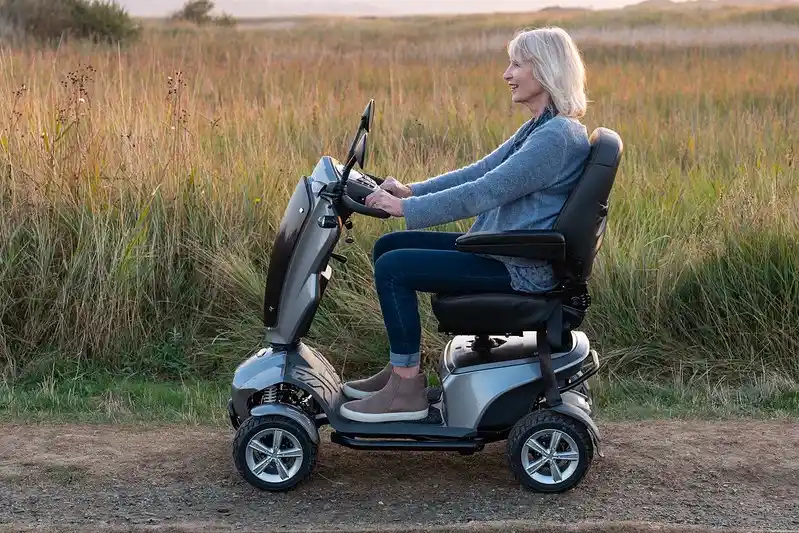
Mirage Mobility Scooter

Choosing the right battery for your mobility scooter is one of the most important decisions you will make as a scooter owner. From how far you can travel, to how quickly your scooter recharges, and even how easy it is to transport, the battery type directly impacts your daily independence across Ireland’s towns, cities, and rural roads.

With mobility scooters growing in popularity throughout Ireland, particularly for older adults and those with limited mobility, understanding battery technology is more crucial than ever. Whether you are navigating Cork’s bustling streets, enjoying a seaside stroll in Galway, or visiting family in rural Wicklow, the right battery ensures a seamless journey.

In this article, we will explore the different types of batteries used in mobility scooters, their pros and cons, and what Irish users should know before making a choice. We’ll also review maintenance tips, cost factors, environmental impact, and even look at future trends in battery technology.

Key Takeaways

  • Battery type directly impacts travel distance: Lithium-ion batteries typically offer longer ranges compared to traditional lead-acid options.

  • Weight matters for manoeuvrability, especially for scooter users who frequently fold and transport their scooters.

  • Charging times vary significantly: lead-acid batteries can take twice as long as lithium-ion batteries.

  • Maintenance requirements differ: lead-acid requires regular upkeep, while lithium-ion is mostly maintenance-free.

  • Environmental responsibility is key: proper disposal and recycling are essential to protect Ireland’s environment.

Why Mobility Scooter Batteries Matter in Ireland

Mobility scooters have become a staple for independence across Ireland, particularly in urban centres where public transport may not always be accessible. With accessible pedestrian pathways improving in cities like Dublin and Limerick, more Irish residents rely on scooters daily. At the heart of this reliability is the battery, which effectively acts as the scooter’s fuel tank.

Unlike cars, where petrol stations are everywhere, mobility scooter users must depend on a full battery charge. If your scooter loses power halfway between Navan Shopping Centre and your home, you’re stranded. That’s why choosing and maintaining the right battery is about more than convenience—it’s about freedom of movement.


Types of Mobility Scooter Batteries

Different technologies power today’s scooters. Here are the main battery types you’ll encounter in Ireland:

  • Lead-Acid Batteries – Affordable, reliable, but heavy and slow to charge.

  • Gel Batteries – A subtype of lead-acid batteries with longer lifespan and sealed liquid technology.

  • Absorbent Glass Mat (AGM) Batteries – Maintenance-free, safe, and widely used in Ireland.

  • Lithium-Ion Batteries – Lightweight, long-lasting, and quick to charge, but more expensive.

  • Nickel-Metal Hydride Batteries – Rare in scooters but eco-friendlier than lead-acid.

The right choice depends on your budget, lifestyle, and travel needs.


While newer options exist, lead-acid batteries remain the most common type in Ireland due to their low upfront cost.

Benefits:

  • Affordable and widely available across Ireland.

  • Tried-and-tested technology with decades of use.

  • Suitable for smaller scooters used for short trips, e.g., going to your local Tesco in Clondalkin.

  • Easy to replace from mobility suppliers.

Drawbacks:

  • Very heavy, making it tough to transport scooters upstairs or fold into a car boot.

  • Slower charging times (8–12 hours).

  • Generally shorter lifespan compared to lithium-ion.


Lithium-Ion Batteries: The Premium Option

Lithium-ion batteries are fast becoming the gold standard for Irish mobility scoots. Though more expensive upfront, the long-term benefits often outweigh the higher cost.

Benefits:

  • Travel longer distances on a single charge—ideal for full-day outings around Salthill Promenade in Galway.

  • Charge in about 4–6 hours, letting you enjoy more spontaneous trips.

  • Extremely lightweight, making scooters easier to lift into car boots.

  • Longer lifespan, potentially saving money in the long run.

  • Low maintenance — no fluid checks or terminal cleaning required.

Drawbacks:

  • More costly at the initial purchase.

  • May require specialist replacement parts from certified suppliers.

For anyone in Ireland who uses a scooter regularly for long distances, lithium-ion is typically the best investment.


Comparing Battery Weight in Ireland’s Context

Transporting your scooter matters, especially if you frequently travel by car or take your scooter on Irish public transport. For example, Iarnród Éireann trains often require scooters to be folded or lifted into wheelchair-accessible compartments.

  • Lead-acid batteries can add significant weight, sometimes above 20kg.

  • Lithium-ion batteries are far lighter, making portable scooters practical for day trips.

  • AGM batteries balance safety with weight but are still heavier than lithium-ion.

If you live in a rural Irish county—say Donegal—where you’re lifting your scooter in and out of the car often, a lighter battery could be life-changing.


Range and Distance: Planning Irish Journeys

Battery type directly affects range per charge:

  • Lead-acid: typically 8–15 miles, suitable for short errands.

  • Lithium-ion: up to 30 miles, supporting long full-day outings.

  • Gel/AGM types: around 10–20 miles, depending on usage.

This means that a lithium-ion scooter from Dublin city centre could easily manage a trip from Trinity College to Phoenix Park and back, without a recharge. In contrast, a lead-acid battery may need recharging halfway.


Charging Times in an Irish Household

It’s important to align charging times with your daily routine. Many Irish users plug their scooters in overnight.

  • Lead-Acid: 8–12 hours for full charge.

  • Gel Batteries: 6–8 hours.

  • AGM Batteries: 6–10 hours.

  • Lithium-Ion: Only 4–6 hours.

Ireland’s growing adoption of renewable electricity (including wind energy) also means charging mobility scooters is becoming more eco-friendly.


Cost Considerations for Irish Buyers

When budgeting for batteries in Ireland, factor in more than the up-front cost.

  • Lead-acid: cheaper initially but may need replacing every 1–2 years.

  • Lithium-ion: higher upfront (€400–€600) but lasts up to 5 years.

  • Maintenance costs: lead-acid requires more care and servicing.

  • Replacement costs: lithium-ion reduces frequent replacements.


Environmental Impact and Irish Recycling Initiatives

Ireland’s battery recycling regulations mean you cannot simply throw old scooter batteries into your household waste. Both lead-acid and lithium-ion need specialised disposal.

  • Local recycling centres across Ireland accept mobility scooter batteries.

  • Many Irish mobility suppliers, such as Irish Stairlifts & Bathrooms, provide eco-friendly recycling schemes.

  • Proper disposal prevents chemicals from contaminating soil and water supplies.

Choosing a greener option like lithium-ion not only benefits your independence but also aligns with Ireland’s strong environmental sustainability goals.


Future of Mobility Scooter Batteries in Ireland

Battery technology is advancing rapidly:

  • Solid-state batteries could replace lithium-ion in the next decade, offering even faster charging and higher safety.

  • Integration with smart mobility apps could let Irish users monitor battery health from their smartphone.

  • Ireland’s rollout of green energy may lead to tax credits or government incentives for eco-friendly scooter batteries.


FAQs for Irish Mobility Scooter Users

Can I use car batteries in a mobility scooter?

No. Car batteries are designed differently and can damage your scooter. Always stick to recommended scooter batteries.

How long do mobility scooter batteries last in Ireland?

Typically 1–3 years, but lithium-ion can last 4–5 years with proper care.

Where in Ireland can I recycle my mobility scooter battery?

Check with your local county council recycling centre or mobility suppliers such as Irish Stairlifts & Bathrooms.

Do weather conditions in Ireland affect battery performance?

Yes. Cold Irish winters can reduce battery efficiency, particularly for lead-acid batteries. Storing indoors helps maintain performance.


Conclusion

The battery you choose for your mobility scooter is more than a technical detail—it defines your freedom, independence, and lifestyle across Ireland. From trips to the supermarket in Cork, to leisurely strolls in Kilkenny’s parks, or family visits in Louth, the right battery ensures you can enjoy life without limits.

Whether you value the affordability of lead-acid, or the performance and convenience of lithium-ion, this choice directly shapes your travel, comfort, and confidence. Consider weight, range, charging time, cost, and environmental impact when making your decision.

Ultimately, investing in the right battery allows you to focus less on limitations and more on the adventures waiting ahead on Ireland’s beautiful roads and walkways.


Ready to Get Started?

At Irish Stairlifts & Bathrooms, we provide expert advice on mobility scooters and batteries tailored for the Irish market. Explore our full range of Mobility Scooters and compact mobility scooter, discover Mobility Aids, or contact our team today for personalised recommendations or free quote.

Your independence begins with the right battery—let us help you power that journey.

Categories Outdoor & Independence Solutions

What Are the Most Popular Mobility Scooter Models in Ireland?

Quingo Flyte Mobility Scooter & Docking Station

Mobility scooters have become an essential part of daily life for thousands of people across Ireland. Whether you live in bustling Dublin, a smaller town like Ennis, or in a rural village in Kerry, mobility scooters provide something invaluable: independence. They allow individuals with reduced mobility to stay active, connected, and engaged with their communities without feeling dependent on others for transport.

But with so many models on the market, which ones stand out for Irish users? Below, we’ll explore Ireland’s most popular mobility scooters, their features, and what makes them especially suited to Irish lifestyles—from navigating narrow paths in towns to tackling uneven rural terrain.


Key Takeaways

  • The Vita Lite Mobility Scooter combines sleek styling with reliable performance, making it a smart choice for active lifestyles.
  • The Atto Sport Folding Mobility Scooter stands out for its innovative folding design, ideal for compact storage and frequent travelers across Ireland.
  • The Illusion Mobility Scooter is the lightest scooter in the world, delivering effortless portability without sacrificing comfort.
  • The Marlin Ultra Lightweight Mobility Scooter ensures excellent maneuverability, perfect for both indoor and outdoor use.
  • The Mirage Folding Mobility Scooter offers lightweight practicality with a quick-folding system for car travel and storage.
  • The Quingo Flyte Mobility Scooter is compact yet powerful, designed for easy transport while providing a smooth and stable ride.
  • The Colt Deluxe 2.0 is a modern upgrade on a beloved classic, offering comfort, safety, and reliability for everyday journeys.
  • The Go-Go Elite Traveller Sport provides enhanced performance and comfort compared to the standard model, making it a great option for longer trips.

Overview of Mobility Scooters in Ireland

In Ireland, mobility scooters play a critical role in supporting independence for older adults, people with disabilities, and those recovering from surgeries or injuries. As healthcare services continue to encourage active living, scooters have become more than just a tool—they’re a lifestyle choice.

Irish users value scooters for different reasons:

  • Urban mobility: Compact scooters make navigating areas such as Cork city centre or Dublin’s Luas line stops seamless.

  • Rural living: More powerful models like the Invacare Comet Pro are better for country towns in Mayo or Donegal, where distances are longer and roads bumpier.

  • Active lifestyle support: Many Irish families use foldable mobility scooters as part of their everyday lives—running errands, going to GAA matches, or enjoying walks along coastal promenades like Bray or Galway Bay.

By choosing the right scooter, you can maintain your independence while also staying engaged with your community, friends, and family.


Benefits of Using Mobility Scooters

Mobility scooters offer incredible value to users across Ireland. Beyond transport, they directly improve wellbeing.

  • Independence: Perfect for taking trips to your local Tesco, SuperValu, or farmers’ markets without needing help.

  • Social participation: Attending church in Limerick, going for Sunday walks along the Atlantic Way, or meeting friends at the pub becomes much easier.

  • Confidence and safety: With ergonomic seating, anti-tip wheels, and reliable braking, scooters let you move without fear of falls or exhaustion.

  • Adaptability: Irish towns often have cobbled streets and uneven paving. Many scooters are designed to handle this.

  • Reduced isolation: For individuals in rural Clare or remote Wicklow villages, scooters offer freedom to visit neighbours and stay socially included.


Key Features to Consider When Choosing

Much like buying a car, selecting a scooter requires knowing your needs and environment. In Ireland, weather, storage options, and landscape matter.

Feature Why It Matters in Ireland Considerations
Weight Capacity Ensures comfort and safety Check individual weight needs
Speed Crucial for rural vs. urban travel 4 mph for towns, up to 8 mph for country roads
Battery Range Many Irish villages are spread out Look for 20+ km range for rural use
Seat Comfort Essential for long journeys Adjustable, cushioned options are best
Portability Important in cities & apartments Opt for foldable or disassemblable models
Weather-proofing Ireland’s rain cannot be ignored Models with durable covers and protective canopies work well
 

For more detailed advice, you can check out our guide on choosing the best mobility scooter in Ireland.


Vita Lite Mobility Scooter

  • A stylish yet practical scooter, ideal for everyday use across Irish towns.
  • Perfect for city and suburban areas like Lucan or Maynooth.
  • Strong suspension ensures comfort even on uneven pavements.
  • Compact design makes storage simple.

Atto Sport – Folding Mobility Scooter

  • A premium folding scooter built for frequent travellers.
  • Folds down in seconds, ideal for DART, Luas, or Irish Rail journeys.
  • Lightweight for easy lifting into car boots.
  • Sleek, modern style with durable build.

Illusion – The Lightest Mobility Scooter in the World!

  • At just 2,500 €, this scooter balances luxury with portability.
  • Incredibly lightweight, making it easy to lift and store.
  • Perfect for smaller homes and apartments in Dublin or Cork.
  • Comfortable seating for everyday short trips.

Marlin Ultra Lightweight Mobility Scooter

  • A popular choice for Irish families due to ease of transport.
  • Ideal for day outings around places like Phoenix Park or Galway Bay.
  • Strong battery ensures reliability on longer trips.
  • Practical design with comfort-focused seating.

Mirage – Lightweight Folding Mobility Scooter

  • A folding model perfect for travel and storage.
  • Works well for seaside trips like Bray promenade or Lahinch.
  • Light yet sturdy frame for stability on different terrains.
  • Quick folding mechanism makes transport effortless.

Quingo Flyte Mobility Scooter

  • A powerful mid-sized scooter designed for convenience.
  • Features advanced 5-wheel stability for narrow Irish streets.
  • Compact yet strong enough for rural and urban use alike.
  • Easy docking into car boots without heavy lifting.

Colt Deluxe 2.0

  • A dependable scooter for those needing comfort and power combined.
  • Handles both city pavements and country roads smoothly.
  • Modern LED lighting for safe evening travel.
  • Spacious build provides extra rider comfort.

Go-Go Elite Traveller Sport

  • Lightweight and sporty, this scooter is perfect for city living.
  • Disassembles into 4 pieces for easy transport in car boots.
  • Great for shopping trips in Galway, Dublin, and Cork.
  • Highly manoeuvrable for narrow walkways and busy streets.

Frequently Asked Questions

How much do mobility scooters cost in Ireland?

Scooters range from €800 for simpler models to €3,500 or more for advanced, luxury scooters with long ranges.

Can I rent a mobility scooter in Ireland?

Yes. Rental schemes are popular in tourist areas, such as Dublin, Galway, and Killarney. Many mobility shops across Ireland also offer daily or weekly hire.

Do I need insurance for my scooter?

Insurance is not legally required for scooters in Ireland, but optional cover gives peace of mind. Some Irish insurers offer affordable personal liability policies.

Can I take scooters on Irish public transport?

Dublin Bus, Luas, and Irish Rail accommodate smaller scooters. Always check weight limits in advance.


Conclusion

Mobility scooters in Ireland are more than transport tools—they are gateways to independence, community participation, and confidence.

Selecting the right scooter isn’t just about comfort and speed; it’s about reclaiming your freedom and ability to enjoy life fully. Whether you want to take in the coastal air in Howth, shop in Cork city centre, or simply spend more time with your grandchildren, the right scooter makes it possible.

Looking for the perfect mobility scooter in Ireland? At Irish Stairlifts & Bathrooms, we proudly supply a wide range of reliable scooters tailored for Irish needs—whether you want something portable for city living or a robust model for rural roads.

Visit our Mobility Scooter section today, or call us for expert advice on finding the right scooter for your lifestyle.

Take the first step towards greater independence—because your freedom to explore Ireland should never be limited.

Categories Outdoor & Independence Solutions

How Do Folding Mobility Scooters Work?

mobility scooter

Mobility plays such an important role in our daily lives, and for individuals across Ireland living with limited mobility, finding the right support tools can make a world of difference. One of the most innovative and practical solutions available today is the folding mobility scooter.

These scooters combine lightweight portability with advanced electric components, giving users the ability to travel smoothly, enjoy everyday independence, and take part in both local and social activities with ease. In a country where people love visiting towns, going to family gatherings, enjoying scenic walks, or simply getting to the local shop, folding mobility scooters empower users to move freely without being weighed down by bulky equipment.

In this article, we will cover everything you need to know about how folding mobility scooters work, their key components, safety features, and the wide range of benefits they offer in independent living. Whether you are based in Dublin, Cork, Galway, or a rural town in Ireland, we’ll show you why folding scooters are becoming one of the most trusted mobility aids for people of all ages.


Key Takeaways

  • Folding mobility scooters blend convenience and freedom of movement, making them perfect for day-to-day use and travel around Ireland.

  • They operate with a rechargeable electric motor and battery system that makes riding smooth and effortless.

  • Their folding design allows for hassle-free transport in your car boot, bus, or train, and easy storage in Irish homes where space may be limited.

  • Safety always comes first, with built-in features such as automatic brakes, LED indicators, anti-tip wheels, and stable construction.

  • Folding mobility scooters support independent living, reduce reliance on others, and encourage social engagement.


Understanding the Basics of Folding Mobility Scooters

Folding mobility scooters are designed to give back freedom of movement to those who find walking or standing for long periods difficult. Unlike traditional mobility scooters, these models can be easily folded and packed away within seconds.

  • Compact and lightweight: Folding scooters are designed with portability in mind. Whether you’re planning a shopping trip to Liffey Valley, a stroll along the Salthill Prom, or a visit to your GP surgery, you can quickly fold your scooter and bring it with you.

  • Practical for daily use in Ireland: Parking spaces, narrow footpaths, steep curbs, and compact housing are realities here. Folding scooters are designed to navigate those challenges, ensuring you don’t feel restricted in your mobility.

  • Easy to use: Controls are user-friendly and intuitive, meaning there’s no steep learning curve. Both older adults and younger users with mobility needs can learn to operate them confidently.

This blend of independence and simplicity makes foldable scooters particularly popular across Ireland.


The Electric Components Explained

To really understand how folding scooters work, let’s look under the hood:

  • Electric Motor: This is what drives the scooter forward, ensuring a smooth ride whether you’re on flat pavements or gentle inclines.

  • Rechargeable Battery: Most folding scooters use lithium-ion batteries. On a full charge, you can generally expect 15–20 km of travel, which makes them suitable for errands, appointments, or simply exploring your neighbourhood.

  • Controller System: Often referred to as the “brain” of your scooter, it regulates acceleration, braking, and speed adjustment.

  • Braking Mechanisms: Automatic, regenerative, or hand-control brakes give you complete safety when stopping suddenly or navigating Irish roads and footpaths.

With such powerful but lightweight engineering, folding scooters are designed to provide both reliability and practicality, giving true peace of mind.


How the Folding Mechanism Works

One of the standout features of folding mobility scooters is just how easy they are to fold away when not in use.

  • Most models collapse with the push of a button or pull of a lever, taking only a matter of seconds.

  • The scooter transforms into a compact size that can be stored in car boots, wardrobes, or tucked away in a hallway without taking up too much space.

  • Many newer models feature automatic folding mechanisms, something especially handy for individuals struggling with grip strength or arthritis.

In short, this clever mechanism adds a level of flexibility unmatched by bulkier, traditional scooters.


Types of Folding Mobility Scooters

Not every user has the same needs, which is why there are different categories of folding scooters available:

  • Travel Folding Scooters – Lightweight, ideal for holidays, flights, or days out. Perfect if you want to visit relatives across Ireland or even abroad.

  • Full-Size Folding Scooters – Offer more comfort and durability for daily use. These are well-suited for someone who uses their scooter as a primary mobility aid.

  • Heavy-Duty Folding Scooters – Built for enhanced weight capacity and sturdiness, giving comfort and reassurance for long-term independence.

At Irish Stairlifts & Bathrooms, you can find a variety of mobility scooters tailored to different requirements, helping you choose the right one.


Battery Life and Charging

Battery life is one of the most important considerations:

  • Typical range: 10–15 miles (16–24 km) on a full charge.

  • Charging options: Standard wall plugs are all you need. Many models also offer portable charging units (great if you’re travelling).

  • Quick-charge features: Some batteries go from 0–100% in as little as 4–6 hours.

To prolong your scooter’s lifespan, always follow manufacturer charging guidelines, and avoid letting the battery fully drain regularly.


Size and Weight Considerations

When choosing the right scooter, comfort and practicality matter just as much as technology. Key considerations include:

  • Weight Capacity: Standard folding scooters support 100–130kg, but heavy-duty versions can support much more.

  • Seat Size/Ergonomics: Irish users often look for padded, adjustable seating to remain comfortable for extended use.

  • Storage Space: If you live in smaller housing or apartments, the compact design of folding scooters makes them easier to manage.


Portability and Travel Across Ireland

For anyone living in Ireland, transport plays a big part in daily decisions:

  • Car journeys: Folding scooters fit into compact car boots, making them ideal for family trips or medical appointments.

  • Public transport: Bus Éireann and Iarnród Éireann services now provide increased accessibility, and folding scooters make boarding simpler.

  • Air travel: Because they fold down so easily, many airlines allow them as checked mobility aids. Great news if you want to head abroad.

For travellers, folding scooters truly break down barriers to mobility.


Safety Features

Safety should never be an afterthought. Irish terrain—whether it’s cobblestone streets, uneven pavements, or wet conditions—requires scooters with reliable safety options.

Most folding scooters include:

  • Automatic braking systems.

  • Bright LED lights and indicators for visibility during darker Irish evenings.

  • Anti-tip stability wheels for uneven ground.

  • Durable non-slip surfaces for secure seating and standing positions.

Together, these features allow you to travel independently while feeling secure.


Benefits for Independent Living in Ireland

The benefits of folding mobility scooters extend far beyond convenience:

  • Independence and privacy: No more needing constant assistance from others.

  • Improved lifestyle: They allow you to stay connected with family, neighbours, and activities in your community.

  • Accessibility: Shopping centres, supermarkets, GAA clubs, and local town centres become more accessible.

  • Social inclusion: Many users report feeling less isolated and more motivated to explore their surroundings.

When combined with other aids such as stairlifts, folding scooters provide a well-rounded solution for those striving to live independently in Ireland.


Comparing Folding to Traditional Scooters

Feature Folding Mobility Scooter Traditional Mobility Scooter
Portability Folds into compact size, easy for car boot Bulkier, harder to transport
Weight Lightweight Heavy duty, often heavier
Suitability Short trips, daily errands, travel Long-distance use, all-day outdoor comfort
Storage Easy to store in smaller Irish homes Requires larger space
Comfort Moderate, depends on model Typically more comfortable for long rides
 

For many in Ireland, the folding option is far more practical, though traditional scooters may suit individuals who rarely fold or travel with their scooter.


Tips for Choosing the Right Scooter

When selecting a scooter, consider:

  • Budget: Look at your long-term needs. Investing in a durable model means fewer costs later.

  • Battery range: Decide if you’ll mostly use it for neighbourhood trips, or longer journeys.

  • Seat and ergonomic features: Comfort for extended use is critical.

  • Storage: If your Irish home or apartment has limited space, compact folding is ideal.

For tailored advice, contact Irish Stairlifts specialists for recommendations suited to your requirements.


Frequently Asked Questions

Are folding mobility scooters good for outdoor terrains in Ireland?

Yes, with all-terrain wheels and suspension models, they can handle rural areas, pavements, and town paths.

Can my scooter be personalised?

Yes! Add-ons such as cup holders, carry baskets, or weather protection covers make your scooter practical and unique.

How do I maintain one?

Regularly check the brakes, tires, and battery. Clean away any dirt, especially after travelling on wet pavements.

Can I insure my scooter in Ireland?

Yes, mobility scooter insurance is available in Ireland. Policies can cover theft, accidents, or damage, providing peace of mind.


Conclusion

Folding mobility scooters prove that independence doesn’t have to mean compromise. They combine technology, design, and practicality to create a mobility solution that works perfectly for modern Irish living. Whether you’re heading to the shops in Limerick, visiting family in Mayo, or travelling abroad, your scooter can go with you every step of the way.

For many, investing in a folding mobility scooter is more than buying a piece of equipment—it’s choosing freedom, confidence, and the joy of movement.

Looking to regain your independence with a folding mobility scooter in Ireland? Explore our range at Irish Stairlifts & Bathrooms, or contact our expert team today for personalised advice and free quote. Let us help you find the perfect scooter to match your lifestyle, so you can enjoy true freedom and comfort every day.

Categories Outdoor & Independence Solutions

What Should I Consider Before Purchasing a Mobility Scooter?

Mirage Folding Mobility Scooter

Purchasing a mobility scooter is a significant decision that can transform your independence, comfort, and quality of life. Whether you are based in Dublin, Cork, Galway, or a rural part of Ireland, the right scooter can help you stay connected to your community, enjoy outings with friends and family, and carry on with everyday activities without limitations.

However, before committing to a purchase, you’ll need to carefully consider factors such as your mobility needs, scooter type, battery life, comfort, budget, and warranty. These considerations will make all the difference between a scooter that simply works and one that truly enriches your daily life.

In this article, we’ll explore everything you should think about before buying a mobility scooter in Ireland, with practical insights and local considerations to help you make an informed choice.


Key Takeaways

  • Assess your mobility needs by reflecting on daily activities, travel distances, and specific challenges like balance or stamina.
  • Choose the right scooter type for your lifestyle, whether it’s a travel, mid-size, or heavy-duty model.
  • Evaluate battery life, weight capacity, and ergonomics to match your physical ability and travel needs.

  • Consider availability of aftercare and servicing in Ireland, including warranties and repair options.

  • Read user reviews and consult healthcare professionals to make a confident, supported decision.


Assessing Your Mobility Needs

The foundation of your decision lies in understanding your personal needs. In Ireland, where towns and cities often have narrow streets, cobbled pavements, and occasional uneven terrain, identifying your daily lifestyle requirements is essential.

Ask yourself:

  • Do you mainly travel short distances, such as to local shops in Dublin or Limerick?
  • Do you plan longer outdoor trips, such as strolls in Phoenix Park or coastal paths?
  • Do you need a scooter mainly for indoor use, like navigating your home or shopping centres?
  • Consider your physical capabilities too:
  • Do you experience fatigue or balance issues?
  • How much time can you comfortably spend seated?
  • Do you need help transferring in and out of the scooter?

Involving family members or carers in the decision process can also offer invaluable perspectives. Once you’ve clarified your needs, you can match them to the scooter features available in Ireland.

For more guidance on adapting your home environment alongside your scooter choice, see our guide on stairlifts in Ireland.


Understanding the Types of Mobility Scooters

Mobility scooters come in three main categories, each tailored to distinct needs.

  • Travel Scooters: These lightweight, foldable scooters can be dismantled easily for transportation in a car boot. Perfect for day trips, bus or train travel in Ireland, and short-distance journeys.

  • Mid-Size Scooters: A balance between indoor and outdoor use, these are great for suburban living, offering good stability and manoeuvrability.

  • Heavy-Duty Scooters: Large models designed for longer trips, ideal if you live in rural areas or often travel over challenging terrain.
    For example, a foldable mobility scooter or travel scooter might suit someone in Dublin city centre navigating shops and buses, while a heavy-duty model could be more suitable if you need to manage uneven rural roads in counties like Kerry or Donegal.


Weight Capacity and Dimensions

  • Every scooter has a recommended weight capacity, and exceeding this can impact both safety and performance. Before you buy, check if it will comfortably support your weight along with shopping bags or mobility aids.
  • Size and dimensions are also important. Urban homes in Ireland, particularly apartments, may not have large hallways or storage spaces. Compact scooters work exceptionally well in such environments, whereas larger homes or rural houses might comfortably allow bigger scooters.
  • Feature Why It Matters in Ireland
    Weight Capacity Ensures safety and scooter longevity
    Dimensions Key for narrow streets, homes, or cottages in Ireland
    Storage Space Important for homes with limited entryways or outdoor sheds
    User Comfort Vital for longer trips across Irish landscapes
     

Battery Life and Range

Irish weather, with its mix of sunshine and sudden rain showers, often encourages spontaneous travel. That’s why a strong battery life and range are crucial.

Most scooters offer a range between 10–30 miles (16–48 km) per charge. Think about the following:

Do you plan multiple short trips daily, like around Galway city centre?

Or do you prefer weekly longer outings, such as visiting coastal paths in Clare?

Also, ask about charging times. Some scooters offer fast-charging features, which are especially useful for active users who don’t want to wait long intervals.

Battery efficiency is critical given Ireland’s colder months, as temperatures can affect charging capacity. A model with a reliable battery keeps you confident on the road, whatever the weather.


Comfort and Ergonomics

A scooter should feel as if it’s designed precisely for your body. Comfort matters, particularly if you’ll be on the scooter for large portions of the day.

Look for:

  • Adjustable seating and armrests
  • Well-cushioned seats that reduce strain
  • Adjustable tillers for steering closer or further, depending on your arm reach

These features ensure long trips, such as through Dublin’s shopping districts or Kilkenny’s medieval streets, are enjoyable without leaving you tired or sore.


Safety Features

Safety cannot be overlooked. In Ireland, you’ll often encounter wet pavements, unpredictable traffic, and shared paths. The following features will provide added security:

  • Automatic brakes for quick stopping power.
  • LED lights and reflectors for visibility on darker winter afternoons.
  • Anti-tip wheels for stability on hills or ramps.
  • Audible horns to alert pedestrians in busy market streets.

Always test the scooter on inclines, such as streets in Cork or steep estate roads, to confirm if it feels stable and secure.


Portability and Storage

Storage is often a practical concern in Irish homes, particularly if you live in housing estates or city apartments with limited outdoor storage. Travel scooters are excellent for tight spaces because they fold or dismantle.

Consider:

  • Whether the scooter fits in your car boot for weekend trips.
  • If you have secure indoor storage (garages, sheds, or hallways).
  • Whether you need a scooter with removable batteries for easier charging indoors.

For apartment living in Dublin or Cork, a smaller scooter that can be folded and carried indoors may be the most practical solution.


Speed and Manoeuvrability

Different lifestyles require different speeds. Most scooters reach a top speed of between 6–12 km/h. In Ireland, mobility scooters under 6 km/h are permitted on footpaths, while higher-speed models are more suited for road travel in rural communities.

Check the following:

  • Turning Radius: For navigating crowded shopping centres.
  • Acceleration and braking: Smooth handling makes a difference in cities.
  • Terrain handling: Coastal walks or small road inclines require stability and grip.

Budget and Costs

Mobility scooters vary in price depending on their features, size, and quality. In Ireland, lightweight models may be available for under €1,000, while heavy-duty scooters often cost over €3,000.

Factor in extra costs:

  • Insurance (optional but recommended in case of damage or theft)
  • Accessories like weather canopies, baskets, or storage covers
  • Maintenance and servicing

Always compare models not only on cost but on value for money. The cheapest option may not suit your long-term mobility and lifestyle needs.


Warranty and Aftercare

One of the most overlooked factors in Ireland is local aftercare service. Warranty length, parts coverage, and service accessibility are essential.

Look for:

  • At least 1–2 years of coverage
  • Nationwide servicing options, including whether technicians can visit your home
  • Replacement parts availability in Ireland (to avoid long waits on imports)
  • A responsive Irish customer service team

Purchasing from an established Irish mobility provider guarantees quicker support compared with buying from international sellers.


User Reviews and Testimonials

Hearing from other users helps you avoid pitfalls and discover hidden gems. Reviews often discuss:

  • Battery reliability during Irish winters
  • Comfort on longer trips across uneven roads
  • Dealer service support in Ireland

When reading reviews, check if the user lives in similar circumstances to yours (for example, city-centre living vs rural travel).


  • Consulting with Healthcare Professionals
  • Consulting with a GP, occupational therapist, or physiotherapist in Ireland can guide you in choosing the correct scooter. They will evaluate:
  • Your stamina, strength, and posture

  • Any specific support adaptations you may need

  • Medical conditions where scooter use may need tailored features

  • Professionals can even recommend accessories like posture‑support cushions or armrests to enhance comfort.

Frequently Asked Questions

Can I customise my scooter?

Yes! Many Irish retailers offer options such as colours, baskets, canopies, and seating upgrades.

What scooter accessories are available?

From all-weather covers for Irish rain to shopping baskets and cup holders, there are many options to personalise your scooter.

Is insurance necessary?

Not legally, but strongly recommended. Insurance prevents financial stress in case of theft or accidents.

How do I maintain my scooter?

Keep tires inflated, regularly charge the battery, and service the scooter annually using an Irish dealer for reliability.

Can I resell my scooter later?

Yes. You can sell it to local mobility shops, donate it to community groups, or use online Irish classifieds.


Conclusion

A mobility scooter can open up a world of independence, from simple daily errands in Cork to scenic day trips along the Wild Atlantic Way. By carefully considering factors such as type, weight capacity, battery life, safety, comfort, and budget—and working with trusted Irish mobility suppliers—you can select a scooter that fits seamlessly into your lifestyle.

This decision is more than a purchase; it’s an investment in your freedom, confidence, and social connection.


Ready to Take the Next Step?

At Irish Stairlifts & Bathrooms, we’ve been supporting independence and mobility in Ireland for over 20 years. Whether you’re searching for the perfect mobility scooter, exploring bathroom adaptations, or improving accessibility with a stairlift, we’re here to help.

Call us today on (045) 892696, request a quotation, or visit our Mobility Scooters Page to find the ideal solution tailored to your needs.

Categories Grants & Funding, Outdoor & Independence Solutions

Are There Grants Available for Purchasing Mobility Scooters?

KWK Mobility Scooter

Yes, there are grants available in Ireland to help you purchase a mobility scooter. From government-backed schemes such as the HSE Mobility Aids and Appliances Scheme to supports from the Department of Social Protection, eligible individuals can access financial aid to ease the cost of this essential device. Additionally, charitable organisations, local authorities, and community groups provide resources tailored to your needs.

Mobility scooters are not just about convenience—they’re about empowerment, independence, and dignity. For thousands of people across Ireland, access to a mobility scooter can mean the difference between isolation and an active, fulfilling lifestyle.

In this article, we’ll dive deep into the types of grants, allowances, and resources available in Ireland, eligibility criteria, and practical tips for choosing the right scooter for your circumstances. You’ll also find links to helpful services and guides from Irish Stairlifts & Bathrooms, Ireland’s trusted provider of mobility aids.


Key Takeaways

  • The HSE Mobility Aids and Appliances Scheme provides funding for mobility scooters to promote independence across Ireland.

  • The Department of Social Protection offers financial assistance through schemes like Disability Allowance and Supplementary Welfare Allowance.

  • Local councils, charities, and voluntary organisations provide significant funding opportunities.

  • Eligibility criteria typically include proof of medical need, financial limitation, and residency requirements.

  • Tax relief can ease the financial burden further by reducing the net cost of mobility aids.


Understanding Mobility Scooters and Their Importance

Mobility scooters are a lifeline for people who face challenges with walking, balance, or managing long distances. They help individuals maintain independence and engage confidently in daily activities such as shopping, doctor visits, and social outings. In Ireland, where communities often depend on local shops and social gatherings, a mobility scooter can make an enormous difference in quality of life.

For example:

  • A retired individual in Dublin can continue attending the local GAA club without relying on family for transportation.

  • Someone with arthritis in Cork can comfortably run errands around town with minimal fatigue.

Mobility scooters also promote social inclusion. They allow people to stay connected, combating loneliness—a common issue among older adults and those with disabilities.

To explore the types of scooters available in Ireland, you can visit our mobility scooters collection.


Eligibility Criteria for Mobility Scooter Grants

Eligibility can vary depending on the scheme, but most grants in Ireland require:

  • Proof of residency in Ireland.

  • A medical assessment confirming your mobility limitations.

  • Demonstration of financial need (through income details, social welfare payments, or means testing).

  • In some cases, age requirements may apply (for example, schemes prioritising older adults).

Preparing documentation such as medical letters, proof of income, and identification can speed up the process. Remember, eligibility does not guarantee approval, but thorough documentation strengthens your application.


HSE Mobility Aids and Appliances Scheme

The HSE plays a central role in providing grants for mobility aids in Ireland. Through the Community Occupational Therapy Service, individuals with mobility challenges can apply for assistance with the purchase of mobility scooters.

How it works:

  • Referral by a GP or healthcare professional.

  • Assessment by an occupational therapist to determine your mobility needs.

  • Recommendation for funding if the scooter is essential for daily life.

This scheme is vital for ensuring that individuals retain independence and access to their community. While the process may take time, the HSE supports are among the most reliable options available.

To begin, contact your local HSE office or discuss your needs with your GP.


Department of Social Protection Supports

The Department of Social Protection (DSP) offers several allowances that indirectly support the purchase of mobility scooters:

  • Disability Allowance: A long-term weekly payment for those with a disability, which can help towards ongoing expenses such as maintaining a mobility scooter.

  • Supplementary Welfare Allowance: Provides financial assistance in cases of immediate or urgent need; may cover part of the cost of a scooter if no other funding source is available.

  • Exceptional Needs Payment: Designed for individuals facing unique financial challenges, this one-off payment can sometimes be secured towards mobility aids.

Applying through your local Intreo office ensures access to these supports.


Local Authority Grants and Schemes

Did you know that many local councils across Ireland provide tailored support? Examples include Housing Adaptation Grants for People with a Disability, which sometimes extend towards mobility equipment.

Local authorities often work in partnership with HSE occupational therapy assessments, meaning applications may overlap. It’s worthwhile contacting your council’s Housing or Social Services Department for guidance.

Explore more about adapting your home and mobility aids through our stairlifts and home mobility solutions.


Disability Allowance and Mobility Allowance

Two important continuous supports worth highlighting are:

  • Disability Allowance: A weekly payment available for individuals between 16 and 66 years old with a disability.

  • Mobility Allowance: Though closed to new applicants, individuals already in receipt may still be benefitting from this scheme.

For new applicants, combining social welfare income supports with HSE funding is often the best route.


Charitable Organisations Offering Financial Aid

Several charities in Ireland provide significant support for mobility scooters:

These charities often require demonstration of financial need but bring a strong community support network.


Tax Relief Options for Mobility Equipment

Financial relief doesn’t stop with grants. In Ireland, tax benefits can further reduce mobility scooter costs:

  • VAT Relief: Many mobility scooters qualify for VAT exemption when purchased for medical need.

  • Medical Expense Tax Relief: The cost of mobility aids can be claimed under medical expenses on your annual tax return.

  • Disabled Drivers and Disabled Passengers Scheme: If applicable, additional tax concessions may apply.

For verified tax guidance, always consult the Revenue Commissioners or visit their official website.


Community and Voluntary Group Assistance

Many voluntary groups in local parishes, towns, and neighbourhoods run fundraising campaigns for individuals in need of mobility scooters. From church groups in rural Ireland to urban community outreach programmes, assistance is often closer than you think.

Consider:

  • Speaking with your local parish priest about parish funds.

  • Contacting local disability advocacy groups.

  • Checking community notice boards or online forums focused on supporting individuals with disabilities.


Loan Programmes for Mobility Scooters

While grants are often preferable, loan programmes provide another alternative. Charities, credit unions, and even suppliers sometimes offer low-interest or flexible repayment plans.

Imagine spreading the cost of your scooter over affordable monthly instalments rather than paying upfront. This makes independence accessible even if immediate grant approval isn’t possible.

Irish Stairlifts & Bathrooms can guide you on product finance options if upfront payment is a challenge.


How to Apply for Grants and Aid

Applying successfully involves:

  1. Identifying the grant or scheme suitable for you (HSE, DSP, charity, or council).

  2. Preparing essential documents: proof of income, proof of residence, medical report.

  3. Applying via GP referral, local office, or online.

  4. Following up persistently to track progress.

Community organisations and advocacy groups are very willing to help with form filling and document gathering.


Tips for Choosing the Right Mobility Scooter

Not all scooters are the same. Carefully consider your lifestyle:

  • Portability: Will you need to fold or transport your scooter in a car boot?

  • Battery Life: Do you plan long outdoor trips or mostly short journeys?

  • Terrain Use: Is it for smooth pavements or rugged rural Irish roads?

  • Comfort: Ensure adjustable seats, armrests, and ergonomic controls.

Visit our  mobility scooter collection for detailed product descriptions. 


Frequently Asked Questions

Can I receive multiple grants for one scooter?

No, most schemes allow only one grant per equipment item, but you can combine grant support with allowances or charitable aid.

Are there age restrictions?

Typically, no. However, some schemes prioritise older adults or specific disability categories.

How long does grant approval take?

Timeframes range from 4 weeks to several months depending on the scheme and demand levels.

Can grants cover second-hand mobility scooters?

Yes, some grants cover refurbished scooters if deemed safe and suitable. Always check scheme-specific rules.

What documents are usually required?

Proof of income, proof of residence, medical documentation, and in some cases, ID verification.


Conclusion

In Ireland, over 600,000 people live with mobility challenges, underlining the growing demand for accessible solutions. Thankfully, grants, allowances, tax reliefs, and charitable supports make purchasing a mobility scooter possible for many households.

Whether through the HSE’s Mobility Aids and Appliances Scheme, Department of Social Protection supports, local authority grants, or community charity projects, there are numerous pathways to regain independence. A mobility scooter is more than a mode of transport—it’s a gateway to freedom, dignity, and social connection.

Don’t let financial worries stop you from reclaiming your independence—explore your options today.


Ready to find the perfect mobility scooter for your needs? Visit our mobility scooters page or call Irish Stairlifts & Bathrooms today for expert advice, grant assistance, quotation, and personalised recommendations. Your independence starts here.