
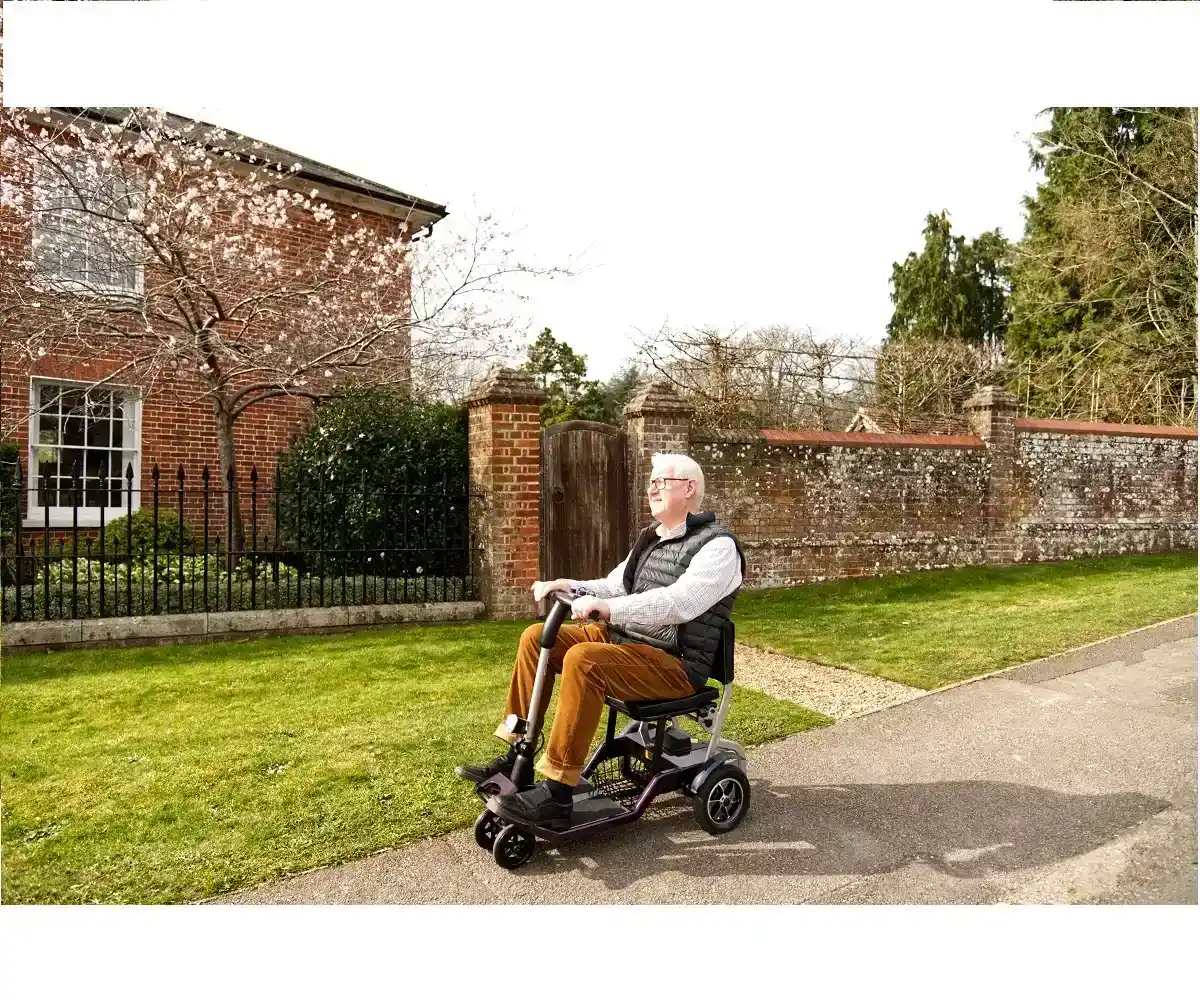

Mobility scooters are life-enhancing devices, offering freedom and independence to thousands of people across Ireland and beyond. But one of the most common concerns among users is this: How long do mobility scooter batteries last? In most cases, your battery will last between 1 to 5 years, depending on its type, your usage, charging habits, and how well you maintain it. Sealed lead-acid batteries tend to last around 1–2 years, while lithium-ion batteries can last up to 5 years or even longer.
Since your mobility scooter is only as reliable as its battery, understanding the factors that influence battery lifespan is essential. In this guide, we’ll go through battery types, average lifespan, proper maintenance tips, and practical solutions to extend performance. You’ll also learn when it’s time to replace your scooter battery and how to dispose of it responsibly.
Key Takeaways
-
Lead-acid batteries typically last around 1–2 years, while lithium-ion batteries often last 3–5 years or longer.
-
Gel batteries average 2–4 years; AGM batteries 2–3 years; and NiMH batteries 2–5 years.
-
Usage frequency, charging habits, and environmental conditions significantly influence lifespan.
-
Light use (1–2 times per week) can extend battery life, while daily heavy use shortens it.
-
Regular maintenance ensures optimal performance and delay unnecessary replacements.
For those new to mobility scooters, check out our guide on choosing the right mobility scooter in Ireland.
Understanding Mobility Scooter Batteries
Mobility scooters play an essential role in helping users retain independence, whether attending appointments, shopping locally, or spending quality time outdoors. Since mobility scooters rely entirely on their battery for performance, understanding the battery system is critical.
A mobility scooter battery determines:
-
How far you can travel before needing a recharge.
-
How long the scooter lasts over its lifetime.
-
Reliability during daily tasks or longer journeys.
Poorly maintained batteries result in sudden breakdowns, shorter range, and unnecessary expenses. Being proactive with care helps your scooter become a dependable companion rather than a frustrating burden.
Types of Batteries Used in Mobility Scooters
Not all scooters use the same batteries. Different types offer varying capacities, charging requirements, lifespans, and prices. Here are the five most common:
-
Sealed Lead-Acid (SLA): Affordable and widely available but heavier, lasting around 1–2 years with regular use.
-
Lithium-Ion: Lightweight, charges quickly, and lasts up to 3–5 years or more, though more expensive.
-
Gel Batteries: Safer and leak-resistant with a lifespan of 2–4 years. Popular in mid-range scooters.
-
AGM (Absorbent Glass Mat): Designed for better durability and sealed to prevent leaks. Lifespan averages 2–3 years.
-
NiMH (Nickel-Metal Hydride): Less common but lightweight and efficient, lasting around 2–5 years.
If you’re exploring different models, take a look at our electric mobility scooter range where battery type is an important factor.
Average Lifespan of Mobility Scooter Batteries
Here is a quick breakdown of typical lifespans:
| Battery Type | Average Lifespan |
|---|---|
| Lead-Acid | 1–2 years |
| Lithium-Ion | 3–5 years (sometimes longer) |
| Gel Batteries | 2–4 years |
| AGM Batteries | 2–3 years |
| NiMH Batteries | 2–5 years |
The figures above assume regular maintenance and moderate use. Heavy daily use, poor charging practices, or operating in extreme conditions shorten lifespan considerably.
Factors Affecting Battery Life
Your battery’s longevity depends on three major categories:
Usage Frequency
-
Light use (1-2 times/week): Batteries may last beyond 2–3 years.
-
Moderate use (3-5 times/week): Lifespan drops to 1–2 years.
-
Heavy use (daily): Often less than a year, especially with lead-acid types.
Charging Practices
-
Use the original charger to avoid compatibility issues.
-
Avoid deep discharges — keep levels above 20%.
-
Unplug once full to prevent overcharging.
Environmental Conditions
-
Extreme heat leads to overheating and cell damage.
-
Low temperatures reduce efficiency.
-
High humidity may cause corrosion.
If your scooter is often exposed to Irish weather conditions, consider storing it indoors or in a dry shed. Read our advice on mobility scooter storage for additional protection.
Importance of Regular Maintenance
Routine maintenance should never be ignored. By inspecting and caring for your battery, you will:
-
Extend overall lifespan.
-
Prevent expensive breakdowns.
-
Ensure your scooter responds reliably every time.
Routine Battery Checks
-
Inspect for leaks or corrosion.
-
Keep terminals clean and free of dirt or rust.
-
Test for charge-holding capacity if noticing weaker performance.
Proper Charging Practices
-
Always recharge after every use.
-
Do not leave fully discharged overnight.
-
Charge in a ventilated area.
Environmental Storage
-
Keep away from excessive dampness.
-
Avoid leaving your scooter outdoors for long periods.
Terrain Impact on Battery Performance
The terrain you ride on makes a difference:
-
Flat tarmac or paved surfaces: Minimal strain, longest battery efficiency.
-
Hilly terrain: Extra motor effort shortens range and drains battery faster.
-
Rough or grassy surfaces: Creates uneven resistance, also consuming more power.
When planning routes, a flatter path may preserve power and extend range.
Weight Capacity and Battery Load
Each scooter comes with a specific weight capacity. Overloading will:
-
Cause faster charge depletion.
-
Strain the motor and shorten battery life.
-
Potentially create safety risks.
If you often carry items, look into scooters with higher weight limits, available in our heavy-duty mobility scooter category.
Signs of a Deteriorating Battery
You’ll know it’s time to check or replace your battery if you notice:
-
Shortened driving range: Needing frequent recharges for short trips.
-
Slow charging times: Batteries taking hours longer than usual.
-
Unusual noises or smells: Hissing, popping, or chemical odours indicate safety issues.
-
Visible damage: Swollen casing or leaking fluid.
Tips for Extending Battery Life
-
Fully recharge after each use.
-
Avoid running below 20%.
-
Keep tyres inflated (low tyres force batteries to use more power).
-
Avoid storing in hot garages or damp sheds.
-
Clean terminals frequently.
For advice on selecting replacement batteries and accessories, browse our mobility scooter batteries and parts.
When to Replace Your Mobility Scooter Battery
Replace your battery when:
-
It no longer holds power for a standard journey.
-
Your scooter struggles to reach even modest inclines.
-
Performance continues to decline despite maintenance.
Replacing before complete failure prevents unnecessary inconvenience, especially if you rely on your scooter for daily trips.
Eco-Friendly Disposal of Old Batteries
Never throw old batteries in standard waste bins. Instead:
-
Drop them at recycling centres.
-
Return them to suppliers for safe disposal.
-
Check local hazardous waste drop-off points.
Sustainable disposal keeps harmful chemicals out of landfills and protects the environment.
Frequently Asked Questions
Can I use my mobility scooter while charging?
No. For safety, scooters should not be used while plugged into a charger.
How do I know when my battery is fully charged?
Most chargers have indicator lights, usually turning green when complete.
Can I upgrade to a bigger battery?
Possibly, but always check compatibility with your scooter model.
How long should I expect daily use batteries to last?
For heavy use, expect to replace batteries every 12–18 months unless you upgrade to lithium-ion.
What should I do if my battery is leaking?
Stop use immediately, disconnect carefully, and arrange safe disposal.
Conclusion
Your mobility scooter’s battery determines how much independence, safety, and confidence you can enjoy each day. By understanding the different types of scooter batteries, adopting good charging habits, carrying out routine maintenance, and recognising the signs of deterioration, you can optimise performance and extend lifespan.
When it finally comes time for replacement, make sure you select a battery suited to your needs and scooter model, and always dispose of old batteries responsibly. Treat your battery well, and it will reward you with consistent freedom and independence.
Ready to Upgrade Your Battery?
At Irish Stairlifts & Bathrooms, we stock a full selection of mobility scooters, replacement batteries, and accessories to ensure your independence never stops. Whether you need advice, servicing, or an upgrade, our team is here to help.
👉 Browse our mobility scooters and accessories today and keep your freedom moving!

Take the First Step to Independence
Trusted Mobility & Grant Experts Since 1999
Book Your Free Home AssessmentISB Mobility Showroom – Clane
Unit C5/C6 Clane Business Park
Kilcock Road, Clane, Co. Kildare
Eircode: W91 NF86
045 892 696 | 0818 818 500
showroom@irishstairlifts.ie
Mon–Thu: 9am–5pm | Fri: 9am–4pm