
How Do I Choose a Mobility Scooter?
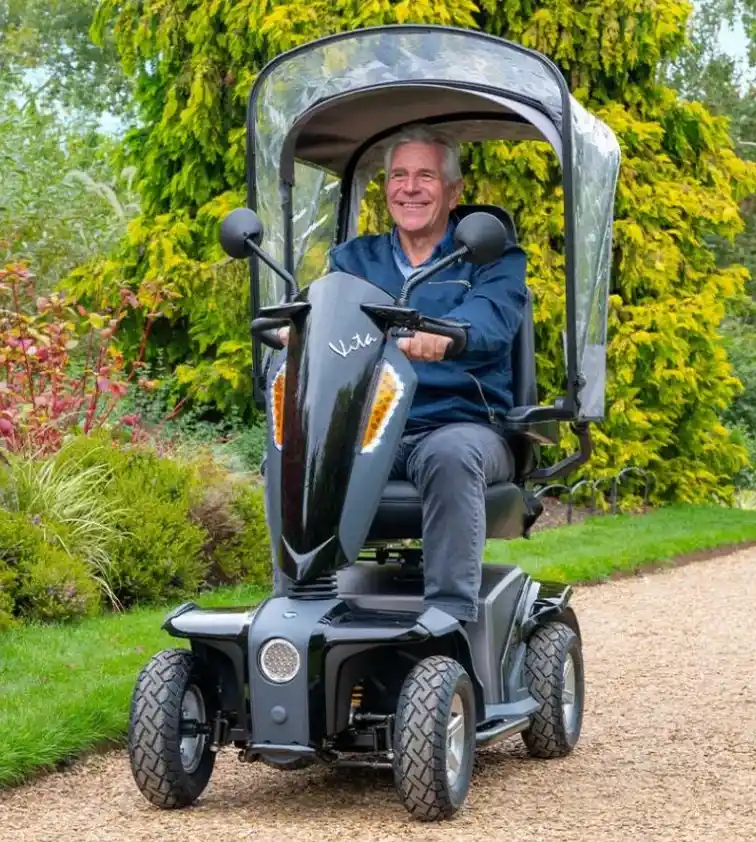

Selecting the right mobility scooter is a big step towards gaining independence, freedom, and comfort in your daily life. In Ireland, where our landscapes and lifestyles vary from bustling Dublin streets to scenic rural countryside lanes, choosing wisely is essential. A mobility scooter isn’t just a purchase—it is an investment in your health, independence, and social connections.
When making your decision, you’ll want to carefully assess your personal needs, the environments you’ll travel in, and essential considerations like battery life, portability, safety features, and service availability in Ireland. By doing proper research and testing, you can ensure your scooter allows you to live life on your terms.
This article will guide you step by step through everything you need to know before purchasing your mobility scooter in Ireland.
Key Takeaways
- Understand your daily activities, environment, and terrain to determine your ideal scooter type: travel, mid-size, or heavy-duty.
- Ensure the scooter’s weight capacity meets your body weight plus any additional items you carry.
- Look for strong battery life and reliable range suitable for Ireland’s urban and rural settings.
- Prioritise comfort, ergonomics, and safety-enhancing features like anti-tip wheels and LED lights.
- Balance budget and aftercare considerations, ensuring there’s warranty, servicing, and spare parts availability in Ireland.
- Always test before you buy to ensure the scooter feels right for your body and lifestyle.
Understanding Your Mobility Needs
Before browsing models, take time to evaluate how and where you’ll use your mobility scooter in Ireland.
Ask yourself questions such as:
- Will I primarily use my scooter indoors (e.g., shops, homes, care facilities) or outdoors (on pavements, rural roads, or parks)?
- Do I need portability for frequent trips in and out of the car boot?
- How far do I expect to travel daily, and how often will I use the scooter?
- Do I struggle with uneven terrain (like cobblestone paths or rural grass) and therefore need extra suspension and power?
- What level of comfort will make me feel secure and at ease?
In an Irish setting, you might also need to consider weather conditions. With frequent rain, investing in a durable scooter with weather-resistant controls—and accessories like rain covers—can save hassle later.
For customised advice, you can explore the mobility scooter range at Irish Stairlifts, where products include different models suited to both urban and rural living.
Weight Capacity Considerations
Every mobility scooter has a maximum weight limit designed to ensure safe performance. Overloading beyond this weight reduces lifespan, wears out the motor faster, and can impact your safety while driving.
Assessing Your Weight
- Begin with an accurate measure of your body weight.
- Add an estimated extra allowance for shopping bags, handbags, or personal items.
- For heavier users, consider heavy-duty scooters, which offer stronger suspension and wider seats.
Accessories Add Up
A scooter may come with or allow for accessories such as:
- Storage baskets
- Cup holders
- Walking stick holders
- Mobility ramps
For example, if your scooter is rated at 135kg capacity and your body weight is 120kg, adding accessories or bags might push you over the safe operating limit. Always leave some buffer space within the weight rating.
For advice on scooters with higher capacity, you can review options like the Rascal Vision Mobility Scooter available in the heavy-duty scooter category.
Battery Life and Range
One of the most common concerns among scooter buyers in Ireland is battery life. Nobody wants to risk breaking down mid-journey, especially on country roads or in rural towns with fewer charging options nearby.
- Battery range: Most scooters last between 10–30 miles per charge, depending on terrain and weight load.
- Charging time: Lithium-ion batteries charge faster and last longer compared with standard lead-acid ones.
- Weather considerations: Cold Irish winters may slightly reduce battery performance. Keep chargers indoors and warm for best battery health.
If your lifestyle requires multiple trips to town in one day, opt for scooters in the mid-size or heavy-duty range with extended running times.
Types of Mobility Scooters
Knowing the size and classification of scooters helps narrow down your options.
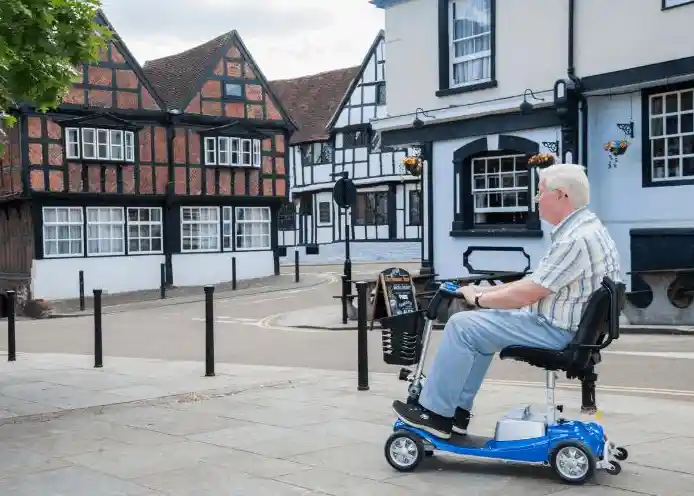
- Travel Scooters – Lightweight, foldable, and portable. Best for boot storage and urban users in Dublin, Cork, or Galway who need indoor manoeuvrability.
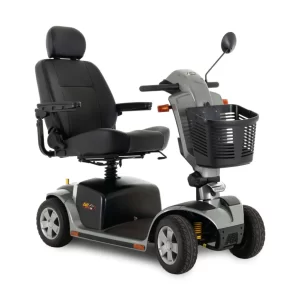
- Mid-Size Scooters – Balance between portability and stability. Good for suburban areas where pavements may be uneven but you still want some storage and comfort.
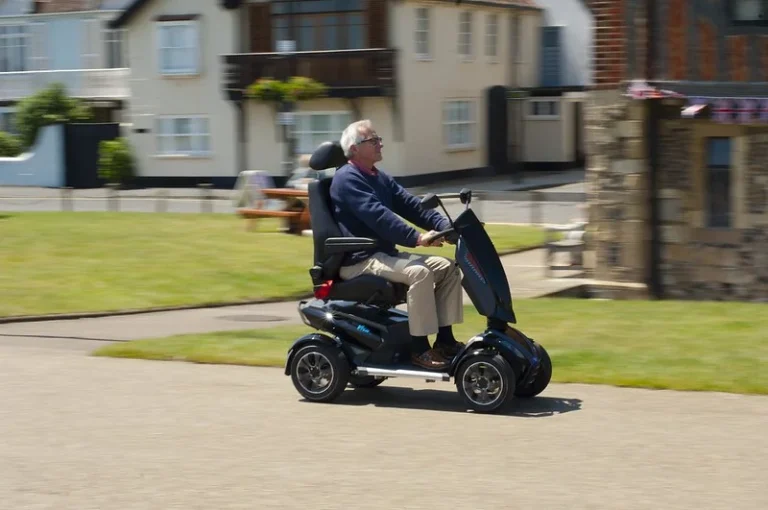
- Heavy-Duty Scooters – Sturdy, powerful, with high weight capacity and long battery life. Designed for rural roads, uneven surfaces, and longer journeys across towns.
Terrain and Environment in Ireland
Ireland’s unique terrain poses questions to mobility scooter buyers:
- Pavements and kerbs: Older towns in Ireland often have uneven pavements and cobblestones. Look for larger wheels with stronger suspension.
- Inclines: Living in hilly counties like Wicklow or Donegal makes stronger engines and high torque important.
- Weather: Rainproof accessories such as ponchos, scooter covers, or all-weather canopies are essential in Ireland’s climate.
Size and Portability
For Irish buyers who frequently travel, scooter portability is key.
- Foldable Models: Perfect if you use Irish Rail, Bus Éireann, or Aer Lingus flights. These scooters collapse neatly for transport.
- Non-Foldable Models: While bulkier, they’re built for sturdiness on long rural drives.
- Storage: Measure your home and car boot before purchase—smaller Irish cars may not always fit larger mobility scooters.
Comfort and Ergonomics
Your scooter should not only get you from A to B but do so comfortably. Look for:
- Adjustable seats with swivel function for easy transfer.
- Padded or contoured seating with lumbar support for longer rides.
- Adjustable tillers and ergonomic controls for arthritis-friendly handling.
Safety Features for Irish Roads
Safety is vital, particularly when navigating busier urban centres like Dublin or Cork. Top safety designs include:
- LED headlights and tail lights for visibility in shorter daylight months.
- Anti-tip wheels for confidence on curbs and inclines.
- Rear-view mirrors and horn functions, essential for road awareness in busy pedestrian or mixed-use areas.
Accessories and Customisation
Practical add-ons include:
- Rain Canopy: Keeps you dry from Ireland’s unpredictable downpours.
- Rear Lockable Box: Extra secure storage for shopping.
- USB charger points: For mobile devices.
Budget and Financing in Ireland
- Entry-level scooters in Ireland start at around €1,000–€1,500.
- Mid-range scooters can cost between €2,000–€3,500.
- Heavy-duty or premium models may exceed €5,000, depending on features.
Additional financial considerations:
- Servicing costs (typically annually).
- Replacement batteries every 2–3 years.
- Insurance (recommended for protecting against theft or damage).
Irish Stairlifts also provides advice on VAT relief eligibility for mobility aids, helping reduce overall cost.
Warranty and Local Service in Ireland
A warranty ensures ongoing peace of mind. Always ask:
- What parts are covered? (Battery, motor, electronics?)
- How long is the cover (1, 2, or 5 years)?
- Is there a local Irish servicing team available?
At Irish Stairlifts, you’ll find local aftercare services and a team that understands the needs of Irish customers.
Test Before You Buy
Taking a mobility scooter for a test drive is one of the smartest steps before committing. Testing helps confirm:
- Comfort in seating and controls.
- Manoeuvrability in tight shop aisles.
- Stability outdoors on Irish pavements and kerbs.
Frequently Asked Questions
Can I use a scooter on Irish public transport?
Yes, but it depends on the operator. Bus Éireann and Iarnród Éireann may require compact models for safe boarding. Always check accessibility guidelines.
How long will my scooter last?
With proper servicing and storage, scooters in Ireland typically last 8–12 years. Cold Irish weather may demand more frequent battery care.
Do I need a driving licence?
No. In Ireland, mobility scooters are classed as “invalid carriages” and do not require a driving licence.
Can I get financial support in Ireland?
Yes. Depending on circumstances, you may qualify for HSE grants, VAT relief, or other disability supports. Speak with your local HSE office.
Conclusion
Choosing the right mobility scooter in Ireland is a personal journey. Whether you’re exploring Dublin city streets, navigating cobbled rural villages, or enjoying trips to local parks, the right scooter will empower you to live independently, comfortably, and confidently.
By considering your daily lifestyle, weight capacity, battery life, terrain challenges, budget, and aftercare services, you’ll find a scooter that truly fits your needs while supporting long-term independence.
Remember—don’t just buy online. Visit an Irish mobility showroom, test a few models, and make sure it feels right for you.
Ready to regain your independence?
Explore our full range of mobility scooters in Ireland today. Or if you’d like tailored advice, book a free consultation and let our Irish-based specialists help you choose the perfect scooter for your needs.
Already decided a mobility scooter is right for you? See what features to look for in a mobility scooter and which type of mobility scooter suits your needs before you buy.

Take the First Step to Independence
Trusted Mobility & Grant Experts Since 1999
Book Your Free Home AssessmentISB Mobility Showroom – Clane
Unit C5/C6 Clane Business Park
Kilcock Road, Clane, Co. Kildare
Eircode: W91 NF86
045 892 696 | 0818 818 500
showroom@irishstairlifts.ie
Mon–Thu: 9am–5pm | Fri: 9am–4pm
Related Post
categories
- Accessible Bathrooms 20
- Grants & Funding 8
- ISB Mobility 6
- Mobility Aids 42
- Outdoor & Independence Solutions 44
- Seating Solutions 10
- Stairlifts & Home Lifts 36
- Statistics 9