
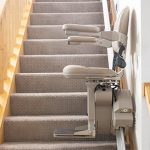

Many homeowners wonder if they can install a stair lift themselves, and while it might seem like a manageable DIY project, there are significant factors to consider before picking up the tools. Your level of technical skill, the complexity of your staircase, and safety concerns all play crucial roles in determining whether a DIY installation is suitable.
This expanded guide covers everything from understanding stair lifts and assessing your staircase to installation tips, common challenges, safety considerations, and maintenance. It also offers advice on when it’s best to call in a professional. Plus, relevant internal links to explore related topics on our site.
Key Takeaways
-
Installing a stair lift yourself is possible if you have basic electrical skills, the right tools, and a straightforward staircase design.
-
Precise measurements and careful assessment of your staircase are crucial to avoid costly mistakes and ensure a safe fit.
-
Following manufacturer guidelines and safety checks is essential for successful installation.
-
Complex staircases, safety concerns, or lack of confidence in handling tools and technical manuals suggest hiring a professional is safer.
-
Regular maintenance after installation is required, including safety inspections and battery checks, to ensure long-term reliability.
Understanding Stair Lifts: How Do They Work?
A stair lift is a motorized chair or platform that travels along a rail installed on the stair treads or wall, helping people who struggle with stairs maintain their independence at home. It provides a safe, comfortable, and reliable way to move between different floors.
Components and Features
-
Chair or platform: The seat, often with arms and a seatbelt for safety.
-
Rail: The track that runs along the stairs guiding the lift.
-
Motor and controls: Power the lift and allow it to be operated via buttons or a joystick.
-
Safety sensors: Detect obstacles on the stairs and stop the lift to prevent accidents.
Stair lifts come in various configurations to suit different needs, including straight, curved, outdoor models, and heavy-duty chairs catering to different weight capacities and physical requirements. Knowing these variations helps when assessing which model fits your home and mobility needs best.
Understanding how stair lifts function empowers you to make informed choices about installation options and usage and can ease the decision-making process.
Related: Types of Stair Lifts
Benefits of Installing a Stair Lift Yourself
Opting for a DIY installation can appeal to those wanting to save on costs and take on a home improvement challenge. Installing a stair lift offers several benefits:
-
Enhanced independence: Move freely without assistance, improving daily living and reducing reliance on others.
-
Increased safety: Reducing the risk of falls on stairs, which are a common cause of home injuries.
-
Inclusive home environment: Makes multi-level homes accessible for family members or visitors with mobility challenges.
-
Cost savings: Avoid or reduce professional installation fees (though this requires skill).
However, the challenge lies in ensuring the lift is installed correctly and safely. A poorly installed stair lift can pose serious hazards. Thus, understanding the full process before beginning is vital.
Types of Stair Lifts: Which Suits Your Home?
The design and layout of your staircase strongly influence the type of stair lift suitable for your installation:
-
Straight Stair Lifts: Designed for staircases without bends or curves, typically the easiest and least expensive to install.
-
Curved Stair Lifts: Custom-built rails that follow staircases with turns, landings, or spiral shapes. These require precise measurements and often professional installation.
-
Outdoor Stair Lifts: Weatherproof models suitable for external stairs, built from durable materials to withstand the elements.
-
Heavy-Duty Stair Lifts: Designed for larger users, supporting higher weight capacities.
Choosing the right type impacts installation complexity and cost. Curved and outdoor lifts generally require more expertise and time.
Assessing Your Staircase for DIY Installation
Before acquiring a stair lift or considering installation, carefully evaluate your staircase:
Staircase Type and Layout
-
Straight stairs are the most straightforward for DIY installation.
-
Curved or spiral staircases often require custom fits.
-
Landings, turns, or odd shapes can complicate installation.
Precise Measurements
Accurate staircase measurements ensure the stair lift fits perfectly:
-
Measure the width of the stairs (minimum width depends on model, typically 28-30 inches for straight lifts).
-
Measure vertical height and track length—bottom to top floor.
-
Note any landings, turns, or obstacles such as doors, railings, or décor.
Incorrect measurements can lead to an ill-fitting lift and wasted expenses.
Structural Integrity
Check your stairs for strength and stability:
| Inspection Point | Action if Problem Found |
|---|---|
| Loose handrails | Tighten or replace |
| Cracked steps | Repair or reinforce |
| Weak supports | Add additional support or replace |
| Stairs wobble | Secure or reinforce |
A sturdy staircase is essential to safely anchor the stair lift.
Required Tools for Installation
For a DIY stair lift installation, the following tools are generally needed:
-
Power drill with appropriate bits for mounting brackets
-
Tape measure for precise measurements
-
Level to ensure rails and chairs are installed straight
-
Socket set and wrenches for tightening bolts
-
Stud finder to locate solid mounting points
-
Screwdrivers for assembling components
Having quality tools at hand reduces installation time and mistakes.
Skills You Need for DIY Installation
Successfully installing a stair lift yourself requires:
-
Basic electrical skills: To connect the motor and power safely.
-
Mechanical aptitude: Following instructions to assemble and mount parts.
-
Attention to detail: Precise measurements and alignment.
-
Physical ability: To handle heavy parts safely.
-
Troubleshooting: To resolve unexpected issues.
If you’re uncomfortable with any of these, professional installation is recommended to avoid risks.
Common Installation Challenges
Even with adequate tools and skills, common hurdles that DIY installers face include:
-
Measuring inaccuracies causing improper fit.
-
Complicated stair layouts with tight corners or irregular shapes.
-
Electrical wiring issues if unfamiliar with power connections.
-
Securing rails firmly to prevent wobbling or instability.
-
Navigating manufacturer-specific instructions that may be technical.
Being aware of these challenges ahead of time can help reduce delays and mistakes.
Safety Considerations Before Installing
Safety must be your top priority during installation:
-
Clear the stairway of obstacles.
-
Wear protective gear such as gloves and safety glasses.
-
Have someone assist or supervise.
-
Ensure the stair lift is unplugged during wiring.
-
Avoid rushing through steps.
-
Double-check tool conditions and safety adherence throughout.
Following safety protocols will reduce risk of injury or faulty installation.
Following Manufacturer Guidelines
Adhering closely to your stair lift manufacturer’s installation manual is critical:
-
Manuals contain specific instructions for your model.
-
They highlight safety checks and important precautions.
-
Following them maintains your product warranty.
-
For unclear points, contact manufacturer support.
Remember, these guidelines are designed to keep users safe and equipment functional.
DIY Installation Cost Comparison
Material Costs
Stair lift units vary by type and quality:
| Item | Typical Cost (USD) |
|---|---|
| Stair lift unit | $2,000 – $5,000 |
| Mounting hardware | $100 – $300 |
| Tools & supplies | $50 – $150 |
DIY installation can save on labor but beware of hidden costs from errors or extra tool needs.
Labor Expenses (Professional Installation)
Professional installers charge based on:
-
Staircase complexity (curved vs. straight)
-
Time required (typically a few hours)
-
Regional labor rates
Installation labor usually adds 15-20% to stair lift costs but guarantees safety and warranty.
When to Hire a Professional
Consider professional installation if:
-
Your staircase has complex curves or unique architecture.
-
You lack the skills or confidence to follow technical manuals.
-
You want to ensure warranty coverage and safety compliance.
-
You prefer a hassle-free, prompt installation with support.
A professional can assess your home accurately, customize solutions, and test the lift thoroughly.
Related: Professional Stair Lift Installation Services
Maintenance and Care for Your Stair Lift
Keeping your stair lift in top condition ensures safety and longevity.
Regular Cleaning
-
Wipe down the seat, armrests, and footrest with a damp cloth.
-
Keep tracks free from dust and debris using a dry cloth or vacuum.
-
Clean control panels and joystick.
-
Periodically check for loose parts and tighten them.
Battery Maintenance
-
Regularly monitor battery charge level.
-
Fully charge the battery at least once a month even if unused.
-
Keep battery terminals clean and clean off any corrosion.
-
Replace batteries as per manufacturer’s recommendations.
Safety Inspections
Schedule annual safety inspections to:
-
Test emergency stops and sensors.
-
Check track alignment and chair stability.
-
Inspect seat belts and mechanical parts.
-
Listen for unusual noises or irregularities.
Related: Stair Lift Maintenance Tips
Frequently Asked Questions (FAQs)
What Is the Average Installation Time for a Stair Lift?
Installation typically takes 3 to 4 hours for a straight stair lift but may require more time for curved or complex staircases.
Can I Install a Stair Lift on Curved Stairs?
Curved stair lifts are more complex and usually require custom rails and professional installation for safety and fit.
Are Permits Required for Stair Lift Installation?
Permit requirements vary by location. Checking with local building authorities ensures compliance.
What Are Weight Limits for Stair Lifts?
Weight capacities range from 300 to 600 pounds, depending on the model and manufacturer.
How Do I Choose the Right Stair Lift?
Consider stair type, weight capacity, features, and your budget. Testing models and expert advice can help select the best fit.
Conclusion
Installing a stair lift yourself can be a fulfilling project that enhances your home’s accessibility and independence. With the right tools, skills, and knowledge of your staircase, a DIY installation is feasible for many straight staircases.
However, safety should never be compromised. Stair lifts are complex devices, and improper installation can lead to hazards. If you have doubts about your abilities or your staircase’s complexity, it’s wise to seek professional installation to ensure full safety, warranty protection, and peace of mind.
Stay proactive with regular maintenance to keep your stair lift functioning safely for years to come.
For expert advice tailored to your home and mobility needs, and to explore professional installation options, contact our team of trusted stair lift specialists today. Take the next step towards safer and easier mobility in your home—request a free consultation or quote now!

Take the First Step to Independence
Trusted Mobility & Grant Experts Since 1999
Book Your Free Home AssessmentISB Mobility Showroom – Clane
Unit C5/C6 Clane Business Park
Kilcock Road, Clane, Co. Kildare
Eircode: W91 NF86
045 892 696 | 0818 818 500
showroom@irishstairlifts.ie
Mon–Thu: 9am–5pm | Fri: 9am–4pm